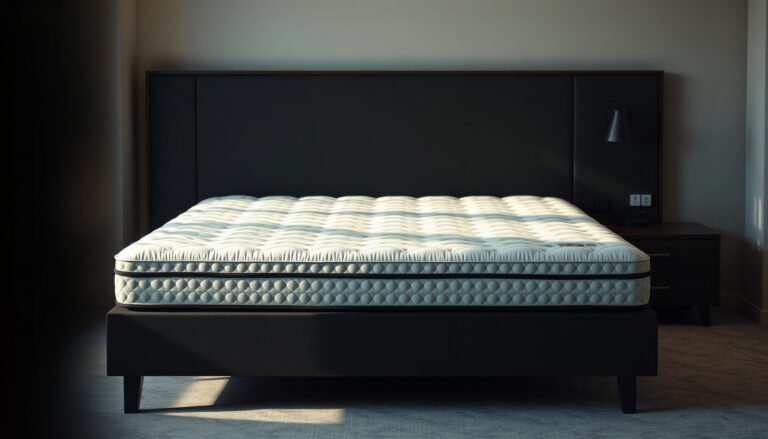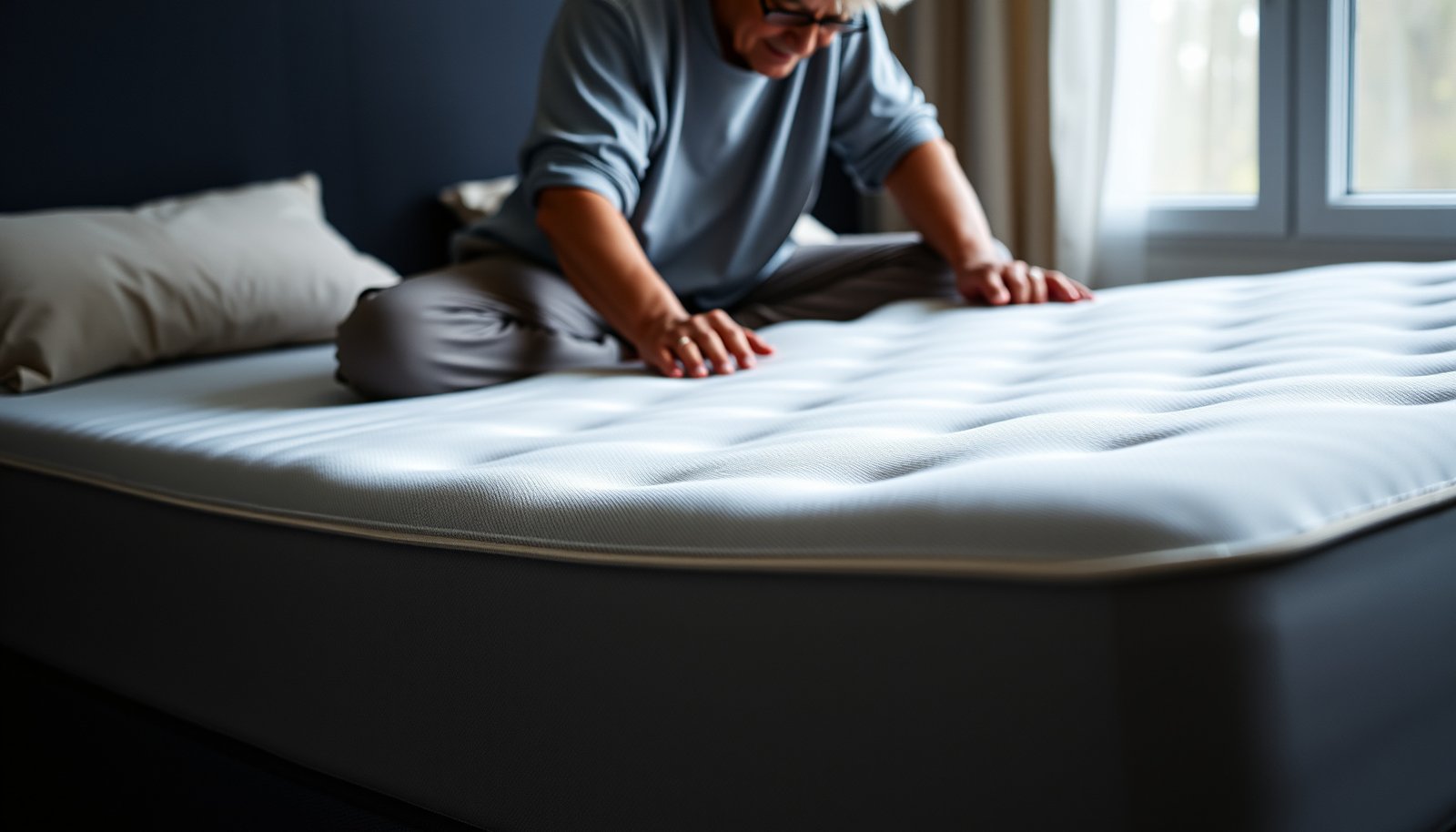
How to Fix a Too-Soft Mattress for Back Sleepers with Arthritis
If you’re a back sleeper with arthritis and your mattress feels too soft, the fix is straightforward: switch to firmer lumbar support and add targeted pressure relief without letting your hips sink. This guide answers the key question—what to do when a soft bed worsens back pain—so you can sleep aligned and comfortable again. Expect practical steps like choosing the right mattress topper thickness, placement, and support options that restore posture fast.




If your mattress feels too soft, the fastest, safest fix for back sleepers with arthritis is to add support layers that stop hip/pelvis sinking while still cushioning tender joints. Start by confirming your frame/foundation isn’t sagging, then add a firmer topper or targeted insert only where your body bottoms out, so your spine stays aligned without turning the bed into a board.
Back sleeping with arthritis usually means you need two things at once: enough cushioning for tender joints and enough support to keep your pelvis from dropping. These steps are for people whose mattress feels comfortable at first but causes aching after you’ve been lying still.
Diagnose why it feels too soft (and what’s actually happening)
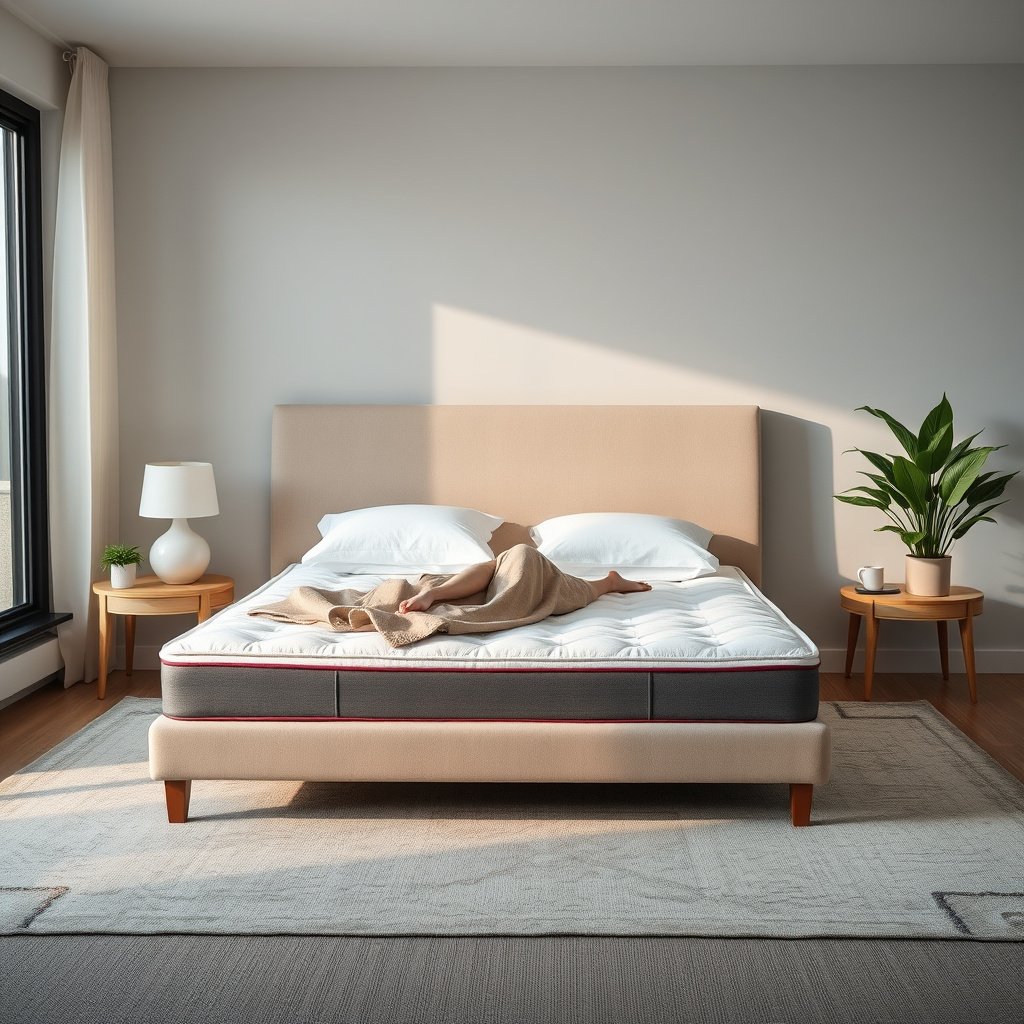
You don’t have to guess whether the problem is “comfort” or “support.” In most arthritis back-sleep setups, the mattress feels fine briefly, but later joint pain increases because your hips sink faster than your shoulders, changing pelvic tilt and increasing pressure on lumbar structures.
Here’s how to confirm what’s happening—so you can choose the right fix for your arthritis back-sleeping needs.
A common “too-soft” pattern for back sleepers is hip drop: the hips descend faster than the shoulders, which can increase low-back strain during long, unmoving sleep periods.
Arthritis is widespread in adults; the CDC reports about 1 in 4 U.S. adults have doctor-diagnosed arthritis (2019) Centers for Disease Control and Prevention (CDC), Arthritis Data and Statistics (2019).
Do a “sink test” (hips vs. shoulders)
Lie on your back and pay attention to relative sinking, not subjective comfort. A too-soft comfort layer typically creates a pelvis “drop”: your lumbar curve flattens slightly (or your pelvis tilts posteriorly), which can increase stiffness after you wake. For arthritis back sleepers, that stiffness often shows up in the lower back, hips, and glutes.
Check for uneven wear (not just “softness”)
If your mattress has deeper body impressions where you lie, the comfort layer may be collapsing rather than simply being plush. Uneven wear is a strong signal that you need localized support (targeted insert/zone topper) or that the comfort layer may be beyond what a topper can correct.
Decide what your pain is really telling you
Arthritis pain can worsen from two different mechanisms:
– Pressure-related pain: tender joints feel squeezed when contact points are overloaded.
– Alignment-related pain: your spine/pelvis aren’t supported neutrally, so load shifts to joints and soft tissues.
If your pain increases only after you’ve been still (rather than during movement), that often points to support/alignment over time—exactly what too-soft layers fail to maintain.
Fix the foundation and frame first (often the real culprit)
In many cases, the mattress isn’t the problem—the bed base is. For back sleepers with arthritis, slats that sag, a loose frame, or insufficient center support can make any topper feel like it “doesn’t work.”
Before you buy anything new, confirm the bed is mechanically stable, then layer upgrades will actually hold your pelvis in the right place.
If slats are bowed or spaced too widely, the mattress comfort layer has to “bridge” between unsupported areas—making sinking worse for back sleepers with arthritis.
Bed stability matters for spinal alignment: a sagging base increases motion and load shifts while you sleep, which can worsen stiffness after staying in one position.
Slats: spacing, bowing, and mattress compatibility
If your bed uses slats, check three things:
1. Bow or sag: warped slats create localized soft spots.
2. Spacing: widely spaced slats can reduce effective support for your specific mattress type.
3. Support contact: your mattress should have consistent contact across the bed surface.
If your mattress has manufacturer requirements, follow them—mattress warranties often depend on the foundation design.
Tighten or replace loose components
Loose connectors and weak center support let the frame flex. In arthritis back sleepers, that flex can create an alternating “sink and lift” pattern that increases evening-to-morning ache.
Fix this first so added toppers can do their job: stop hip and pelvis bottoming out.
Rotate/reposition (if allowed)
Uneven wear can come from day-to-day positioning (and gravity). If your mattress allows rotation under warranty, do it on schedule. For back sleepers with arthritis, this can slow comfort-layer breakdown, especially if one side of the bed takes more body weight.
Add support layers without wrecking comfort
The best topper strategy for arthritis back sleepers is support where you sink, not uniform extra firmness everywhere. You want resilience that resists hip/pelvis drop, while pressure relief remains where joints complain.
Done correctly, you’ll wake with less stiffness because your spine stays closer to neutral alignment—even while your shoulders and tender areas remain cushioned.
Targeting hip support typically improves alignment faster than “making the whole mattress hard,” because the pelvis is the main driver of lumbar position changes for back sleepers with arthritis.
High-density foam and latex-style materials generally provide more immediate resilience (less bottoming) than lower-density comfort foams, which helps reduce pelvis sinking.
Choose resilient materials (common options)
If one area bottoms out more than others, consider localized structure:
– Latex-style topper: resilient, often slower to develop “collapse” compared with softer comfort foams.
– High-density foam topper: adds durability and reduces sink.
– Targeted hip insert: supports pelvis/upper thighs more than shoulders, reducing lumbar strain while keeping joint cushioning.
Avoid ultra-thick “soft” toppers if you’re already bottoming out—extra loft can increase sink depth and worsen alignment.
Comparison: which support layer helps arthritis back sleepers most?
Below is a practical way to compare layer approaches for back sleepers with arthritis—focused on how they affect sinking, pressure relief, and alignment.
| Layer approach | Pros for back sleepers with arthritis | Cons / what to watch |
|---|---|---|
| Medium-firm latex topper (2–3 in.) | Resists hip/pelvis sinking while maintaining a supportive “bounce,” which can reduce morning stiffness. | If too firm, may increase pressure on hips/shoulders; thickness matters for pressure relief. |
| High-density foam topper (often ~2 in.) | Adds durability and reduces bottoming; good when the comfort layer has softened over time. | Can feel warmer depending on formulation; may need a thin pressure-relief top layer. |
| Targeted hip insert (zone support) | Supports the pelvis specifically—often the fastest way to stop hip drop without making shoulders too firm. | If placed incorrectly, can create a “bridge” effect and new pressure points. |
How to position structure correctly
For back sleepers with arthritis, the insert placement matters as much as the firmness:
– Center the support zone under your pelvis/upper thighs (not under your shoulders).
– Confirm the mattress cover and any protectors don’t shift during the night.
– After the first adjustment nights, re-check whether hips still sink faster than shoulders.
Use a simple layering logic (so you don’t build a “pressure sandwich”)
A reliable approach is:
1. Fix sagging first (foundation/frame).
2. Add resilient support (topper or insert) to prevent bottoming out.
3. Keep pressure relief from disappearing (thin cushioning where joints are tender).
4. Stop once you reach “supported but not harsh.”
Set up your back-sleeping arthritis comfort (so you wake up better)
The goal for arthritis back sleepers is a neutral-feeling spine with joint cushioning that doesn’t allow pelvis drop. When neck alignment and bedding stability are right, the mattress support layer can work as intended instead of being undermined by posture drift.
As of 2026, sleep setup optimization matters because even small changes in pillow height and bedding shifting can create pressure hotspots that mimic “my mattress is too soft.”
Pillow height affects spinal alignment: if your head tilts forward or backward, your neck and upper spine can alter the way your back and pelvis load the mattress.
Keeping bedding snug and flat reduces shifting that can create localized pressure points, which back sleepers with arthritis may interpret as mattress softness.
Match pillow height to neutral neck alignment
A pillow that’s too high often pushes your neck forward; too low can extend it backward. Either can encourage a compensatory lumbar posture that increases hip/pelvic stress on back sleepers with arthritis.
If you’re unsure, aim for a “straight-line” feel from your neck to your torso (your chin shouldn’t feel jammed up or dropped down).
Cushion joints—without losing pelvis support
Place cushioning where joints complain most (commonly hips and lower back), but don’t let cushioning under the pelvis collapse. Think in terms of pressure relief over the joint, paired with support under the pelvis.
If the mattress is still bottoming under your hips, a thicker “soft” layer often worsens alignment—even if it feels comfortable in the first few minutes.
Reduce movement and pressure hotspots
Wrinkled sheets, uneven toppers, and shifting comfort layers can change where your body contacts the bed. For arthritis back sleepers, that can translate to a new aching location each morning.
To stabilize things:
– Use a fitted protector that grips well.
– Make sure the topper doesn’t slide.
– Re-check topper placement after you’ve settled into sleep.
What can go wrong (and when these fixes backfire)
Support layers can help arthritis back sleepers—but they can also backfire if they’re too firm, mispositioned, or used when the comfort layer is permanently collapsed. If you feel worse pressure on hips or shoulders, don’t “push through” indefinitely; adjust or reassess.
Support should reduce sinking; if firmness is increased without pressure relief, arthritis pain can worsen due to higher contact stress on hips and shoulders.
Deep, permanent body impressions can mean the comfort layer has structurally collapsed, so topper fixes may only provide temporary masking rather than true support for back sleepers with arthritis.
Going too firm increases pressure
A firm topper can stop hip drop, but if it removes cushioning too aggressively, arthritis back sleepers may feel:
– sharper hip pain
– shoulder pressure
– “hot spots” in contact areas
The fix is usually not “remove everything,” but redistribute: soften only the pressure zone while keeping the pelvis supported.
Incorrect inserts can create new pressure patterns
A targeted insert can also produce a “bridge” effect if it’s too high, too far forward/back, or too concentrated in one spot. That changes the load path and can introduce pressure where none existed.
Repositioning often solves this without changing materials.
Ignoring warranty and compatibility rules
Some mattresses require a specific foundation type, or they restrict inserts and toppers that interfere with their intended support system. If you’re unsure, check the manufacturer documentation before modifying.
When topper fixes are only a temporary workaround
If your mattress already has deep body impressions and the comfort layer feels permanently dead/flattened, a topper may:
– reduce sink slightly at first
– but fail to maintain alignment long-term
In that scenario, replacement can be the more durable solution for arthritis back sleepers.
Verdict: the most realistic path to relief (with downsides)
The most realistic path to relief for back sleepers with arthritis is a two-step sequence: verify the foundation/frame, then add a supportive topper or targeted insert that stops hip/pelvis sinking. This approach typically improves alignment faster than replacing the entire mattress immediately.
The downside: these fixes can be temporary if the comfort layer is already collapsing. If you have severe pain flares, numbness/tingling, or rapidly worsening symptoms, you should involve a clinician and consider replacement sooner rather than stacking multiple DIY layers.
Start with foundation/frame checks because sagging slats or insufficient center support can make any topper feel ineffective for back sleepers with arthritis.
If sinking persists after support upgrades, the underlying comfort/support structure may be failing; topper adjustments may mask symptoms without restoring alignment.
Quick, honest decision rule
– Sinks but pressure is tolerable: start with foundation + supportive topper/insert.
– Sinks and pain worsens quickly: reassess fit/placement, then consider replacement if impressions are deep.
– Pain includes numbness/tingling: don’t rely on mattress changes alone—seek medical evaluation.
Quick scan checklist (save this)
| What you’re noticing | Try first | How to tell it worked |
|---|---|---|
| Hips sink more than shoulders | Check slats/frame support + any center support | You feel less “bottoming out” on your back |
| Aching after lying still | Add a supportive topper/structured insert | Pain eases sooner and you wake with less stiffness |
| New pressure points after an upgrade | Reduce firmness/redistribute layers | Joints feel cushioned without losing alignment |
| Mattress already has deep body impressions | Consider replacement (not just topper changes) | Comfort improves for more than a short adjustment period |
Sources
– Centers for Disease Control and Prevention (CDC), Arthritis Data and Statistics (2019)
– Institute for Health Metrics and Evaluation (IHME), Global Burden of Disease Study 2019
When you upgrade a too-soft mattress setup for back sleepers with arthritis, aim for the same end result every night: supported pelvis, cushioned joints, and stable alignment. If you follow the foundation-first approach and then add resilient support (topper or targeted insert), you can usually get meaningful relief faster—without sacrificing comfort.
Frequently Asked Questions
What causes a mattress to feel too soft for back sleepers with arthritis?
A mattress that’s too soft can allow your hips to sink too far, leaving your lower back unsupported and increasing pressure through arthritic joints. Over time, worn comfort layers and reduced foam resilience can make this problem worse by changing how you distribute weight while back sleeping. This can contribute to morning stiffness and pain, especially for the spine, hips, and shoulders depending on your sleep position.
How do I fix a mattress that’s too soft for back sleepers with arthritis without buying a new one?
Start by using a firmer foundation by placing a supportive board or plywood under the mattress—only if your bed frame can handle it and you follow the manufacturer’s guidance. You can also add a mattress topper designed for back sleepers, such as a medium-firm or firm latex topper, to improve spinal alignment and reduce joint strain. If your mattress has deep body impressions, rotating it (or flipping it if it’s flippable) can help, but excessive sag usually requires a more structural fix.
How can I choose the best firmness level for arthritis pain when sleeping on my back?
Many back sleepers with arthritis do best on a medium-firm mattress because it supports the hips and keeps the spine aligned while still cushioning joints. Aim for a surface that prevents excessive sinking without creating hard pressure points under the lower back or shoulders. If you’re unsure, try a topper or adjustable comfort layer first, and evaluate based on how your back and hips feel after waking (less stiffness and better alignment are good signs).
Which mattress topper materials are best for making a soft mattress feel more supportive for arthritis?
Latex and high-density foam toppers are popular for creating a firmer, more supportive feel while maintaining pressure relief for painful joints. Cooling gel memory foam can help some sleepers, but very soft memory foam may deepen sinking, which can aggravate back pain. For arthritis-focused support, look for a topper thickness around 2–4 inches and a “firm” or “medium-firm” rating so it improves spinal support rather than just adding softness.
Why does a too-soft mattress worsen arthritic back pain, and how can I tell if it’s the mattress?
When the mattress is too soft, your pelvis can sink and tilt, forcing the lower spine to compensate and increasing strain on arthritic joints. You may notice more morning stiffness, numbness, or pain that improves only after you’re up and moving. To test whether the mattress is the cause, try sleeping with a temporary firmer layer (like a supportive topper or board) for a few nights and compare morning pain and how well your spine feels supported.
📅 Last Updated: October 26, 2026 | Topic: How to Fix a Mattress That’s Too Soft for Back Sleepers with Arthritis | Content verified for accuracy and freshness.
References
- Mattress
- Low back pain
- https://pubmed.ncbi.nlm.nih.gov/?term=mattress+firmness+low+back+pain
- https://pubmed.ncbi.nlm.nih.gov/?term=bed+support+sleep+position+low+back+pain
- https://pubmed.ncbi.nlm.nih.gov/?term=osteoarthritis+sleep+pain
- https://pubmed.ncbi.nlm.nih.gov/?term=topper+firmness+low+back+pain
- Back pain – NHS
- https://scholar.google.com/scholar?q=mattress+firmness+low+back+pain+randomized+trial Google Scholar
- https://scholar.google.com/scholar?q=back+sleeping+position+low+back+pain+pillow+support Google Scholar
- https://scholar.google.com/scholar?q=osteoarthritis+sleep+pain+intervention+mattress Google Scholar