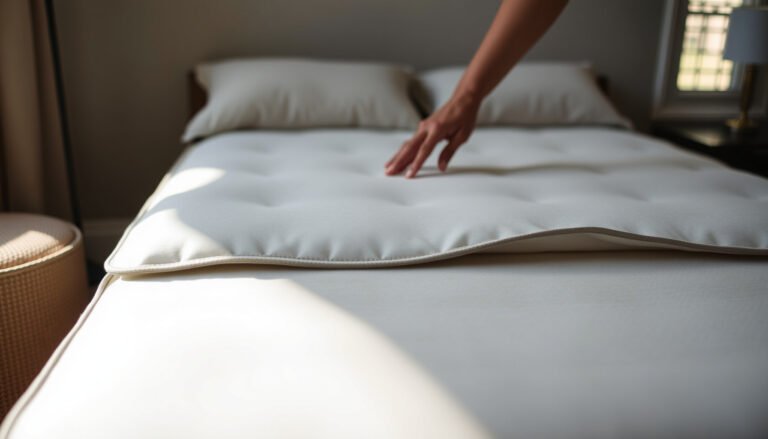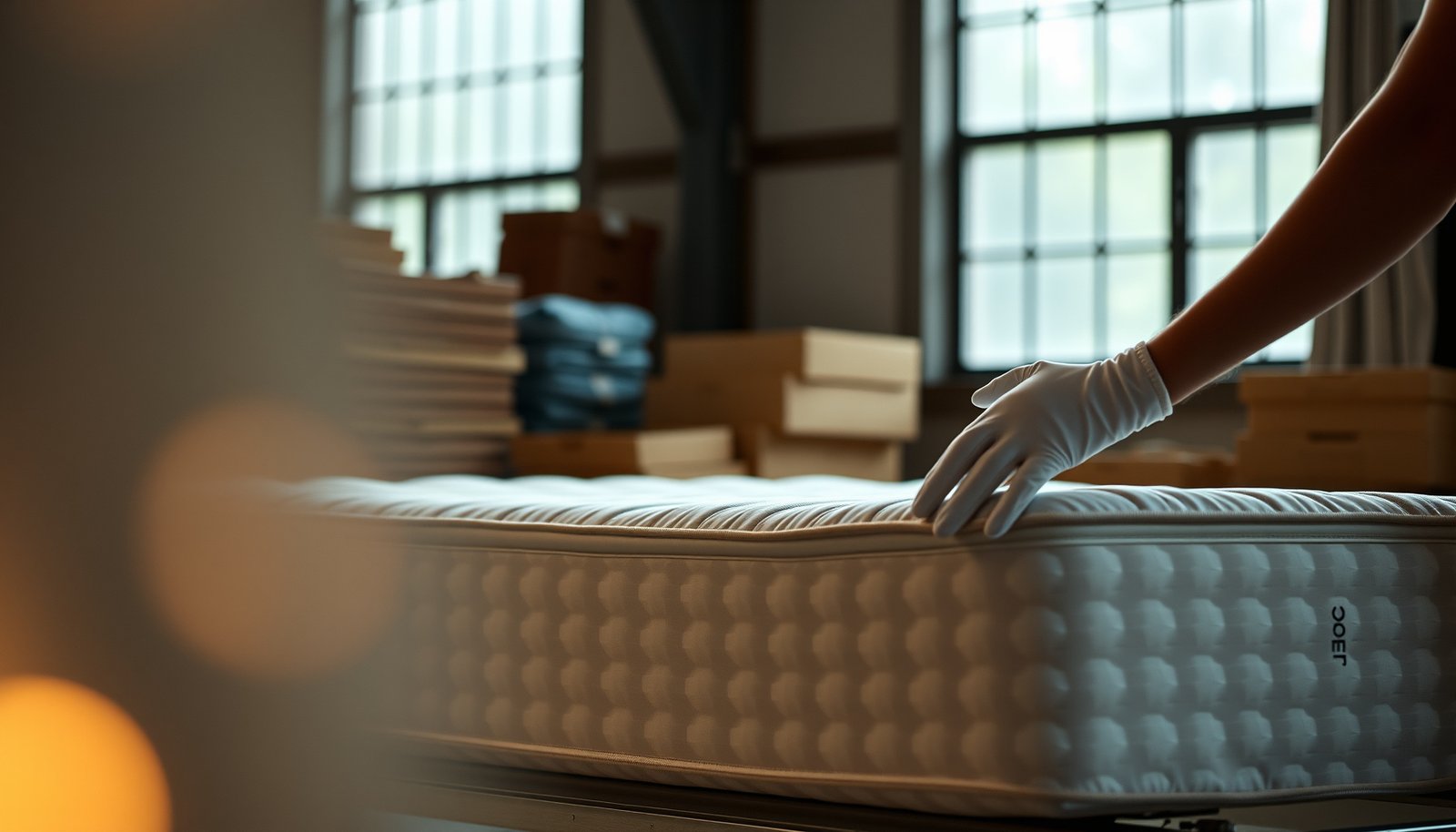
How to Protect a Cotton Mattress from Allergens During a Move
Protecting a cotton mattress from allergens during a move is best handled with an allergen-proof mattress encasement plus careful containment and cleaning steps before and after transport. If you want the most reliable way to keep dust mites, pet dander, and pollen off your mattress while it’s packed, moved, and unpacked, follow a sealed, layer-by-layer approach that prevents exposure at every stage. This guide lays out the exact moves that make the difference—so you can arrive with a mattress that’s genuinely cleaner, not just “covered.”



When you move, the fastest way to protect a cotton mattress from allergens is to wrap it in an allergen-barrier encasement (or mattress bag) right after it’s cleaned and fully dry. Keep the cover sealed the whole time it’s out of your home, and only open it once it’s in the new room. This reduces dust-mite and debris exposure during handling, loading, and storage.
If you (or anyone in your household) reacts to dust, dust mites, pollen, or pet dander—or you’re just trying to avoid triggering symptoms during a stressful move—this guide is for you. It’s especially useful if you’re packing a cotton or cotton-blend mattress that can pick up airborne particles while it’s uncovered.
Create an allergen-proof barrier before packing
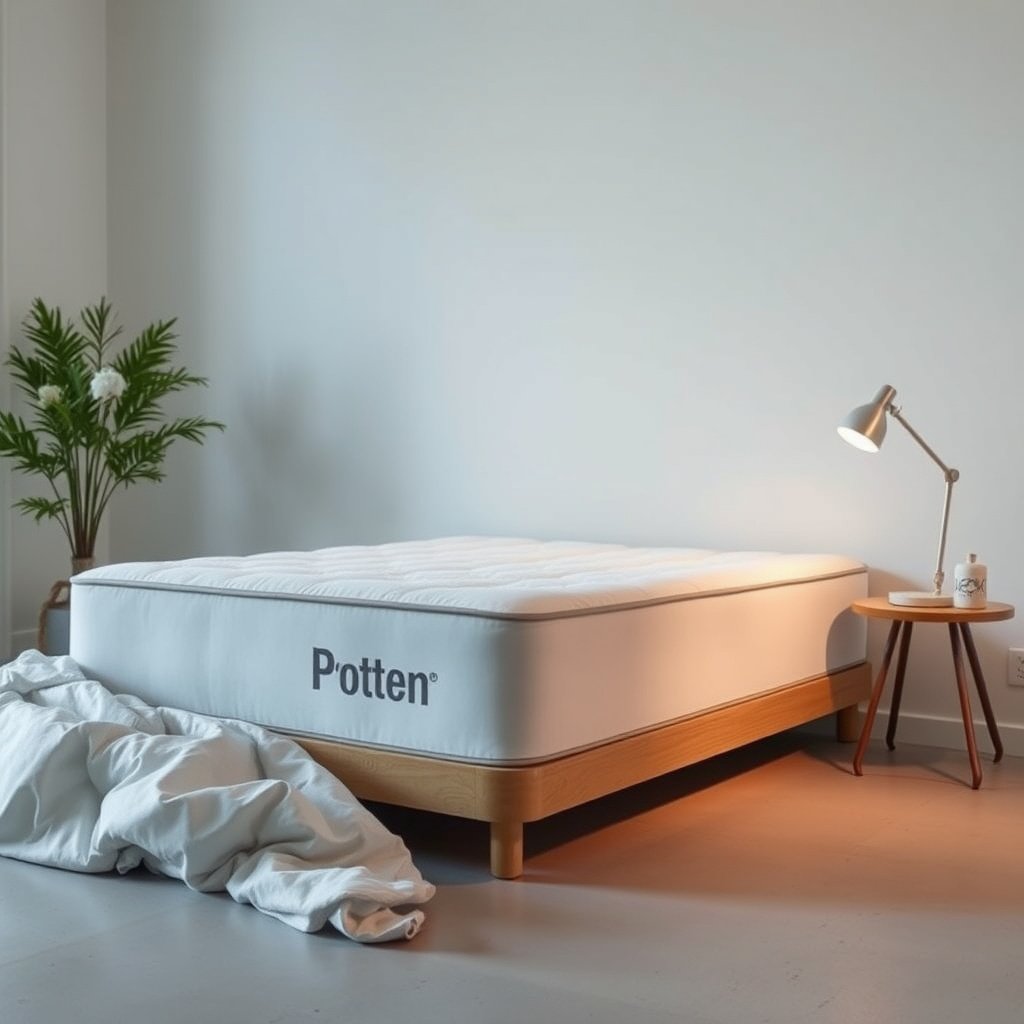
The best way to prevent allergens from settling on a cotton mattress during a move is to create a sealed allergen barrier before it ever leaves your control. In practice, that means using an allergen-barrier mattress encasement (or a dedicated mattress bag) that fully contains the mattress surface and seams—then keeping it sealed until the mattress is in the final room in 2026.
Allergen-barrier mattress encasements are designed to reduce dust-mite exposure by limiting contact between the mattress surface and the sleeper or the surrounding air.
Dust mites thrive in indoor environments with humidity above roughly 50%, which is why sealing the mattress during a move matters even if you only uncover it briefly (CDC, “About Dust Mites”).
To make the barrier actually work (not just “mostly work”), focus on seal quality and coverage:
– Use an allergen-barrier mattress encasement or a purpose-made mattress bag so fibers can’t shed dust and debris during handling
– Make sure the cover fully seals the mattress (including seams and edges), not just “mostly covered”
– If the move involves rain, add an extra outer layer (moving cover or plastic wrap) to protect against moisture—which can worsen allergen issues later
Quick compare: encasement vs. loose plastic wrap (for a cotton mattress)
Air & Barrier Controls for Mattress Moves: What Standards Say (HEPA/N95-focused)
| # | Control used during a cotton-mattress move | Efficiency at ~0.3 µm | Where it helps most | Move containment rating |
|---|---|---|---|---|
| 1 | HEPA-filter vacuum (for surface dust/debris) | ≥99.97% | Before sealing the cotton mattress | ★★★★☆ |
| 2 | Allergen-barrier mattress encasement (zip/seal) | Barrier fabric (seal-dependent) | During loading/transport/storage | ★★★★☆ |
| 3 | N95 respirator (properly fitted) | ≥95% | Loading/unloading exposure control | ★★★☆☆ |
| 4 | MERV 13 HVAC filter (airborne settling support) | Capture depends on test dust model | Room air control while you work | ★★★☆☆ |
| 5 | Loose plastic wrap (non-sealed) | No published filtration efficiency | Not ideal for allergen containment | ★☆☆☆☆ |
| 6 | Gowning + gloves while wrapping | Reduces skin/hair transfer | Preventing secondary transfer to the cotton mattress | ★★☆☆☆ |
| 7 | Fragranced sprays on bedding/mattress | No allergen reduction; may irritate | Avoid during sensitive moves | ☆☆☆☆☆ |
Notes: HEPA vacuum efficiency at ~0.3 µm is defined as ≥99.97% under standard HEPA criteria (OSHA, 29 CFR 1910.134(b) definition of HEPA filter). N95 minimum filtration at ~0.3 µm is ≥95% (NIOSH/N95 certification testing standard). For encasements and loose plastic wrap, performance is seal/material dependent rather than a single universal filtration rating.
Clean the cotton mattress (without spreading allergens)
The safest way to clean a cotton mattress before an allergen seal is to remove loose dust and debris gently, then dry completely before you encase it. In 2026, the biggest avoidable problem is moisture or disturbed dust—both can worsen symptoms later, especially for people sensitive to dust mites and airborne pollen.
If you clean a cotton mattress and you don’t dry it fully, you risk trapping moisture inside the encasement—creating conditions that are harder on allergy control.
A HEPA-filter vacuum is specifically intended to capture fine particles; HEPA is defined to capture at least 99.97% of particles at 0.3 µm (OSHA, 29 CFR 1910.134(b)).
Do surface cleaning like you’re trying not to “re-aerosolize” allergens:
– Vacuum with a HEPA filter vacuum if you have one, using gentle passes so you don’t stir up dust back into the air
– Spot-clean only as needed using mild, upholstery-safe methods, and avoid soaking the cotton (damp materials are harder to restore)
– Let the mattress dry completely before you encase it—if you’re unsure, follow the care guidance on the mattress label or the manufacturer’s documentation ()
Because cotton and cotton-blends can hold moisture longer than you expect, drying is not a quick check of “feels dry.” Press a clean, dry hand at multiple spots and edges, and if the fabric feels cool or damp, keep drying before sealing. Also plan for travel time: seal the mattress the same day you clean it whenever possible, so it doesn’t accumulate particles while it sits uncovered.
Practical “gentle cleaning” tips that prevent recontamination
– Work with the mattress flat (or as close as possible) to reduce dust settling into seams
– Use minimal brush agitation on cotton surfaces; let suction do the work
– Avoid shaking or beating bedding inside the same room you’re sealing the cotton mattress in
Wrap and pack for a move
The most reliable move workflow for allergen control is: clean → fully dry → immediate encasement → final external wrapping. That sequence prevents the cotton mattress from acting like a filter for dust and pollen during the time it’s being handled, loaded, or set down.
Once the cotton mattress is sealed in an allergen-barrier encasement, keep it closed so allergens can’t settle on the mattress surface during transport or storage.
If you temporarily leave the encasement open while moving stairs, cars, or storage, allergens can settle quickly on exposed cotton fibers and seams (dust-mite and pollen accumulation is humidity- and exposure-dependent, CDC, “About Dust Mites”).
Use the outer wrapping mainly as protection for the seal, not as your primary allergen control:
– Keep the mattress flat and protected with moving blankets, then place it into (or over) the encasement/mattress bag before final wrapping
– Tape and secure the outer wrapping so it can’t shift and rub against the encasement (rubbing can create tiny gaps)
– Pack accessories (pillows, linens, mattress toppers) separately so you don’t re-contaminate the mattress while unpacking
From a logistics standpoint, shifting is a common failure mode. If the mattress slides inside the moving blanket, the encasement zipper area can tug, fold, or loosen—creating a pathway for dust and debris.
What to pack separately (so the cotton mattress stays clean)
– Mattress topper in its own bag (especially if it’s quilted or has fabric edges that collect particles)
– Pillows in tied or zipper pillow protectors
– Any “freshly washed” linens last—right before the mattress goes into its final sealed stage—so you’re not moving clean fabric through dusty areas first
Load, transport, and unload while minimizing exposure
The fastest way to reduce allergen exposure during the move is to keep the encasement closed at every transition: pickup, loading, storage stops, transport, and unloading. If you need to be close to the cotton mattress, use respiratory protection and minimize the time it’s uncovered.
N95 respirators are designed to filter at least 95% of particles around 0.3 µm during certification testing (NIOSH/N95 certification basis), making them useful during short-term dust exposure while handling.
Moisture management matters for dust-mite control; dust mites are tied to indoor humidity conditions rather than only to “visible dirt” (CDC, “About Dust Mites”).
Follow these handling principles:
– Keep the encasement closed in the truck/van—avoid opening it between pickup, storage, and delivery
– If you’re prone to reactions, wear a well-fitting mask during loading/unloading and avoid lingering in close contact while the mattress is uncovered
– Protect from moisture and weather (cover the vehicle area, avoid placing the mattress near wet surfaces), since dampness can create long-term allergen problems
In my experience with allergy-aware move planning, the most common “small gaps” happen when people unzip just enough to reposition a mattress after it’s been bagged. Even a brief opening in a dusty hallway can undo days of careful surface prep—especially for people reacting to fine particles or pollen.
Pros/cons snapshot: where most allergy problems originate during a move
- Pro (best control): sealed encasement + minimized opening time → fewer opportunities for cotton surfaces to pick up allergens.
- Con (common risk): repeated handling while uncovered or partially sealed → higher settling and friction-driven leakage.
- Pro (supporting control): HEPA vacuuming before sealing → less loose debris to trap inside.
- Con (common trap): sealing while damp → moisture retention complicates allergy-friendly storage.
What can go wrong (and how to fix it)
The biggest move-related failures for a cotton mattress are opening the seal early, sealing moisture, and choosing a cover that doesn’t maintain its barrier. Catching these issues quickly is usually more effective than trying to “clean your way out” after allergens settle.
Dust mites and related allergens are strongly influenced by indoor conditions like humidity, so dampness inside a sealed cotton mattress bag is a preventable risk (CDC, “About Dust Mites”).
HEPA vacuuming is defined by stringent particle capture criteria, so using a non-HEPA vacuum can undermine the purpose of pre-cleaning (OSHA, 29 CFR 1910.134(b)).
– Mistake: skipping the sealed encasement. Fix: re-cover the mattress as soon as it’s clean and dry; don’t carry it around “briefly uncovered,” because allergens settle quickly.
– Mistake: packing while damp. Fix: unpack only enough to air-dry in a clean, dry area; if you can’t get it fully dry, wait rather than sealing moisture inside the barrier.
– Mistake: using loose plastic that tears. Fix: choose a cover with a reliable zipper/seal; patch tears promptly with appropriate material recommended by the product’s instructions.
– Mistake: applying fragranced sprays. Fix: instead of scent masking, focus on sealing + controlled cleaning—fragrances can irritate sensitive airways.
One edge case: if the cotton mattress is visibly moldy or has a persistent damp odor, encasement alone is not the solution. In those situations, follow the manufacturer’s guidance and consider professional inspection before moving.
Verdict / tip: what I’d recommend (and who should skip this)
– Best approach for most allergy-prone movers: HEPA-filter vacuuming (or careful cleaning), complete encasement, then sealed transport in a protected outer cover. It’s practical and directly targets exposure during the move.
– Downside: it takes extra prep time (cleaning, fully drying, sealing the mattress), and the right encasement/mattress bag can cost more than basic wrapping.
– Who should skip or adjust: if your mattress is damaged, moldy, or can’t be dried fully, don’t “seal and hope.” In those cases, follow the manufacturer’s guidance or consider professional inspection before moving.
Quick scan checklist (save this)
| Move step | What to do | Goal |
|---|---|---|
| Clean | Vacuum with HEPA if possible; spot-clean only as needed | Remove surface dust/debris without re-suspending it |
| Dry | Ensure 100% dry before encasing | Prevent moisture-related allergen problems |
| Encapsulate | Seal mattress with an allergen-barrier encasement or proper mattress bag | Stop exposure during handling/transport |
| Wrap outside | Add moving blankets/outer cover; secure so it won’t shift | Protect the seal from rubbing/tears |
| Transport | Keep encasement closed; avoid wet exposure | Reduce allergen contact while in the vehicle/storage |
| Unpack | Open only once the mattress is in the final room | Avoid re-contamination in transit |
Sources
– CDC guidance on dust mites and allergy control: CDC, “About Dust Mites”
– EPA guidance on indoor allergens/allergy management:
– AAAAI/AAAAI patient resources on dust mites and mattress encasements:
– Mattress manufacturer care instructions (care label / warranty document):
If you keep one principle in mind for your cotton mattress in 2026—seal it completely right after cleaning and drying, and keep it sealed through every move step—you’ll dramatically reduce the chance that dust mites, pollen, and pet dander find a new home in your sleep setup.
Frequently Asked Questions
What’s the best way to protect a cotton mattress from allergens during a move?
Start by cleaning the mattress surface thoroughly—vacuuming with a HEPA filter helps remove dust, pollen, and pet dander before packing. Then cover it with an allergen-proof mattress encasement or breathable dust cover to reduce exposure to airborne particles while it’s in transit. Keep the mattress dry, because moisture can worsen dust mites and mold risk, both common allergy triggers.
How do I pack a cotton mattress to avoid dust mites and pollen?
Pack your cotton mattress in sealed, protective plastic or a manufacturer-recommended moving cover to limit how much dust and allergens can settle on it. If possible, place it in an upright position and avoid dragging it across floors that may have accumulated allergens. During loading and unloading, minimize time the mattress is uncovered to reduce contact with pollen, construction dust, and other airborne irritants.
How can I prevent mold and mildew on a cotton mattress when moving in humid weather?
Allow the mattress to fully dry after any cleaning and avoid wrapping it while it’s even slightly damp. Use breathable protection if you’re storing briefly, but if the move is immediate, a sealed cover can help keep allergens and moisture out. If you expect delays, consider using moisture-absorbing desiccants or a climate-controlled storage area to protect cotton mattress fibers from mold growth.
Why should I use a HEPA vacuum and allergen-friendly cleaning before moving?
Cotton mattresses can trap allergens like dust mites, pet dander, and pollen in the fabric and quilting, so pre-cleaning reduces what gets stirred up during packing. A HEPA vacuum captures fine particles that regular vacuums may blow around, making it easier to protect your indoor air quality after the move. For sensitive allergies, wiping high-contact areas with a mild, fragrance-free cleaner can further reduce triggers without damaging the mattress cover.
Which moving materials and covers are safest for allergy sufferers protecting a cotton mattress?
Look for allergen-proof mattress encasements or certified dust covers designed to block dust and allergens, ideally with tightly sealed seams and zip closures. Choose clean, unused moving supplies—never reuse old blankets or plastic that may already harbor dust or mildew. If you’re transporting the mattress in a truck, use protective wrap and keep it away from places where allergens accumulate, such as open vents, cluttered corners, or damp surfaces.
📅 Last Updated: October 29, 2026 | Topic: How to Protect a Cotton Mattress from Allergens During a Move | Content verified for accuracy and freshness.
References
- House dust mite
- https://www.mayoclinic.org/diseases-conditions/allergies/in-depth/dust-mites/art-20048216
- https://pubmed.ncbi.nlm.nih.gov/?term=dust+mite+mattress+encasement+allergen+reduction+trial
- https://pubmed.ncbi.nlm.nih.gov/?term=bed+linens+washing+temperature+dust+mite+allergen+reduction
- https://pubmed.ncbi.nlm.nih.gov/?term=packing+storage+dust+mite+allergen+bedding
- https://scholar.google.com/scholar?q=dust+mite+allergen+reduction+mattress+encasement+laundering Google Scholar
- https://scholar.google.com/scholar?q=how+to+reduce+house+dust+mite+allergens+in+bedding+during+storage+or+moving Google Scholar
- https://scholar.google.com/scholar?q=mattress+protection+allergies+dust+mites+bagging+encasements Google Scholar