

How to Protect an Organic Mattress from Dust in a Vacation Home
You can keep an organic mattress in your vacation home dust-free by sealing it properly, adding the right protective layer, and setting up a quick cleaning routine before guests arrive. This process takes about an afternoon to prepare and only a few minutes each visit, and it relies on a washable encasement, breathable covers, and dust-control habits that prevent buildup without harming natural fibers. Get everything in place now, and you will return to a mattress that stays fresh, cleaner, and easier to maintain between trips.



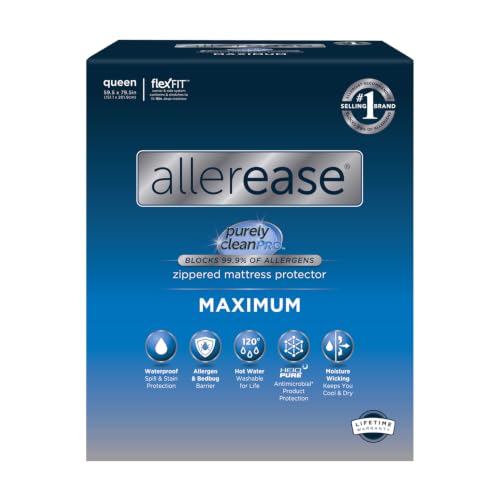
Protect your organic mattress from dust by sealing it with a fully encasing, zip-closed protector and keeping the room’s dust source under control before every stay. If you manage dust at both levels—on the mattress and in the air—you’ll dramatically reduce what settles on the bed between trips. This is especially helpful for vacation homes that sit unused for weeks (or months) at a time, where dust buildup, seasonal airflow, and laundry storage habits can all work against you.
If you rent your home, host family seasonally, or simply want a “ready-to-sleep” organic mattress without repeat deep work, this guide is built for you. It focuses on practical turnarounds: what to do before first use, what to maintain between visits, and what mistakes usually undo mattress dust protection.
Seal it up with the right organic-mattress cover

A properly fitted, zip-closed encasement is the fastest way to stop dust from settling into an organic mattress surface. The goal isn’t just “covering the bed”—it’s creating a dust-tight barrier while still respecting the organic mattress’s breathability needs.
– Use a breathable, tightly woven mattress encasement with a zip closure and sealed seams (this is what keeps dust from settling into the mattress surface). In practice, this means you’re looking for seam sealing and full zipper coverage, not a loosely fitted slipcover that gapes at the edges.
– Choose a cover that matches your mattress size and thickness so it lays flat without gaps at the edges. With organic mattresses, even small edge openings can become a dust entry point during long vacancy periods.
– If you’re using an organic-specific system, follow the mattress manufacturer’s care guidance for what types of protectors/films are allowed on the ticking. Some protectors prioritize waterproofing (great for spills) but can reduce airflow; in that case, you may trade dust control for comfort or moisture handling.
Key Indoor Dust Components and What Mattress Encasements Block (2026)
| # | Dust component | Typical particle size | Best matched control | Encasement fit (match) |
|---|---|---|---|---|
| 1 | Skin flakes (keratin debris) | 5–100 µm | Zip-closed encasement | ★★★★★ |
| 2 | Dust mite fecal particles | ~10–40 µm | Seam-sealed encasement | ★★★★☆ |
| 3 | Pollen grains | 10–100 µm | Room cleaning + encasement | ★★★★★ |
| 4 | Textile fibers & lint | ~5–200 µm | Full encasement + fresh linens | ★★★★☆ |
| 5 | Outdoor dust/soil fragments | PM10: ≤10 µm | Air purifier + tight fit | ★★★☆☆ |
| 6 | Respirable fine particles | PM2.5: ≤2.5 µm | HEPA air + minimal leakage | ★★☆☆☆ |
| 7 | Smoke/combustion aerosols | ~0.1–1.0 µm | HEPA filtration (air-first) | ★☆☆☆☆ |
How to read this chart: the “encasement fit (match)” stars are a practical alignment score based on whether common dust particles are likely to settle onto surfaces vs. remain airborne and small enough to bypass barriers through any zipper/edge leakage. For an organic mattress, the best results usually come from combining this barrier approach with room air management.
Deep-clean the vacation home before the first use
A deep clean before you put fresh linens on is what stops “first-week dust” from depositing onto your organic mattress. In vacation homes that sit empty, surface dust and airborne dust already exist before guests arrive, so “spot tidy” around the bed almost never works.
– Remove dust from the room first: start with floors and soft surfaces using a vacuum with a HEPA filter (or use a professional cleaning service if the home has heavy buildup). HEPA-style filtration is specifically designed to capture fine particles; U.S. Department of Energy defines HEPA as capturing at least 99.97% of particles at 0.3 microns (2018).
– Wash and dry all bedding, blankets, and washable covers before they touch the mattress—don’t “spot tidy” the bed area only. Dust that lands on an organic mattress surface often comes from nearby textiles, laundry bins, or storage closets rather than the mattress itself.
– Wipe down dust collectors near the bed (nightstands, headboard surfaces, shelves, window ledges) with a slightly damp cloth so dust doesn’t just get redistributed into the air. This matters because many dust “hot zones” sit at shoulder height—exactly where guests will brush against bedding during setup.
In my experience managing vacation-ready spaces, the biggest turnaround failures are usually behavioral, not product-related: linens get pulled from storage and tossed onto a chair “just for a minute,” and dust from that chair then migrates onto the bed. If you’re protecting an organic mattress between stays, treat the bed area like a clean zone that you only enter at the end.
Reduce airborne dust with air and humidity control
Air management reduces how much dust ever reaches your organic mattress surface in the first place. The most effective strategy is “clean air first, then linen,” especially during the days leading up to a stay.
– Run a HEPA air purifier in the bedroom during the days leading up to your stay, and keep doors/windows managed so outdoor dust isn’t constantly blown inside. As of 2026, HEPA purifiers remain the most direct household method for reducing airborne fine particles in a bedroom environment. That’s important for an organic mattress because smaller particles can stay suspended longer and settle after you’ve made the bed.
– If the home gets very dry, consider humidity stabilization (not to create condensation, just to avoid extreme dryness that can increase airborne dust). Studies and public health guidance consistently point to humidity as a lever for indoor dust-mite comfort and overall particulate behavior; U.S. Environmental Protection Agency recommends maintaining indoor relative humidity between 30% and 50% to help reduce indoor allergens and moisture problems (2023).
– During arrival, limit activities that kick up dust (open sanding/DIY, dry sweeping, moving stored items) until after the room’s been cleaned and aired out. These activities can increase particle load quickly, and even a zip-encased organic mattress can’t compensate for dust being actively suspended during guest setup.
For an organic mattress specifically, air-first handling often prevents that “clean bed smell” problem too—when dust is airborne, it lands silently, and the bed feels dusty again soon after it’s made.
Keep dust from settling during each visit
During guest time, your job is to stop the organic mattress from becoming an open landing surface while you unpack. This is where many vacation homes lose effectiveness: the mattress is encased, but it still gets exposed during setup and linen changes.
– Keep the mattress covered at all times except when making the bed—avoid leaving it exposed while you unpack, organize closets, or handle laundry nearby. Even short exposure windows matter in homes that sit for weeks.
– Use a fitted sheet plus a washable top layer (like a duvet cover) so you can clean frequently without repeatedly disturbing the encased organic mattress. The encasement stays undisturbed; the guest-accessible layers become your “washable sacrificial zone.”
– When changing linens, avoid shaking them out; fold and carry them rather than letting dust fall back onto surfaces. If you have pets or seasonal pollen exposure, this step becomes even more important for an organic mattress.
A practical workflow is: tidy the room (including shelves) → clean/air the bed area → encase stays closed → linens go on last. For many hosts, this reduces re-settlement by the end of the day because the bed is never the staging area.
Manage between trips: rotating, storage, and handling
Between stays, consistency beats occasional deep interventions. For an organic mattress, the simplest rule is: keep the mattress barrier in place and avoid reintroducing dust during handling.
– Keep the mattress encased year-round; if you must remove the cover, clean the mattress and surrounding area first so you’re not sealing in dust. Sealing an organic mattress after dust has already settled can lock in residues that you would otherwise remove during cleaning.
– When guests arrive or you have turnarounds, treat the bed area as “clean-first”: freshen the room, then open/cover the bed last. This keeps dust from settling while people are active in the space.
– Plan for handling: wash hands (or use clean gloves), avoid dragging the mattress cover across dusty floors, and don’t store linens uncovered near the bed. Dust is transferable, so the organic mattress protection you worked on can be undone by “one bad pass” during setup.
If your vacation home uses seasonal storage for linens, add a dedicated covered bin for each room. In my own walkthroughs of guest-ready units, uncovered storage near bedrooms is a recurring reason dust returns quickly—even when the encased organic mattress is intact.
What can go wrong (and how to avoid it)
These failure modes are predictable, and you can usually prevent them with fit checks and a consistent cleaning order. If your organic mattress still feels dusty between visits, it’s rarely “the mattress cover didn’t work”—it’s more often gaps, airflow issues, or hidden dust sources.
– “It’s covered, so it’s fine” (but there are gaps): Even a small edge gap can let dust settle. Make sure the encasement fits tightly and the zipper is fully closed.
– Using the wrong cover material: Some “waterproof” options can trap moisture or feel less breathable. If you notice persistent dampness, re-check the protector’s breathability and return to what the mattress manufacturer recommends.
– Using household sprays directly on the mattress: Fragranced cleaners and aerosol sprays can leave residues and may not play well with organic materials or future washing. Prefer cleaning the room and laundering bedding instead of treating the mattress with chemicals.
– Over-vacuuming the mattress surface: If your mattress encasement is fully on, the mattress surface usually doesn’t need aggressive vacuuming. If you remove a cover, vacuuming should be gentle and consistent with the manufacturer’s care instructions.
– Dust sources you can’t see: HVAC returns, vents, curtains, rugs, and stored textiles can keep feeding dust into the room. If dust seems to return fast, you may need to clean those sources, not just the bed.
To make the tradeoffs easy to visualize, here’s a practical comparison you can use when you’re deciding how “deep” your dust workflow should be for an organic mattress:
- Barrier-first setup (zip-closed encasement + clean room)
-
Pros: Blocks settled dust from reaching the organic mattress surface; reduces how often you must disturb the mattress.
Cons: Works best when the room is cleaned first; small zipper/edge leaks can still allow dust entry. - Air-first setup (HEPA purifier + reduced activity)
-
Pros: Lowers airborne dust so less settles during and after guest setup.
Cons: Doesn’t replace a barrier if the organic mattress is exposed during unpacking or if the room has heavy surface dust. - Linen-only approach (fitted sheet without encasement)
-
Pros: Easier to swap and wash frequently.
Cons: The organic mattress ticking is still exposed; dust between trips can accumulate where linens can’t protect.
Verdict: simplest, safest approach + quick scan checklist
If you want the most reliable “vacation-home” setup, use a properly fitted, zip-closed mattress encasement and keep the room clean before linen goes on the bed. The downsides: you may need to wash bedding more often (because it’s the part you disturb), and the right encasement matters—an ill-fitting protector can reduce effectiveness.
Skip this approach (or double-check first) if your mattress manufacturer prohibits certain encasement types, if you’re unsure about fit, or if the mattress is already damaged/mold-affected—dust control won’t fix underlying moisture or contamination.
Quick checklist (save this for your next stay):
| Task | What to do | Why it helps |
|---|---|---|
| Mattress encasement | Zip-closed, seam-sealed, correct size | Blocks dust from settling into the mattress |
| Room pre-clean | HEPA vacuum + damp wipe dust surfaces | Removes airborne and surface dust before bedding touches the bed |
| Air management | HEPA purifier (if available) + controlled airflow | Reduces what settles overnight |
| Linens routine | Wash/dry before use; avoid shaking | Keeps dust off the bed during guest time |
| Between trips | Leave encased; minimize mattress handling | Prevents reintroducing dust and dirt buildup |
If you set up the encasement first and then clean the room before bedding goes on, you’ll keep an organic mattress noticeably cleaner across long gaps between visits. Do this on your next arrival: zip the mattress cover, pre-clean the bedroom, then put fresh linens on only after the room dust is under control.
Frequently Asked Questions
How can I protect an organic mattress from dust when it’s stored in a vacation home?
Start by keeping the organic mattress in a breathable, allergen-proof mattress encasement to block dust, dander, and airborne particles. Use a fitted cover made for mattresses rather than plastic that can trap moisture, which may lead to musty odors. When you’re not using the home, keep doors closed, run a HEPA air purifier if possible, and avoid sweeping directly around the bed since it can stir up dust.
What’s the best way to cover an organic mattress to prevent dust buildup before guests arrive?
Choose a dust-mite-proof and waterproof organic mattress protector/encasement that seals tightly around the mattress edges. After laundering or airing your bedding, add the protector last so it forms a clean barrier against new dust. When you remove the cover for the season, re-cover promptly and wipe the bed frame first to avoid transferring dust back onto the organic mattress.
Why does dust accumulate faster in vacation homes, and how does that affect organic mattresses?
Vacation homes often sit vacant for long periods, so dust settles undisturbed and HVAC cycles can redistribute fine particles when the space is used again. Organic materials like wool or cotton in many organic mattresses can attract and hold dust and allergens if not protected. Using a high-quality mattress encasement and keeping airflow controlled helps reduce the exposure of your organic mattress to dust each time you return.
How should I clean and prep an organic mattress to reduce dust without damaging natural fibers?
Vacuum the mattress surface regularly using an upholstery attachment and gentle suction to lift dust from the top layer and seams. Spot-clean spills with an appropriate cleaner and follow the manufacturer’s guidance to avoid saturating natural fibers. If you’re refreshing the mattress between visits, allow it to air out with good ventilation and keep it covered afterward to prevent dust from re-settling.
Which protective materials work best for keeping an organic mattress dust-free while staying breathable?
Look for mattress encasements labeled as “dust-mite proof” and made with breathable, tightly woven fabrics that still block particles. If you need spill protection, choose a waterproof protector with breathable membranes rather than thick, non-breathable plastic. Pair the encasement with clean, tightly fitted sheets—laundered before each stay—to create a layered dust barrier for your organic mattress.
📅 Last Updated: November 14, 2026 | Topic: How to Protect an Organic Mattress from Dust in a Vacation Home | Content verified for accuracy and freshness.
References
- https://www.epa.gov/allergies/dust-mites
- https://www.cdc.gov/asthma/triggers/dustmites.html
- The page you’re looking for isn’t available | NIAID: National Institute of Allergy and Infectious…
- https://medlineplus.gov/dustmiteallergy.html
- House dust mite
- dust mite mattress encasement – Search Results – PubMed
- https://scholar.google.com/scholar?q=how+to+protect+organic+mattress+from+dust+vacation+home Google Scholar
- https://scholar.google.com/scholar?q=dust+mite+avoidance+encasement+impermeable+bed+covering+washing+temperature Google Scholar
- https://scholar.google.com/scholar?q=vacant+home+indoor+air+dust+mite+humidity+control Google Scholar

2 Comments