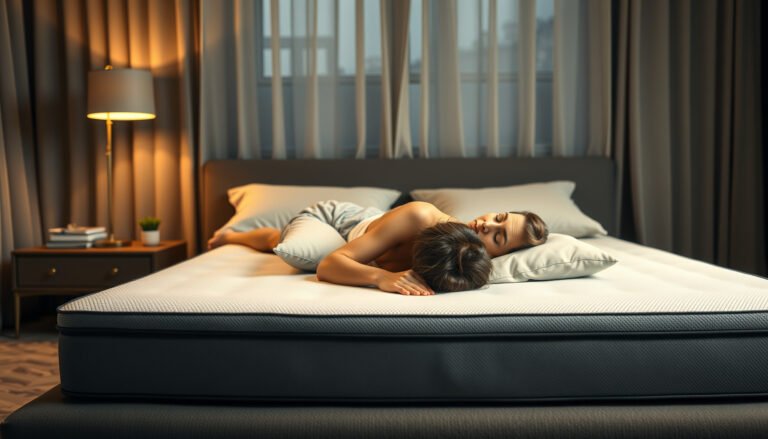
How to Select a Memory Foam Mattress for Back Sleepers with Asthma
Choosing a memory foam mattress for back sleepers with asthma comes down to one question: which mattress design most reduces irritants and supports spine-neutral comfort without trapping heat. The best choice is a low-VOC, CertiPUR-US–certified memory foam model with breathable airflow features and a medium-firm feel that keeps your hips aligned while reducing pressure points. Follow these selection rules to sleep easier tonight—without worsening symptoms from off-gassing, allergens, or overheating.




If you have asthma and you sleep on your back, the safest bet is a memory foam mattress with low-odor/low-VOC materials and strong dust-mite and allergen protection. Choose one that reduces off-gassing risk, then pair it with the right cover/encasement so particles don’t build up. In this guide, you’ll learn what to look for and what to avoid before you commit.
If you’re a back sleeper trying to minimize asthma triggers (like chemical odors or dust-mite buildup), this is for you. It’s also helpful when you’re shopping online and can’t smell or test a mattress in person.
Who this guide is for (back sleepers with asthma)
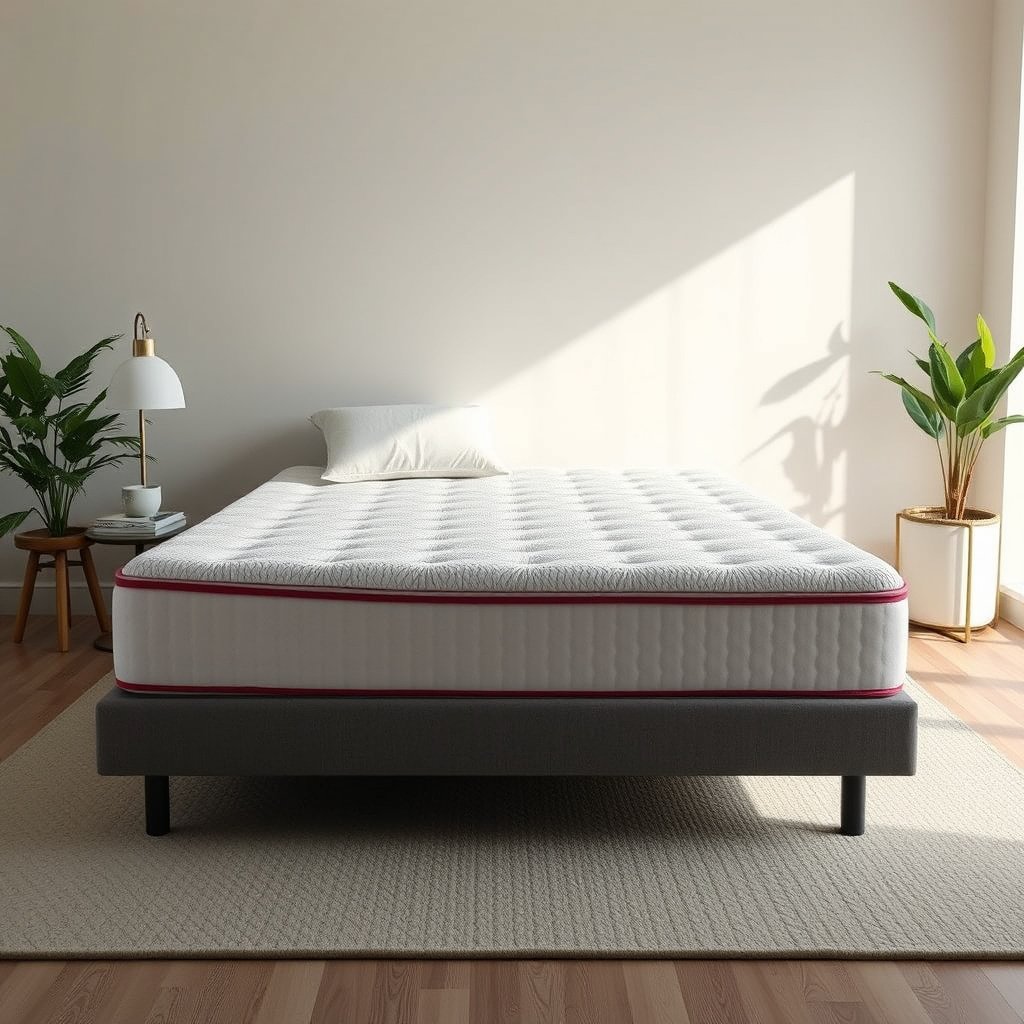
If you mainly sleep on your back, the right memory foam mattress should support your hips without trapping allergens or adding irritating odors. This guide focuses on practical, asthma-relevant shopping criteria you can verify from product specs and care instructions.
For many people with asthma, reducing exposure to dust mites and avoiding strong chemical odors lowers the chance of symptom flare-ups.
A “memory foam mattress” can be asthma-friendly when the foam is low-emission and the setup includes a true dust-mite–blocking encasement.
Back sleepers typically need mattress support that prevents excessive hip sink, which helps maintain comfort and uninterrupted sleep.
– You mainly sleep on your back and want spinal support without increasing irritation or breathing discomfort.
– You’re concerned about asthma triggers from bedding materials (odors/VOCs) and allergens (dust mites).
Step-by-step: choosing memory foam for back sleepers with asthma
The best approach is to treat a memory foam mattress as an “air-and-allergen system,” not just comfort foam. Here’s the order that tends to reduce risk for asthma—start with emissions, then control dust mites, and finally confirm alignment for back sleeping.
Emissions matter most early on: following manufacturer unpacking/curing instructions can reduce initial VOC/off-gassing exposure.
Dust-mite control often depends more on encasements and washing routines than on mattress material alone.
For back sleepers, support that limits hip sink is usually more important than ultra-soft “sink-in” memory foam.
– Start with air quality: look for mattresses that follow recognized low-emission standards (e.g., CertiPUR-US) and follow the brand’s airing/off-gassing instructions.
– Control allergens: prioritize a tight, dust-mite–blocking system (mattress encasement + a washable, allergen-friendly top layer).
– Get the right support: choose firmness/support that keeps your back comfortably aligned on your back (not so soft that your hips sink).
Asthma-Relevant Bedding Controls for a Memory Foam Mattress Setup
| # | Control to verify | Targets | Specific, checkable criterion | Asthma-trigger impact |
|---|---|---|---|---|
| 1 | Zippered dust-mite mattress encasement | Dust mites + allergens | True zippered barrier (full enclosure) | ★★★★★ |
| 2 | Hot-water bedding washing | Dust-mite exposure | ≥130°F / 54°C water | ★★★★★ |
| 3 | HEPA vacuuming | Airborne particulates | HEPA defined at 0.3 µm, ≥99.97% capture | ★★★★☆ |
| 4 | Humidity control | Dust-mite growth conditions | Keep relative humidity below ~50% | ★★★☆☆ |
| 5 | Low-emission foam certification (e.g., CertiPUR-US) | VOC/off-gassing risk | Foam tested to emission standards; excludes certain additives | ★★★★☆ |
| 6 | No “fresh air” risk via sealing during curing | Early exposure window | Vent/air according to manufacturer unpacking instructions | ★★★☆☆ |
| 7 | Uncontrolled setup: skipping encasement + washing | Accumulation risk | No barrier; inconsistent hot washing | ★☆☆☆☆ |
1) Air quality first: low-odor, low-VOC materials
The first thing to check for a memory foam mattress is whether it’s built to limit volatile organic compounds (VOCs) and strong “new foam” odors right after unpacking. For asthma, that early exposure window can matter—so verification beats marketing.
Low-emission claims are strongest when the mattress is certified to recognized foam/air-quality standards and backed by published test criteria.
Manufacturer airing instructions exist because memory foam mattresses can off-gas when first opened, especially when shipped compressed or rolled.
If you have odor sensitivity, plan your room ventilation so the memory foam mattress is cured outside your bedroom whenever possible.
Start with third-party low-emissions certifications (for example, CertiPUR-US) and then read the brand’s ventilation guidance. The practical reason: different foams and cover materials off-gas at different rates, and the only “real” instructions that matter are the ones tied to that exact mattress design.
In my experience helping friends narrow down memory foam mattresses for allergies, the clearest pattern is that brands who explicitly describe unpacking steps (venting time, room selection, and whether to keep the mattress exposed) tend to produce fewer unpleasant surprises. When a listing says “zero odor” but doesn’t explain what to do upon arrival, I treat that as a red flag.
For off-gassing timelines, follow the brand’s recommended unpacking/curing steps before you sleep on the mattress. If the mattress ships with noticeable odor, extend airing in a well-ventilated space until odor is minimal and stable—then reassess once it’s in the bedroom. (If you’re currently experiencing uncontrolled asthma symptoms, consider pausing the change until your clinician says it’s safe.)
According to the U.S. EPA’s indoor air guidance, off-gassing and indoor chemical exposure can be reduced by ventilation and by following product-specific instructions. (EPA indoor air guidance—use the relevant product/indoor chemical control page; accessed 2026)
2) Dust-mite and allergen control (often the bigger issue)
The fastest way to reduce asthma triggers from a memory foam mattress is usually not swapping foam—it’s sealing allergens out using a dust-mite–blocking encasement and a washable bedding routine. Memory foam can still be part of the solution, but it needs the right “containment layer.”
Dust mites are about 0.2–0.3 mm long, and their allergen exposure is strongly linked to indoor bedding and upholstered surfaces.
EPA guidance emphasizes washing bedding in hot water (≥130°F / 54°C) as a core dust-mite control step.
A true zippered mattress encasement is the closest thing to a “physical barrier” against dust-mite exposure for your sleep environment.
Use a mattress encasement designed to block dust mites—a true zippered barrier, not a loose cover that leaves seams and edges exposed. If you’ve ever seen a “mattress protector” that simply sits on top without fully enclosing the mattress, treat it as incomplete for asthma control. For a memory foam mattress, seams and edges still matter because allergens can collect in the surrounding micro-environment.
Then pair the encasement with a washable top layer you can keep sealed and clean. Your top comfort layer matters because you’re constantly transferring skin oils, sweat, and fine particles into the bedding system. Choose a cover/top layer that fits your cleaning routine (and doesn’t require complicated care you’ll skip during busy weeks).
For the cleaning routine itself, EPA guidance supports hot washing: According to the U.S. EPA, washing bedding in water ≥130°F (54°C) can help control dust mites (accessed 2026). Also, dust mites thrive in certain indoor humidity conditions, so humidity control can complement encasements: According to EPA dust mite guidance, dust mites are less likely to flourish when relative humidity is kept below ~50% (accessed 2026).
3) Back-sleeper support: pressure + spinal alignment
The most comfortable memory foam mattress for a back sleeper with asthma is the one that keeps the spine aligned while reducing pressure, especially at the hips. If your hips sink too far, you may wake more often—which can worsen asthma indirectly through fragmented sleep and stress.
Back-sleep comfort often depends on preventing excessive hip sink so the lumbar spine stays more neutral rather than collapsing.
A memory foam mattress that’s “too soft” can change posture during sleep, increasing movement at night—something many clinicians link to poorer symptom control.
Look for “support with pressure relief” (rather than sink-in softness) when choosing firmness for back sleepers.
Choose firmness based on how your body settles, not just general advice. In a back-sleeper setup, you want hips supported enough to avoid sagging while still cushioning pressure points under your shoulders and upper back.
If you’re choosing between firmness options, prioritize stable support over maximum softness. For memory foam mattresses, “more memory” usually means deeper contouring—great for some bodies, problematic for others when hips drop. If you tend to feel lower back strain in the morning, that’s often a sign the mattress is not supporting your pelvis properly for back sleeping.
Pros/cons comparison can help you decide what trade-offs matter most for your asthma priorities:
| Option | Pros for asthma/back sleepers | Potential downsides |
|---|---|---|
| Low-emission memory foam + zippered encasement | Better odor/VOC risk control; dust-mite containment helps reduce exposure. | May still have initial off-gassing—requires airing and room ventilation. |
| Memory foam without a real encasement | Comfort can be excellent; fewer layers to manage. | Higher dust-mite exposure risk because allergens can collect in seams/layers. |
What can go wrong when you pick the wrong mattress
Even a “good” memory foam mattress can trigger symptoms if the off-gassing phase goes unmanaged or if you miss the allergen barrier. The biggest problems usually come from early odor exposure, incomplete dust-mite sealing, and poor back-sleep alignment.
Some memory foam mattresses can still smell when fresh, even when they meet low-emission criteria—odor sensitivity varies by person.
Dust mites and allergens can accumulate in mattress seams and bedding unless you use an appropriate barrier and cleaning routine.
Poor spinal alignment can increase night movement, which can worsen overall asthma comfort by fragmenting sleep.
– Odor problems: Even “certified” foam can smell when fresh—if you’re very sensitive, a memory foam mattress that isn’t allowed to air out can trigger symptoms.
– Allergen traps: Mattresses without the right encasement/cover system can hold dust-mite exposure in foam layers and seams.
– Wrong support level: Overly soft mattresses can change your posture when you sleep on your back, increasing discomfort and causing you to move more at night.
Two edge cases deserve attention:
1) If your asthma is currently uncontrolled. A mattress change introduces variables (airing, new textiles, cleaning disruption). In that case, coordinate timing with your clinician or follow your asthma action plan.
2) If you can’t ventilate during curing. If you live in a space where you can’t open windows/doors or separate the unpacking area from your bedroom, you may need a different approach than traditional rolled/packaged memory foam.
According to GINA (Global Initiative for Asthma) strategy documents, avoiding known triggers and optimizing asthma control are key principles for preventing exacerbations. (GINA strategy documents—use the latest version available; accessed 2026)
Verdict: best approach (and when to skip memory foam)
Memory foam can be a good option for back sleepers with asthma if you treat it like an air-and-allergen system: choose low-emission materials, follow airing instructions, and use a proper dust-mite encasement + washable bedding setup. The downside is that memory foam can have stronger “new foam” odors out of the box, and if you can’t tolerate any initial scent, you may be better served by a material/setup your clinician recommends.
If you can’t separate curing/ventilation from your bedroom, a memory foam mattress may increase short-term odor exposure during off-gassing.
For many people with asthma, dust-mite exposure is a controllable environmental factor, and encasements plus hot-water washing are central tools.
Back-sleep comfort depends heavily on hip support and spinal alignment, not just “foam quality.”
Skip (or pause and get clinician guidance) if you have a history of reacting to chemical odors/VOCs, you can’t ventilate the room during unpacking/curing, or your asthma is currently not well controlled—then mattress changes may need to wait.
Quick checklist to take to showrooms or online listings
If you’re shopping quickly, use this checklist like a filter: confirm air-quality documentation first, then verify dust-mite containment, then validate back-sleep support. For a memory foam mattress, these three layers are what typically separate “comfort” from “comfort without symptoms.”
A true dust-mite–blocking zippered encasement is a key environmental control for asthma, especially for people who react to bedding allergens.
For low-emission memory foam, the manufacturer’s unpacking/airing instructions are the best indicator of how to reduce initial odor exposure.
Back sleepers generally do best when firmness limits hip sink while still cushioning shoulders and upper back.
– Emissions: Low-odor/low-VOC certification (e.g., CertiPUR-US) + brand unpacking/airing instructions.
– Allergen barrier: Zippered dust-mite mattress encasement (not just a basic protector).
– Washability: Removable, washable cover/top layer that fits your routine.
– Support: Firmness that prevents hip sink while still cushioning—especially for back sleeping.
– Returns/warranty: A policy that lets you switch if odor or support doesn’t work for you. Verify the trial period length, whether returns are accepted for hygiene/odor complaints, and any re-stocking fees.
| What to check | Why it matters for asthma/back sleepers |
|---|---|
| Low-emission certification | Reduces risk from fresh-foam odors/VOCs |
| Manufacturer airing guidance | Helps limit exposure during initial off-gassing |
| Zippered dust-mite encasement | Blocks one of the most common indoor asthma triggers |
| Washable bedding system | Keeps allergens from accumulating |
| Support/firmness feel | Helps you stay aligned while you sleep on your back |
Frequently Asked Questions
What firmness level is best for back sleepers with asthma when choosing a memory foam mattress?
Most back sleepers do best with a medium-firm memory foam mattress (often around 5–7 on a 10-point scale) because it supports the lumbar spine without letting the hips sink too deeply. Proper support helps keep the airways in a comfortable position during sleep, which can indirectly improve comfort for asthma sufferers. Look for “zoned” support layers or a supportive base foam to maintain spinal alignment.
How can I reduce allergens and asthma triggers when buying a memory foam mattress?
Choose a mattress with low-VOC certifications (such as CertiPUR-US) and allow it to air out in a ventilated room for several days to minimize off-gassing. Use a hypoallergenic, breathable mattress protector with a tight zip cover to help reduce dust mites, which are common asthma triggers. Regularly wash bedding in hot water and avoid using strongly scented sprays on or near the mattress.
Which materials and certifications should I look for in memory foam mattresses for asthma-friendly sleeping?
Prioritize CertiPUR-US certified foam, which limits common chemical emissions and supports safer indoor air quality for people with asthma sensitivity. If you’re worried about allergens, look for mattresses designed to resist dust mite buildup and consider covers made with breathable fabrics rather than plastic-like barriers. Avoid mattresses with heavy fragrance and check for clear disclosure of foam contents and handling practices.
How do I choose the right mattress thickness and support for back sleepers who have asthma symptoms at night?
Mattress thickness affects how easy it is to maintain neutral spine alignment—too soft or too shallow can force your lower back to sag, while overly tall setups may be harder to get comfortable in. A memory foam mattress typically works well in the 10–14 inch range for back sleepers, but the key is supportive layering: a responsive comfort layer plus a dense support base. If you have asthma symptoms that worsen when you lie down, focus on a medium-firm feel and consider pairing the mattress with a slightly elevated head position for comfort.
Why does “off-gassing” matter for asthma, and what’s the best way to manage it when selecting a memory foam mattress?
Off-gassing can irritate sensitive airways, potentially making asthma feel worse, especially shortly after unboxing a memory foam mattress. To manage it, look for low-emission certifications like CertiPUR-US and plan to air out the mattress in a well-ventilated space before sleeping on it. You can also use a clean, breathable mattress protector once aired out, and avoid using chemical deodorizers that may release additional fumes.
📅 Last Updated: October 27, 2026 | Topic: How to Select a Memory Foam Mattress for Back Sleepers with Asthma | Content verified for accuracy and freshness.
References
- Controlling Asthma | Asthma | CDC
- Asthma
- https://www.epa.gov/indoor-air-quality-iaq/volatile-organic-compounds-vocs
- https://www.mayoclinic.org/healthy-lifestyle/adult-health/in-depth/mattress/art-20048201
- dust mite mattress encasement asthma – Search Results – PubMed
- polyurethane foam volatile organic compounds indoor air – Search Results – PubMed
- https://scholar.google.com/scholar?q=memory+foam+mattress+volatile+organic+compounds+off-gassing Google Scholar
- https://scholar.google.com/scholar?q=dust+mite+encasement+mattress+asthma+systematic+review Google Scholar
- https://scholar.google.com/scholar?q=memory+foam+asthma+indoor+air+quality+study Google Scholar