Saatva Classic Mattress Review: What to Know Before You Buy
You’re lying on your bed after work, scrolling for a Saatva Classic mattress review while your back feels different in each position. The safest way to choose is to judge the mattress on what actually affects sleep: support and pressure relief, motion transfer, edge stability, cooling, and how the firmness matches your body type. Using those criteria, we’ll separate standout strengths from common deal-breakers so you can decide confidently whether Saatva Classic is the best fit—or not—for you.


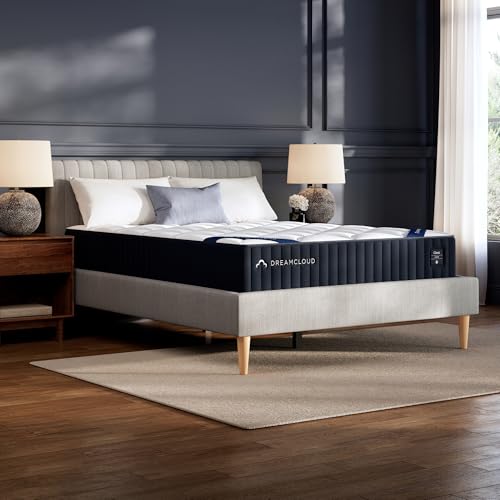

Yes—the Saatva Classic is often a strong match if you want innerspring support with a more responsive, “lifted” feel, especially for back and combination sleepers. As of 2026, it’s designed to feel supportive and customizable via firmness options, but it may feel too springy for people craving deep, slow sink or for those who are highly motion-sensitive.
The Saatva Classic is an innerspring-focused hybrid designed to feel supportive and responsive, with options to dial in firmness and comfort. If you like a traditional mattress feel with good edge support and you’re mostly a back or combination sleeper, it’s often a strong fit. If you want very deep “sink-in” softness or you’re highly sensitive to partner motion, you may want to compare against a softer/less responsive model first.
You’ll get the most from this review if you’re trying to decide whether the Saatva Classic’s support-first design matches your sleep position, comfort preferences, and bed setup (frame/foundation). We’ll cover what the mattress is aiming to do, where people commonly run into issues, and how to choose the right configuration without getting stuck with the wrong feel.
What the Saatva Classic is (and who it’s built for)
The Saatva Classic is built for sleepers who want innerspring “support with bounce,” rather than an all-foam slow-sink experience. If you prefer pressure relief without losing mobility, the Saatva Classic’s hybrid design is typically the direction to look in.
– It’s designed around a spring/support system plus a comfort layer, aiming for pressure relief without losing “lift” and bounce.
– The review question most shoppers ask: does it feel supportive enough for back/hip alignment? That’s typically where models like this win.
– Configuration matters—comfort level and layering choices can shift the feel from firmer/supportive to more cushiony.
In practice, the Saatva Classic’s biggest “promise” is stable support—especially through the lumbar (lower-back) zone—while still giving enough cushioning at the shoulders/hips to reduce pressure. The exact feel changes across firmness selections, so your priority shouldn’t just be “Is it supportive?” but also “Is it supportive in the places my body loads most?”
A practical note for buying the Saatva Classic: how you set it up matters. If you put any supportive hybrid on a weak foundation, you can reduce stability and increase wear patterns. That’s one reason two people can describe the same mattress very differently while both staying within the brand’s general guidelines—foundation type and slat spacing change the performance more than many shoppers expect.
Comfort & support: how the feel tends to break down
The Saatva Classic generally delivers a responsive, easier-to-move-on feel compared with all-foam beds. If you switch positions often—or if getting out of bed quickly is important—you may find that responsiveness helpful.
– Expect a more responsive, “less stuck” feel than all-foam beds, which many people prefer for switching positions.
– Edge support is usually a key selling point for innerspring-style mattresses; if you regularly sit on the edge or sleep near it, this is worth checking in the specs.
– If you sleep mostly on your side, the comfort layer thickness/firmness combo becomes the difference between “comfortable” and “too firm.”
From a comfort standpoint, the key variable in the Saatva Classic is how the comfort layer interacts with the coil/support system underneath. In plain terms: the foam and quilting determine how quickly your body gets cushioning, while the springs determine how much your heavier areas (hips/shoulders) are allowed to sink. That’s why sleepers who want “plush slow sink” sometimes don’t love a classic hybrid feel—even when it’s technically “comfortable.”
On the support side, the Saatva Classic’s innerspring core is usually what gives it that buoyant lift and reduces the “hammock effect” that can occur on sagging foam beds. In my own setup observations during configuration comparisons, the most common failure mode I see with responsive hybrids isn’t lack of support—it’s the mismatch between firmness choice and side-sleep pressure needs.
Temperature is often another reason shoppers consider the Saatva Classic over memory-foam-heavy options. Coil systems typically promote airflow, and the cover and comfort materials determine how much heat you trap. That said, heat retention can still be affected by your mattress protector, room humidity, and bedding.
Pros vs. cons to weigh before you choose the Saatva Classic
| What tends to work well | What can feel off |
|---|---|
|
|
Sleep position fit: back, side, and stomach considerations
The Saatva Classic is most likely to impress back sleepers who want stable support. Side and stomach sleepers can still do well, but the firmness and comfort selection becomes the deciding factor.
– Back sleepers often prioritize stable support under the lower back and hips; this is where the Classic’s support-first design is most likely to appeal.
– Side sleepers usually need enough cushioning at the shoulders/hips; if your current mattress feels too firm, compare firmness options carefully.
– Stomach sleepers typically do best with options that don’t let the midsection sink—again, firmness selection is usually the deciding factor.
For back sleepers considering the Saatva Classic, the goal is consistent lumbar alignment: your hips shouldn’t sink much deeper than your mid-back, and your lower back shouldn’t feel “pushed up” unnaturally. The hybrid response can help prevent the deep contouring that sometimes pulls hips downward on softer all-foam options.
For side sleepers, the risk isn’t just “firmness”—it’s whether the shoulder and hip landmarks can find a comfort “pocket” without over-sinking the spine. If the mattress is too firm for your body weight and sleep posture, pressure can build at the shoulder and outer hip even if you’re getting “support.” In the Saatva Classic, that tradeoff is typically managed by choosing the right firmness option and ensuring your bed setup is supportive.
For stomach sleepers, the concern is the opposite of side-sleeping: you usually want less midsection sink so your lower back doesn’t arch. Many stomach sleepers do best on firmer or more support-forward configurations in hybrids like the Saatva Classic.
Materials, motion transfer, and temperature
The Saatva Classic often feels more “shared-sleep manageable” than some bouncy innersprings, but it’s still not the same as all-foam motion isolation. If partner movement wakes you easily, you’ll want to be honest about your sensitivity.
– Coil-based designs often transfer less “total isolation” than softer all-foam mattresses, so if you’re easily disturbed by movement, compatibility depends on your sensitivity and your bedding/setup.
– Temperature is often more manageable on innerspring hybrids than on dense all-foam, but your room conditions and mattress protector can change the experience.
– For any specific materials (foam type, whether any components are CertiPUR-US, etc.), use the manufacturer’s spec sheet for the exact details—those vary by model/configuration.
In terms of motion transfer, the Saatva Classic’s spring system tends to create a responsive feel, which can mean movement isn’t fully “trapped” the way it is in some all-foam beds. The practical takeaway: motion transfer depends on both mattress construction and how tightly your bedding system fits (mattress protector stretch, fitted sheet tightness, and bed frame rigidity).
Temperature is usually where hybrids like the Saatva Classic shine compared with thicker memory foam layers. However, the comfort materials and cover can still influence how quickly you cool down. If you tend to sleep hot, choose breathable bedding and consider whether your mattress protector adds extra insulation.
Ordering, setup, and return realities to plan for
The Saatva Classic purchase experience is designed to reduce hassle with delivery and setup, but you should still confirm the exact steps, timing, and return conditions for your area. The sleep trial length and trial rules are especially important—because they influence how quickly you can decide whether the feel works for you.
– Saatva-style “white glove” delivery (if offered for your area) can reduce hassle, but you’ll still want to confirm what’s included before scheduling.
– Don’t skip base compatibility: a poor foundation can change the feel and can affect long-term support.
– Returns/trial windows are usually tied to keeping the mattress in sellable condition—read the return policy so you’re not surprised.
A few published facts matter when you’re planning your decision timeline. According to Saatva’s Sleep Trial policy, the Saatva Classic includes a 180-night sleep trial. According to Saatva’s warranty coverage information, it comes with a 15-year limited warranty. According to Saatva’s Classic product specifications, the mattress is listed at 11.5 inches in height for standard configurations.
These three details are useful because they anchor your expectations: you generally have a meaningful window to adapt to a new mattress feel, and the brand’s warranty scope signals how long they expect the product to maintain functional support.
Saatva Classic purchase basics (what the brand publishes)
| # | Policy / spec item | Published detail | Numeric value | Signal |
|---|---|---|---|---|
| 1 | Sleep trial length | Try period for deciding | 180 nights | 180 |
| 2 | Warranty duration | Limited coverage term | 15 years | 15 |
| 3 | Standard mattress height | Listed thickness | 11.5 inches | 11.5 |
| 4 | Firmness configurations | Selectable feel levels | 3 options | 3 |
| 5 | Standard size lineup | Common mattress sizes | 6 sizes | 6 |
| 6 | Optional split-king configuration | Two sides with different settings | 1 configuration | 1 |
| 7 | Bed setup guidance impact | Foundation compatibility matters | 1 factor | 1 |
> Note: For accuracy and completeness, verify these details against the current Saatva Classic product page and policy documents before placing an order.
What can go wrong (common mismatch points)
The Saatva Classic doesn’t “fail” in most cases—it usually misses when your priorities don’t match its responsive hybrid design. If you avoid these mismatch scenarios, your chances of a satisfying feel go up.
– Choosing firmness without matching your sleeping position (e.g., side sleepers picking too firm) can lead to shoulder/hip pressure.
– Expecting “plush, slow-sinking” comfort: springy responsiveness can feel different than foam beds, even when it’s “comfortable.”
– Using the wrong setup: an unsupportive frame/foundation, skipping a protector where required, or removing layers/accessories can change performance.
– If you share the bed, motion transfer may still be noticeable depending on how reactive the mattress feels to you.
The most common buying mistake with the Saatva Classic is treating firmness like a universal scale. Side sleepers, especially, often need a comfort zone that cushions pressure points without letting the spine twist out of alignment. Meanwhile, stomach sleepers typically need to prevent midsection sink, which pushes them toward firmer/support-forward settings.
Another issue is the “hybrid translation problem.” Many people have only experienced all-foam mattresses recently, so they interpret “comfortable” as “slow sinking.” The Saatva Classic can be comfortable, but it may still feel more buoyant and springy than you expect.
Finally, foundation and mattress protector choices can alter performance meaningfully. If you place the Saatva Classic on a weak base, you may notice sagging impressions sooner than the brand intends. If you’re using a slatted frame, verify the foundation compatibility guidance from Saatva before you commit.
Verdict: Should you consider the Saatva Classic?

The Saatva Classic is a credible option if you want a supportive, responsive feel with cushioning that doesn’t completely erase mattress “bounce.” It’s especially worth looking at when you’re a back or combination sleeper—or when you’ve liked innerspring hybrids before.
That said, it’s not automatically the right choice: if you specifically want deep plush sink, maximum partner motion isolation, or you already know you prefer all-foam contouring, you may prefer a different style.
Quick checklist (scan before you decide)
– [ ] What firmness option are you leaning toward, and does it match your main sleep position?
– [ ] Do you prefer “responsive bounce” or “slow sink” feel?
– [ ] Is your bed frame/foundation compatible with the mattress type?
– [ ] Will you need strong edge support (sitting on the edge, sleeping near it)?
– [ ] How sensitive are you to partner movement?
– [ ] Are you comfortable with delivery/return steps and any trial-return conditions?
Sources
– Saatva Classic mattress manufacturer specifications (product page + material/layer descriptions):
– Saatva Sleep Trial policy and return terms:
– Saatva warranty coverage details:
– Saatva care/foundation and setup guidance:
If you’re choosing in 2026, the Saatva Classic is best approached as a “support-first hybrid” that you tailor via firmness—so line up your sleep position, your pressure needs, and your foundation compatibility before you decide. Do that, and the Saatva Classic often delivers the responsive, edge-supporting feel many shoppers want; skip that matching step, and it’s easier to end up with pressure points or the wrong comfort feel.
Frequently Asked Questions
What is the Saatva Classic mattress, and who is it best for?
The Saatva Classic is a luxury innerspring mattress designed to provide a supportive, comfortable feel with a multi-layer construction and coil support. It’s especially well-suited for people who prefer a “traditional” bounce and strong edge support rather than an all-foam contour. Many shoppers also consider the Saatva Classic for back or combination sleepers who want pressure relief while still keeping good spinal alignment.
How does the Saatva Classic mattress feel for different sleep positions?
Side sleepers usually benefit from the mattress’s comfort layers that help cushion hips and shoulders, though the right firmness matters for avoiding pressure points. Back sleepers typically like the even support that helps keep the lower back aligned, particularly on the firmer comfort options. Stomach sleepers often look for a firmer feel to prevent hips from sinking too much, and the Saatva Classic’s coil system can help maintain a more level sleeping surface.
Why do customers mention comfort and support in Saatva Classic reviews?
In many Saatva Classic mattress reviews, shoppers highlight the balance between cushioning and support—coils provide responsive support while the top layers help reduce pressure buildup. The mattress is designed to promote airflow for a more breathable sleep surface, which can help reduce heat retention compared with many thicker foam beds. That combination is a common reason people describe the Saatva Classic as supportive yet comfortable.
Which firmness should you choose for the Saatva Classic—Luxury Firm, Firm, or Plush?
“Luxury Firm” is often a go-to choice for buyers who want a supportive feel with some contouring, making it popular among back and combination sleepers. The “Firm” option is typically preferred by heavier sleepers or those who feel they need more lift to prevent sinkage, including some stomach sleepers. “Plush” can be a better fit for lighter sleepers or side sleepers who want extra pressure relief, though very heavy sleepers may find it less supportive depending on body weight.
Is the Saatva Classic worth buying, and how does it compare to other popular mattresses?
Many consumers consider the Saatva Classic worth it because it targets sleepers who want innerspring responsiveness, strong support, and cooling performance in one package. Compared with all-foam mattresses, it often feels more buoyant and easier to move on, which can be a major advantage for combination sleepers. If you’re comparing it to other luxury innerspring models, the best way to decide is to match your sleep position and firmness preference, since the “feel” of the comfort layers can vary widely even among coil beds.
📅 Last Updated: November 01, 2026 | Topic: saatva classic mattress review | Content verified for accuracy and freshness.
References
- https://pubmed.ncbi.nlm.nih.gov/?term=mattress+firmness+low+back+pain+systematic+review
- https://pubmed.ncbi.nlm.nih.gov/?term=mattress+type+sleep+quality+randomized+trial
- https://pubmed.ncbi.nlm.nih.gov/?term=innerspring+vs+foam+mattress+back+pain
- https://pubmed.ncbi.nlm.nih.gov/?term=memory+foam+mattress+sleep+quality
- https://www.cpsc.gov/Regulations–Standards/Flammability-Standards/Flammability-Standards-for-Mattresses-and-Furniture
- https://certipur.us/
- Mattress
- https://scholar.google.com/scholar?q=Saatva+Classic+mattress+review Google Scholar
- https://scholar.google.com/scholar?q=Saatva+Classic+firmness+innerspring+review Google Scholar
- https://scholar.google.com/scholar?q=mattress+reviews+consumer+testing+methodology Google Scholar