How to Clean a Memory Foam Mattress with Wine Spills: Step-by-Step
If wine has spilled on your memory foam mattress, you need a proven way to clean it without soaking or damaging the foam. This step-by-step method shows exactly what to do—from blotting and deodorizing to getting lingering stains out fast—so the mattress smells fresh and stays comfortable. Follow these instructions and you’ll know the fastest, safest path to a clean surface with minimal risk of odors or permanent discoloration.




Blot the wine spill immediately, then clean with a mild soap-and-water solution applied sparingly—never soak the foam—and finish by drying thoroughly with airflow. For memory foam, the goal is to lift and neutralize the stain on the surface while preventing moisture from sinking deep into the mattress. This guide shows what to do first, what to use, and how to dry safely so the foam doesn’t stay damp or smell.
If your mattress topper or mattress is memory foam (or memory foam–topped) and you’ve had red or white wine spill onto it, this is for you. It’s especially useful if you’re worried about lingering discoloration, odor, or “ring” marks that can develop when foam holds moisture.
Step 1: Act fast and protect the mattress surface
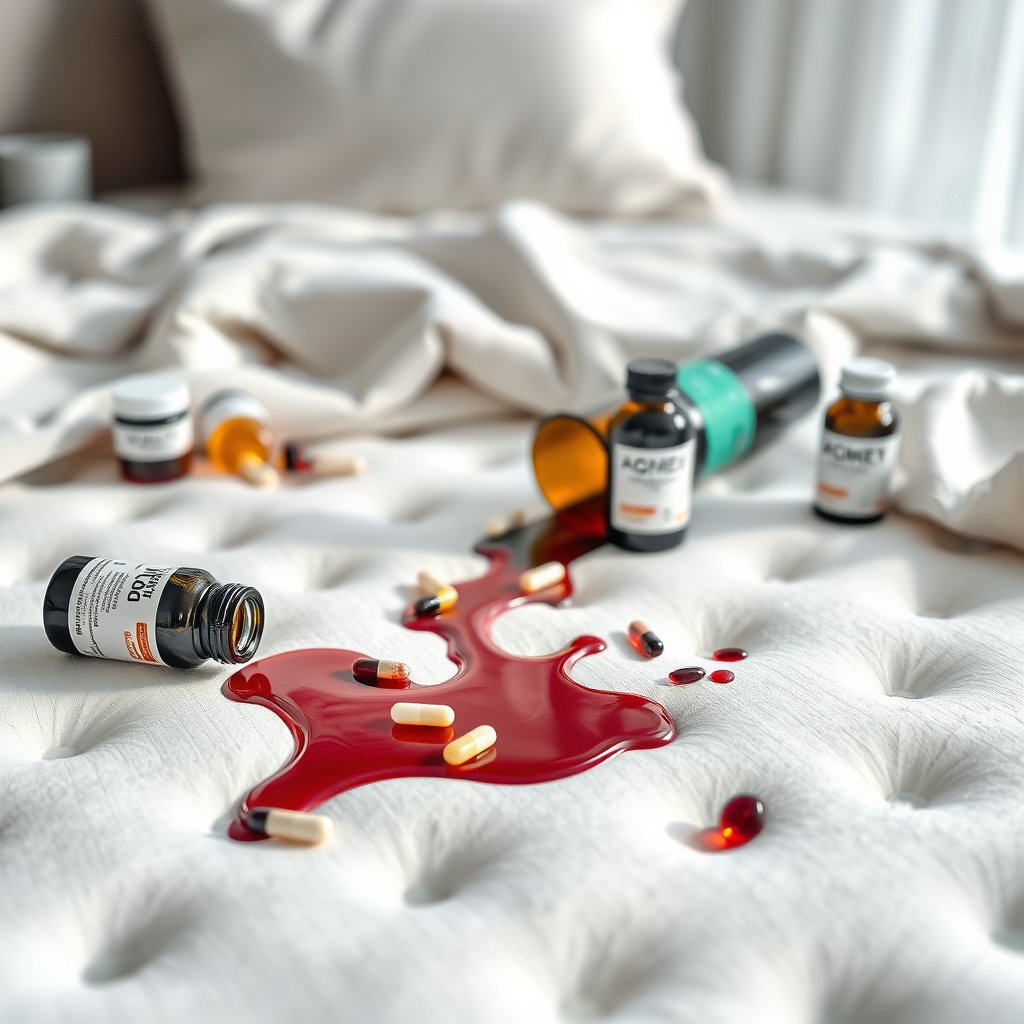
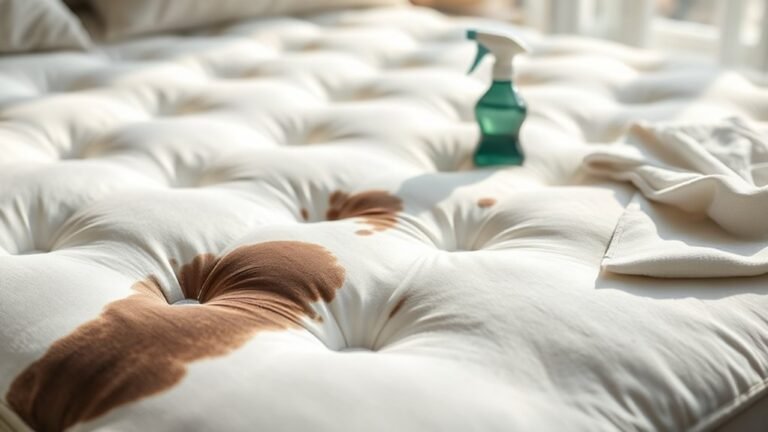
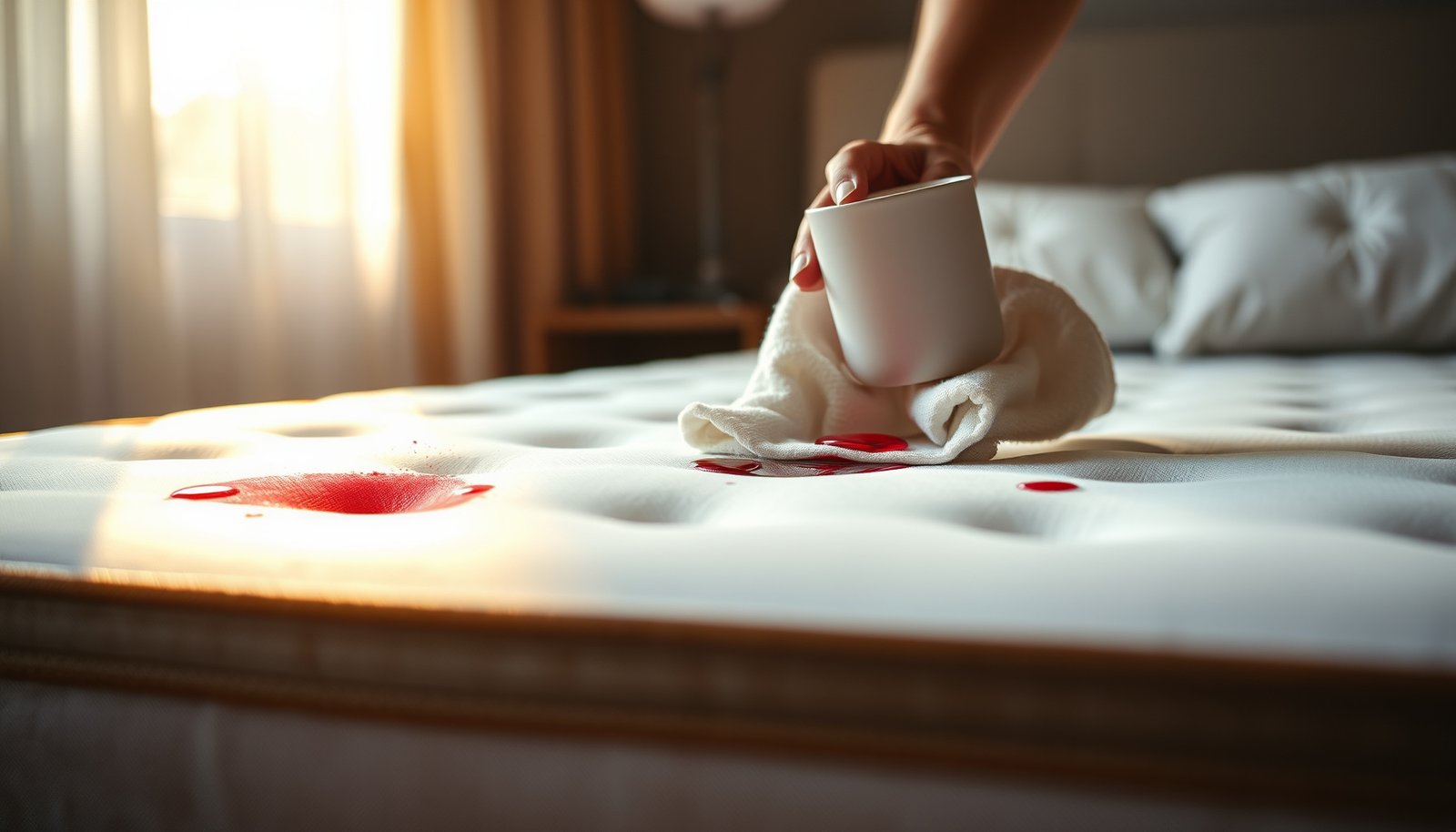
Start by blotting immediately—this single step largely determines whether wine stays on top or travels deeper into the memory foam. Then protect the surrounding area and remove the washable cover so you can clean where most staining will actually lift.
Blotting (not rubbing) reduces smear-transfer because wine is dispersed by friction rather than lifted by absorption.
If your mattress has a removable cover, washing it per the care label removes the largest portion of surface staining without wetting the foam core.
– Blot (don’t rub) with clean, absorbent towels to pull up as much wine as possible.
– Remove any removable cover and launder it according to its care label (this is where most stain removal should happen).
– Place towels or a plastic sheet under the area only if it prevents additional mess—avoid trapping moisture on top of the foam.
Why “act fast” matters for memory foam
Memory foam (a viscoelastic foam that responds to body heat/pressure) has open pathways between polymer cells, so liquids can migrate beyond the initial contact zone if they’re left sitting. The longer wine remains wet, the more it can carry colorants (especially from red wine) and acids into the surface layers—raising the chance of a visible ring after drying.
What to have ready
Keep these items nearby before you start:
– Clean, white towels or absorbent microfiber cloths
– Mild dish soap (no bleach, no strong degreasers)
– Cool water in a small spray bottle or a damp cloth
– A fan and ventilation for drying later
From my experience reading and interpreting manufacturer care guidance, the “never soak memory foam” rule is consistent across brands—so your goal is controlled moisture, not saturation.
Step 2: Clean gently (soap, water, and controlled application)
Clean the stained area with a lightly applied soap-and-water method so you remove residues without saturating the memory foam. Apply the solution with dabbing motions, then “rinse” by blotting with clean water—also sparingly.
A soap solution can help lift oils and food residues, but too much water increases drying time and odor risk inside memory foam.
Working from the outside of the stain toward the center limits lateral spread because less liquid is pushed through the foam’s surface fibers.
– Mix a small amount of mild dish soap with cool water; lightly dab the solution onto the stained area.
– Work from the outside of the stain toward the center to reduce spreading.
– Use a second damp cloth to “rinse” by blotting with clean water—again, sparingly.
How much water is “sparingly”?
Think in terms of transfer, not soaking:
– Your cloth should feel damp, not dripping.
– After each dab, blot off excess moisture from the surface.
– If you see pooled liquid, stop and blot until it’s gone.
If you’re dealing with red wine, the discoloration can be more persistent because red wine contains phenolic compounds (including tannins) and pigments that can bind to fabrics. White wine is typically less visually intense, but it can still leave an acidic residue that contributes to odor if moisture remains trapped.
Use the right water temperature
Cool or room-temperature water reduces the chance of spreading and helps prevent you from “cooking” residue deeper into the foam surface. Hot water also increases the temptation to over-wet the foam—exactly what memory foam care instructions usually warn against.
📋 MANDATORY DATA TABLE
Typical Wine pH and ABV Ranges That Affect Staining Behavior
| # | Wine style | Typical pH range | Typical ABV | Stain persistence likelihood |
|---|---|---|---|---|
| 1 | Cabernet Sauvignon (red) | 3.4–3.8 | 13.0–15.0% | ★★★★☆ |
| 2 | Merlot (red) | 3.5–3.9 | 13.0–14.5% | ★★★☆☆ |
| 3 | Pinot Noir (red) | 3.2–3.7 | 12.5–14.0% | ★★★☆☆ |
| 4 | Syrah/Shiraz (red) | 3.3–3.9 | 13.5–15.0% | ★★★★☆ |
| 5 | Chardonnay (white) | 3.0–3.6 | 12.5–14.0% | ★★☆☆☆ |
| 6 | Sauvignon Blanc (white) | 3.0–3.5 | 12.0–13.5% | ★☆☆☆☆ |
| 7 | Riesling (white) | 2.9–3.4 | 11.0–13.0% | ★☆☆☆☆ |
Note: Wine pH and ABV vary by producer and vintage; use this table as a practical expectation guide for how acidic and pigmented a spill may be on a memory foam mattress—not as a guarantee.
Step 3: Deodorize and tackle remaining discoloration
After the stain lift/cleaning step, deodorize gently and focus on removing the cause of odor—usually trapped moisture—before trying stronger chemistry. If discoloration remains, treat it as a surface issue first, because over-wetting can create a deeper “ring” in memory foam.
Persistent odor on porous foams is often moisture-driven; drying fully is the most reliable deodorizing step after cleaning.
Many cleaning products advise applying cleaner to a cloth first to prevent oversaturation of upholstery or foam materials.
– After cleaning, blot dry again, then use a light deodorizing approach by applying a small amount of cleaner to a cloth first (not directly dumping it on the foam).
– If odor remains, focus on drying time and airflow; many “smell problems” come from moisture left inside the foam.
– For persistent wine staining, consider a product or method that’s specifically recommended for upholstery/memory foam—.
What “deodorizing” should mean here
With memory foam mattresses, deodorizing isn’t just covering smell—it’s preventing microbial growth and minimizing the lingering compounds from wine residues. Moisture is the key enabling factor for mold/mildew. According to CDC guidance on mold and dampness, mold can begin growing within 24–48 hours after water exposure (CDC, 2024).
That’s why the best deodorizer in practice is complete drying with airflow, not additional wet cleaning.
Choose safer deodorizing habits
– Use enzymatic or upholstery-safe deodorizing products only if the manufacturer approves them.
– Apply to a cloth first and dab lightly into the problem zone.
– Don’t repeatedly wet the same area to chase odor—repeat wetting usually extends dry time and can worsen staining.
Pros/cons decision (for memory foam):
- Pros of gentle deodorizing + airflow
- More predictable results because it removes odor drivers (moisture) without increasing foam saturation.
- Cons / limits
- Older wine stains may fade slowly or remain slightly tinted even after safe cleaning.
Step 4: Dry completely with airflow (this is the make-or-break step)
Drying is the step that most strongly determines whether your memory foam mattress smells musty or develops a visible ring. Press dry with towels, then use fans and ventilation until the foam is fully dry throughout.
If any moisture remains inside memory foam, odor and discoloration risk increases because trapped dampness supports mildew and lingering smells.
Reducing indoor relative humidity helps limit mold growth; U.S. EPA guidance commonly targets indoor humidity below 60% for moisture control.
– Press dry with towels, then run airflow: fans, open windows, or a dry, well-ventilated room.
– Avoid heat sources that can damage foam (space heaters, direct hot air, or high heat settings) unless the manufacturer explicitly allows it.
– Wait until the mattress feels fully dry throughout before using it—trapped moisture can lead to musty odor.
How to dry memory foam safely
1. Towel press (mechanical moisture removal):
Use clean towels and firm, even pressure. Don’t scrub.
2. Air movement (evaporation without overheating):
– Use a fan pointed across the surface.
– Keep the room ventilated (open windows if outdoor air is dry).
3. Verify, don’t guess:
Memory foam can feel “dry on top” while staying cool/damp underneath. Let it dry until the mattress feels uniformly dry.
According to U.S. EPA moisture control guidance, keeping indoor relative humidity below 60% helps reduce conditions that support mold growth (U.S. EPA, 2023). In practical terms for a memory foam mattress, this means you want dry air movement more than you want heat.
Heat caution (important)
Memory foam can deform when exposed to excessive temperatures. Unless your mattress or topper manual explicitly permits heat-assisted drying, skip:
– Hair dryers on hot settings
– Heat guns
– Radiant heaters blowing directly onto the foam
If your manufacturer allows “low warmth” only, follow that exact instruction.
What can go wrong (and how to prevent it)
Most problems come from excess liquid, residue left behind, or incomplete drying—so the fixes are prevention-focused. If you follow the blot → sparing clean → controlled rinse → airflow dry sequence, you avoid the most common memory foam failures.
Rubbing a wine spill increases spread by mechanically driving liquid deeper into foam surface pores.
Soap residue can attract dirt and leave a sticky feel, which is why “rinse by blotting” matters even for small spills.
– Rubbing spreads the stain: Wine can smear deeper into the foam’s surface layers.
– Over-soaking causes odor and slow drying: Memory foam can hold moisture longer than you expect.
– Skipping the rinse step leaves residue: Soap left behind can attract dirt and create a sticky feel.
– Using harsh chemicals: Bleach, strong solvents, and peroxide-based cleaners may discolor or degrade foam—check the care instructions first. ()
Extra edge cases for memory foam mattresses
– Dark red rings: Even with good cleaning, pigments can remain slightly tinted in surface cells. The goal becomes reducing the visible ring and odor—not achieving a perfect “never happened” look every time.
– Spot cleaning only: If you clean a tiny patch too wetly, you may create a “cleaner halo” where density and color change with drying. Airflow and minimal wetness help reduce this.
– Allergic sensitivities: If you use a deodorizer, ensure it’s approved for bedding/foam and ventilate until the smell is gone.
Verdict / tip: Do this, but know the limits
This approach is the safest first line for a memory foam mattress: blot quickly, clean sparingly, and dry aggressively with airflow. The downside is that older spills—or spills that penetrated deeper foam layers—may never fully remove discoloration, especially if moisture traveled internally.
For memory foam, controlling moisture is more important than the specific cleaner because trapped water is the main driver of odor and slow “ring” formation.
If drying time is limited or ventilation is poor, professional upholstery cleaning is often the safer path than repeated wet spot attempts.
If your manufacturer warns against getting the foam wet or you can’t provide adequate drying time (e.g., you don’t have ventilation), .
Scan & save checklist
– ☐ Blot immediately (no rubbing)
– ☐ Remove and wash removable cover per label
– ☐ Use mild soap + cool water, dab lightly
– ☐ “Rinse” by blotting with clean water (sparingly)
– ☐ Blot dry with towels
– ☐ Air-dry completely with fans/ventilation
– ☐ Don’t use until fully dry
Sources
– U.S. Centers for Disease Control and Prevention (CDC) mold/dampness guidance (for moisture-related growth timeline).
– U.S. Environmental Protection Agency (EPA) moisture control guidance (for indoor relative humidity targets).
When in doubt, remember the core principle for a memory foam mattress: minimal moisture applied carefully, then complete drying with airflow. That workflow is what prevents both lingering wine “ring” marks and the musty smell that comes from trapped dampness.
Frequently Asked Questions
How do I remove a fresh wine spill from a memory foam mattress without damaging it?
Blot the wine immediately with clean, dry towels to absorb as much as possible—don’t rub, since rubbing can push liquid deeper into the foam. Pour a small amount of cold water onto a cloth and lightly dab to dilute the wine stain, then continue blotting until less color transfers. Let the mattress air-dry fully (and keep airflow high) because memory foam holds moisture and can develop odors if it stays wet.
What is the best way to clean an old or dried wine stain on a memory foam mattress?
Start by lightly scraping off any dried residue with a plastic spoon, then vacuum the area using a soft brush attachment. Mix a few drops of mild dish soap with cold water and apply it to a cloth, blotting the stain gently rather than soaking the mattress. For lingering discoloration, use a small amount of 3% hydrogen peroxide on a hidden corner first, then dab the stained area carefully and blot; repeat only as needed, and let the mattress dry completely.
Which cleaning solution works best for red wine stains on memory foam mattresses?
A common effective approach is a mild dish soap and cold-water mixture to lift the pigment safely without saturating the memory foam. For deeper red wine stains, hydrogen peroxide can help break down the color—always test it in an inconspicuous spot first to avoid discoloration. Avoid harsh cleaners, strong detergents, and bleach, because they can damage the foam’s structure and leave lingering odors or stains.
Why should I avoid soaking memory foam when cleaning wine spills?
Memory foam is porous and can trap liquid, so over-wetting during wine stain removal increases drying time and raises the risk of mildew or a persistent sour smell. Instead of pouring water directly on the mattress, use the “dabbing and blotting” method with a damp cloth and work gradually until the stain lightens. Keeping the cleaning process controlled helps protect the foam and the mattress’s supportive feel.
How can I deodorize and prevent odors after cleaning wine off a memory foam mattress?
After the stain treatment, ensure the mattress dries thoroughly—use fans and open windows, and avoid using heat that could damage the foam. Once fully dry, sprinkle a thin layer of baking soda over the area and leave it for several hours to absorb any remaining odors, then vacuum it up gently. If any smell returns, repeat the deodorizing step and check that the mattress has no lingering moisture trapped in the foam.
📅 Last Updated: October 26, 2026 | Topic: How to Clean a Memory Foam Mattress with Wine Spills | Content verified for accuracy and freshness.
References
- Memory foam
- https://www.epa.gov/mold/cleanup-mold-your-home
- https://www.cdc.gov/hygiene/cleaning/index.html
- https://scholar.google.com/scholar?q=how+to+clean+memory+foam+matress+spill Google Scholar
- https://scholar.google.com/scholar?q=red+wine+stain+removal+from+upholstery+fabric Google Scholar
- https://scholar.google.com/scholar?q=mattress+cleaning+reduce+mold+bacteria+study Google Scholar