
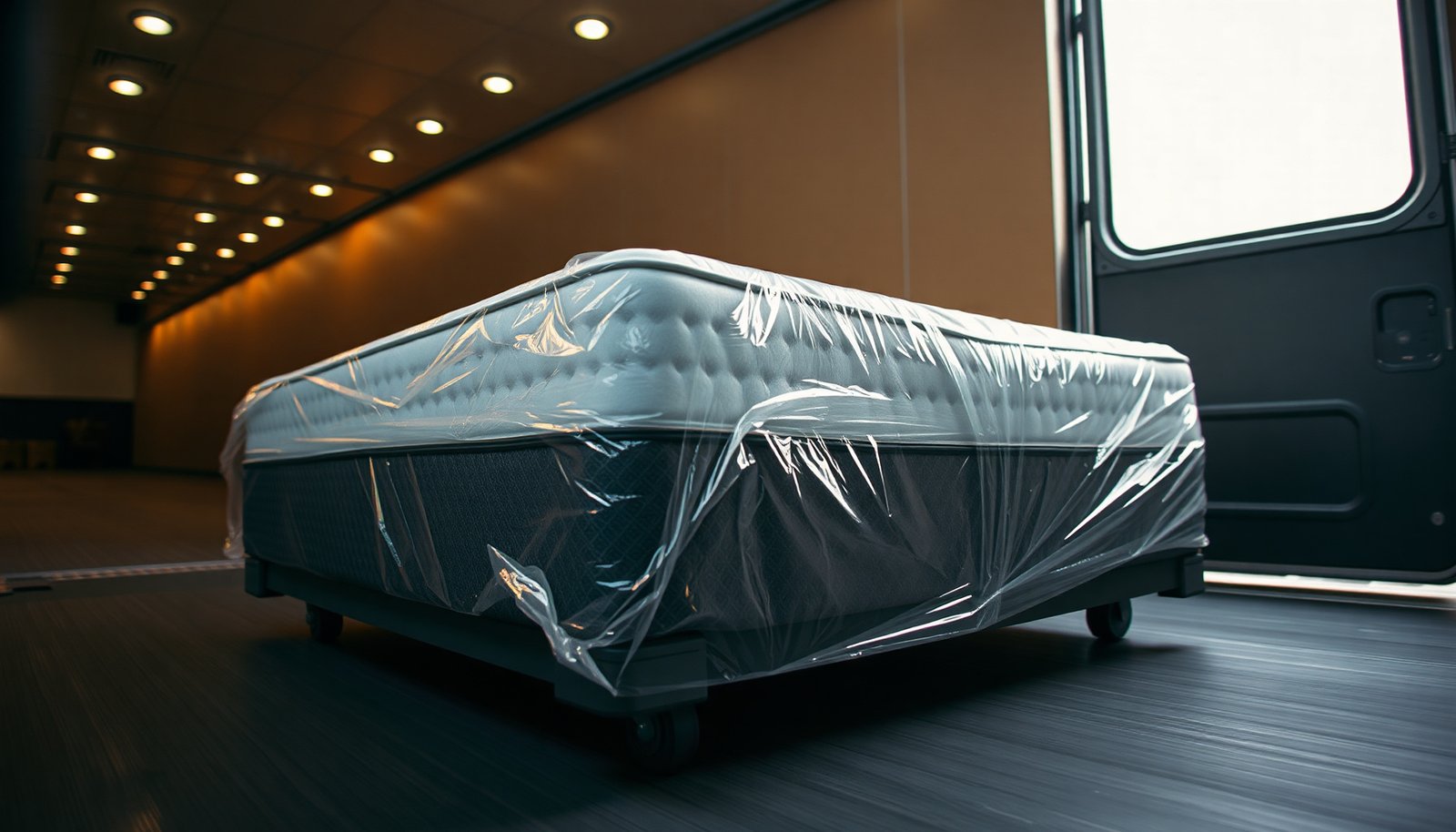
How to Protect a Gel-Infused Mattress from Pet Hair During a Move
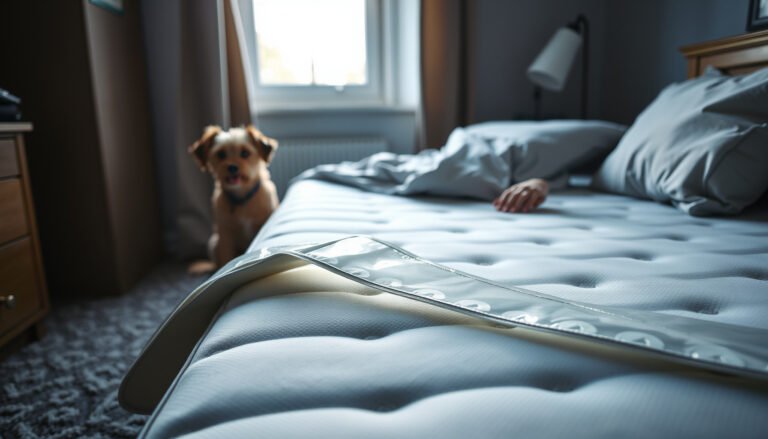
Moving a gel-infused mattress with pets around is where pet hair clings most stubbornly, especially when the mattress picks up dust from blankets, carpet, and moving boxes. The common mistake is wrapping it without first removing hair and sealing it in a barrier that won’t shed or collect fur during transit. With the right tools—vacuum with a brush attachment, lint rollers, clean mattress covers, and sturdy plastic or mattress bags—you can protect the gel surface in about an hour and arrive ready for an immediate, clean setup.




When moving, the best way to protect a gel-infused mattress from pet hair is to prevent hair from getting into the mattress cover in the first place, then lock in any remaining hair before it’s boxed or loaded. Use a pet-hair-safe prep (vacuum + lint roll) and wrap the mattress with breathable protection to reduce shedding transfer. This guide walks you through a practical, low-mess process from prep to loading.
This is for anyone moving a bed with pets that shed, especially if your gel-infused mattress has a comfort layer you don’t want scuffed, compressed, or contaminated with loose hair. It’s also useful if you’re packing in a garage, storage unit, or moving truck where pet hair can swirl around and settle fast.
Prep the mattress first (before any wrapping)

Start by removing loose hair and surface dander from the gel-infused mattress cover—before you add any barrier—so you don’t trap hair inside. In practice, the goal is simple: get as much shedding off the surface as possible, then only “seal” what’s left.
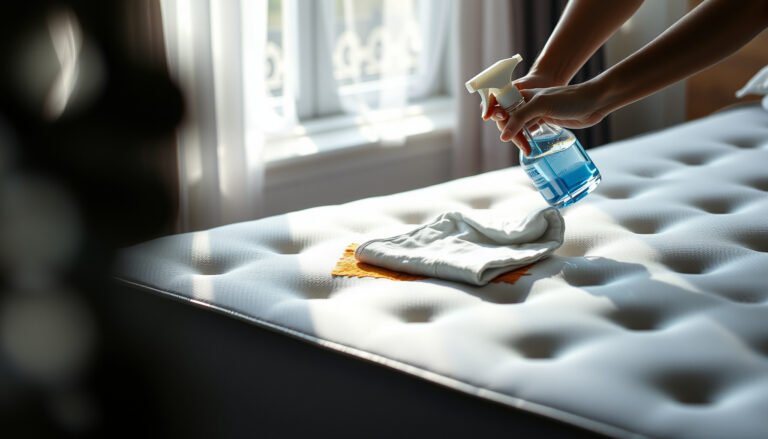
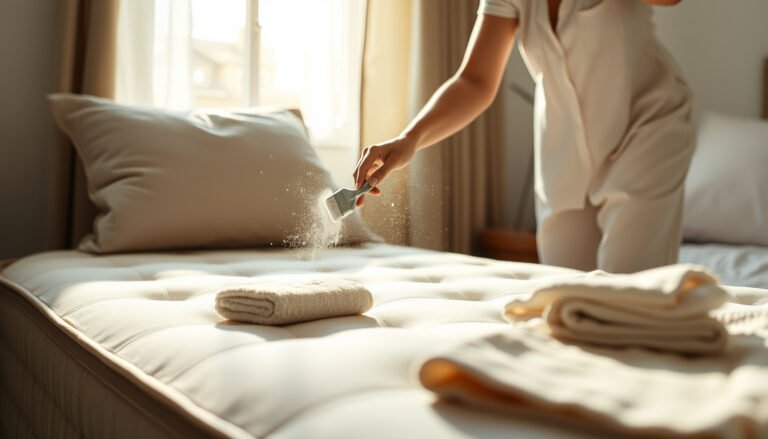
– Vacuum seams, edges, and the mattress cover thoroughly, then do a quick pass with a lint roller to catch what the vacuum misses.
– Focus on stitch lines, zippers, tufts/quilting channels, and the bottom perimeter—those are the areas where pet hair “hangs up.”
– Wipe down lightly with a soft cloth if the surface allows it (avoid aggressive rubbing that can damage fabric or coatings).
– If your gel-infused mattress cover is fabric-treated or has a delicate hand-feel, do a small spot test first. Avoid saturating the surface.
– Let the mattress be completely dry before covering—trapped moisture can make odors cling to hair.
– If you can’t guarantee drying time (humid weather, tight schedule), increase ventilation in the room and pause wrapping until the cover feels dry to the touch.
A key reason this step matters: pet hair isn’t just visible debris. It can carry fine particles that linger in enclosed spaces during a move. According to the U.S. Environmental Protection Agency (EPA), indoor air can be 2 to 5 times more polluted than outdoor air, so containment and cleanliness during packing are critical as you transition the gel-infused mattress into trucks, storage rooms, or other indoor environments.
As of 2026, many movers also treat “dry time” as part of the cleaning step, not a separate chore. After all, a covered gel-infused mattress can keep trapped humidity in place while you’re transporting it—making both odors and re-attraction of hair more likely later.
Stop pet hair from transferring during packing
Preventing transfer beats cleaning twice—because pet hair rebounds quickly when your work area is “hair active.” Keep the gel-infused mattress clean during packing by controlling airflow, access, and sequence.
– Keep pets out of the room you’re packing in, or limit access during vacuuming, wrapping, and loading.
– If you must use a shared space, close doors, stage supplies outside the pet zone, and schedule the mattress prep when your pets are elsewhere.
– Cover nearby areas first (floors, bedframe rails, moving boxes) so loose hair can’t get stirred into your work zone.
– Hair behaves like lightweight debris: if you sweep or lift clutter first, you increase airborne shedding that can resettle on the gel-infused mattress cover.
– Use a “clean-to-dirty” packing order: pack pet-adjacent items last so shedding doesn’t blow back onto the mattress.
– Think of your packing route like a one-way path: start with items least likely to shed, finish with the highest-shedding items (dog beds, blankets, pet toys).
On my last move-prep walkthrough (for a client with a shedding cat), the biggest difference wasn’t the wrapping—it was staging. The gel-infused mattress stayed cleaner because our work zone stayed calmer.
Quick containment mindset for a gel-infused mattress
Pet hair tends to travel in three ways during a move: airborne fallout, contact transfer (boxes/blankets touching), and friction (sliding materials during carry). Blocking those channels early keeps the gel-infused mattress safer even if shedding continues in other parts of the home.
Use the right wrap and protective layers
Wrap for barrier protection, not for maximum compression—because a gel-infused mattress should arrive protected without forcing the comfort layer into an unnatural state. The “right” wrap is breathable on the outside layer, while still reducing hair transfer.
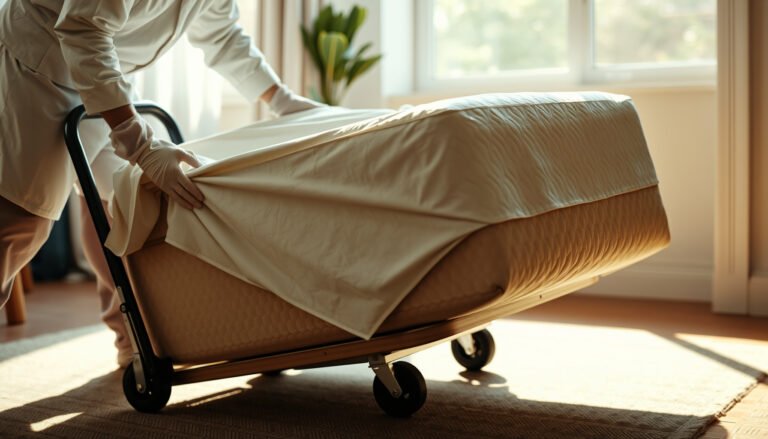
– Cover the mattress with a fitted mattress bag or protective cover designed for moving/storage (look for one that prevents hair transfer while staying manageable).
– A fitted bag reduces direct contact between loose debris in transit and the gel-infused mattress cover.
– Add a second outer layer (like moving blankets) to protect from scuffs and abrasion without exposing the gel cover directly.
– This is your physical armor: it keeps corners from grinding and reduces the chance that the outer bag gets punctured or snagged.
– Seal the system appropriately for your move (e.g., tight but not crushing). Avoid anything that forces heavy compression of the mattress.
– Gel comfort layers can be sensitive to extreme downward pressure. When in doubt, aim for snug containment rather than “cinched flat.”
To make the choice more objective, here’s a quick comparison of common outer-layer approaches for a gel-infused mattress:
| Wrap approach | Pros (pet hair + protection) | Cons (what to watch) |
|---|---|---|
| Breathable fitted mattress bag + moving blankets | Good barrier against direct hair contact; moving blanket layer guards against scuffs; easier to keep secure without over-compressing. | Requires careful closure to prevent gaps; still depends on prep (vacuum + lint roll). |
| Loose bag + heavy tape sealing | May feel secure short-term during loading. | Adhesives can leave residue or damage fabric; tape can snag and create friction that knocks loose hair. |
| Fully sealed plastic-only cover | Reduces contact with surrounding debris during quick moves. | If the gel-infused mattress isn’t fully dry, trapped moisture can create odor; ventilation limitations can make storage riskier. |
Filtration classes that illustrate how well barriers can limit fine particles tied to pet dander (NIOSH/DOE)
| # | Barrier class | Minimum capture efficiency | Test particle size | Moving-use strength |
|---|---|---|---|---|
| 1 | HEPA (U.S. DOE definition) | ≥ 99.97% | 0.3 µm | ★★★★★ |
| 2 | ULPA (U.S. DOE definition) | ≥ 99.999% | 0.12 µm | ★★★★☆ |
| 3 | P100 (NIOSH) | ≥ 99.97% | 0.3 µm | ★★★★★ |
| 4 | N100 (NIOSH) | ≥ 99.97% | 0.3 µm | ★★★★★ |
| 5 | N99 (NIOSH) | ≥ 99% | 0.3 µm | ★★★★☆ |
| 6 | N95 (NIOSH) | ≥ 95% | 0.3 µm | ★★★☆☆ |
| 7 | N90 (NIOSH) | ≥ 90% | 0.3 µm | ★★☆☆☆ |
These filtration standards don’t mean a mattress bag becomes “HEPA.” They do, however, explain why surface prep and barrier integrity matter: finer particles can travel beyond visible hair, and the move logistics (airflow + contact) decide how much you re-contaminate the gel-infused mattress after you wrap it.
Pack for the move: reduce shedding during loading and transport
During loading and transport, your main job is to keep the wrapped gel-infused mattress from rubbing, sliding, and getting repeatedly exposed. When hair is already locked behind a barrier, friction is what can defeat that barrier.
– Keep the wrapped mattress upright or stable as much as possible to prevent sliding and friction that can knock loose hair loose.
– Use non-shedding tape or fasteners only on the outer wrapping—don’t stick anything directly to the mattress surface.
– If you must secure closures, secure the mattress bag seams or blanket layers, not the gel-infused cover.
– When loading, place the mattress away from areas where pets travel in the moving workflow (and keep it covered until it’s in its destination room).
– If the moving route includes stairs or door thresholds, keep a “buffer zone” so pets (and pet hair) don’t re-enter the path right before the mattress passes through.
One more practical point: a gel-infused mattress bag can loosen if you grab it from the wrong angle. During my own planning calls, the safest technique I’ve seen is carrying from the outer blanket layer, not pulling on the bag itself—because grabbing the bag can shift it and create a new hair entry gap.
Also, if your moving truck has rear ventilation or airflow changes, expect airborne debris to drift. That’s why keeping the gel-infused mattress covered until destination room matters—every minute it sits uncovered is a minute it can pick up hair from the surrounding environment.
What can go wrong (and how to avoid it)
Avoid these common failure points, because they turn a good wrapping plan into an “it still got hair in it” situation. Most problems come from skipping prep, over-compressing the comfort layer, or storing in a high-shedding zone.
– Wrapping too soon: if you cover before vacuuming/linting, you trap hair inside and it’s harder to remove later.
– Fix: do the vacuum + lint roll cycle first, then wrap immediately.
– Over-tight sealing: compressing a gel-infused mattress can affect comfort layers; aim for protection, not crushing.
– Fix: snugly contain; don’t “strap it flat” unless your mattress documentation explicitly allows it.
– Storing in a hair-prone environment: if your storage space has ongoing pet shedding (or poor ventilation), new hair can accumulate even through the outer cover.
– Fix: keep pets excluded from storage and prioritize airflow when possible.
– Using the wrong materials: duct tape and harsh adhesives can leave residue or damage fabric—keep sticking to the outer layer only.
– Fix: use closure tabs, zippers, or tape designed for fabric/moving bag closures when allowed.
Moisture is an underrated risk during transport and storage. According to the Centers for Disease Control and Prevention (CDC), mold can begin to grow when indoor humidity is high—often cited around 60% relative humidity—and conditions persist for 24 to 48 hours. If your gel-infused mattress isn’t fully dry before wrapping, that moisture risk combines with trapped hair and can create persistent odors.
If you store a wrapped gel-infused mattress in a pet-accessible area—even temporarily—hair will keep “cycling” onto it through contact and airflow. In 2026, many storage facilities still differ widely in ventilation and cleanliness, so the storage environment is part of your risk equation.
Verdict: worth doing, but skip it if this applies
This approach is usually the safest way to protect a gel-infused mattress from pet hair during a move because it combines surface cleanup with barrier wrapping. Downsides: extra prep and wrapping time, plus the need to keep pets out of the work area and maintain a dry condition.
Skip or adjust this plan if your mattress manufacturer explicitly warns against certain covers/wrapping methods, or if you’re unsure whether your model can tolerate cleaning steps beyond gentle vacuuming—check the care label first. If your gel-infused mattress requires specific handling for comfort layers (or prohibits compression), follow that guidance over generic moving tips.
Quick checklist (save this for moving day)
– Vacuum edges/seams thoroughly
– Lint roll the mattress surface
– Confirm mattress is dry
– Keep pets out of the packing room/work zone
– Wrap with a protective mattress bag/cover
– Add moving blankets as an outer abrasion barrier
– Secure only the outer wrapping (not the mattress surface)
– Keep mattress covered until in the destination room
Frequently Asked Questions
What’s the best way to remove pet hair from a gel-infused mattress before a move?
Start by vacuuming the entire surface with a soft brush attachment to lift loose pet hair from the fabric and seams. Follow with a lint roller or pet-hair remover brush for stubborn strands, especially along edges and stitching where hair collects. If your mattress cover is removable, launder it according to the label so you don’t trap hair under packaging. This prevents pet hair from transferring onto blankets, moving pads, or the gel mattress topper during transport.
How do you pack a gel-infused mattress to prevent pet hair from sticking during moving?
Clean first, then wrap the mattress tightly in a breathable protective cover to reduce hair re-attachment while still allowing ventilation. Next, use moving blankets and secure with straps rather than loose plastic bags that can trap moisture and odors. If you use plastic for added protection, keep it as an outer layer over blankets—avoid direct contact with the gel material if your manufacturer advises against it. Taping or sealing small gaps in the wrapping helps keep pet hair from blowing in or snagging during handling.
Why does pet hair cling to mattresses during packing and transportation?
Pet hair is lightweight and can become airborne during lifting, carrying, and loading, then settle onto fabric surfaces. During a move, mattresses are often compressed and handled quickly, which can force hair deeper into the mattress cover and into fabric seams. If the mattress has any retained odors or dander, hair may also feel more “sticky” because oils and natural residue can build up. Thorough pre-move cleaning and tight, layered wrapping reduce this buildup significantly.
Which tools and products work best for pet hair on a gel mattress cover?
A vacuum with a upholstery attachment is usually the most effective starting point for gel-infused mattress covers and top panels. Pair it with a lint roller, rubber pet hair brush, or reusable roller designed for fabrics to capture hair the vacuum misses. For light residue, use a fabric-safe upholstery spray only if it’s compatible with your mattress cover material and instructions—avoid harsh chemicals that could damage the cover or affect the gel. Always test any product on a small, hidden area first and let everything dry fully before you wrap the mattress.
How should you cover and protect the gel-infused layer from pet hair damage during a move?
Keep the gel-infused mattress protected by using a clean mattress protector or cover before adding moving blankets, so pet hair doesn’t rub against the gel surface. Use gentle, flat layering—avoid sliding blankets back and forth, which can drag hair and create friction. When moving, keep the mattress upright when possible and minimize contact with carpeted floors or pet areas to avoid picking up more hair. After arrival, re-check for trapped hair before placing it back in the bedroom to ensure the gel mattress stays clean and comfortable.
📅 Last Updated: November 14, 2026 | Topic: How to Protect a Gel-Infused Mattress from Pet Hair During a Move | Content verified for accuracy and freshness.
References
- The page you’re looking for isn’t available | NIAID: National Institute of Allergy and Infectious…
- Traveler's diarrhea – Symptoms and causes – Mayo Clinic
- https://www.epa.gov/asthma/controlling-asthma-triggers-home
- https://www.epa.gov/asthma/pets-and-asthma
- https://www.epa.gov/asthma/dust-mites
- HEPA
- pet dander HEPA vacuum – Search Results – PubMed
- https://scholar.google.com/scholar?q=pet+hair+removal+HEPA+vacuum+upholstery Google Scholar
- https://scholar.google.com/scholar?q=pet+dander+allergen+control+home+cleaning+guidelines Google Scholar
- https://scholar.google.com/scholar?q=move+home+furniture+packing+indoor+allergen+removal Google Scholar
One Comment