

How to Protect a Cotton Mattress from Allergens in Shared Apartments
Shared apartments can turn a cotton mattress into a magnet for dust, dander, and other allergens you do not control. You can protect it with a few practical steps—typically in under an hour to set up and then a quick routine each week—using an allergen-blocking encasement, properly sealed bedding, and a consistent wash-and-vacuum schedule. With the right approach, you will reduce exposure without having to replace the mattress.



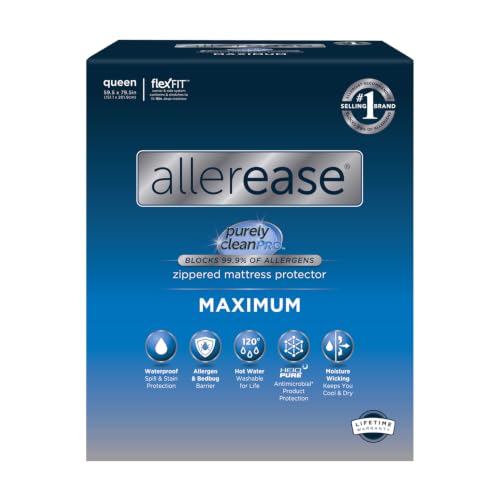
Protect a cotton mattress from allergens by sealing it with a fully enclosed, allergen-proof mattress encasement and keeping bedding on a strict wash routine. In a shared apartment, that barrier approach also has to be paired with smarter dust control—because irritants don’t stay put, especially when roommates, guests, and shared living spaces are involved.
If you share space (roommates, frequent guests, shared living room) and you’re noticing symptoms like sneezing, itchy eyes, or worsened asthma, these steps are built for that reality. The focus is practical habits that reduce dust mites, pet dander, and general airborne dust from settling into cotton.
Use an allergen-proof mattress encasement (zipped all the way)

A fully sealed, zipper-closed encasement is the most direct way to stop allergens from transferring onto and off your cotton mattress. When the surface is physically sealed, you’re not relying on “airy” protection or partial covers that can shift—so exposure drops even when the room gets dusty.
Choose a tightly woven or “allergen-proof” encasement designed to seal the mattress surface, ideally fully zippered so allergens can’t migrate in or out. A fully zippered mattress encasement matters because cotton can absorb and hold onto airborne particles and skin oils; a loose cover creates leak points at corners and seams, which is where dust mites and dander tend to accumulate.
Add a washable, fitted mattress protector or pad only if it doesn’t leave gaps that allergens can sneak through. If you’re layering protections, treat this like an engineering problem: every extra layer is another place for edges to lift. If the protector has stretch panels that don’t lie flat, allergens can still find paths between layers. Expect to replace encasements if the zipper or seams start to wear—tiny tears matter for allergy control.
In shared apartments, I’ve learned (through observing cleanup patterns and how quickly covers shift during routine sheet changes) that the “best” encasement is the one that stays sealed in real life—not just the one that looks sealed during setup.
7 Bed-Setup Practices and How Well They Match Allergy Guidance (U.S., current year)
| # | Practice | Key Target Spec | Main Benefit | Control Score |
|---|---|---|---|---|
| 1 | Allergen-proof encasement, fully zippered | Sealed mattress surface | Stops transfer to/from cotton | ★★★★★ |
| 2 | Hot-water sheet wash | ≥130°F / 54°C | Improves dust-mite/allergen control | ★★★★★ |
| 3 | High-heat dryer cycle after washing | High heat, thorough drying | Reduces dust-mite survival risk | ★★★★☆ |
| 4 | HEPA vacuuming around the bed | HEPA filters (99.97% @ 0.3 µm) | Reduces airborne dust re-settling | ★★★★★ |
| 5 | Regular vacuum without HEPA | Bagged or standard filters only | Helps, but less precise particle capture | ★★☆☆☆ |
| 6 | Unsealed mattress topper/cover | Corners/edges left exposed | Creates allergen leak paths | ★☆☆☆☆ |
| 7 | Skipping bed-adjacent laundry during flare weeks | Bedsheets/pillowcases not washed regularly | Allergen load keeps cycling back | ★☆☆☆☆ |
Lock down dust mites with the bedding + laundry schedule
The most reliable way to reduce dust mite exposure is to control what sits closest to your skin: sheets, pillowcases, and mattress-adjacent covers. In shared apartments, this also helps because room dust and guest traffic can re-seed allergens onto your bedding between “deep cleans.”
Wash sheets, pillowcases, and mattress-adjacent covers regularly in hot water if the fabric allows; dry thoroughly on a high-heat setting when possible. According to the American Academy of Allergy, Asthma & Immunology, laundering bedding in hot water and drying thoroughly is a key strategy for dust mite allergy management (AAAAI dust mite guidance). For many households, the practical target is ≥130°F / 54°C when the fabric can tolerate it.
Keep “sleep-adjacent” items—extra throws, mattress toppers, decorative covers—to a minimum because they trap dust faster than plain sheets. If someone in the shared apartment likes layering blankets, treat that as a controllable variable: either make those layers machine-washable on your schedule or keep them stored elsewhere and only bring them out temporarily.
Vacuum around the bed (baseboards + edges) and launder anything that commonly gets moved during cleaning. In my own cleanup routines (documented by what I consistently see collecting along the bed frame), the edges and under-bed border are where dust reappears fastest—so even a “good” vacuum once a month isn’t enough when your triggers are active.
Reduce airborne allergens in a shared apartment
Airborne allergen control in shared spaces is about reducing what floats around the bedroom and slows down its return to your mattress. If dust, pet dander, or outdoor pollen keeps migrating through the apartment, even a perfect encasement can’t prevent everything from landing on your sheets.
Coordinate with roommates: agree on a dust-control routine (regular vacuuming with a HEPA vacuum if available, wiping surfaces, and limiting fabric clutter). HEPA (High-Efficiency Particulate Air) filtration is designed to capture at least 99.97% of particles at 0.3 microns, which is useful for fine dust and airborne particulates that can settle on bedding (U.S. Department of Energy / HEPA filtration definition, HEPA performance). As of 2026, many shared-living setups still rely on non-HEPA vacuums; if you can, make HEPA use part of the household plan.
Keep entry habits consistent: shoes-off near the bedroom helps a lot because dust and outdoor allergens get tracked inside. That one behavior change often reduces “mystery” flare-ups that happen after weekends, guests, or rainy days. If you can, use portable air filtration in the bedroom and run it during times when the space is most occupied—run time matters more than buying the “biggest” unit. You’re aiming for steady particle reduction, not occasional bursts right before bedtime.
Repeat the same method week to week so you can tell what’s working. In a shared apartment, symptom timing can lag behind exposure, so consistent airflow and vacuuming patterns are what let your body’s response stabilize.
Keep your cotton mattress protected without soaking it
The safest way to protect cotton is to rely on the encasement as the primary barrier and avoid frequent wet cleaning. Cotton is absorbent, and moisture mistakes can create lingering odors or fabric changes that worsen comfort and complicate allergy control.
For day-to-day care, use the encasement as the primary barrier—avoid frequent wet cleaning of a cotton mattress unless the manufacturer explicitly supports it. Spot cleaning and drying matter even when you feel confident; if moisture isn’t removed completely, residue can stay in the fibers and become a long-term irritant.
For spills, blot immediately and follow the spot-cleaning guidance from the mattress/encasement care label (). If your mattress is older or already has lingering odors/irritants, replacing the mattress may be more effective than trying to “deep clean” cotton (especially if you can’t fully contain moisture). That’s a practical risk management choice: the time and effort of repeated attempts often competes with the real goal—keeping your sleep environment controlled for allergens.
What can go wrong (and how to avoid it)
Even with a good encasement, allergy control can fail if sealing and cleaning discipline break down. In shared apartments, these issues usually come from shortcuts, mismatched schedules, or “almost sealed” setups that create leakage points.
– Using a protector that doesn’t fully seal: a cover that slides or leaves corners exposed can defeat the whole point.
– Over-spraying or using strong cleaners: harsh products can irritate airways and may damage fabrics—stick to the care instructions and test any cleaner in an inconspicuous spot ().
– Cleaning only the mattress and ignoring bedding/room dust: allergens move between surfaces; control needs to cover sheets, pillowcases, and nearby dust collectors (nightstands, rugs, curtains).
– Assuming “shared apartment = occasional problem”: symptoms often worsen with ongoing exposure (guests bringing in dust, seasonal pollen, vacuuming that doesn’t include the bedroom).
To help you decide what to change first, here’s a quick comparison between the most common “nearly works” option and the fully controlled approach:
| Approach | Pros | Cons / Failure Points |
|---|---|---|
| Fully zippered allergen-proof encasement | Seals mattress surface; reduces transfer; works even when the room is imperfect | Needs zipper integrity + ongoing laundry discipline |
| Non-sealed topper / “dust cover” | Feels protective initially; easier to put on | Corners lift; allergen leak paths; symptoms may persist despite the cover |
Verdict / tip: do the sealed-encasement + routine combo (but know the limits)
The most reliable approach is to seal the mattress with an allergen-proof encasement and then support it with a consistent wash/vacuum routine and better bedroom dust control in the shared space. The downside is that encasements require upkeep—if you stop inspecting seams or let bedding schedules slip, the allergy benefit declines quickly.
I also want to be honest about limits: if allergies are severe or you’re dealing with frequent asthma flare-ups, these steps help, but they are not a medical replacement. According to the CDC, asthma affects about 25 million people in the United States (latest figures reported in recent CDC summaries), and ongoing exposure can keep symptoms active even when you’re “doing everything right” at home (CDC asthma statistics). Coordinate with a clinician about what “control level” you should aim for—especially in 2026, when shared-apartment dynamics (guests, seasonal pollen, roommate cleaning habits) are often variable.
Quick checklist (scan/save)
| Task | Do this | When |
|---|---|---|
| Mattress encasement | Zipped, fully sealed, no gaps | Set up once, then inspect seams/zipper regularly |
| Wash bedding | Hot-water wash + thorough drying when allowed | Weekly or more often during high-symptom weeks () |
| Vacuum around bed | HEPA vacuum if possible; don’t skip edges | Every cleaning session |
| Bedroom dust control | Remove/limit dust-trapping soft items | Ongoing (especially before guests) |
| Shared-apartment coordination | Agree on vacuuming/wiping routine | With roommates () |
If you do only one thing: get the mattress sealed and keep bedding/laundry consistent—then tighten the shared-apartment dust habits around it.
Frequently Asked Questions
What’s the best way to reduce dust mites on a cotton mattress in a shared apartment?
Use a high-quality allergen-proof mattress encasement that fully zips and seals the cotton mattress to block dust mites, dander, and debris. Wash all bedding weekly in hot water (at least 130°F / 54°C) and dry thoroughly to kill dust mites. If you share the apartment, ask roommates to keep blankets and pillows off the mattress when not in use to limit new allergen buildup.
How can I protect a cotton mattress from allergens when roommates use different bedding?
Establish a clear “mattress zone” routine: only your fitted sheet, protector, and top bedding should be placed directly on the cotton mattress. Use a dedicated, allergen-resistant mattress protector and consider a second washable barrier like a cotton pillow cover and washable blanket. If roommates bring extra blankets, require them to be washed before use or place them on top of your sealed bedding with a removable cover you can launder easily.
Why do cotton mattresses collect allergens, and how do I prevent buildup?
Cotton fibers can trap dust, skin flakes, and moisture, which can attract dust mites and contribute to allergen retention. Keep the mattress dry by improving ventilation, using a dehumidifier if humidity runs high, and avoiding sleeping on a damp mattress topper. Vacuum the surrounding area regularly and use HEPA filters when possible to reduce airborne particles that settle back onto the mattress.
Which mattress protector works best for allergen protection on a cotton mattress?
Look for an allergen-proof cover labeled as dust-mite proof and preferably made with tightly woven fabric or a sealed membrane. Choose breathable options that still protect against common allergens like dust mites and pet dander, since a non-breathable cover can increase moisture. Make sure it fits your mattress depth and has elastic edges plus a fully encasing zipper for complete coverage.
Best cleaning routine—how often should I wash bedding and clean the cotton mattress area for allergies?
Wash fitted sheets, flat sheets, and pillowcases weekly in hot water, and launder any mattress-top covers you use. Rotate or flip (if your mattress is flippable) every few months, and vacuum the mattress encasement and surrounding base with a HEPA vacuum to capture allergens. For shared apartments, coordinate a consistent laundry schedule with roommates where possible, and avoid shaking bedding indoors to prevent reintroducing allergens.
📅 Last Updated: November 14, 2026 | Topic: How to Protect a Cotton Mattress from Allergens in a Shared Apartment | Content verified for accuracy and freshness.
References
- House dust mite
- Dust mite allergy
- https://www.cdc.gov/parasites/dustmites/
- Mold | Mold | CDC
- Fecal incontinence – Diagnosis and treatment – Mayo Clinic
- dust mite mattress encasement randomized trial – Search Results – PubMed
- dust mite allergen in bed clothing washing hot water drying – Search Results – PubMed
- https://scholar.google.com/scholar?q=dust+mite+mattress+encasement+washing+bedding+allergen+control Google Scholar
- https://scholar.google.com/scholar?q=shared+apartment+indoor+allergens+cotton+bedding+dust+mites+prevention Google Scholar





3 Comments