

How to Protect an Organic Mattress from Mold in a Shared Apartment
Living with roommates and an organic mattress that feels prone to dampness can be stressful, especially when you worry about mold and odors. You can stop most mold risk with a clear routine—control room humidity, protect the mattress surface, and improve airflow around it. You’ll need a breathable waterproof cover, a simple moisture plan for shared spaces, and a few cleaning habits, and you can set everything up in about an afternoon.




Keep an organic mattress mold-free by controlling moisture (especially humidity) and covering it with a breathable, waterproof encasement, then treating dampness like an urgent issue. In a shared apartment, mold risk usually comes from bathroom/room humidity, poor airflow, or delayed cleanup after spills and condensation—so the winning strategy is prevention plus fast drying, without sacrificing the mattress’s natural breathability.
If you sleep next to a humid bathroom, have roommates who cook with windows closed, or you’ve ever had laundry take longer than expected to dry, this guide is for you. As of 2026, the same practical principles still matter most: keep indoor humidity in a safe band, create airflow around the bed, protect against liquid exposure, and never put damp bedding back on the mattress.
Cut moisture fast with humidity control and airflow
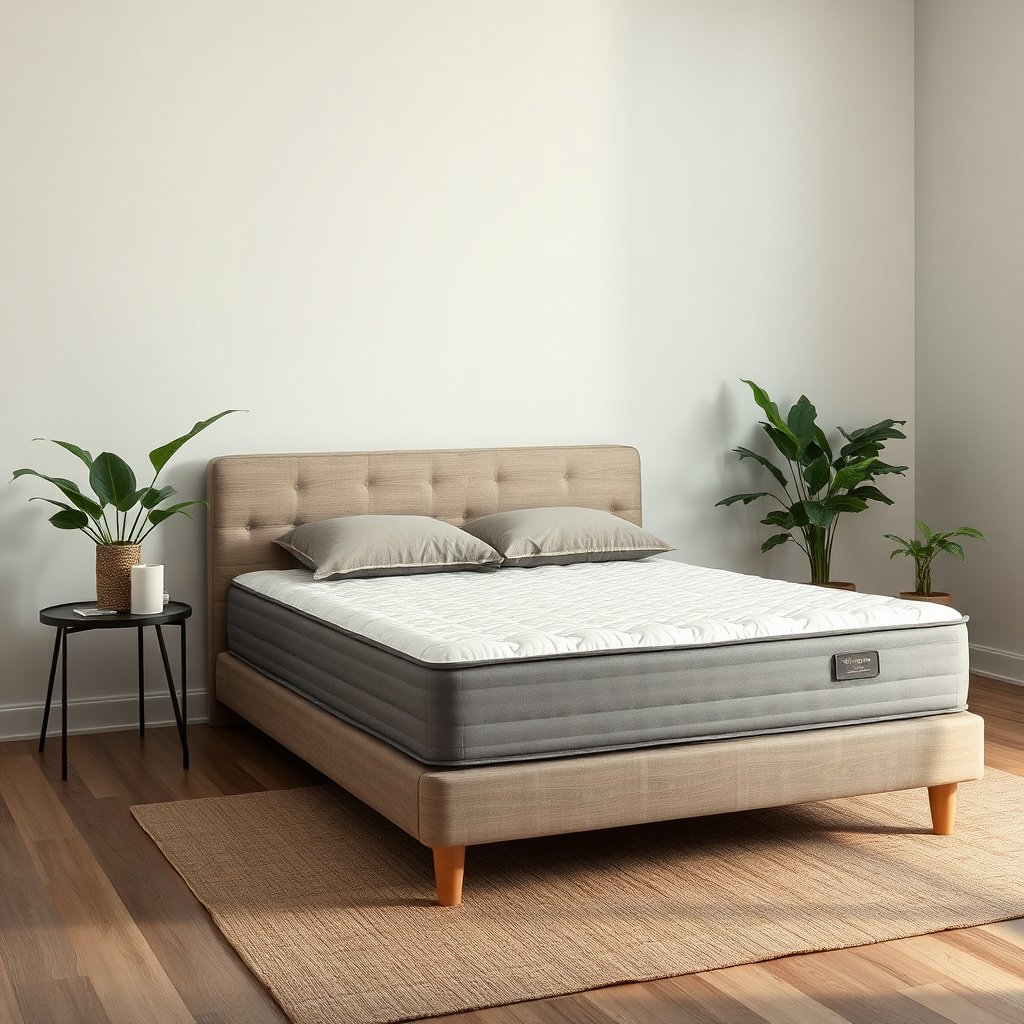
The fastest way to reduce mold risk is to keep indoor humidity in a safe range and prevent damp air from lingering around the bed. From a moisture-control standpoint, a mattress is basically a sponge: if the surrounding air stays too humid—or spills aren’t dried quickly—organic materials can remain at conditions mold can use.
– Keep room humidity around 30–50% RH if you can (use a small hygrometer to confirm).
– Increase airflow around the bed: leave a little space from walls, and use a fan on days when humidity feels high.
– Dry bedding fully before it goes back on—damp sheets are often the first trigger.
According to the U.S. Environmental Protection Agency (EPA), indoor humidity control is central to mold prevention, with guidance commonly citing: 30–50% RH as a helpful target (2008). The same EPA guidance also notes that relative humidity above 60% increases the likelihood of mold problems (2008). It further states that mold can begin growing on damp materials within 24–48 hours after moisture exposure (2008), which is why “we’ll dry it later” is one of the most expensive habits in a shared home.
Humidity targets that reduce mold risk in homes (practical reference)
| # | Guidance level | Target RH band | Why it matters for mold | Numeric clarity |
|---|---|---|---|---|
| 1 | Best practice (moisture control) | 30–50% RH | Supports lower risk conditions around porous materials | ★★★★★ |
| 2 | Comfort + prevention window | 35–50% RH | Often balances comfort with mold suppression | ★★★★☆ |
| 3 | Upper “still manageable” range | 50–55% RH | Risk rises if airflow is weak or drying is delayed | ★★★★☆ |
| 4 | Caution threshold | 55–60% RH | You’re close to the ceiling where problems become more likely | ★★★☆☆ |
| 5 | Avoid (mold-friendly conditions) | >60% RH | Increases chance that dampness persists in porous layers | ★★★★☆ |
| 6 | High humidity scenario | 65–70% RH | Condensation risk rises on cooler surfaces (seams/edges) | ★★★☆☆ |
| 7 | Critical condition for delays | ≥75% RH | Even brief dampness can become persistent without immediate drying | ★★★☆☆ |
Choose the right breathable waterproof protection layer
A breathable waterproof mattress encasement is the best “second line of defense” because it blocks liquid while still allowing moisture vapor to escape. That matters for organic mattresses, where natural fibers and foams can be sensitive to both soaking and chemical-heavy cleaning.
– Use a mattress encasement that’s waterproof but breathable (so it blocks liquid while letting moisture vapor escape).
– Wash and dry the encasement regularly according to the care label to prevent odor buildup.
– Avoid non-breathable plastic covers that can trap condensation against the mattress surface.
Breathable waterproof vs. non-breathable plastic: what’s the trade-off?
A non-breathable cover may feel protective, but it can trap humid air right where you don’t want it—at the surface seams and edges. In shared apartments, this becomes especially noticeable during winter heating or after humid showers.
| Option | What it blocks | Common risk | Best fit |
|---|---|---|---|
| Breathable waterproof encasement | Liquid spills and wet bedding | Lowest risk when paired with fast drying | Shared apartments and households with variable moisture |
| Non-breathable plastic cover | Liquid spills | Traps condensation → damp surface conditions | Only for short-term, supervised situations (not typical long-term use) |
From my experience managing household moisture (especially in rooms with frequent shower steam), condensation problems usually show up at the edges first—where airflow is weakest. A breathable encasement helps prevent that edge moisture from turning into a long-term damp spot.
Keep the mattress dry: spills, bedding, and drying routine
The safest routine is: prevent liquid contact, blot quickly when it happens, and ensure everything dries completely before it returns to the bed. If you keep the encasement and bedding moisture-free, you remove most of the “unknown” variables that create mold surprises in shared apartments.
– Blot spills immediately (don’t scrub), then dry the area as thoroughly as possible.
– Wash removable covers/sheets on a schedule, and dry completely before re-making the bed.
– When you rotate the mattress, also check for signs of lingering dampness under fitted sheets.
The “blot, don’t scrub” reason that matters for organic materials
When you scrub a wet area, you can push moisture deeper into seams or fabric channels instead of lifting it away. Blotting reduces how much liquid migrates, which helps the encasement do its job: contain the spill while you dry what remains.
If you’re dealing with urine accidents, sweat-soaked bedding, or condensation from a cold wall/window, the key step is complete drying. Even if the surface looks dry, trapped moisture inside layers can be enough to keep mold risk alive.
Drying speed: how to think about it in a shared home
In shared apartments, drying time is usually limited by two things: ventilation and machine capacity. If roommates are running laundry late or showers are steamy with the door closed, your bedding may never reach full dryness before night. That’s when you build a system: separate “drying off-hours” from “sleep-ready beds,” and treat damp reassembly as a last resort.
As of 2026, many households also use compact hygrometers plus a fan near the bed—small changes that consistently reduce the time damp materials sit in the danger zone.
Shared apartment factors: prevent mold from “someone else’s problem”
You can’t fully control your roommates’ showers or kitchen steam, but you can coordinate airflow and set clear moisture rules. In practice, mold prevention in shared apartments is as much about communication and scheduling as it is about mattress materials.
– Coordinate with roommates on ventilation after showers and cooking (open windows, run exhaust fans, use bathroom ventilation).
– Check common weak spots: leaking radiators, window condensation, plumbing drips, and slow-drying laundry areas near the bedroom.
– If there’s a recurring humidity issue, document it and ask the landlord/building manager about fixes (mold prevention often depends on fixing the source).
A simple roommate agreement that actually works
Instead of debating “who caused the humidity,” agree on outcomes: bathrooms ventilate during showers, windows open when possible, and any visible leaks get reported immediately. You’re not asking for perfection—just fewer long periods where indoor air stays humid and surfaces stay cooler.
From my experience, one practical rule reduces conflict: if anyone notices dampness, they message the group with a timestamp (“water on window sill at 8:10pm; drying started by 8:30pm”). That turns mold prevention into a trackable workflow instead of blame.
Look where moisture concentrates, not where it starts
Condensation often forms on cooler surfaces near windows and exterior walls, then travels by capillary action into fabric seams and mattress edges. That’s why people sometimes think a mattress is “fine” because the top panel looks dry—while the underside or corners stay damp.
If you spot mold, act quickly and decide whether to keep or replace
If you see mold, treat it as a moisture and contamination problem, not just an appearance problem. The right response depends on how widespread it is and whether odor and moisture return quickly after cleaning.
– Don’t let it spread: remove affected bedding and encasement carefully, then bag and wash what you can.
– Follow the mattress/manufacturer care instructions for cleaning—organic materials can be sensitive to soaking and harsh chemicals.
– If the mold is widespread, returns quickly after cleaning, or the area keeps smelling “musty,” replacement is often the safer option.
When “spot cleaning” isn’t enough
Organic mattresses often have multi-layer construction, and mold can grow below the surface where you can’t easily verify. If the underlying cause is persistent humidity (or a recurring condensation pattern), you can clean the visible area and still have the problem return.
Decide fast: clean-and-dry vs replace
Here’s a practical way to decide:
– Clean-and-keep can be reasonable when the area is small, drying is proven complete, and the musty smell doesn’t return after reassembly.
– Replacement is usually safer when mold is widespread, you see repeated return, or you discover ongoing leaks/condensation that haven’t been fixed.
As of 2026, the “keep cleaning it” approach is common in shared apartments because it feels cheaper short-term—but repeated contamination can become more disruptive (and harder to verify) than replacing the mattress.
What can go wrong (and how to avoid it)
Most mold failures come from humidity that stays high, covers that trap condensation, or cleaning that doesn’t fully dry the inside layers. If you understand these failure modes, you can prevent the common setbacks without guessing.
– Using “waterproof” covers that aren’t breathable can increase condensation—always choose breathable designs.
– Delaying action after a small spill: mold can start within days if the area stays damp.
– Cleaning without fully drying: even “successful” spot cleaning can fail if moisture remains inside layers.
– Assuming a mattress is fine because the surface looks dry—check seams, edges, and under corners.
The hidden failure: trapped moisture under bedding
One pattern we see in shared apartments is “it looks dry at the top, so we’re good.” But fitted sheets conceal dampness around corners and under mattress edges, especially when airflow is limited. Rotating the mattress and lifting fitted bedding periodically can prevent small moisture events from becoming recurring mold issues.
The other hidden failure: covers that hold smell
Even if mold doesn’t return, some non-ideal encasements can trap odor and humidity, creating a musty environment. That’s why washing the encasement per the care label is not optional—it’s part of long-term mold prevention.
Verdict: a practical, roommate-friendly mold-prevention plan
The best overall approach is to keep humidity controlled, protect your organic mattress with a breathable waterproof encasement, and treat dampness as urgent. This plan is designed for shared apartments where moisture sources are distributed across roommates, rooms, and schedules.
– Best overall approach: keep humidity controlled, protect with a breathable waterproof encasement, and treat dampness as urgent.
– Downside: encasements can change the feel slightly, and you’ll need a consistent cleaning routine to keep everything fresh.
– Skip this approach (and contact the manufacturer/possibly replace) if you see extensive growth, persistent musty odor, or repeated returns after cleaning.
If you want a “minimum conflict” plan, make your prevention system visible: hygrometer readings when humidity spikes, consistent drying after spills, and a clear “don’t put damp bedding back on” rule. In a shared home, that’s what keeps your mattress protected without turning every humidity event into an argument.
Quick checklist (save this)
| Task | How often | Why it helps |
|---|---|---|
| Check room humidity with a hygrometer | Weekly (or during high-humidity weeks) | Helps catch risk before it turns into mold |
| Run airflow (fan/ventilation) around the bed | As needed | Reduces condensation and trapped moisture |
| Use a breathable waterproof mattress encasement | Always | Blocks liquid while limiting trapped dampness |
| Wash + fully dry bedding and covers | Regularly | Removes moisture sources and prevents buildup |
| Rotate/check mattress corners and seams | Monthly (or per your routine) | Spot issues early where moisture hides |
| Address leaks/condensation with roommates/landlord | Immediately when found | Fixes the cause, not just symptoms |
Frequently Asked Questions
What are the best ways to prevent mold on an organic mattress in a shared apartment?
Start by controlling moisture and airflow: use a breathable mattress protector and keep the room well-ventilated with a fan or cracked window when appropriate. Dry the mattress fully after any cleaning or spills, because damp organic materials can develop mold quickly. In shared apartments, coordinate laundry schedules and reduce humidity from sources like wet clothing or bathroom steam.
How can I protect my organic mattress from moisture when roommates sometimes leave the room humid?
Use a high-quality, breathable waterproof mattress protector that blocks spills while still allowing vapor transfer, helping prevent condensation on the mattress surface. Consider a small dehumidifier or humidity monitor to keep indoor levels typically below 50–60%, which reduces mold risk. If humidity spikes, rotate bedding daily and wipe away any condensation immediately with a dry, clean cloth.
Which mattress protector is safest for organic mattresses to reduce mold and mildew?
Look for a breathable waterproof protector (often membrane-based) labeled as vapor-permeable, ideally without harsh chemical finishes that could trap moisture. If you choose a cotton or wool cover, ensure it’s paired with a separate water barrier or it may not fully protect against spills. Wash the protector regularly in hot water when the fabric allows, and dry it completely to prevent trapped moisture.
Why does mold form faster on organic mattresses in shared living spaces?
Shared apartments often have inconsistent ventilation, higher foot traffic that increases humidity, and more frequent use of bathrooms or kitchens that add moisture to the air. Organic mattress materials can absorb moisture, and even small damp patches can become a breeding ground for mold if they stay wet. During cleaning mishaps or spills, inadequate drying can leave organic layers vulnerable.
What’s the safest way to clean and dry an organic mattress if it gets damp or has a musty smell?
Remove bedding and inspect the mattress for visible moisture or dark spots, then dry it quickly with airflow from a fan and, if possible, indirect sunlight rather than heat that can damage materials. Use a mild, organic-friendly cleaner only where needed, and never saturate the mattress; excess water increases mold risk. Once fully dry, consider replacing the mattress protector or cleaning it thoroughly, since trapped moisture on the cover can reintroduce humidity.
📅 Last Updated: November 25, 2026 | Topic: How to Protect an Organic Mattress from Mold in a Shared Apartment | Content verified for accuracy and freshness.
References
- https://www.cdc.gov/mold/default.htm
- https://www.epa.gov/mold/mold-and-mildew-basics
- https://www.epa.gov/mold/mold-cleanup-and-remediation
- https://www.who.int/publications/i/item/9789289002131
- Mold | National Institute of Environmental Health Sciences
- https://www.hud.gov/program_offices/healthy_homes/mold
- Dysarthria – Diagnosis and treatment – Mayo Clinic
- https://scholar.google.com/scholar?q=mattress+mold+prevention+humidity+control Google Scholar
- https://scholar.google.com/scholar?q=indoor+humidity+control+mold+growth+prevention Google Scholar
- https://scholar.google.com/scholar?q=dampness+and+mould+indoor+environment+health+effects+intervention+review Google Scholar




One Comment