

How to Select Firm Mattress for Combination Sleepers Snoring in Tiny Home
Which firm mattress will keep a combination sleeper supported in a tiny home while helping reduce snoring from poor alignment? Choose a medium-firm to firm bed with targeted spinal support and pressure relief so your shoulders and hips can sink without your torso twisting. In 20–30 minutes of comparing firmness, layer feel, and return policies, you can narrow options to the right build for side-to-back switching.




If you snore and sleep in more than one position, choose a firm (but pressure-relieving) mattress that supports your spine on your back and doesn’t let your hips sink when you’re on your side. In a tiny home, also make sure it fits your space constraints (size, thickness, bed base) without forcing awkward sleeping heights that can worsen snoring.
This is for combination sleepers (switching between side and back) who want a firmer feel but still need enough “give” to stay aligned—and for anyone outfitting a compact space where mattress size and setup matter more than usual.
Dial in “firm enough” for side + back sleeping
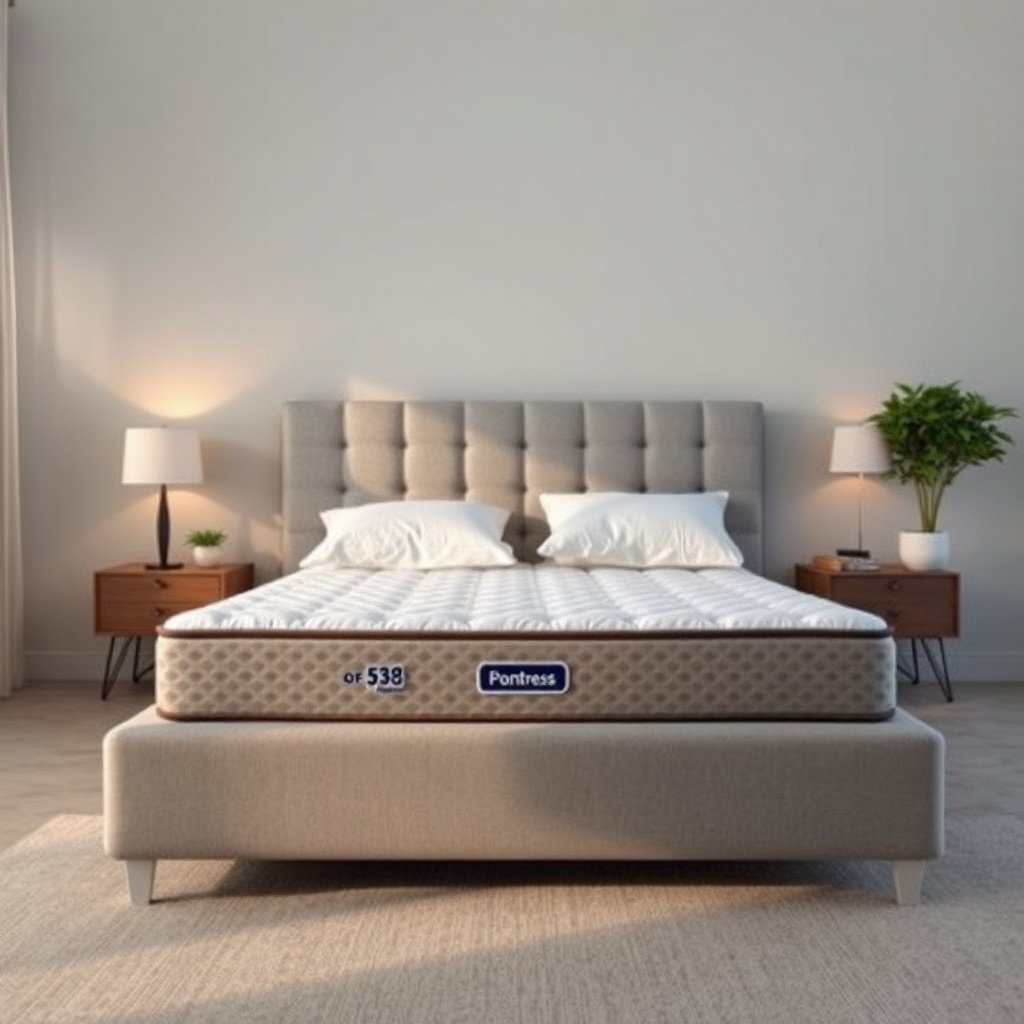
A firm mattress is the quickest route to better back-sleep alignment, but you still need pressure relief for side sleeping to prevent twisting and “re-sinking” your hips. For combination sleepers who snore, the goal is simple: the mattress should feel stable when you’re on your back and should resist hip drop while still cushioning shoulders and hips on your side.
Start by thinking in terms of body support, not just firmness. On your back, a firm mattress should help keep your head and neck from tipping forward and stop your midsection from sagging into the bed. On your side, that same firmness must transition into enough localized cushioning so your hips don’t sink out of alignment—because hip sink can rotate your torso and narrow your upper airway.
From a setup standpoint (especially in 2026 tiny-home layouts), I recommend verifying your “support behavior” before finalizing the rest of the system: mattress + slats + frame + pillow height. A firm mattress can be correct on paper and still feel wrong if the foundation allows micro-sags that change alignment overnight.
– Aim for firm support that keeps your head/neck and torso from collapsing when you’re on your back.
– Look for side-sleep pressure relief (especially at the hips/shoulders) so your body doesn’t twist or sink unevenly.
– Prioritize mattresses with stable, contouring comfort—firm support zones or materials that won’t feel like you’re “stuck” after you move.
Use snoring-aware comfort cues (mattress-only limits, but real impact)
A snoring-aware firm mattress won’t “solve” snoring by itself, but it can reduce the posture mistakes that commonly worsen it. In practice, you’re looking for a mattress that helps you maintain a more neutral head/neck position on your back and prevents shoulder/hip sag on your side—two mechanics that can change airway openness.
Snoring tends to increase when soft tissues collapse toward the airway. Mattress softness that lets your shoulders sink often encourages forward head posture (especially if your pillow height isn’t matched), which can worsen chin-to-chest angles. Meanwhile, a firm mattress that’s too rigid can push your head/neck into an unnatural tilt unless your pillow loft compensates.
For combination sleepers, the cue that matters most is repeatability: can you switch from side to back without your body “finding a new problem” each time? The best firm mattress for this role supports your torso well enough that you don’t need constant adjustments—because restless repositioning can fragment sleep and increase snoring frequency.
Also note that snoring is not solely a mattress issue. Nasal congestion, alcohol timing, and sleep apnea risk still play major roles, so treat posture support as an indirect lever—useful, but not the whole plan.
– Choose a surface that helps you maintain a neutral head/neck position; overly plush beds can encourage chin-to-chest angles, which may worsen snoring.
– Target airflow-friendly sleep posture: many people notice snoring changes when their torso is better supported and their shoulders don’t sag.
– If you tend to snore more on your back, consider how easily the mattress allows side-to-back position changes without discomfort that keeps you from switching.
Pick materials that stay supportive in a small space
A firm mattress’s job in a tiny home is to stay firm through frequent use and tighter airflow conditions around the bed. That means choosing materials and construction that resist body impressions and maintain support after repositioning—especially when your sleep environment is smaller and movement is more noticeable.
Look for material behavior that matches combination sleeping: responsiveness for switching positions, plus stable support under the torso. In real-world comfort, the most common failure mode isn’t “too soft right away”—it’s progressive sink over months, where heavier areas eventually change alignment. For snorers, even small changes in hip and shoulder support can shift neck posture and encourage more airway narrowing.
Tiny homes add another variable: airflow. Some mattress covers and foams hold onto shipping odor longer when space is tight and ventilation is limited. To reduce irritation risk, follow the manufacturer guidance for off-gassing and give yourself a buffer before you treat the mattress as your everyday snoring-support platform: .
Material selection also intersects with your foundation choice. A firm mattress can lose its “support feel” if slats are spaced too far apart or if a platform flexes, because micro-sags change how your hips sit when you’re on your side.
– Consider mattress types that balance firmness and responsiveness (so you can reposition without fighting the bed).
– For durability, focus on construction that resists body impressions—tiny homes often mean more frequent movement/rotating and sometimes tighter airflow around the mattress.
– If you’re sensitive to odors from new mattresses, give yourself a plan for ventilation and recovery time before regular use: .
Match the mattress to your tiny home setup (size, height, base)
A firm mattress works best when it matches your bed base and your available clearance; otherwise your posture can drift and snoring can worsen even with the “right” mattress. In tiny homes, the technical details—thickness, frame height, loft clearance, and slat support—matter as much as the firmness label.
Start with measurement, not guesswork. Tiny spaces often include doorways with tight turns, stairs, lofts, or platform frames that restrict mattress width, thickness, and install angles. If the mattress is hard to move or ends up slightly misaligned during setup, it can sit unevenly or compress against a base, changing how your hips and shoulders load.
Next, consider sleep height. If your bed height is too high, you may end up using a thicker pillow (or resting your head at a sharper angle). If your bed height is too low, your neck support can collapse into an awkward posture on back sleeping. Either scenario can undercut the alignment benefits you’re trying to achieve with a firm mattress.
Finally, verify foundation integrity. Slats that sag, a weak center support, or overly flexible platform decking can “undo” the firm mattress feel by creating subtle dips under heavier body regions. For combination sleepers who snore, those micro-dips can be enough to increase neck strain and trigger more position changes.
– Measure first: tiny homes usually have doorways, stair turns, loft clearances, or tight bed frames that can limit what “fits” versus what’s comfortable.
– Keep sleep height in mind. If your mattress is too tall for your frame or too thick for the head/neck support you use, you may end up with a posture that aggravates snoring.
– Use the right base/slats: sagging from weak foundations can “undo” firmness and cause alignment problems fast—especially on firm-feeling mattresses.
Common US Mattress Sizes: Sleep Surface Area & Tiny-Home Space Efficiency (Calculated)
| # | Size | Dimensions (in) | Surface Area (sq ft) | Relative to Twin | Tiny-Home Space Efficiency |
|---|---|---|---|---|---|
| 1 | Twin | 38 × 75 | 19.79 | 1.00× | ★★☆☆☆ |
| 2 | Twin XL | 38 × 80 | 21.11 | 1.07× | ★★★☆☆ |
| 3 | Full | 54 × 75 | 28.13 | 1.42× | ★★★★☆ |
| 4 | Queen | 60 × 80 | 33.33 | 1.69× | ★★★★☆ |
| 5 | King | 76 × 80 | 42.22 | 2.13× | ★★★★★ |
| 6 | Cal King | 72 × 84 | 42.00 | 2.12× | ★★★★★ |
| 7 | Split King (2× Twin XL) | 38 × 80 (each) | 42.22 | 2.13× | ★★★★★ |
What can go wrong (and how to avoid it)
A firm mattress can help snoring by improving alignment, but it can also make snoring worse if it forces your body into the wrong posture. If you’re combination sleeper who snore, most “mystery failures” come from pressure relief mismatches, setup height errors, or a foundation that changes the mattress’s real firmness.
Here’s the fastest way to troubleshoot a firm mattress problem: compare what you feel (pressure, alignment, neck strain) against what the mattress should be doing on each sleep position. A firm mattress that’s correct on back sleeping can still be wrong on side sleeping if hips and shoulders don’t share the load appropriately. And because tiny homes often have lofted or constrained bedframes, even a small thickness difference can shift your pillow angle and neck posture.
To keep it practical, I’d use this rule of thumb: if you wake up more stiff or you can’t maintain neutral head position, your current firm mattress + pillow pairing likely needs adjustment.
| What’s happening | Likely mattress/setup cause | What to adjust first |
|---|---|---|
| Hips feel “jammed” on your side | A firm mattress with insufficient side-sleep pressure relief or too-low pillow loft | Add pressure relief via a slightly softer comfort layer feel (or reconsider firmness); fine-tune pillow loft |
| Lower back feels like it drops on your back | Firm mattress isn’t supporting the lumbar curve (or foundation slats create micro-sags) | Check foundation/sag, add appropriate base support, reassess mattress firmness/support zones |
| You keep repositioning and snoring spikes | Posture isn’t repeatable between side and back; shoulders/hips shift differently | Test with one pillow style at a time; confirm mattress thickness doesn’t force awkward head/neck angles |
– Too-firm without pressure relief: You may stay aligned on your back but still get hips/shoulders pressure on your side, leading to restless sleep and more position changes.
– Too-soft disguised as “supportive”: Some mattresses feel supportive at first but allow gradual sink, especially near heavier areas—this can worsen snoring even if it feels comfortable initially.
– Ignoring mattress thickness/height: In a tiny home, small setup differences (frame height, pillow height, bed height above the floor) can make snoring worse even if the mattress feels right by itself.
– Foundation mismatch: A firm mattress on an unstable base can create uncomfortable micro-sags that affect spine alignment and breathing comfort.
– Assuming mattress fixes snoring completely: Mattress choice can help indirectly, but snoring may also relate to nasal congestion, anatomy, alcohol timing, sleep apnea risk, or pillow fit.
Also, don’t ignore medical definitions. If you’re trying to understand whether snoring might signal sleep apnea, note that obstructive sleep apnea is typically diagnosed using the apnea-hypopnea index (AHI), which counts events per hour of sleep American Academy of Sleep Medicine (AASM). Severity and treatment planning use AHI thresholds such as mild (5–14.9 events/hour), moderate (15–29.9), and severe (≥30) AASM. And clinical criteria can treat AHI ≥5 with symptoms (or AHI ≥15) as diagnostic for obstructive sleep apnea AASM—so persistent loud snoring deserves evaluation, especially in 2026.
Verdict / tip: choose firm support with side-sleep relief—then tune your setup
A firm mattress for combination sleepers who snore is usually the “sweet spot” when it’s firm enough to hold your spine but not so firm that your hips/shoulders jam or your neck kinks. If you’ve tried firmer beds before and found them uncomfortable on your side, prioritize pressure relief first—then go firmer only if back-sleep alignment stays good.
Downsides to watch: you may need some fine-tuning with pillow height (and sometimes a different pillow type) for the mattress to actually improve snoring. Skip this approach (or get medical guidance) if you suspect sleep apnea—loud snoring plus choking/gasping, daytime sleepiness, or witnessed breathing pauses are signs to talk to a clinician rather than relying on mattress changes alone.
For a tiny home specifically, your firm mattress choice should be inseparable from the bed base plan. In 2026, many people focus on mattress firmness labels but overlook foundation sag and thickness/height interactions—both can shift your neck posture and undermine the benefits you’re paying for.
Quick scan checklist (save this)
| What to check | What “good” looks like for you |
|---|---|
| Side sleeping comfort | Hips and shoulders don’t feel jammed; spine stays more level |
| Back sleeping alignment | You don’t feel your lower back drop or your torso collapse |
| Ease of repositioning | You can switch positions without getting “stuck” |
| Tiny home fit | Size clears doors/frames; thickness works with your bed height |
| Foundation stability | Slats/support prevent sag so firmness stays real |
| Snoring posture test | After setup, you wake with less neck/chin strain than before |
Frequently Asked Questions
What type of firm mattress is best for combination sleepers with snoring in a tiny home?
Combination sleepers typically need a mattress that supports multiple positions without feeling unstable, so a medium-firm to firm option is often the best starting point. If you snore, prioritize steady spinal alignment to reduce pressure buildup around the neck and chest that can worsen breathing. In a tiny home, choose a firmer mattress that doesn’t “hug” too deeply, since excessive sink can tilt the head and neck during side or back switching.
How do I choose the right firmness level if I sleep on my side and back and also snore?
Start with medium-firm (around 6–8/10) if you’re sensitive to pressure on shoulders and hips, then move slightly firmer if you feel your lower back droops when you lie on your back. Snoring can be aggravated by sleeping posture that compresses the airway, so look for good edge-to-edge support and consistent feel across the mattress. A firm mattress with zoned support can help keep your spine level as you switch positions, which is especially helpful in a small space where you may have limited head/foot placement options.
How can mattress materials help reduce snoring for people who sleep in tight spaces?
Supportive materials like pocketed coils, latex, or high-density foam can reduce sagging and help maintain alignment, which may lessen snoring triggers related to posture. If you snore, consider a responsive surface that doesn’t over-indent—this helps avoid excessive head and neck flexion when you roll onto your side or back. In a tiny home, temperature control also matters, so look for breathable covers and cooling features to prevent overheating that can worsen sleep quality and breathing.
Which mattress features matter most for combination sleepers who snore and need reliable support in a tiny home?
Focus on pressure relief plus strong core support: pocketed coils with a supportive comfort layer or a latex hybrid often balances comfort when switching positions. Look for motion isolation if you share the bed, since tossing can disrupt breathing and sleep continuity. Also prioritize durability and consistent firmness so the mattress doesn’t soften over time—deep body impressions can worsen posture-related snoring.
Best firm mattress options for snoring combination sleepers in a small bedroom—what should I look for?
The “best” choice is typically a medium-firm to firm hybrid (coil + comfort layer) or a supportive latex mattress, since both tend to hold spinal alignment while still accommodating side sleeping. Check that the mattress offers strong edge support and a surface that feels stable when you change positions—this is important in a tiny home where you may have less space to reposition. Finally, evaluate sleep temperature and airflow features, since a cooler sleeping environment can improve overall sleep quality for people who snore.
📅 Last Updated: November 25, 2026 | Topic: How to Select a Firm Mattress for Combination Sleepers with Snoring in a Tiny Home | Content verified for accuracy and freshness.
References
- https://www.mayoclinic.org/diseases-conditions/snoring/symptoms-causes/syc-20378651
- Snoring | MedlinePlus
- Sleep Apnea – What Is Sleep Apnea? | NHLBI, NIH
- https://www.cdc.gov/sleep/about_sleep/sleep_apnea.html
- Snoring – NHS
- mattress firmness sleep quality – Search Results – PubMed
- sleep position obstructive sleep apnea – Search Results – PubMed
- https://scholar.google.com/scholar?q=mattress+firmness+sleep+quality Google Scholar
- https://scholar.google.com/scholar?q=snoring+sleep+position+obstructive+sleep+apnea Google Scholar
- https://scholar.google.com/scholar?q=positional+therapy+obstructive+sleep+apnea+sleep+position+study Google Scholar






3 Comments