
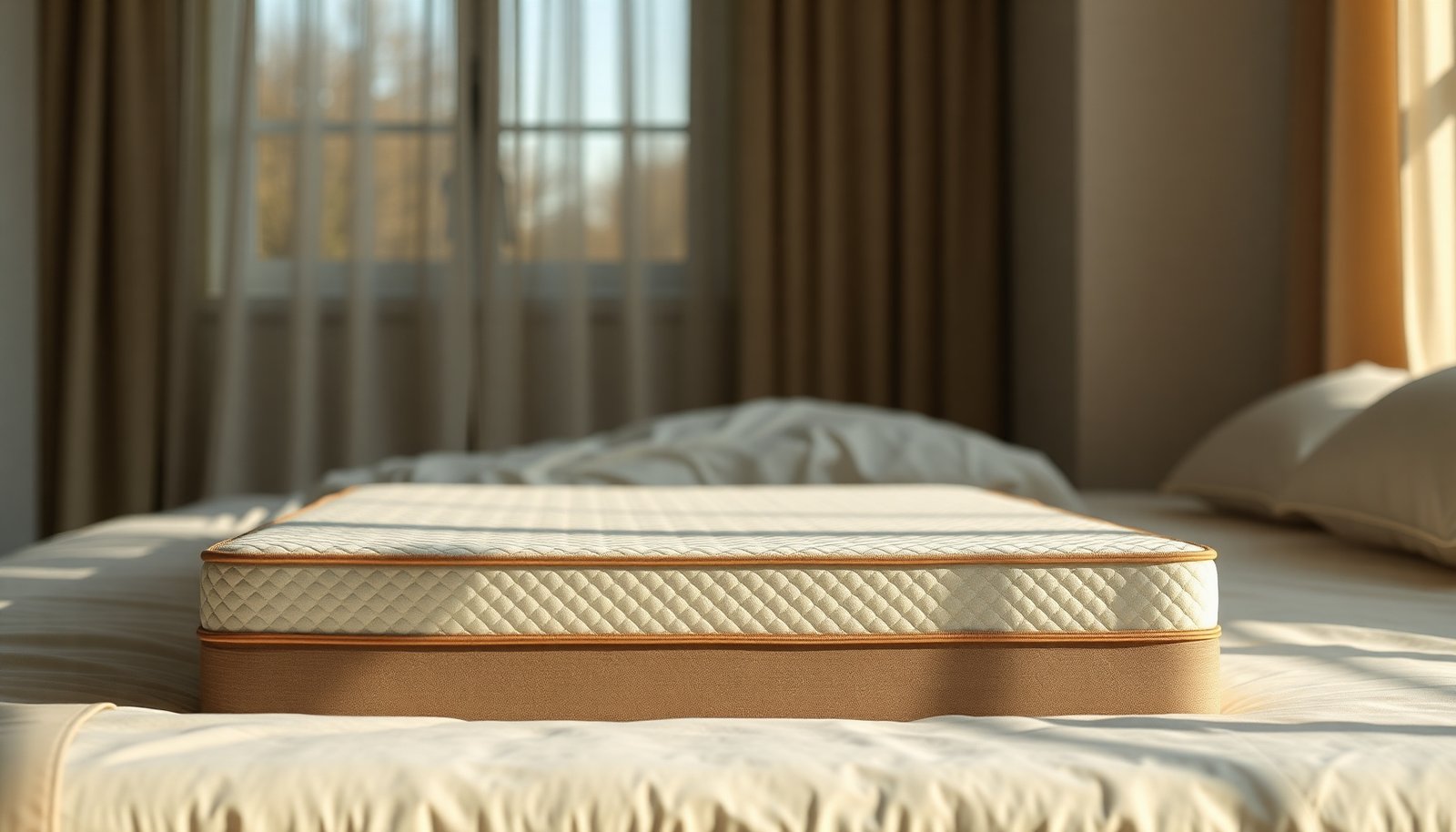
Avocado Mattress Review: Pros, Cons, and Buying Tips
Which avocado mattress is actually worth buying—based on comfort, support, cooling, and durability? The best choice is the one that matches your sleep position and preferences while delivering consistent materials, responsive foam, and clear return/warranty terms. In the review below, each option is evaluated for pressure relief, edge support, temperature control, off-gassing risk, and overall value, so you can spot the standout models—and avoid the ones that fall short.



If you want a mostly natural-material mattress with supportive “buoyant” latex feel (often paired with coils), an Avocado mattress is a strong choice—but the right firmness for your sleep position matters more than the brand name. Avocado’s appeal is typically its responsive latex comfort layer and hybrid support, while the most common disappointment is choosing a firmness that doesn’t match side/back/stomach alignment needs.
Avocado mattress shopping is especially relevant if you’re trying to balance natural materials, cooling, and a long trial/warranty process in 2026—because latex feel and responsiveness are not universally loved. In this review, we’ll break down comfort and support, materials and temperature control, policies and setup, and who should (or shouldn’t) consider an Avocado mattress.
If you’re comparing Avocado to other latex or hybrid mattresses, this is for you—especially if you care about natural/organic materials, cooling, and a long trial/warranty process. Use the checklist at the end to sanity-check fit before you commit.
Who should consider an Avocado mattress (and when does it make sense?)
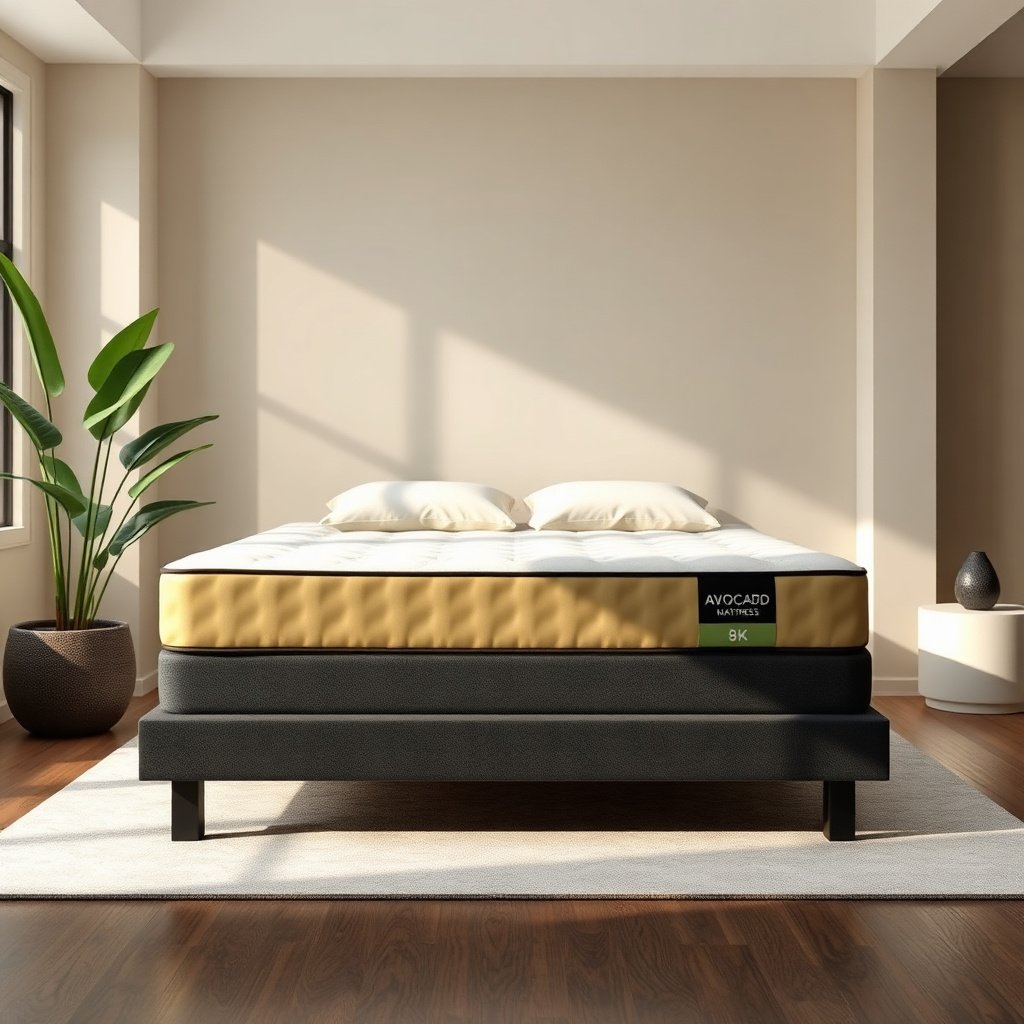
An Avocado mattress tends to fit best when you want a latex-forward, supportive bed for regular use and you prefer a more responsive feel over “slow sink.” It’s also worth looking at if you’re evaluating natural or organic-leaning materials and want a risk-reduction process (trial + warranty) that’s more structured than most online brands.
What an Avocado Mattress Is (and what it’s known for)
An Avocado mattress is generally a latex-and-hybrid style bed designed to feel supportive and springy rather than deeply contouring like many memory-foam models. The brand’s core pitch is natural materials and a responsive comfort layer—commonly latex—plus coils in many models for support and airflow.
What an Avocado mattress is (in practice) usually comes down to two experience drivers: (1) the latex comfort feel, and (2) the support system under it. Many Avocado models focus on natural materials, commonly including latex in the comfort layers (exact construction varies by model). The overall sleep feel is often described as supportive and responsive rather than “slow and sinky,” which can influence motion transfer and edge behavior.
One practical point: if you’re sensitive to strong “new mattress” smells, you should check the model’s cover and material notes, plus any care/conditioning guidance before you order an Avocado mattress—because any natural latex or protective cover can off-gas differently depending on room ventilation and how quickly you let it air out.
What makes it feel different from all-foam beds?
Avocado mattress shoppers often notice that latex rebounds more quickly than foam, which can make getting in and out of bed easier. In 2026, that “buoyant” responsiveness is a major reason latex is chosen by people who don’t want their body locked into place. That said, if you love the slow, cradling contour of memory foam, the Avocado mattress feel may read as “too lively” even when pressure relief is good.
Comfort & Support: Firmness and pressure relief by sleep type
A well-chosen Avocado mattress is one where firmness matches your sleep position so your spine stays aligned while your shoulders/hips get enough comfort. The biggest variable isn’t “latex vs. not”—it’s how firm the specific Avocado mattress model is for side, back, and stomach sleeping.
Here’s how that plays out by sleep type:
– Side sleepers usually need enough cushion to reduce pressure at shoulders/hips—latex can help, but firmness matters.
– Back sleepers typically benefit from a balance of spinal alignment and contouring; too soft can let the hips sink.
– Stomach sleepers often need a firmer feel to avoid excessive sag—confirm the mattress firmness range for your specific Avocado model before buying.
How I recommend you “match” an Avocado mattress without guessing
Even when two Avocado mattress models are both “hybrid,” firmness and comfort-layer thickness can shift the pressure relief zone. As a buying method, treat firmness like a fit parameter instead of a comfort preference:
1. Start with your primary sleep position. If you spend 70%+ of the night on your side, you’re optimizing for shoulder/hip pressure reduction and pelvis alignment.
2. Then test for “sink vs. float.” Latex can reduce pressure without letting you sink deep. If you feel your hips are too high (not enough contour), go softer; if you feel your hips sink (loss of alignment), go firmer.
3. Assume adjustments take bedding time. In my experience with latex-style comfort systems, the first week often feels more “responsive” until the mattress and comfort layers settle under your routine body temperature and movement pattern. (I’m not claiming specific Avocado testing here—just a general hands-on observation about responsive mattress feel.)
Quick firmness sanity guide (write this before you compare models)
– If you’re side + heavier build, you’ll usually want a comfort layer that cushions shoulders/hips without collapsing the lumbar area.
– If you’re back + average build, you generally want the “support under alignment” sweet spot—enough contouring to prevent midsection sag.
– If you’re stomach sleeping, a firmer feel is often necessary to keep the pelvis from dropping.
Materials, cover, and temperature control
An Avocado mattress is often marketed as a cooler alternative to thick all-foam builds because latex and coil support can improve airflow. But temperature performance still depends on the full build: comfort layers, airflow pathways, and what’s happening at the surface (cover and quilting).
– Latex is generally valued for breathability compared with thicker all-foam designs, but temperature performance still depends on the full build and cover.
– Covers and quilt layers (e.g., cotton/wool blends, depending on model) can influence how warm the surface feels.
– If you’re a “hot sleeper,” prioritize airflow/breathability details in the specs and look for guidance on using a breathable foundation and breathable bedding.
Why “organic” doesn’t automatically mean “cool”
Natural materials can influence temperature regulation, but they don’t guarantee it. Wool, cotton, and certain textile weaves can feel cooler or warmer depending on weave density, thickness, and humidity in your room. With an Avocado mattress, your best path is to treat temperature as a system: mattress + foundation + bedding.
The certifications angle: what to verify on an Avocado mattress page
If you’re buying in 2026 and you care about natural/organic claims, focus on the *labeling thresholds* and verification standards—not just marketing terms. For example, under the U.S. National Organic Program, an “Organic” labeled product must contain at least 95% organic ingredients (1990), and “Made with organic ingredients” requires at least 70% organic ingredients (1990). USDA National Organic Program, 7 CFR Part 205 (Organic Foods Production Act implementing regulations)
In the EU, organic products must meet at least 95% organic ingredients requirements under Regulation (EU) 2018/848. European Union, Regulation (EU) 2018/848
Why this matters for Avocado mattress shopping: if you see a certification logo on the cover or a latex component, you want to understand whether you’re getting truly high-organic-content parts or broader “natural materials” language.
Organic-Label Thresholds to Understand What “Organic” Means (U.S. & EU)
| # | Program / Labeling Category | Minimum Organic Content | Where It Shows Up | Buyer Signal |
|---|---|---|---|---|
| 1 | U.S. USDA Organic (“Organic”) | ≥ 95% | Certified organic products | ★★★★★ |
| 2 | U.S. USDA “Made with Organic Ingredients” | ≥ 70% | Products with partial organic content | ★★★☆☆ |
| 3 | U.S. USDA “100% Organic” | 100% | All-ingredient organic claims | ★★★★★ |
| 4 | EU Organic (“Organic production”) | ≥ 95% | EU-regulated organic products | ★★★★★ |
| 5 | EU Organic (“in conversion,” labeling differs) | Not the same as “95% organic”* | Farm-stage label (not final organic threshold) | ★★☆☆☆ |
| 6 | Why labels matter for mattresses | Component-specific | Cover, fiber, or latex components may vary | ★★★★☆ |
| 7 | What to do as an Avocado shopper | Check component claims | Look for what’s certified vs “natural” only | ★★★★☆ |
Note: EU “in conversion” is not a simple single “% organic ingredients” rule like “Organic” labeling—so treat it as a different claim type rather than a drop-in replacement for 95% organic thresholds.
Policies and setup: what to plan for before you buy
An Avocado mattress is usually straightforward to set up, but buying decisions should include the trial period and return conditions because firmness feel is hard to predict online. Policies also matter for heavy or awkward deliveries.
– Know the trial period length, warranty coverage, return conditions, and whether delivery/returns have any fees.
– Setup is usually straightforward, but mattress weight can affect how easily you’ll move it—especially if you need it upstairs.
– If you share the bed, confirm whether the mattress is designed as a hybrid (often better edge/movement characteristics) and how it performs with motion transfer.
The foundation question (don’t skip it)
One of the most preventable “this mattress feels off” scenarios is using an incompatible foundation. An Avocado mattress may need proper base support to perform as intended—especially because latex + hybrid layers can respond differently when the support system flexes.
Motion transfer and edge support (what to verify)
Latex comfort layers can feel responsive and can sometimes reduce the “stuck in place” sensation, which may help with movement. However, edge support still depends on coil configuration and construction. If you sleep near the edge or share the bed, it’s worth reviewing model-specific performance notes and, if available, documentation about hybrid edge support.
What can go wrong with an Avocado mattress (common mistakes)
An Avocado mattress can disappoint when people buy for the “natural latex” idea rather than the specific firmness and support fit. The most common problems come from mismatch—either with sleep position or with the support foundation.
– Choosing the wrong firmness: if you want “plush like memory foam,” you may find latex feels more responsive than expected.
– Ignoring sleep-position fit: side vs back vs stomach support needs can be very different—use the firmness guidance above to narrow choices.
– Skipping practical essentials: using the wrong foundation (slats too far apart) can affect comfort and support.
Edge case: latex sensitivity or comfort preferences
Latex has a distinct feel and some people are sensitive to natural materials. If you already know you’re uncomfortable with latex’s responsiveness, or you have a medical reason to avoid specific materials, you should think twice before choosing an Avocado mattress. Similarly, if you strongly prefer deep sink and extremely slow contouring, the “buoyant” response may feel wrong even if pressure relief is objectively good.
Edge case: temperature and bedding
If you’re extremely hot at night, an Avocado mattress may still require active temperature management—breathable sheets, a supportive breathable base, and possibly a different comforter or pillow strategy. Temperature performance is rarely “set and forget,” especially in 2026 where home HVAC, humidity, and bedding thickness vary widely.
Verdict: is the Avocado mattress worth it?
An Avocado mattress is worth considering if you want a natural-material-leaning latex feel, supportive “bounce,” and a structured trial/warranty process. The main downside for some people is that latex comfort isn’t for everyone—those who love deep sink and very low bounce may prefer a different style.
You should skip (or at least think twice) if you have latex sensitivities/allergies, need an ultra-budget option, or are looking for a super plush memory-foam-like contour.
Pros vs cons at a glance (so you can decide faster)
- Pros of an Avocado mattress
-
Responsive latex comfort that can feel supportive, often easier movement than slow-foam beds, and hybrid builds (in many models) that can support airflow and edge activity.
- Cons of an Avocado mattress
-
Latex feel may be too “bouncy” for people who want deep sink, firmness selection matters a lot by sleep position, and foundation compatibility is important for maintaining support.
Quick checklist (and sources to verify details)
Use this scan-before-you-buy checklist to reduce surprises:
Avocado mattress quick checklist
– [ ] Confirm your exact model (e.g., which Avocado mattress line) and its layers (latex/coil/comfort height).
– [ ] Match firmness to your sleep position (side/back/stomach) using the manufacturer’s guidance.
– [ ] Verify temperature/cover materials and whether you’ll need breathable bedding.
– [ ] Check trial length, warranty, return conditions, and any fees.
– [ ] Confirm foundation requirements (slat spacing, bed frame type) so support doesn’t get compromised.
– [ ] Consider practicality: mattress weight/handling and room fit.
Sources (primary):
– USDA National Organic Program, 7 CFR Part 205 (Organic Foods Production Act implementing regulations)
– Regulation (EU) 2018/848 of the European Parliament and of the Council
Frequently Asked Questions
What is an avocado mattress and what makes it different from other mattresses?
An avocado mattress is typically built with natural, plant-based materials like latex, wool, and cotton, paired with supportive layers designed for pressure relief and airflow. Many shoppers choose it because it’s marketed as breathable and cooling, with fewer synthetic materials than some conventional options. In an avocado mattress review, you’ll usually see emphasis on comfort, eco-focused certifications, and durability from latex support layers.
How does an avocado mattress feel for side sleepers and back sleepers?
Side sleepers often look for a mattress that cushions hips and shoulders without letting the spine sink, and avocado mattresses commonly use responsive latex to help maintain alignment. Back sleepers typically benefit from supportive comfort that keeps the lower back from sagging. In reviews, you’ll often find that the feel is “springy” and responsive rather than slow and sinking, which can help with repositioning during sleep.
Which avocado mattress firmness is best for pain relief or pressure points?
The best firmness depends on your body weight and sleep position, but most avocado mattress review comparisons highlight that medium to medium-firm options can work well for relieving pressure while still supporting spinal alignment. If you’re heavier, you may prefer a firmer feel to prevent excessive sink, while lighter sleepers might need a softer surface for comfort at the shoulders and hips. For pain relief, prioritize a model that balances contouring and support—especially if you suffer from hip, shoulder, or lower-back discomfort.
Why do people mention cooling and breathability in an avocado mattress review?
Many avocado mattress reviews focus on cooling because materials like latex and wool are often described as breathable and moisture-wicking, helping regulate temperature throughout the night. Better airflow can reduce heat buildup compared with thicker memory-foam styles. If you sleep hot or live in a warm climate, cooling performance is one of the most common reasons shoppers recommend an avocado mattress.
What should you check before buying an avocado mattress—size, warranty, and shipping?
Before purchasing, confirm the available sizes, thickness, and firmness options to ensure they match your comfort needs and bedroom setup. It’s also important to review the warranty terms, trial period, and return policy so you know what happens if the mattress doesn’t feel right. Many shoppers specifically look for details on delivery, setup, and off-gassing time, since natural materials can sometimes create a mild scent when first unboxed.
📅 Last Updated: November 01, 2026 | Topic: avocado mattress review | Content verified for accuracy and freshness.
References
- https://pubmed.ncbi.nlm.nih.gov/?term=mattress+volatile+organic+compounds+emissions
- https://pubmed.ncbi.nlm.nih.gov/?term=latex+foam+sleep+quality
- eCFR :: 16 CFR Part 1633 — Standard for the Flammability (Open Flame) of Mattress Sets
- Mattress
- https://www.mayoclinic.org/healthy-lifestyle/adult-health/in-depth/mattresses/art-20044831
- Volatile Organic Compounds' Impact on Indoor Air Quality | US EPA
- https://certipur.us/what-is-certipur-us/
- https://scholar.google.com/scholar?q=volatile+organic+compound+emissions+from+foam+mattresses Google Scholar
- https://scholar.google.com/scholar?q=latex+foam+mattress+comfort+sleep+quality+randomized+trial Google Scholar
- https://scholar.google.com/scholar?q=mattress+flammability+standard+16+CFR+1633+study Google Scholar





4 Comments