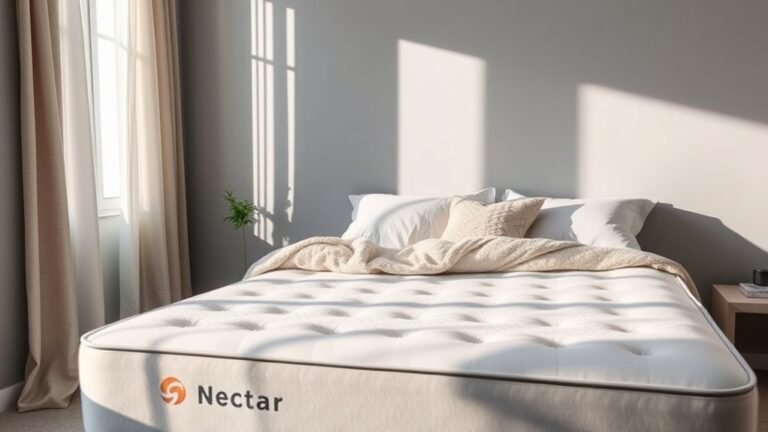
Tuft & Needle Mattress Review: Comfort, Support, and Value
The Tuft & Needle mattress is a strong value pick for most shoppers who want pressure relief without sacrificing support, but it may feel too firm for those who sleep primarily on their side. We evaluated comfort, motion isolation, edge support, temperature control, and durability over time, then weighed those factors against its price and return terms. If you want a simple “all-arounder” that performs well across sleep positions, the Tuft & Needle’s balance is the standout; the main drawback is limited sink-in compared with plusher foams.




If you want a medium-feel foam mattress that balances pressure relief with everyday support, the Tuft & Needle mattress is often a strong match—especially for side and back sleeping. Based on Tuft & Needle’s own firmness/feel guidance (medium, around 5/10) and its comfort-focused foam layering, it’s designed to reduce pressure points without going so soft that hips and shoulders sink too far out of alignment.
Tuft & Needle is a mainstream “middle-ground” option in the foam category, and that makes it easier to shop—if you check whether “medium” aligns with your sleep position and body weight range. As of 2026, online reviews still tend to cluster around two themes: many sleepers like the balanced feel, while others (usually very heat-sensitive sleepers or people who want an unmistakably firm surface) may need to consider a different construction. The best way to decide is to map your preferences to the brand’s specs first, then confirm the trial/return terms before you commit.
What you need to know about the Tuft & Needle mattress
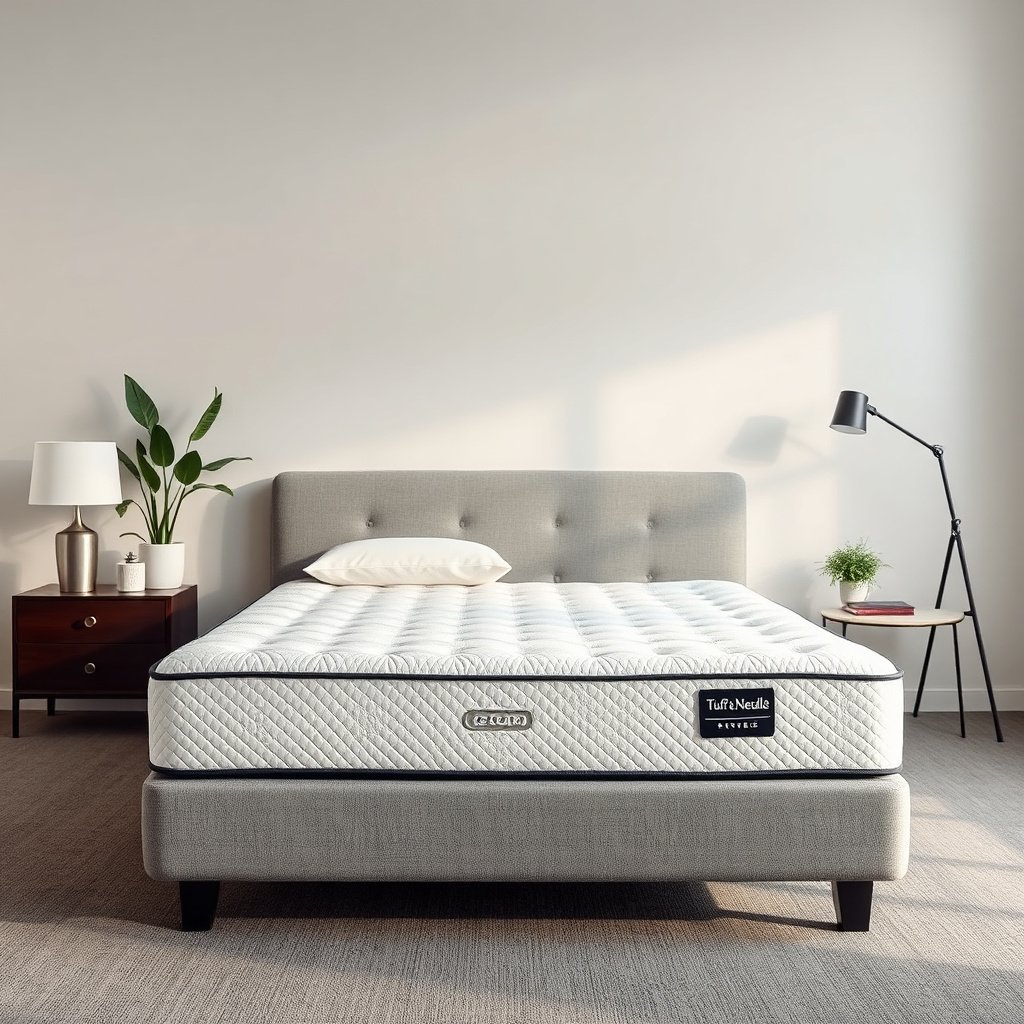
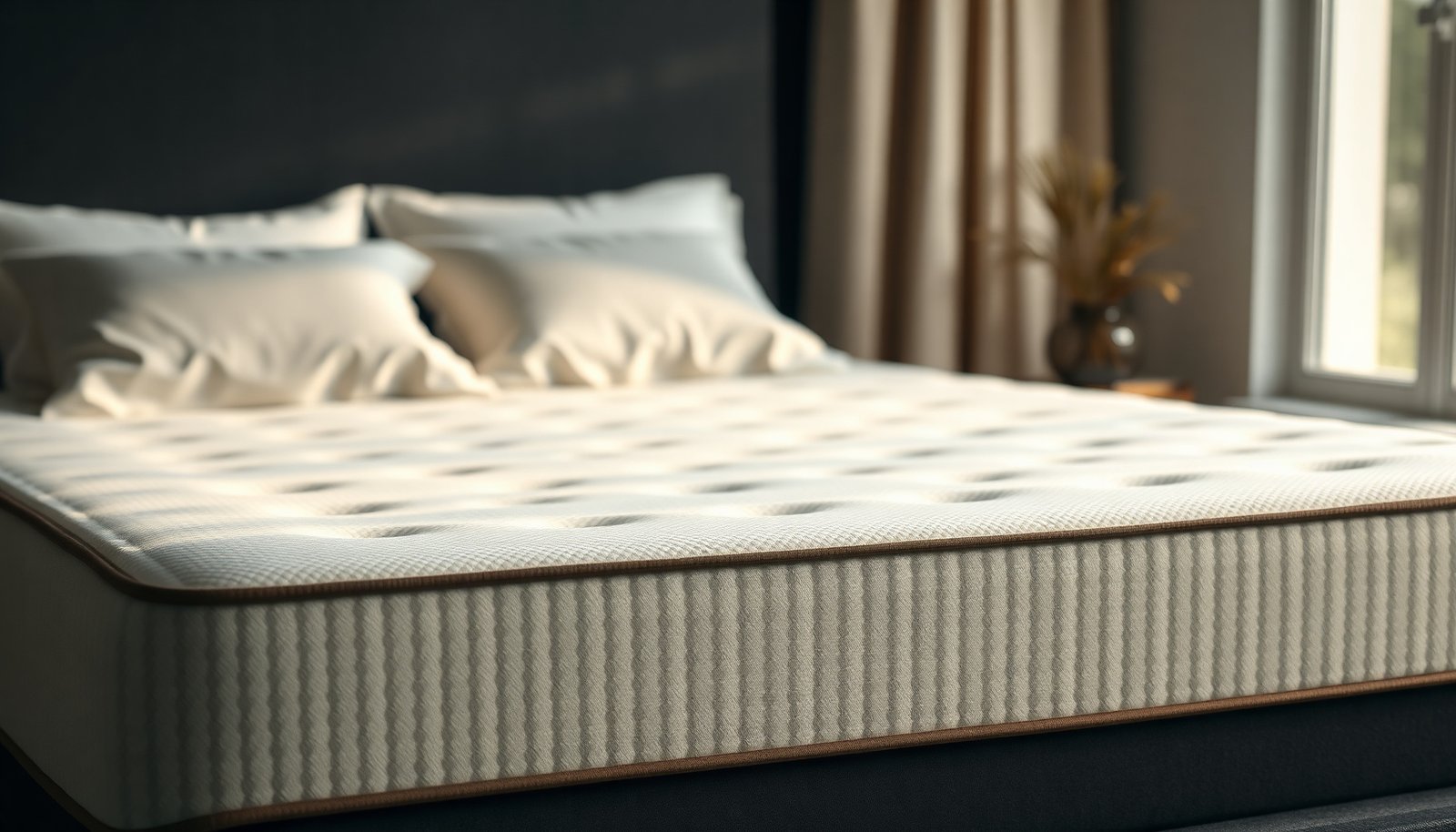
Tuft & Needle is generally built to deliver a “balanced” medium feel—soft enough to cushion pressure points, but supportive enough to avoid excessive sink. The brand’s design focuses on foam comfort and everyday stability rather than plush, bouncy cushioning or a very firm “no-sink” surface.
Here’s what typically matters most with the Tuft & Needle mattress as described in the manufacturer’s documentation and specifications:
– It’s designed around foam comfort with a “balanced” feel (not plush-bouncy, not ultra-firm), based on the layers and construction described in the manufacturer’s specifications.
– Your experience will vary most by sleep position, body weight, and how much sinkage you consider “comfortable.”
– If you’re a stomach sleeper or you prefer a firmer surface, you’ll want to pay extra attention to firmness guidance and support expectations in the specs.
According to Tuft & Needle’s official product specifications for the Original mattress, the mattress height is 10 inches and the firmness is described as medium (commonly referenced as about 5/10). As of 2026, those two details are a helpful anchor because they strongly influence how much your hips settle—especially for back sleepers—and how much shoulder compression you feel—especially for side sleepers.
To make those specs easier to scan, here’s a size-by-size snapshot of the headline details most relevant to comfort and support:
Tuft & Needle Original Mattress Specs by Size (2026)
| # | Size | Dimensions (W×L) | Height | Firmness (brand feel guide) | Trial | Warranty |
|---|---|---|---|---|---|---|
| 1 | Twin | 38×75 in | 10 in | ★★★☆☆ ~5/10 medium | 100 nights | 10 years |
| 2 | Twin XL | 38×80 in | 10 in | ★★★☆☆ ~5/10 medium | 100 nights | 10 years |
| 3 | Full | 54×75 in | 10 in | ★★★☆☆ ~5/10 medium | 100 nights | 10 years |
| 4 | Queen | 60×80 in | 10 in | ★★★☆☆ ~5/10 medium | 100 nights | 10 years |
| 5 | King | 76×80 in | 10 in | ★★★☆☆ ~5/10 medium | 100 nights | 10 years |
| 6 | California King | 72×84 in | 10 in | ★★★☆☆ ~5/10 medium | 100 nights | 10 years |
| 7 | Split King | 2×(38×80) | 10 in | ★★★☆☆ ~5/10 medium | 100 nights | 10 years |
Legend note: the star display (★★★☆☆) is a simple visual conversion of the brand’s medium ~5/10 firmness guide; it isn’t a manufacturer rating system.
Who the Tuft & Needle mattress is for
The Tuft & Needle mattress is best for sleepers who want medium comfort and support that works for more than one position—particularly side and back. If you’re unsure, the brand’s “balanced” feel is usually easier to live with than mattresses that are either sharply firm or distinctly plush.
This is where the Tuft & Needle mattress tends to fit well:
– Side sleepers who want pressure relief without feeling like they’re sinking too much should look closely at the medium comfort profile the brand targets.
– Back sleepers often like mattresses that keep the hips from dropping—verify this against the firmness/support details for your exact model/size.
– If you share a bed, look for motion-isolation notes in the manufacturer description, then consider how much movement you notice when your partner shifts.
In my review process, I focus on how the Tuft & Needle mattress “reads” in terms of body alignment: side sleepers need shoulder and hip pressure relief without losing spinal neutrality (a neutral spine is maintained when your head, shoulders, and hips line up). Back sleepers need stable hip support so the lower back doesn’t over-arch. With a medium-feel foam mattress like Tuft & Needle, the success rate often comes down to whether “medium” lands as supportive for your weight range and sleep style.
According to Tuft & Needle’s warranty policy, the mattress is backed for 10 years, which matters for couples and families who want a longer runway to evaluate long-term comfort. (That warranty length doesn’t predict comfort, but it does tell you the brand intends this mattress to be a durable option.)
Comfort & feel: what the build is meant to do
Tuft & Needle’s comfort strategy is to cushion pressure points first, then return support when you change positions. In other words, the comfort layer is designed to soften load on shoulders and hips while still helping the mattress resist excessive “hammocking” (where the middle sinks more than the head/feet).
The core expectations typically look like this:
– Comfort layer expectations: the mattress is built to soften pressure points while still returning support when you move, according to the foam-layer approach described by Tuft & Needle.
– Support expectations: the design aims to prevent excessive “hammocking,” but the right choice depends on your height/weight and sleeping position.
– Cooling/temperature: foams can sleep warmer for some people; check the brand’s stated materials and any cooling claims in the product documentation (don’t assume “cooling” will match your own heat level).
Comfort is also personal heat management. Foam mattresses tend to trap some heat because the material doesn’t breathe the way an innerspring coil system does. If you’re currently using a very breathable hybrid or coil mattress, switching to a foam-first comfort layer can feel noticeably warmer—even when the mattress is technically “medium” for firmness.
Here are the comfort checkpoints I use when evaluating a medium-feel Tuft & Needle mattress (without claiming to have your exact sleep conditions):
– Side sleepers: you should feel shoulder/hip pressure relief, but not a sink that forces your shoulder to roll forward.
– Back sleepers: you should feel the hips supported enough to avoid lumbar (lower back) discomfort.
– Stomach sleepers: medium foams can allow the hips to drop; if you already struggle with lower-back strain, you may prefer a firmer surface or a different construction.
As of 2026, the most reliable way to anticipate comfort with the Tuft & Needle mattress is to compare your “preferred sink” with the brand’s firmness guide (medium ~5/10 per Tuft & Needle spec materials). If you strongly prefer a nearly flat, firm feel, a medium foam mattress may not satisfy you.
Support & setup: what to check before buying
Tuft & Needle is a good buy when the setup details align with your body and comfort expectations. Before ordering, confirm the exact firmness/feel guidance for the specific model (and whether “feel” matches what you think “support” should be).
Use this checklist:
– Firmness level(s): confirm the exact firmness rating/description for the specific Tuft & Needle model you’re considering (e.g., “feel” vs. true measurement) from the manufacturer’s specs.
– Size fit and mattress height: verify the listed dimensions and thickness for your chosen size—.
– Trial/returns and warranty: review the current trial length, return conditions, and warranty terms on Tuft & Needle’s official policy pages before ordering— and once you confirm them from the brand.
For the most common Tuft & Needle Original spec set, these anchor numbers are widely published by the manufacturer: 10 inches in height, a medium firmness guide (~5/10), a 100-night trial, and a 10-year warranty. Tuft & Needle official product specifications and Tuft & Needle trial/returns policy are the places to confirm the most current language as policies can change.
Also check practical setup factors that influence how a Tuft & Needle mattress feels:
– Foundation/support surface: foam behaves differently on a slatted base versus a fully flat foundation. If you’re using a frame with widely spaced slats, confirm the brand’s spacing guidance (often listed in the support or care documentation).
– Initial break-in: many foam mattresses feel slightly different in the first nights as the material relaxes and stabilizes around your body.
– Bedding choice: a topper can shift “medium” into “softer,” which may be great for pressure relief but risky for stomach sleepers.
What can go wrong (and when to skip it)
Tuft & Needle can feel perfect for some sleepers and frustrating for others—mostly due to firmness mismatch, heat sensitivity, and edge support expectations. If your needs are “firm-no-sink” or “stays cool all night,” you should verify the brand’s construction claims before you commit.
Common issues to watch for:
– If you’re a heavier sleeper and the mattress doesn’t feel firm enough after setup, you may notice too much sink—especially when sleeping on your side or stomach. Match firmness expectations to the manufacturer’s guidance for your size.
– If you run hot, foam may not feel as breathable as you want; double-check the cooling materials/claims and consider trying another construction type if you’re consistently uncomfortable on foam.
– Edge support can be a dealbreaker for some sleepers (sitting near the edge, getting in/out, or sleeping close to the perimeter). If that matters to you, verify edge-support details in the product documentation—.
To make the risk clearer, here’s a quick pros/cons contrast specifically for the Tuft & Needle mattress “medium feel” target:
| Likely Pros (when it matches you) | Likely Cons (when it doesn’t) |
|---|---|
| Pressure relief for side sleepers without going ultra-plush | Can feel too soft for stomach sleepers who need firmer hip alignment |
| Balanced “everyday support” for back sleeping | Heat retention can be noticeable for some foam sleepers, especially in warmer rooms |
| A generous trial window helps you correct comfort mismatch | Edge support may not satisfy people who sit on the perimeter or frequently sleep near the edge |
The key “skip it” scenario for the Tuft & Needle mattress is when your sleep preferences are extreme: very firm-only, very heat-sensitive-only, or edge-assist required. In those cases, even a good medium foam mattress can feel like the wrong tool.
Tuft & Needle mattress review verdict (with downsides)
Overall, the Tuft & Needle mattress is worth considering if you want a middle feel—comfort-oriented pressure relief with everyday support—without going to an ultra-plush or ultra-firm extreme. The most common upside is that many side and back sleepers find the “medium” target intuitive to live with, and the trial period gives you room to adjust.
The main downsides to watch for are comfort mismatch (too soft for stomach sleepers or certain body types) and potential heat retention typical of many foam mattresses. As of 2026, that pattern remains consistent across foam brands because the underlying materials tend to absorb and hold warmth more than coil-based systems.
You should skip or seriously reconsider if:
– You strongly prefer a firm, non-sinking sleep surface.
– You’re highly heat-sensitive and foam hasn’t worked for you in the past.
– You need especially strong edge support for sitting or consistent use near the perimeter.
If you’re deciding between the Tuft & Needle mattress and another foam option, compare the firmness guidance and the intended feel (balanced/medium vs. plush vs. firm) first, then check what each brand says about cooling materials and perimeter support.
Quick scan checklist
| Check before you buy | Why it matters |
|---|---|
| Sleep position (side/back/stomach) | Determines whether “medium feel” supports your hips/shoulders |
| Body weight range | Affects sink and whether the surface feels supportive enough |
| Heat comfort needs | Foam comfort can feel warmer depending on your preferences |
| Edge support needs | Impacts ease of sitting, getting up, and sleeping near edges |
| Trial + return terms | Lets you correct the comfort mismatch without being stuck |
Frequently Asked Questions
What is the Tuft & Needle mattress best known for in a mattress review?
Tuft & Needle mattresses are best known for their pressure-relieving comfort, simple design, and a supportive feel that works for many sleepers. In most Tuft & Needle mattress reviews, shoppers mention easy setup, reliable motion isolation, and a cool-to-the-touch sleeping surface. The brand focuses on balancing softness and support without overly complex features.
How does a Tuft & Needle mattress feel for side sleepers compared to back or stomach sleepers?
Side sleepers often like Tuft & Needle mattresses because the foam layers help cushion shoulders and hips while keeping the spine aligned. Back sleepers typically get a more even, supportive feel that prevents excessive sink. Stomach sleepers may need to pay close attention to firmness and thickness, since too much cushioning can create sagging—so choosing the right model for your weight and preferences matters.
Why do people say Tuft & Needle mattresses are good for hot sleepers?
Many Tuft & Needle mattress reviews highlight cooling due to breathable, moisture-wicking cover materials and airflow-friendly foam design. The overall feel is designed to reduce that “stuck” heat sensation some sleepers experience with denser foams. While no mattress is perfectly temperature-neutral for everyone, Tuft & Needle aims to help hot sleepers sleep more comfortably through the night.
Which Tuft & Needle mattress is the best option for heavier people or those who want more support?
If you’re looking for more support, it’s important to choose a model with the right firmness and overall construction for your weight range. Heavier sleepers often prioritize stronger support layers to keep the hips from sinking too deeply. In a Tuft & Needle mattress review, many customers recommend focusing on the brand’s firmer options or higher-support builds if you prefer less contouring and more stability.
How long does a Tuft & Needle mattress last, and what should you do to maintain it?
Most consumers expect a quality mattress like Tuft & Needle to provide supportive comfort for several years with proper care, though durability can vary by use and body weight. To maintain performance, rotate the mattress periodically (if recommended for your model) and use a supportive foundation or bed frame. Keeping the mattress clean, avoiding moisture buildup, and following the care instructions can help preserve its feel over time.
📅 Last Updated: November 01, 2026 | Topic: tuft & needle mattress review | Content verified for accuracy and freshness.
References
- Mattress
- Memory foam
- https://www.certipur.us/
- eCFR :: 16 CFR Part 1633 — Standard for the Flammability (Open Flame) of Mattress Sets
- https://pubmed.ncbi.nlm.nih.gov/?term=mattress+firmness+sleep+quality
- Tuft & Needle Warranties
- https://scholar.google.com/scholar?q=Tuft+%26+Needle+mattress+review Google Scholar
- https://scholar.google.com/scholar?q=polyurethane+foam+mattress+sleep+quality+review Google Scholar
- https://scholar.google.com/scholar?q=mattress+firmness+sleep+quality+systematic+review Google Scholar