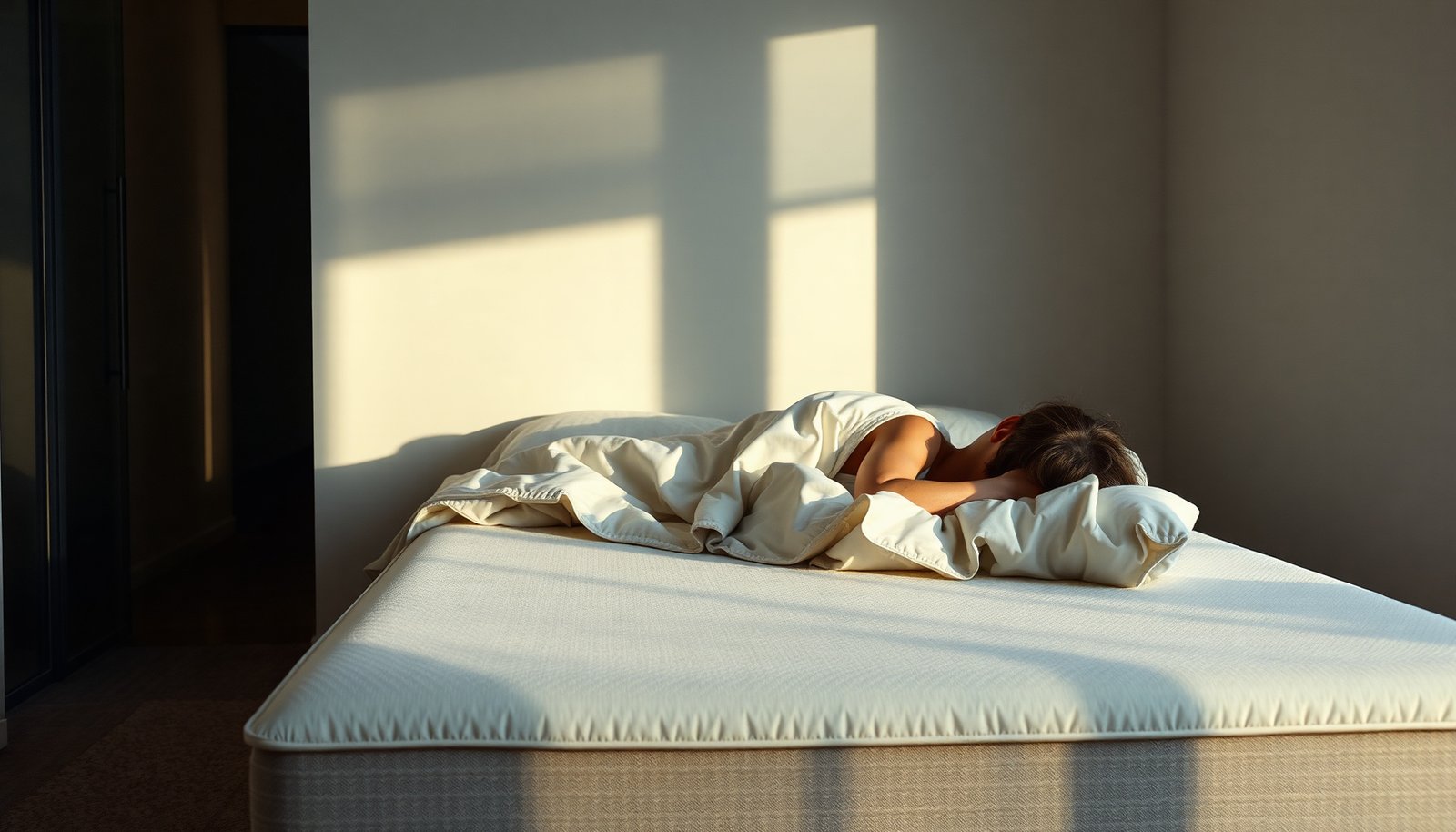
Choose Latex Mattress for Back Sleepers with Hot Flashes in Small Spaces
Back sleepers who shop only for “firm” latex in a small space often end up with a mattress that traps heat and fails to support the lumbar area through the night. The right latex choice can help you stay cooler while maintaining the alignment your back needs. In the next few minutes, you will learn what mattress size and thickness to target, how to evaluate latex type and firmness, and which cooling details to prioritize for hot flashes—without wasting time.




A medium-firm latex mattress is the best starting point for back sleepers with hot flashes in small spaces because it supports your lumbar spine while still allowing more airflow than many foam alternatives. To avoid overheating, you’ll also want a breathable, moisture-managing cover and a room-friendly height so heat doesn’t pool around your bed—something I’m especially careful about because small bedrooms tend to trap warmth quickly.
If this is you—back sleeping most nights, waking up warm or sweaty, and working with limited bedroom space—your “best” mattress is the one that solves both support and overheating without making your room feel cramped. Use the sections below to narrow choices quickly based on what actually matters for hot flashes and back alignment, and do it with a practical decision-matrix mindset (support, pressure relief, cooling, and fit).
Get the right lumbar support for back sleeping
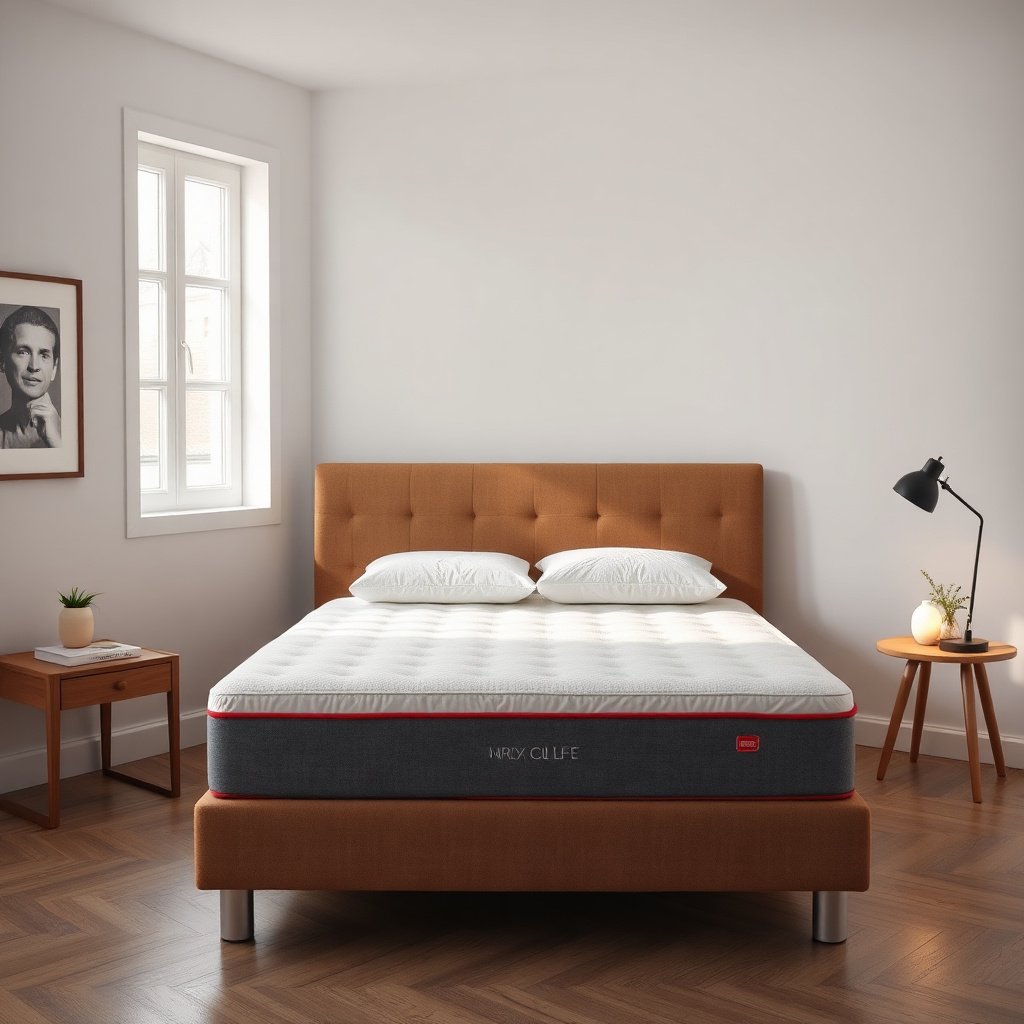
For back sleepers with hot flashes, the priority isn’t “soft comfort”—it’s keeping your spine level while your body feels supported. A medium-firm latex mattress usually does this best because it resists hip sink while still providing enough cushioning to avoid pressure buildup.
What you’re aiming for (in plain mechanics)
A latex mattress should support the lumbar area so your lower back doesn’t arch excessively—but it also shouldn’t force your hips to stay too high. In practice, you’re balancing two common failure modes:
– Too soft: hips sink into the mattress (“hammock effect”), which can increase lower-back strain.
– Too firm: pressure can build under the shoulders/upper back, and you may shift more at night—raising your body temperature through restlessness.
How to translate “medium-firm” into real shopping criteria
– Choose a medium-firm feel that supports your lower back without forcing your hips to sink too far.
– Prioritize mattress designs that keep your spine level (watch for “too soft” comfort layers that create a hammock effect).
– If you’re between feels, it’s usually safer to lean slightly firmer for back sleeping than softer.
H3: Use ILD thinking (not just firmness labels)
Latex firmness is often communicated through ILD (Indentation Load Deflection), which is defined by ASTM test methods as the force required to compress foam a set amount (commonly 25% compression) before the measurement is recorded. According to ASTM International’s foam testing standards, ILD is measured using a standardized indentation/compression procedure, which is why ILD can be more informative than vague labels like “plush” or “firm.” ASTM D3574
If a latex mattress lists ILD—or a comparable spec—look for ranges that correspond to medium-firm support rather than “soft” or “extra firm.” If it doesn’t list ILD, you can still screen by reviewing layer thickness and cover thickness (more on that under cooling).
Prioritize cooling for hot flashes (without sacrificing support)
For hot flashes, you need cooling that comes from the *sleep system*, not just a marketing promise. The best approach with a latex mattress is pairing breathable, moisture-wicking comfort surfaces with a construction that doesn’t trap heat.
Cooling is a system: cover + top comfort layer + airflow
Hot flashes aren’t only about room temperature—they’re also about how your bedding manages moisture and heat exchange at the skin. According to Sleep Foundation, an optimal bedroom temperature range for sleep is often cited around 60–67°F (15.6–19.4°C). Sleep Foundation
That matters even more in small spaces because heat can build faster when there’s limited airflow around the bed.
What to look for in a latex mattress
– Look for breathable, moisture-wicking covers and mattress constructions that don’t trap heat.
– Aim for materials/builds known for sleep-temperature neutrality (latex is often selected for airflow, but cover and design details still matter).
– Consider whether the mattress traps heat based on its top comfort layer thickness—very plush layers can feel warmer for some people.
H3: The “plush trap” test (what to check in listings)
When you shop in 2026, more manufacturers list cover fabrics and top-layer materials in detail than they used to. If your latex mattress has a very thick pillow-top comfort layer, your back can still be supported, but you may experience warmer skin sensation during a hot flash—especially if that top layer is enclosed in a less breathable cover.
A practical rule: if the comfort layer is described as “very plush,” “cloud-like,” or “deep contouring,” treat it as a potential heat amplifier unless the cover is clearly breathable and the core is ventilated or structured for airflow.
Cooling comparison that helps you decide quickly
Below is a decision contrast you can use when comparing a latex mattress against other support types in small rooms:
| Option | Pros | Cons |
|---|---|---|
| Medium-firm latex mattress | More airflow through latex structure; usually easier to keep alignment for back sleeping. | Not automatically “cool” if the cover/top layer traps heat. |
| Memory foam mattress | Great pressure relief for some sleepers; strong contouring for targeted cushioning. | Can retain more heat if the comfort layers are thick and less breathable. |
| Hybrid (foam + coils) | Coils can improve airflow; responsive feel often helps repositioning. | If the comfort layer is plush foam, you can still overheat. |
Pick the right latex type and firmness build
For back sleepers, the “best latex mattress” choice depends on how the latex is built—how many layers, how thick each is, and how it supports your hips and shoulders. A medium-firm support core with a not-too-thick cushioning top is the most dependable formula.
What changes with different latex builds
– If available, compare latex styles (e.g., blended vs. all-latex) and how they change the feel and buoyancy.
– Verify the mattress maintains the right balance: enough cushioning to prevent pressure points, but not so much that alignment shifts.
– Pay attention to edge support and overall responsiveness—good support helps you stay positioned during the night (especially if you wake frequently).
H3: Blended vs. all-latex—what you should actually evaluate
All-latex mattresses often emphasize a more uniform latex feel and consistent responsiveness. Blended constructions may still provide good support, but the overall “feel signature” can change depending on what’s blended into the comfort layer.
Either way, for hot flashes in small spaces, the build should do two things at once:
1. Support your lumbar curve without letting the hips drop.
2. Avoid trapping heat at the top where you feel the flash most strongly.
H3: Edge support matters more than most people think
In smaller rooms, people commonly sit on the bed edge (changing positions, pulling covers up, or getting ready for sleep). A latex mattress with weak edge support can cause you to sink near the perimeter—potentially leading to more repositioning and sleep disruption. That matters because the more you move during a hot flash night, the more heat can build overall.
Make it small-space friendly (size, thickness, and airflow)
For small bedrooms, the “best” latex mattress is the one you can use comfortably without creating a heat-trapping layout. That means picking the right size, managing mattress height, and leaving enough clearance for airflow around the bed.
H3: Choose a size that preserves movement and airflow
– Choose a size that fits your layout while still allowing you to access the bed easily (think: door swing, nightstand space, and movement).
– Watch mattress thickness/height: thinner options can help with room feel and easier maneuvering, but still must deliver the needed support.
– In small rooms, airflow matters—plan clearance around the bed so heat can dissipate instead of pooling.
Practical layout guidance (what to measure)
Before you buy, measure:
– The path from your door to the bed side (how much space you need to move your hips and pull covers without “tugging”).
– The gap between bed and wall/nightstand so air can circulate.
– Your current bedding height (pillows + sheet + any mattress protector), because thicker setups can make hot flashes feel worse even with a good cooling cover.
In 2026, many latex mattress listings clearly state total height; if a brand doesn’t, treat that as a decision risk—especially in a tight room.
What can go wrong (and how to avoid it)
For hot-flash nights, it’s easy to solve “support” and accidentally worsen “heat,” or vice versa. The mistakes below are common—and avoidable—when you’re choosing a latex mattress for back sleeping in a small space.
– Too soft comfort layers: can cause hip sag, which may worsen lower-back discomfort for back sleepers.
– Cooling that’s only marketing: the cover matters as much as the core—if the outer fabric traps heat, you’ll still feel warm.
– Room constraints: choosing a mattress that blocks airflow or makes the bed hard to maintain can backfire (especially when you need to keep the sleeping surface fresh).
H3: A simple “buying blind spot” checklist
If you’re tempted to purchase based only on “latex = cool,” step back and verify:
– Is the top layer thickness thick and plush enough to trap warmth for you?
– Is the cover breathable (not just removable, but actually moisture-managing)?
– Does the mattress height force your room setup to become cluttered around the bed?
Verdict: what to look for—and who should skip this approach
For most back sleepers with hot flashes in small spaces, the best bet is a medium-firm latex mattress with a breathable, heat-managing cover and a thickness that fits your room without compromising support. Downsides: latex still isn’t “guaranteed cool” for everyone, and some models may feel bouncier or firmer than expected—so it’s worth prioritizing alignment and airflow over just brand claims.
Skip this approach (or adjust your plan) if you know you can’t tolerate latex’s specific feel, or if your hot flashes are driven by a medical condition that needs targeted treatment beyond mattress changes. If possible, discuss symptom management with a clinician rather than expecting a latex mattress to address the root cause.
Latex firmness categories mapped to ILD (25% compression) ranges
| # | Latex ILD category | Typical ILD (lbs) at 25%* | Common use in builds | Back-sleeper risk (hip sink) | Support level score |
|---|---|---|---|---|---|
| 1 | Soft | 14–18 | Very plush comfort layer | High | Low |
| 2 | Soft–Medium | 19–21 | Early contouring layer | Moderate | Below avg. |
| 3 | Medium | 22–24 | Balanced comfort/support | Moderate | Avg. |
| 4 | Medium–Firm | 25–29 | Primary back-sleeper support core | Low | Good |
| 5 | Firm | 30–34 | Support-first layer or core | Low | High |
| 6 | Extra–Firm | 35–39 | For heavier profiles or minimal sink | Very low | Very high |
| 7 | Very Firm | 40+ | Specialty support builds | Minimal | Max |
Note: ILD ranges can vary by manufacturer and test protocol. Use these ranges to interpret “medium-firm” marketing and compare similarly specified latex mattresses.
Quick checklist (scan before you buy)
| What to check | What “good” looks like for you |
|---|---|
| Firmness | Medium-firm support that keeps hips from sinking too much |
| Back alignment | Lower-back support so your spine stays more level |
| Cooling | Breathable cover + airflow-friendly construction |
| Hot-flash fit | Avoid overly plush top layers that can trap warmth |
| Small-space fit | Size works with door/aisles + doesn’t crowd airflow |
| Practicality | Height/thickness is manageable in your room setup |
If you take one thing forward: match latex support to back-sleep alignment first, then choose a breathable setup to manage heat—and make sure the mattress actually works in your room layout. Use the checklist to compare options quickly, and if a model’s feel or cover details aren’t clear, treat that as a reason to keep looking. In 2026, brands that publish construction and cover materials clearly tend to make it easier to avoid overheating surprises.
Frequently Asked Questions
What thickness and firmness of latex mattress is best for back sleepers who experience hot flashes in a small space?
For back sleepers, look for a medium-firm latex feel (often around 5–7/10) to support the lumbar spine while keeping the shoulders and hips aligned. If you have a small space or limited bed height, a 10–12 inch latex mattress is often a practical sweet spot for comfort and easier placement. To reduce hot flashes, choose latex (natural or blended) with open-cell structure and good airflow so you don’t overheat while you sleep.
How do I choose a latex mattress that stays cool enough for night sweats or hot flashes in a compact bedroom?
Prioritize breathable designs such as ventilated latex, responsive airflow layers, and breathable covers (like cotton or moisture-wicking fabric) to help heat escape. Avoid mattresses with thick, non-breathable covers or heavy foam layers that can trap warmth—latex generally performs better for temperature regulation than memory foam. In a small space, also consider leaving a small gap around the sides for airflow so heat doesn’t build up around the mattress.
Which type of latex mattress—natural latex, blended latex, or latex foam hybrid—is better for hot flashes and back sleeping?
Natural latex is a strong option for hot flashes because it typically offers excellent breathability and resilient support for back sleepers. Blended latex can be a cost-effective alternative while still delivering the pressure relief and supportive feel that many back sleepers need. If you’re considering a hybrid, make sure the top comfort layer is latex (not just foam) and that the overall build emphasizes airflow; this helps maintain cooler sleep without sacrificing back support.
Why does edge support and mattress size matter when choosing a latex mattress for a small space?
In tight rooms, you may need to sit or sleep closer to the edge, so good edge support helps prevent uncomfortable sagging and keeps your back aligned throughout the night. For back sleepers, a mattress that maintains support near the perimeter can reduce restlessness—important when you’re dealing with hot flashes. If space is limited, consider compact sizes like Twin XL, Full, or Queen depending on your room layout, and ensure the latex mattress has strong perimeter support.
Best for small spaces: which latex mattress features should I look for to prevent overheating while supporting my back?
Choose a mattress with a breathable cover, ventilated or aerated latex layers, and a responsive comfort layer that doesn’t “hug” heat like some denser foams can. Look for certifications and materials that indicate lower chemical odor (such as GREENGUARD Gold or similar) since strong smells can be noticeable in small bedrooms. Finally, confirm the support profile for back sleepers—medium-firm support and a stable base layer—so your spine stays neutral even when hot flashes wake you.
📅 Last Updated: November 25, 2026 | Topic: How to Choose a Latex Mattress for Back Sleepers with Hot Flashes in a Small Space | Content verified for accuracy and freshness.
References
- Menopause | National Institute on Aging
- https://www.mayoclinic.org/diseases-conditions/menopause/in-depth/hot-flashes/art-20046320
- https://www.cpsc.gov/Safety-Education/Safety-Guides/Mattresses-and-Bedding
- Latex foam
- Mattress
- hot flashes sleep disturbance – Search Results – PubMed
- sleeping position low back pain back sleep – Search Results – PubMed
- https://scholar.google.com/scholar?q=latex+foam+pressure+relief+back+sleepers Google Scholar
- https://scholar.google.com/scholar?q=menopause+hot+flashes+sleep+temperature+overheating Google Scholar
- https://scholar.google.com/scholar?q=mattress+firmness+support+back+pain+clinical+trial Google Scholar