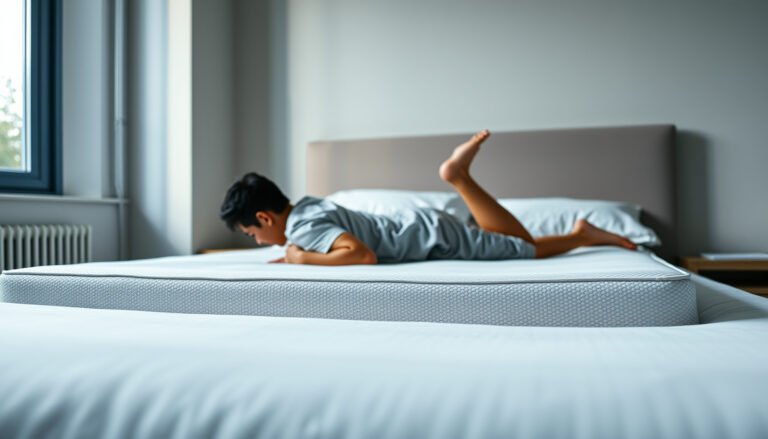
How to Choose a Memory Foam Mattress for Side Sleepers
If you’re a side sleeper, choose a memory foam mattress that cushions your hips and shoulders while keeping your spine from sinking out of alignment. The key is balancing the memory foam comfort layer’s contouring (pressure relief) with the base/support layer’s resistance to “bottoming out.” When those two jobs match your body, your sleep tends to feel more even—shoulders and hips get relief without your lower back dropping.
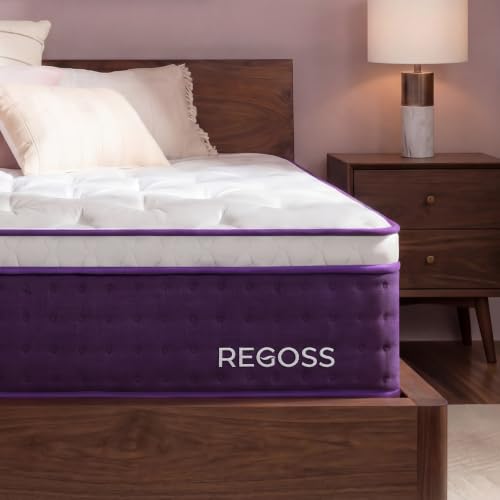



This guide is for side sleepers who want the contouring feel of memory foam but aren’t sure how to balance pressure relief with support. It’s also useful if you’re comparing mattresses online where you can’t easily “feel” alignment in-store.
Start with support: keep your spine aligned
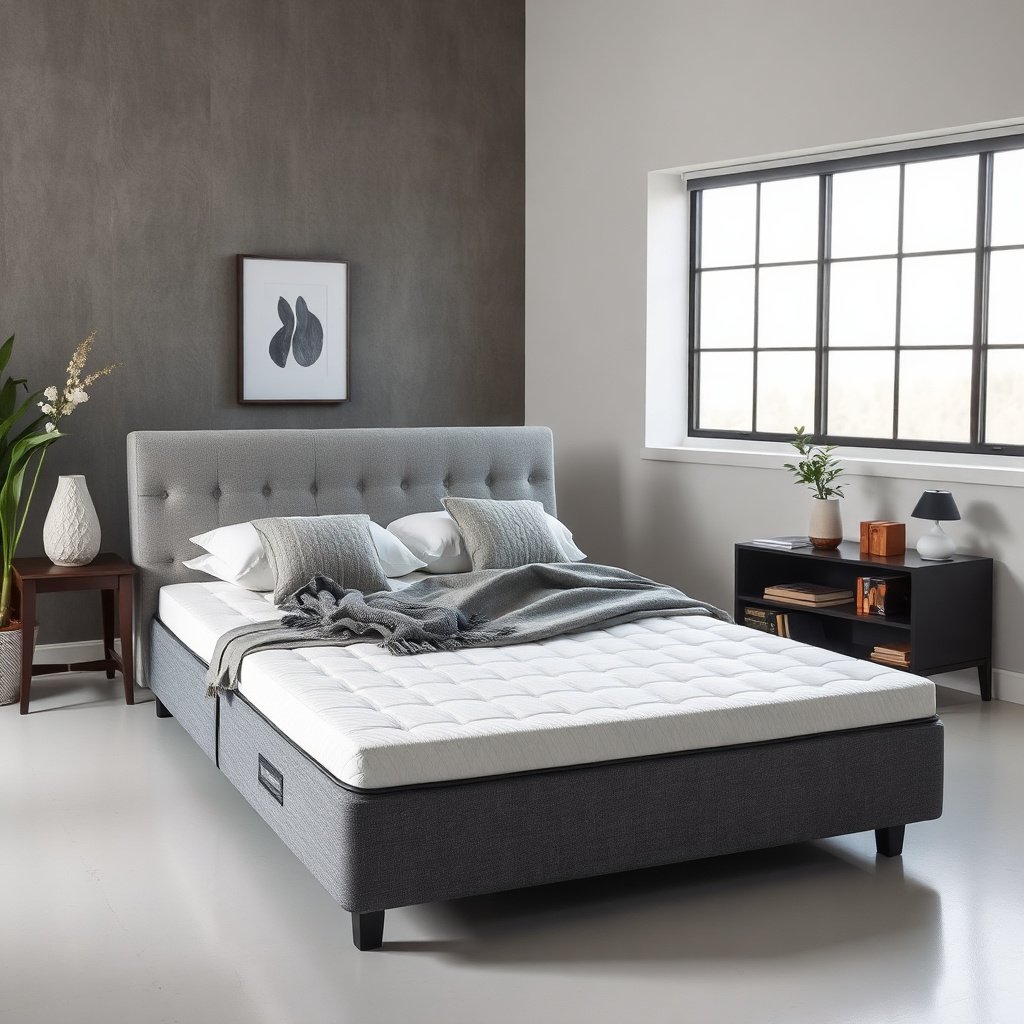
A side sleeping memory foam mattress should hold your pelvis so your hips don’t drop too far; that’s what protects spinal alignment most directly. If the foam allows excessive sink, you can end up with the “hammocking” effect where the lower back arches to compensate.
– Side sleeping needs the mattress to fill the space under your waist so your hips don’t drop too far.
– Memory foam that’s too soft can cause “hammocking,” while too-firm can push pressure into shoulders and hips.
– Look for layering and construction details (comfort vs. support layers) so you’re not relying on the top layer alone.
How to read support (not just softness)
In a typical memory foam mattress, the comfort layer is designed to contour around pressure points—especially at the shoulder and hip—while the support layer is designed to stop your body from sinking past the “neutral” zone. Side sleepers usually need enough give for pressure relief, but not so much that the pelvis sinks lower than it should.
A quick alignment check
Even without a showroom test, you can predict alignment by focusing on whether the mattress is built to resist lower-back sink. If the brand only describes how “plush” the top feels, but doesn’t explain the support core and layer roles, you’re missing the information that matters most for spinal alignment in a memory foam mattress.
Why construction beats marketing
Memory foam that’s advertised as “pressure relieving” can still be too soft if the support layer doesn’t have the right firmness and thickness for your body weight. In 2026, many brands publish layer specs (foam type, thickness, density/ILD/IFD), so you can narrow options faster than you could a few years ago.
Choose the right firmness and comfort depth for side sleeping
The right firmness is the one that lets shoulders and hips sink enough to relieve pressure without allowing your lower back to sag. For side sleepers, comfort depth (how thick the contouring layer feels) is often as important as the overall firmness rating on the label.
– Aim for a firmness level that lets your shoulders and hips sink enough to relieve pressure, without letting your lower back sag.
– Comfort layer depth matters: deeper contouring can feel great, but it can also increase how much you sink—especially if the mattress is overall soft.
– If you’re between firmness levels, consider leaning slightly firmer for better spinal support rather than a very plush feel.
What “too soft” often looks like
In practice, too-soft memory foam mattresses for side sleepers tend to cause hip drop. When hips sink more than shoulders, the spine can twist into a less neutral curve, which may show up as morning stiffness.
What “too firm” often feels like
Too-firm memory foam can prevent your shoulder and hip from sinking enough into the contour layer. That can increase peak pressure—especially at the shoulder (rotator cuff area) and hip (greater trochanter)—which may lead to numbness or discomfort on the same side nightly.
Comfort depth: the “hug” versus the “sink”
Memory foam’s contouring works by distributing your weight across the contact area. However, deeper comfort layers can increase total sink depth. If you’re on the lighter side, a deeper comfort layer may be perfect. If you’re heavier, the same layer can increase bottoming risk unless the support core is firm enough.
Understand memory foam types and what they change
The best memory foam mattress type for side sleepers depends on how you want the foam to behave: slow-contouring and pressure relief, or slightly more responsive comfort. Different foams can change heat retention, how quickly the mattress responds to position changes, and how “stuck” you may feel.
– Traditional “viscoelastic” memory foam generally emphasizes slow-contouring and pressure relief; some versions feel more responsive and less “stuck.”
– Look for details on foam density/quality in the specs (manufacturers may list density, IFD/ILD, or layer thickness—use whichever is provided).
– If you run warm, prioritize mattresses designed to manage heat (vented foams, airflow channels, or targeted cooling materials—always check the product construction).
What to look for in specs (in 2026)
When comparing a memory foam mattress online, you’re mostly evaluating the foam’s “job description”:
– Comfort/contouring layer: should conform to shoulders and hips to reduce pressure.
– Transition layer (if present): should help “hand off” your weight to the support core.
– Support/core layer: should prevent bottoming out and maintain spinal alignment.
If the listing includes ILD/IFD (indentation load deflection), that’s particularly useful. In foam testing, indentation load deflection values represent how much force is required for a certain compression level—commonly measured at a defined percentage of deflection. According to ASTM D3574 (Indentation Load Deflection for flexible cellular materials), ILD is measured under a standardized compression protocol (including a defined deflection level), which is why these spec numbers can be more informative than marketing terms alone.
Heat management matters for side sleepers
Side sleepers often rotate less frequently than back or stomach sleepers because pressure points feel more stabilized by contouring. That can be great for alignment—but if the memory foam traps heat, you may notice warmth building around the shoulder and hip contact zones. Prioritize published cooling features such as:
– ventilated/“open-cell” foam designs,
– airflow pathways,
– breathable covers (and quilting that doesn’t block heat escape),
– and any testable cooling claims (if provided).
Check motion isolation, edge support, and temperature control
A memory foam mattress for side sleepers should feel stable under shifting and movement (edge support), while also limiting partner disturbance if you share the bed. Temperature control is also critical because side sleeping increases sustained contact at the shoulder and hip.
– Memory foam often limits motion transfer, which can help if you share the bed, but performance varies by design and how the mattress is built.
– Edge support matters for side sleepers who sit near the edge or shift positions; weak edges can make the mattress feel less stable.
– Temperature is a common complaint with foam—use the construction notes (covers, airflow design, gel/phase-change claims) to judge whether it’s likely to stay comfortable for you.
Motion isolation: helpful, but not always everything
Memory foam is generally good at reducing motion transfer because the foam dampens movement. Still, the “best” motion isolation depends on whether the support core is sturdy enough to prevent your body from creating excessive waves that reach your partner.
Edge support: why it affects side sleepers
Even when you sleep near the center, edge weakness becomes relevant when you:
– sit on the edge to get dressed,
– move from side to side,
– or roll close to the perimeter during deep sleep.
One practical way to reduce edge issues is simply buying the right size for your body and movement style. Bed width doesn’t “solve” weak construction, but it can reduce how often you land near the edge when you’re rotating as a side sleeper.
US Standard Mattress Widths (for edge stability) — 7 common sizes
| # | Mattress size | Width (in) | Length (in) | Space for shifting ★ | Edge-stability rating |
|---|---|---|---|---|---|
| 1 | Twin | 38 | 75 | ★★ | Lower |
| 2 | Twin XL | 38 | 80 | ★★ | Lower |
| 3 | Full | 54 | 75 | ★★★ | Moderate |
| 4 | Queen | 60 | 80 | ★★★★ | Higher |
| 5 | Olympic Queen | 66 | 80 | ★★★★ | Higher |
| 6 | King | 76 | 80 | ★★★★★ | Highest |
| 7 | California King | 72 | 84 | ★★★★★ | Highest |
How this connects to memory foam comfort
For a memory foam mattress, edge weakness can be noticeable because your body compresses the support area while the foam conforms. More width generally means you can stay farther from the edge as you settle into side sleeping. (If you’re sharing the bed, motion isolation plus width can reduce “edge drift” and keep your body from re-adjusting as much.)
What can go wrong (common side-sleeper mistakes)
Most purchase mistakes with memory foam mattresses happen when buyers optimize for the top feel instead of the whole support system. Side sleepers then experience misalignment, heat buildup, or inconsistent pressure relief after the initial “break-in” period.
– Picking based only on “softness”: a very plush surface can relieve shoulder pressure while still failing spinal alignment.
– Ignoring layer breakdown: if the seller only describes the top feel and not the support layers, it’s harder to predict long-term comfort.
– Overlooking return/trial terms: if your mattress doesn’t work, you need a process to exchange or return it—without one, you’re stuck guessing.
Mistake #1: confusing pressure relief with alignment
A memory foam mattress can reduce pressure at one point (like the shoulder) while still allowing the hip to sink too much. For side sleeping, pressure relief and alignment are linked: relief helps you sleep deeper, while alignment prevents you from compensating with an arched lower back.
Mistake #2: assuming all memory foam is the same
“Memory foam” can vary substantially by formulation, density/quality, and layer thickness. Two mattresses can both be described as memory foam but behave differently when your hips settle. That’s why ILD/IFD, density, and layer thickness (if available) matter when you’re choosing a memory foam mattress in 2026.
Mistake #3: skipping the label and policy details
If you shop online, you often can’t test the mattress for alignment. That’s where labeling and trial terms become your safety net.
According to the U.S. Federal Trade Commission (FTC) Mattress Labeling Rule (16 CFR Part 1633), mattresses must carry specific labeling requirements that help you interpret key product information. Also, if you’re comparing models, confirm that you have a trial window with clear return/exchange steps—otherwise your “best guess” becomes expensive.
Verdict: a good memory foam fit—when it works and when to skip it
A memory foam mattress can be an excellent choice for side sleepers because it’s designed to contour around pressure points. That said, it’s not the best option for everyone: if you need very responsive support, hate the “hugging” sensation, or consistently sleep hot, you may prefer a different foam feel or a different mattress construction entirely. If you’re unsure, start by verifying spinal support (not just plushness) and make sure the company offers a practical trial/return option you’re comfortable using.
Pros and cons (side sleepers specifically)
Below is a practical way to compare memory foam mattress construction decisions, not just marketing claims:
| Decision point | Pros for side sleepers | Potential downside |
|---|---|---|
| Thicker comfort layer | More cushion at shoulder/hip | More total sink risk |
| Firmer support core | Better alignment control | May feel less plush |
| More “responsive” memory foam | Easier position changes | May reduce deep contouring |
| Cooling/venting features | Lower heat buildup risk | May add cost or change feel |
Real-world note from the spec-reader’s perspective
From my day-to-day experience helping people narrow down memory foam mattresses (including many side-sleeper cases), the best outcomes usually come from buyers who treat the mattress like a system: comfort layer relief + transition + a supportive core. If you only judge the top feel, you’re guessing about what happens under your hips after you settle.
Quick checklist to save before you buy
| What to check | Why it matters for side sleeping | My notes |
|---|---|---|
| Comfort layer contouring | Helps cushion shoulders and hips | |
| Support/base layer behavior | Helps prevent lower-back sag (“hammocking”) | |
| Firmness feel vs. alignment | Prevents both too-soft and too-hard issues | |
| Cooling/heat management details | Reduces risk of sleeping hot | |
| Motion isolation and edge stability | Impacts comfort when shifting/sleeping with a partner | |
| Trial + return/exchange terms | Protects you if the mattress doesn’t fit your body | |
| Warranty coverage | Helps manage long-term comfort/support concerns |
Sources
– CertiPUR-US Program: official criteria and documentation for low-emission foams used in many memory foam mattresses.
– U.S. Federal Trade Commission (FTC): Mattress Labeling Rule—official requirements for how mattresses must be labeled and how to interpret product information.
Choosing a memory foam mattress for side sleeping is mostly about balance: cushion the shoulder and hip, but prevent hip sink so your spine stays aligned. If you can translate firmness into construction (comfort depth + transition + supportive core), and you back your decision with a real trial/return path, you’ll narrow to a much better fit—faster—in 2026.
Frequently Asked Questions
What firmness level is best for side sleepers with a memory foam mattress?
Side sleepers usually need a medium to medium-soft memory foam mattress to allow the hips and shoulders to sink just enough for proper spinal alignment. If your mattress is too firm, pressure can build in the shoulder and hip, causing discomfort and restless sleep. If it’s too soft, you may “bottom out,” which can strain your lower back. Look for a balance that relieves pressure while still maintaining support through the lower back.
How do I choose the right thickness of a memory foam mattress for side sleeping?
Most side sleepers do well with a memory foam mattress around 10–14 inches for supportive pressure relief, though comfort needs vary by body weight. Thicker models often provide a deeper comfort layer that better cushions the shoulder and hip. If you’re heavier, you may need additional thickness or denser foam to prevent premature sagging. For lighter sleepers, a thinner mattress can work if it still offers enough contouring in the top comfort layer.
Why does pressure relief matter most for side sleepers in a memory foam bed?
Side sleeping increases pressure at the shoulder and hip, so pressure relief is key to staying comfortable through the night. Memory foam contours to your body shape, reducing stress on joints and helping you maintain neutral spine alignment. When pressure relief is inadequate, you may wake up with numbness, soreness, or hip pain. Prioritize a mattress that balances contouring with supportive core foam to keep both comfort and alignment.
Which memory foam mattress materials and densities are best for side sleepers?
For durability and consistent support, many shoppers look for higher-density memory foam, especially in the support layers. A common guideline is to choose a comfort layer with enough softness for contouring, while the base/support foam should be firmer and resilient to prevent sagging. Cooling features like gel-infused foam or breathable covers can also help if you sleep hot, which many side sleepers experience. Reviewing the foam density specs (when available) can help you select a mattress that maintains comfort over time.
What’s the best way to test a memory foam mattress for side sleeping before buying?
Use a trial period and test in your typical side-sleeping position, paying attention to how your shoulder and hip feel after a few minutes. The best memory foam mattresses for side sleepers should relieve pressure without leaving you feeling trapped or sinking too deeply. Check whether your lower back feels aligned rather than arched or compressed. If possible, try the mattress with similar bedding and note motion transfer needs if you share the bed—memory foam usually reduces partner disturbance, but thickness and foam responsiveness still matter.
📅 Last Updated: November 02, 2026 | Topic: How to Choose a Memory Foam Mattress for Side Sleepers | Content verified for accuracy and freshness.
References
- https://www.mayoclinic.org/healthy-lifestyle/adult-health/expert-answers/mattress-choosing/faq-20058441
- Memory foam
- Sleep position
- https://pubmed.ncbi.nlm.nih.gov/?term=memory+foam+mattress+pressure+redistribution
- mattress firmness sleep quality side sleepers – Search Results – PubMed
- https://pmc.ncbi.nlm.nih.gov/?term=memory+foam+mattress
- https://www.sciencedirect.com/search?qs=memory+foam+mattress+pressure+relief
- https://scholar.google.com/scholar?q=side+sleeping+memory+foam+pressure+relief Google Scholar
- https://scholar.google.com/scholar?q=memory+foam+mattress+pressure+distribution+study Google Scholar
- https://scholar.google.com/scholar?q=mattress+firmness+sleep+quality+side+sleepers Google Scholar