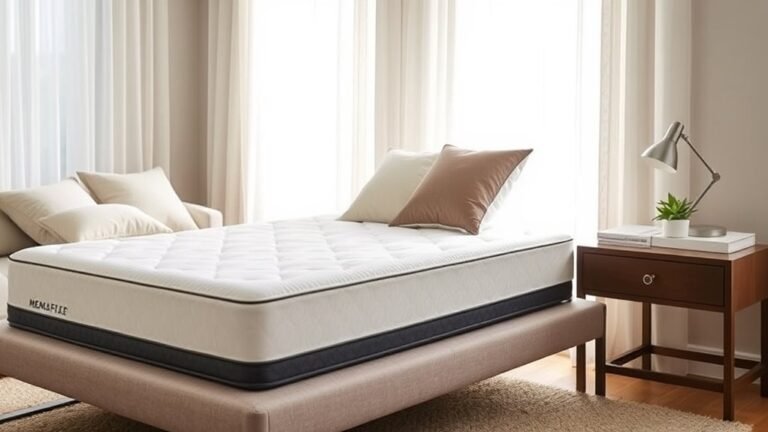
How to Choose a Mattress for a Camper Van: Fit and Comfort Tips
You slide into your van at the end of the day, and the mattress edge you built for “close enough” suddenly turns into a pressure point or a gap beside the door. In the next 15 to 30 minutes, you can choose a van-ready mattress that fits your bed frame and supports your preferred sleep position by measuring inside dimensions, checking thickness against door and panel clearance, and deciding between foam, hybrid, or air options. Once you match fit and comfort, you can stop re-adjusting every night and sleep with confidence.


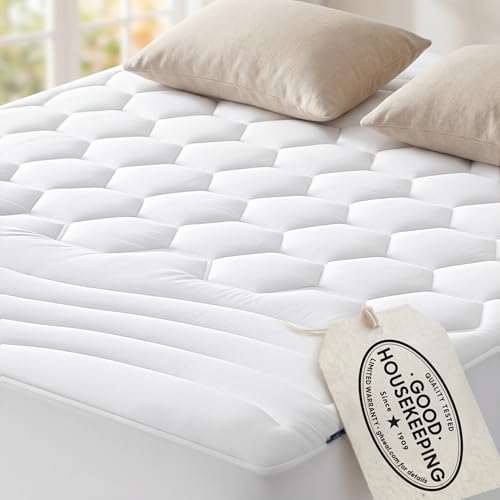

The best mattress for a camper van is the one that fits your platform precisely, supports your sleeping position without strain, and can handle van humidity through ventilation and drying. Choosing the right mattress for a camper van comes down to three things: size (so it actually fits your sleeping setup), firmness (so your back stays comfortable), and packing/installation (so it’s realistic in a moving space). In this guide, we’ll walk you through picking the right thickness, materials, and layout for van life—without wasting money on something that doesn’t work in tight quarters.
If you’re converting a van (or upgrading an existing setup) and you’re tired of waking up sore—or dealing with a mattress that won’t fold, store, or stay put—this is for you. It’s also helpful if you’re trying to balance comfort with airflow and moisture control.
Measure first: mattress dimensions that actually fit
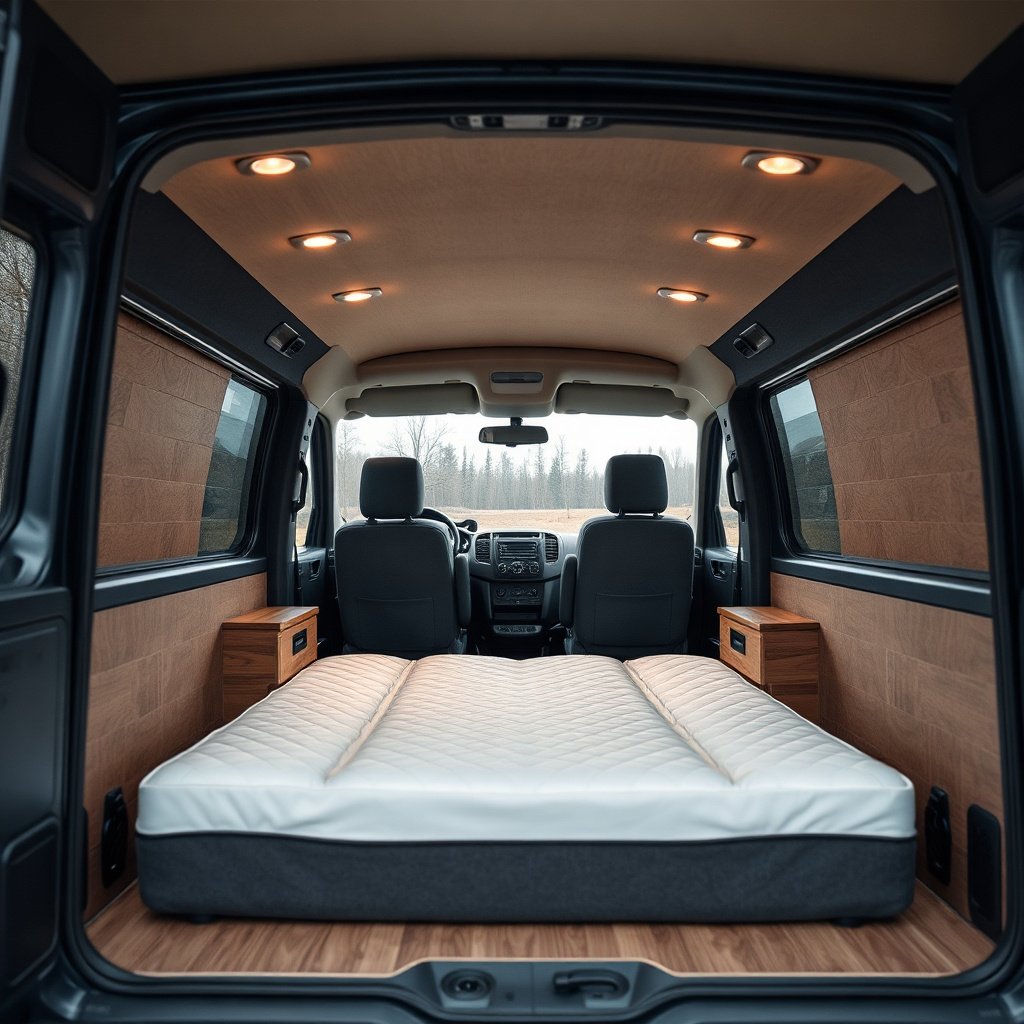
The fastest way to avoid van sleeping regret is to measure your bed platform like you’re building cabinetry, not like you’re buying a bedroom mattress. A “standard” mattress size can be off by a surprising amount once you factor in wheel wells, raised framing, and the way a base surface actually creates the usable top-of-mattress area.
Here’s what I recommend: confirm your camper van mattress footprint in the exact orientation it will sit—because even a few centimeters can force a wedge gap at the head or prevent clean contact with the base at the sides. Van platforms also often have non-rectangular constraints, so your usable mattress area may be smaller than the overall bed frame.
– Measure your platform carefully (length, width, and any raised edges or wheel-well obstructions) before buying anything.
– Decide whether you need a “drop-in” fit, a fold-up fit, or a custom-cut approach based on your bed frame design.
– Double-check your usable head/foot space once the mattress sits on the base (not just on the plan).
Common Mattress Size Dimensions Used in North American Van Conversions (inches)
| # | Mattress size | Dimensions (L×W) | Installation-friendliness | Length slack on 80 in platform |
|---|---|---|---|---|
| 1 | Twin | 75×38 | ★★★★★ | +5 in |
| 2 | Twin XL | 80×38 | ★★★★★ | 0 in |
| 3 | Super Single | 75×42 | ★★★★☆ | +5 in |
| 4 | Full | 75×54 | ★★★☆☆ | +5 in |
| 5 | Queen | 80×60 | ★★☆☆☆ | 0 in |
| 6 | King | 80×76 | ★☆☆☆☆ | 0 in |
| 7 | California King | 84×72 | ★☆☆☆☆ | -4 in |
Pick the right thickness and firmness for van comfort
The right firmness is the one that keeps your spine neutral for your sleep position—without making you sink or feel pressure points. For most camper van builds (as of 2026), medium support and a comfort layer that doesn’t bottom out are the practical sweet spot between “feels good” and “doesn’t create headroom/storage problems.”
Thickness is where van reality shows up fast. If your mattress is too tall, you’ll lose clearance for sitting up, reaching for storage, or even closing a door/drawer. If it’s too thin, you may end up feeling every rail, edge brace, or plywood seam. Foam mattresses often compress more than hybrids once you add a topper, so always calculate total stack height: base + mattress + topper + cover.
– Start with your comfort target: side sleepers often prefer a bit more give, while back sleepers may do better with medium support.
– Consider thickness vs. space: thicker can feel better, but it may reduce usable storage or raise you into headroom limits.
– Use mattress type (foam vs. hybrid vs. air) to predict how it will feel under pressure and how quickly it rebounds when you move.
In van conversions, I also advise choosing firmness using an “interface pressure” mindset: you’re trying to reduce pressure concentration at the shoulder/hip (side sleeping) or low back (back sleeping), while still maintaining stable support. If you frequently change positions at night—which most people do—mattress type matters too: foam tends to contour; hybrids often provide a more consistent response; air mattresses can be tuned but may complicate packing and moisture management.
If you’re sensitive to firmness, plan a temporary test fit before committing to a final build path.
Choose materials that handle airflow and moisture
The most comfort-damaging van problem (besides fit) is moisture: it can turn a “supportive” mattress into a musty, uncomfortable sleeping surface. In small, humid interiors, keeping relative humidity in check is critical—because moisture control affects both odor and potential mold growth.
According to the U.S. Environmental Protection Agency (EPA), keeping indoor relative humidity between 30–50% helps prevent mold growth (U.S. EPA, indoor moisture/mold guidance). The same EPA guidance notes that mold can grow when moisture is present and conditions stay favorable (often discussed in terms of elevated humidity and water intrusion), and mold growth can begin within 24–48 hours after water damage (U.S. EPA, mold and moisture cleanup guidance). The practical takeaway for a camper van mattress is direct: you need ventilation paths and a plan to dry.
– Look for materials suited to regular temperature swings and humidity—van bedding can trap moisture fast.
– Prioritize breathable covers and designs that can tolerate airflow (especially if you camp in damp or cold conditions).
– Avoid setups that block ventilation under the mattress; airflow beneath the mattress is just as important as the top cover.
For mattress materials, the “best” choice depends on how your van behaves. If you park in cold mornings, condensation can form on cooler surfaces, including the underside of a mattress. If you camp after rain, wet boots and damp sleeping bags can raise interior humidity quickly. A breathable cover (cotton blends, wool components, or other moisture-managing textiles) plus airflow under the mattress helps you dry after exposure.
Also check whether the base is truly ventilated. A sealed base (like a continuous panel with no air gaps) can trap moisture under the mattress even if the top cover feels dry. If you’re aiming for a low-profile build, don’t trade away the ability to ventilate—design ventilation channels or use a base surface that allows air exchange.
If you’re choosing insulation layers (like toppers), treat them as part of the moisture system, not just comfort.
Plan for storage, transport, and bed build
The mattress you choose has to work with how you build the bed—especially if it folds, slides, or lifts for storage. In a camper van, even a comfortable camper van mattress can become unusable if it won’t be installed correctly, cleaned easily, or stored without getting crushed.
The biggest planning win is to map the full lifecycle: day build → night sleep → morning reset → rainy-day drying. If you need a fold-away setup, confirm the mattress style can bend or fold without long-term damage, and check whether the manufacturer warns against repeated bending/compression. Some mattresses are designed for “folding for convenience,” while others explicitly require flat handling and discourage creasing.
– If you need a fold-away setup, confirm the mattress style can bend or fold without long-term damage.
– Think through how you’ll access compartments, run cables, or remove bedding for cleaning and drying.
– Decide whether you’ll need a removable cover for spot cleaning and whether the base surface will keep the mattress from sliding.
From a practical build standpoint, sliding is a real problem in motion and when you toss/turn in side-sleeping. Consider anti-slip methods that won’t trap moisture (for example, non-absorbing anti-slip barriers placed where they don’t block airflow). If your mattress has smooth fabric, you’ll likely need a friction solution—but don’t laminate a vapor barrier under the entire mattress unless you’re also adding a drying pathway.
For foldable builds, read the fine print on handling limitations before you commit. For slipping prevention, follow manufacturer recommendations where available, and if needed, use a non-slip layer designed for bedding applications rather than generic shelf liner.
What can go wrong (and how to avoid it)
The most common mattress failures in camper van builds are sizing errors, comfort mismatch, and moisture trapping. Fixing these early is cheaper than replacing a mattress after it’s already integrated into your bed platform and storage layout.
Here’s where things usually go off track:
– Buying by “standard van mattress sizes” can backfire if your platform has unusual contours—measure your actual build.
– Too-thick mattresses can make it harder to sit up comfortably or close doors/drawers; thickness should match your real clearance.
– Poor airflow and sealed bases can lead to musty smells—if you can’t ventilate, plan for drying after wet trips.
– Mattress comfort can be subjective; if you’re sensitive to firmness, test your preference with a temporary setup first where possible.
Also consider edge-case sleep needs. If you have shoulder injuries or low back pain that responds strongly to cushioning vs. support, a camper van mattress that’s “average comfortable” might still be wrong for you. And if you frequently camp in very damp or very cold conditions, your moisture control approach needs to be system-level: bedding, covers, ventilation, and drying routines all matter, not just the mattress material.
Quick compare: foam vs. hybrid vs. air in a van (pros/cons)
- Foam camper van mattress
- Pros: Quiet, good for pressure relief, usually easier to cut-to-fit/customize (depending on construction). Cons: Can sleep warmer; rebound may feel slower if compressed often; moisture control still depends on breathable cover and underside airflow.
- Hybrid (foam + coils) camper van mattress
- Pros: Often provides more “support consistency” and better airflow than all-foam. Cons: More complexity; can be harder to fit into odd platform shapes; may still trap moisture if the base is sealed.
- Air (adjustable) camper van mattress
- Pros: Fine-tune firmness; helpful if two people have different preferences. Cons: Requires setup/maintenance; leaks and moisture interactions are higher-risk if ventilation is limited.
Verdict: what’s usually best (and who should skip this approach)
A practical default for many camper van builds is a mattress that matches your exact platform measurements, offers medium support for everyday comfort, and supports airflow under the bed. The downside: “best on paper” can still feel wrong if you sleep differently than you expect (side vs. back), or if your setup forces the mattress into a non-ideal thickness or storage pattern.
Skip this approach if you can’t measure reliably, don’t have a way to keep the camper van mattress dry/ventilated, or you’re planning an inflexible build where you can’t adjust the mattress position later.
If you’re building in 2026 with limited headroom, the most honest strategy is to “design for drying first, comfort second.” Comfort is adjustable (toppers, support layers, firmness selection), but mildew and trapped moisture can be difficult to undo without significant removal and reconditioning.
Quick checklist: mattress decision in one glance
– [ ] Exact mattress measurements confirmed (length/width + obstructions)
– [ ] Bed height and clearance checked (thickness won’t ruin headroom/storage)
– [ ] Sleep position considered (side/back/stomach preference)
– [ ] Firmness target selected (medium/supportive vs. softer)
– [ ] Material and cover support airflow/moisture control
– [ ] Storage and cleaning plan ready (folding needs, removable cover, drying access)
Sources
– U.S. Environmental Protection Agency (EPA), mold and indoor moisture guidance (including recommended indoor relative humidity range and mold growth timelines after water intrusion)
A good camper van mattress isn’t just a comfort upgrade—it’s a fit-and-maintenance system. Measure the usable platform area, choose firmness that matches your sleep position, and design for drying with airflow under the mattress. If you build around those constraints (especially moisture and headroom) you’ll end up with a mattress that actually works in tight quarters—today in 2026, and for the long haul.
Frequently Asked Questions
What type of mattress is best for a camper van?
The best mattress for a camper van is usually one that’s lightweight, easy to store, and comfortable in a confined space. Many van owners prefer a foam or hybrid mattress because they work well on uneven surfaces and don’t require a heavy foundation. If you expect frequent folding or repositioning, consider a compact memory foam mattress or a convertible mattress topper system for easier setup.
How do I choose the right mattress thickness for my camper van bed?
Mattress thickness should match your available storage height, your base frame height, and how much comfort you need for side, back, or stomach sleeping. In most camper vans, 4–6 inches of foam provides a good balance of support and packability, especially when paired with a supportive slat or plywood platform. If you sleep on your side, slightly thicker or medium-firm foam can help keep hips and shoulders aligned without sinking too much.
Which mattress firmness is best for van life?
For camper van comfort, medium-firm is often the most versatile choice because it supports different sleeping positions on a moving vehicle. If you’re heavier, you may need firmer support to prevent sagging and reduce back pain, while lighter sleepers often do better with softer comfort layers to avoid pressure points. When choosing firmness, prioritize support and pressure relief together—especially since van mattresses are more likely to be used on flatter or sometimes imperfect mounting surfaces.
Why does mattress temperature matter in a camper van?
Camper vans can swing between hot and cold temperatures, and the wrong materials can lead to discomfort or poor sleep. Breathable foam options and cooling features (like gel-infused layers or open-cell foam) can help reduce heat buildup during summer road trips. For colder climates, consider a mattress with better insulation or pair it with a quality sleeping pad/comforter strategy to maintain warmth without sacrificing support.
Best way to measure and fit a mattress in a camper van?
Start by measuring your bed frame length and width at the smallest points (account for rounded corners, wheel wells, or angled cuts), then subtract clearance needed for bedding and airflow. Choose a mattress that fits snugly without forcing it against walls to avoid pressure, sagging, or difficulty removing it for cleaning. If space is tight, consider a split mattress, a mattress topper, or a thin mattress designed for custom camper van builds so you can access storage underneath.
📅 Last Updated: November 02, 2026 | Topic: How to Choose a Mattress for a Camper Van | Content verified for accuracy and freshness.
References
- Pain and depression: Is there a link? – Mayo Clinic
- Mattress
- Mattress
- Mattress
- https://www.epa.gov/indoor-air-quality-iaq/volatile-organic-compounds-vocs
- Mold | US EPA
- https://www.cdc.gov/bed-bugs/index.html
- https://scholar.google.com/scholar?q=how+to+choose+a+matress+firmness+back+pain Google Scholar
- https://scholar.google.com/scholar?q=camper+van+sleeping+system+matress+heat+humidity+foam Google Scholar
- https://scholar.google.com/scholar?q=memory+foam+off-gassing+VOC+indoor+air+quality Google Scholar