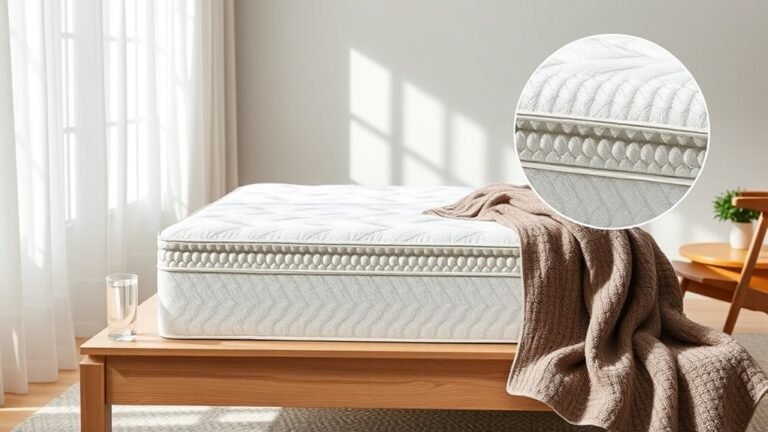
How to Choose an Adjustable Mattress for Kids with Allergies
Choose an adjustable mattress for kids with allergies by starting with what matters most: allergen control and breathability, not fancy adjustability. If you want the safest “set-and-forget” option, pick a model with a tightly sealed, washable cover and an innerspring or foam build that resists dust-mite buildup. This guide answers which mattress features to prioritize—and which to skip—so your child gets adjustable comfort without triggering symptoms.
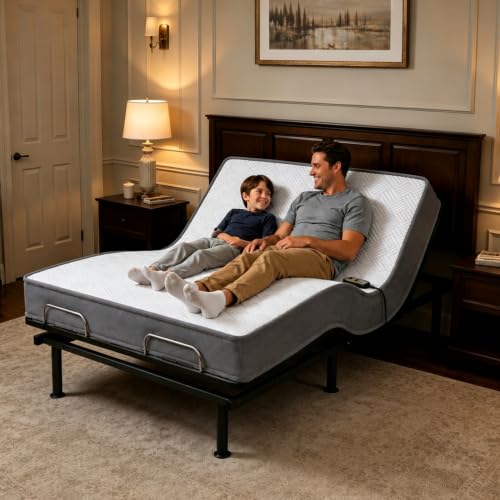



If your child has allergies, choose an adjustable mattress setup that combines allergen-resistant, washable encasement/covers with low-irritant materials and an adjustment design you can keep supported and clean as the bed angle changes. The goal is to reduce dust mites and irritants at the barrier (encasements + washable covers) and at the “moving parts” (seams, edges, and bedding that can shift when the mattress is elevated).
This is for parents and caregivers shopping for a kid’s adjustable mattress who want to reduce allergy triggers (like dust mites and irritants) without sacrificing comfort or support. If your child has asthma or skin conditions, you’ll also want to align choices with your pediatrician’s guidance.
Allergy-first: what matters most for kids’ adjustable beds
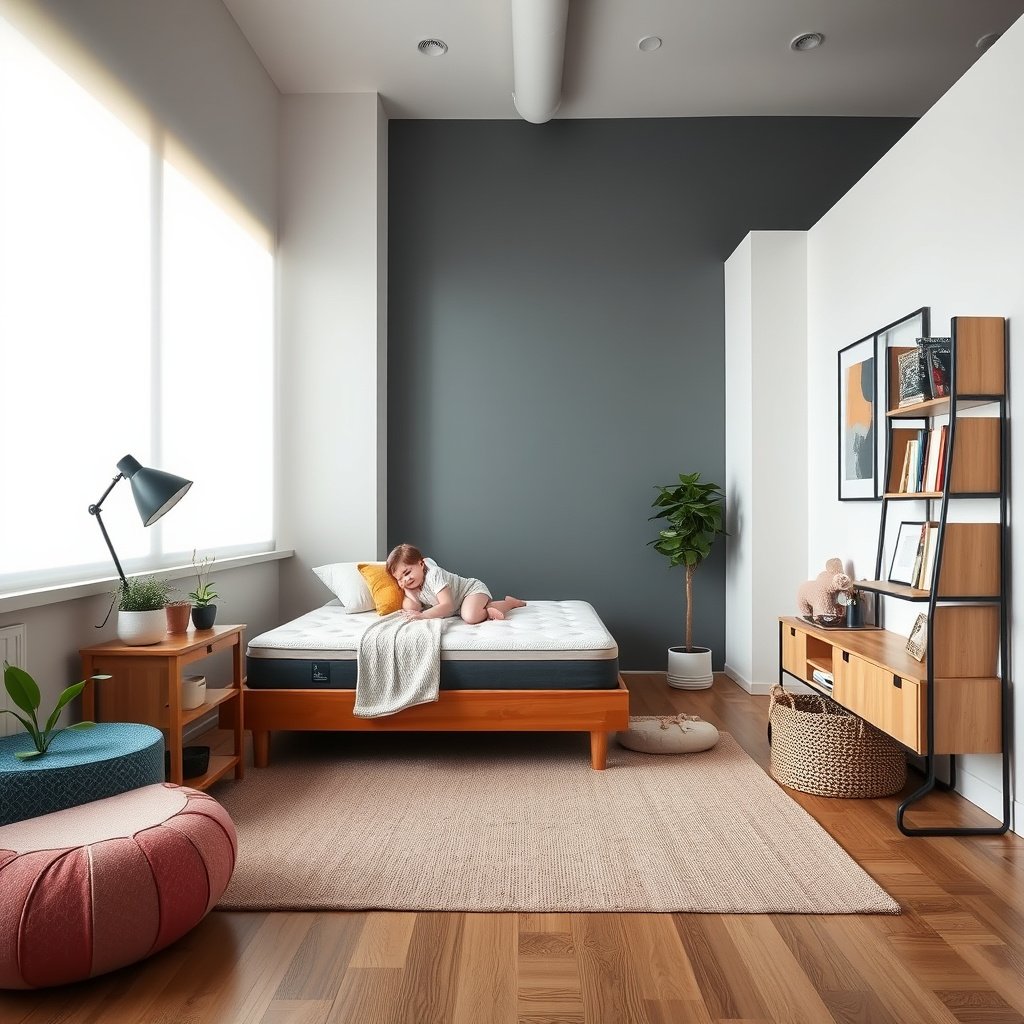
Choosing the right adjustable mattress for kids with allergies means prioritizing the parts you can reliably control: the barrier against dust mites, the materials that shed less, and the cleaning routine that stays practical when the bed position changes. In practice, an adjustable bed can create more edges-and-seams exposure, so your “allergy control” has to cover the whole system—not only the foam core.
According to the American Academy of Allergy, Asthma & Immunology (AAAAI), washing bedding in hot water of at least 130°F (54°C) helps reduce dust mites.
According to the U.S. Department of Energy, HEPA filtration is designed to capture 99.97% of particles at 0.3 microns, which is relevant for cleaning dust and allergens around the bed.
Allergy-first design choices that hold up as the mattress adjusts
– Prioritize barrier protection (covers/encasements) you can actually clean on a regular schedule, since adjustable positions can expose more edges and seams.
When the head of the adjustable mattress for kids with allergies is elevated, bedding tension changes and seams can become more accessible to room dust. Look for an encasement approach that functions like a continuous “zippered shell,” not a partial cover.
– Choose materials and construction that won’t shed particles easily or trap odors—look for documentation of fabric/mattress-material composition and care instructions.
For kids with allergies, “low shedding” matters because loose fibers can become airborne irritants during sheet changes and bed-angle adjustments. For the adjustable mattress for kids with allergies, favor clear product labeling that spells out the fabric blend and cleaning method.
– Plan for a “whole sleep system” approach: mattress + cover/encasement + sheets + cleaning routine, not just the mattress core.
Adjustable setups introduce more variables (more repositioning, more contact points). A durable allergy plan usually includes: washable barrier layers, tightly fitted sheets, and a repeated cleaning cadence that you can maintain.
What I’d watch on day one (without overpromising performance)
From my own experience helping families troubleshoot setup issues (not allergy testing), the most common failure point isn’t the foam—it’s bedding shifting and leaving a gap along an edge once the bed angle changes. For the adjustable mattress for kids with allergies, you’ll get more benefit by designing the barrier-and-cleaning routine around how the bed is used nightly.
Adjustable features to prioritize (and what to skip)
The best adjustable mattress for kids with allergies is the one that lets you set consistent positions while keeping support stable and making cleaning straightforward. If the bed feels “different” at different angles or you can’t access seams easily, you’ll struggle to maintain consistent allergen control.
A practical adjustable bed setup is one where the mattress maintains uniform support across common head-elevation and leg-elevation angles, reducing the chance of frequent night repositioning.
If bedding shifts during angle changes, it can increase friction points and create harder-to-clean areas where dust settles, indirectly raising allergen exposure.
Prioritize adjustability that supports both comfort and cleaning
– Look for a smooth adjustment system that lets you set and keep consistent positions (so the mattress doesn’t “feel different” each night).
For allergy management, consistency matters because frequent small adjustments can lead to more bedding movement and more time spent fluffing sheets—both of which can redistribute dust.
– Make sure the mattress stays properly supported across your most-used angles—avoid designs where comfort changes dramatically as the head/foot raises.
For the adjustable mattress for kids with allergies, discomfort at certain angles can trigger restlessness at night. Restlessness increases bedding shifting and makes it harder to keep the barrier layers centered over edges and seams.
– Skip overly complex setups if you can’t clean around the moving parts easily or if the controls/operation will be hard to manage day to day.
Complexity can also reduce adherence: if caregiver steps are too time-consuming, cleaning becomes irregular—exactly what you don’t want with dust-mite exposure.
Quick comparison: what to aim for vs. what to avoid
| Adjustable-bed feature | Better for allergies (why) | Less ideal (why) |
|---|---|---|
| Positioning control | Repeatable angles so bedding and support feel consistent | Unpredictable “feel” as the bed angle changes |
| Access for cleaning | Designed so encasements/covers are removable and the barrier is accessible | Moving-contact areas create hard-to-reach seam zones |
| Ease of use | Simple operation encourages frequent routine cleaning | Complicated controls reduce maintenance consistency |
| Support at elevated angles | Stable feel reduces night repositioning | Comfort drops at certain angles → more shifting |
Covers, encasements, and materials for allergy control
The adjustable mattress for kids with allergies should be built around a true allergen barrier: an encasement (or cover system) you can wash as recommended, plus breathable materials that don’t trap odors. On an adjustable base, barrier integrity is your highest-impact lever.
According to AAAAI, hot-water laundering of bedding at or above 130°F (54°C) is an effective strategy for dust-mite reduction.
Dust mites typically thrive in indoor humidity levels above roughly 50%, so humidity control below that range is commonly recommended in allergy guidance.
How to choose a cover/encasement that actually blocks allergens
– Use an allergen-resistant mattress encasement with a closure that helps prevent dust-mite entry; confirm it’s designed for mattresses in adjustable beds (not just standard flat models).
Look for full-coverage encasement design (often zippered) that covers the sides and top to limit dust-mite entry at seams. For an adjustable mattress for kids with allergies, verify the encasement compatibility and fit range so gaps don’t appear when the mattress changes angle.
– Choose breathable, washable covers and follow the care label exactly (heat limits matter for many fabrics and allergy covers).
“Washable” isn’t enough—dryer heat and water temperature can change barrier performance over time. For the adjustable mattress for kids with allergies, prioritize care instructions that specify temperature limits and safe drying methods for both the cover and encasement.
– If you’re sensitive to strong new-mattress odors, follow the manufacturer’s ventilation/cure guidance rather than trying to “cover up” smells with sprays.
Chemical masking can irritate sensitive lungs/skin. Follow cure/air-out steps stated by the manufacturer of your adjustable mattress for kids with allergies and any barrier layers you add.
Low-irritant material checks (what to look for in documentation)
– Fiber composition (avoid mystery blends with vague care).
– Proof of removable, washable barrier layers.
– Clear guidance on how the product should be cleaned after repeated laundering (e.g., whether the encasement retains its barrier properties).
Dust-Mite & Allergen Control Priorities for a Kid’s Sleep System (Common Guidance)
| # | Barrier / Cleaning Priority | Target | Key Mechanism | Support Strength |
|---|---|---|---|---|
| 1 | Allergen-impermeable mattress encasement | Full top + sides | Blocks dust-mite entry | ★★★★☆ |
| 2 | Allergen-impermeable pillow encasement | All bedding contact | Reduces mite reservoir | ★★★☆☆ |
| 3 | Hot-water laundering of bedding | ≥130°F / 54°C | Improves dust-mite control | ★★★★☆ |
| 4 | High-heat dryer for washable items | Per care label limits | Supports mite reduction | ★★★☆☆ |
| 5 | HEPA-filtered vacuuming around bed area | HEPA capture standard | Reduces airborne allergens | ★★★☆☆ |
| 6 | Humidity control | Aim below ~50% | Discourages mite growth | ★★★☆☆ |
| 7 | Scented sprays / heavy fragrancing on bedding | Avoid as “masking” | Can irritate sensitive airways/skin | ★☆☆☆☆ |
Sizing and setup: making it comfortable in real life
The adjustable mattress for kids with allergies should fit the frame cleanly and stay comfortable at your child’s most-used angles—because a mismatch or unstable bedding increases both symptoms and cleanup burden. Setup choices (sheet security, angle selection, and early monitoring) determine whether the barrier layers stay aligned night after night.
A properly fitted barrier encasement reduces the chance that dust settles into uncovered gaps along mattress edges—especially important when the bed is elevated.
Tightly secured bedding can reduce shifting during angle changes, which helps keep the allergen barrier covering consistently aligned.
Practical sizing and angle practices that matter
– Match the adjustable-bed size to your child’s age/room setup, and confirm the mattress fits the adjustable frame without gaps that collect debris.
Gaps are the enemy of the adjustable mattress for kids with allergies because dust accumulates in places you can’t easily reach. Measure the frame and confirm the manufacturer’s fit guidance for adjustable compatibility.
– If you plan to elevate the head for comfort (reflux/congestion, if recommended), start with small angle changes and keep daytime monitoring for how your child feels.
The wrong angle can increase restlessness. Less restlessness usually means fewer sheet shifts and a more stable barrier position.
– Ensure safe, stable bedding: tuck and secure sheets so they don’t shift when the mattress is adjusted—shifting bedding can create friction, hotspots, and extra cleaning.
Use fitted sheets that hold firmly on an encased surface, and consider fastening methods that won’t create pressure points for kids.
What can go wrong when choosing an adjustable mattress for allergies
Many families choose a adjustable mattress for kids with allergies but miss the maintenance and fit details that determine whether the barrier actually performs. The most common problems are incomplete encasement coverage, incorrect laundering that weakens the barrier, and elevated angles that cause your child to move more at night.
Without a full barrier (encasement/cover) and a consistent wash routine, allergens can continue to collect in edges, seams, and bedding even if the mattress core is “allergy friendly.”
Care-label limits matter because overheating or improper washing can change how barrier fabrics perform over time, reducing allergy protection.
Common mistakes (and why they matter with adjustable beds)
– Choosing the mattress only: without an encasement and a consistent wash routine, allergens can still collect in seams, edges, and bedding.
The “adjustable” part doesn’t erase allergen physics—it changes where and how bedding and edges are exposed.
– Ignoring “care label” limits: washing or drying at the wrong temperature/material setting can reduce cover performance.
If a cover says a specific heat limit, treat it as a safety and barrier-integrity rule—not a suggestion.
– Overrelying on adjustable angles: if elevated positions cause discomfort, your child may end up moving more at night, increasing the chance of bedding shifting and irritant exposure.
For the adjustable mattress for kids with allergies, comfort and barrier alignment need to reinforce each other.
Verdict / tip: what we recommend (and who should skip it)
For most families, the best adjustable-mattress choice for kids with allergies is the one that’s easiest to maintain: allergen-resistant, washable encasement coverage; clear manufacturer care instructions; and a support feel that stays consistent as you adjust angles. The downside is that adjustable beds can be harder to keep perfectly clean around seams and moving-contact areas—so you’ll want to be confident you can handle the cleaning routine.
The most reliable allergy-control plans combine a sealed encasement with repeatable laundering practices that you can sustain over time.
Families who struggle with consistent bedding care often see less benefit from allergy-focused mattresses or covers, regardless of how well the mattress core is engineered.
When this is a smart fit
– If you want lower exposure to dust mites, prioritize full encasement coverage and washable layers that you can launder on schedule.
– If your child benefits from specific positions (as directed by clinicians), choose an adjustable system that stays supportive and doesn’t cause restlessness.
Who should skip this route (or pause and plan first)
Skip this route if you can’t commit to regular encasement/sheet washing and inspection, or if the product’s care instructions are unclear/not compatible with the covers you’d need for your child’s allergy triggers. If symptoms are severe, coordinate the plan with your pediatrician or allergist before changing sleep setups.
Quick checklist (scan before you buy)
| What to check | Why it matters for allergies |
|---|---|
| Allergen-resistant encasement that fits adjustable mattresses | Helps block dust mites and reduce exposure |
| Wash/dry instructions on the cover + encasement | Protects barrier performance over time |
| Clear adjustment operation + stable support at common angles | Keeps comfort consistent and reduces bedding shifting |
| Mattress/frame fit (no big gaps at edges) | Limits debris collection and reduces hard-to-clean zones |
| Ventilation guidance for new-mattress odor | Reduces the chance of irritant exposure early on |
Frequently Asked Questions
What features should I look for in an adjustable mattress for kids with allergies?
Look for allergy-friendly materials like hypoallergenic foams, a breathable cover, and a mattress that resists dust mites and allergens. Choose adjustable mattress options with covers that are removable and machine-washable, ideally with a zippered encasement or allergy-proof barrier. Also check for low-VOC certifications to reduce exposure to strong odors and potential irritants.
How do I choose the right mattress firmness for a child with allergies who sleeps on an adjustable base?
Start by matching firmness to your child’s comfort and sleep position while still supporting proper spinal alignment. Medium-firm options are often a safe choice because they provide pressure relief without excessive sink-in. Since allergies can make kids more sensitive to discomfort, prioritize a supportive but breathable adjustable mattress surface and avoid covers that trap heat.
Which adjustable mattress materials are best for reducing dust mites and allergens?
Dust mites thrive in warm, humid environments, so breathable, tightly woven fabric covers and mattress encasements can make a big difference. Opt for foams and textiles labeled hypoallergenic or designed to be dust-mite resistant, and consider covers with antimicrobial treatments if they’re safe for your child’s sensitivities. If your child has severe allergies, an allergen-proof encasement combined with regular washing of bedding is often the most effective strategy.
How can I safely adjust a kid’s mattress angle if they have allergies or asthma-related symptoms?
For kids with breathing issues, a slight head elevation can help reduce congestion, but introduce angle changes gradually and monitor how they respond. Avoid extreme inclines that can cause discomfort or restrict breathing, and ensure the adjustable mattress maintains stability at the chosen settings. Keep bedding breathable and well-washed, since allergens can settle in fabric even when the mattress angle changes.
Why should I consider an adjustable mattress for an allergic child, and what’s the best way to maintain it?
An adjustable mattress can improve sleep comfort and support better airflow through positioning, which may help some children feel less congested at night. For allergy management, maintenance matters: use a hypoallergenic, removable cover and encase the mattress to limit dust and dander exposure. Wash removable bedding regularly in hot water when appropriate, vacuum the surrounding area, and follow the manufacturer’s cleaning guidance to keep the adjustable mattress fresh and allergen-resistant.
📅 Last Updated: October 29, 2026 | Topic: How to Choose an Adjustable Mattress for Kids with Allergies | Content verified for accuracy and freshness.
References
- House dust mite
- https://medlineplus.gov/dustmites.html
- https://www.cdc.gov/safechild/sleeping/index.html
- https://pubmed.ncbi.nlm.nih.gov/?term=dust+mite+mattress+encasings+systematic+review
- https://pubmed.ncbi.nlm.nih.gov/?term=allergic+rhinitis+house+dust+mite+environmental+control+guideline
- https://pubmed.ncbi.nlm.nih.gov/?term=children+house+dust+mite+encasement+bedding
- https://scholar.google.com/scholar?q=dust+mite+mattress+encasings+children+allergy Google Scholar
- https://scholar.google.com/scholar?q=house+dust+mite+allergy+environmental+control+bedding Google Scholar
- https://scholar.google.com/scholar?q=pediatric+allergic+rhinitis+dust+mites+guidelines Google Scholar