How to Clean a Gel-Infused Mattress with Blood Spills Naturally
If you need to clean a gel-infused mattress after a blood spill naturally, the safest approach is to act fast with cold water, gentle blotting, and an enzyme-free, non-soaking method that won’t damage the gel. This guide gives you the exact steps to lift blood, remove lingering odor, and dry the mattress thoroughly—without harsh chemicals. You’ll get a clear verdict on what works best for gel layers so the spot won’t spread or set.
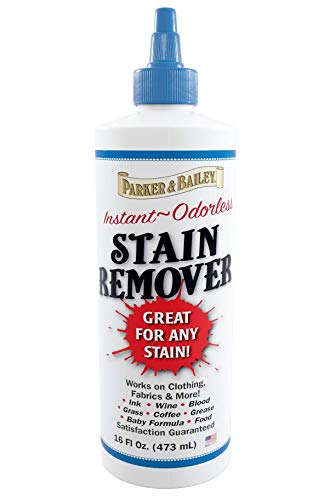



Blot blood right away with cold water, then use a gentle spot treatment with 3% hydrogen peroxide (instead of soaking) and dry completely—this sequence helps lift blood without saturating a gel layer. In 2026, the safest “natural-leaning” method for a gel-infused mattress is still the same: surface-first decontamination, minimal liquid, and thorough drying.
This is for you if you’ve got a gel-infused mattress (or gel pillow-top) and need to remove fresh or dried blood from the surface or a removable cover—without strong bleach or heavy soaking. If the spill is from a sick person or you’re worried about biohazards, prioritize safety steps and follow public-health guidance and your mattress care label, including principles from OSHA, 29 CFR 1910.1030 (Bloodborne Pathogens Standard) and CDC, Guideline for Disinfection and Sterilization in Healthcare Facilities (2008).
Safety first for blood spills (don’t spread it)
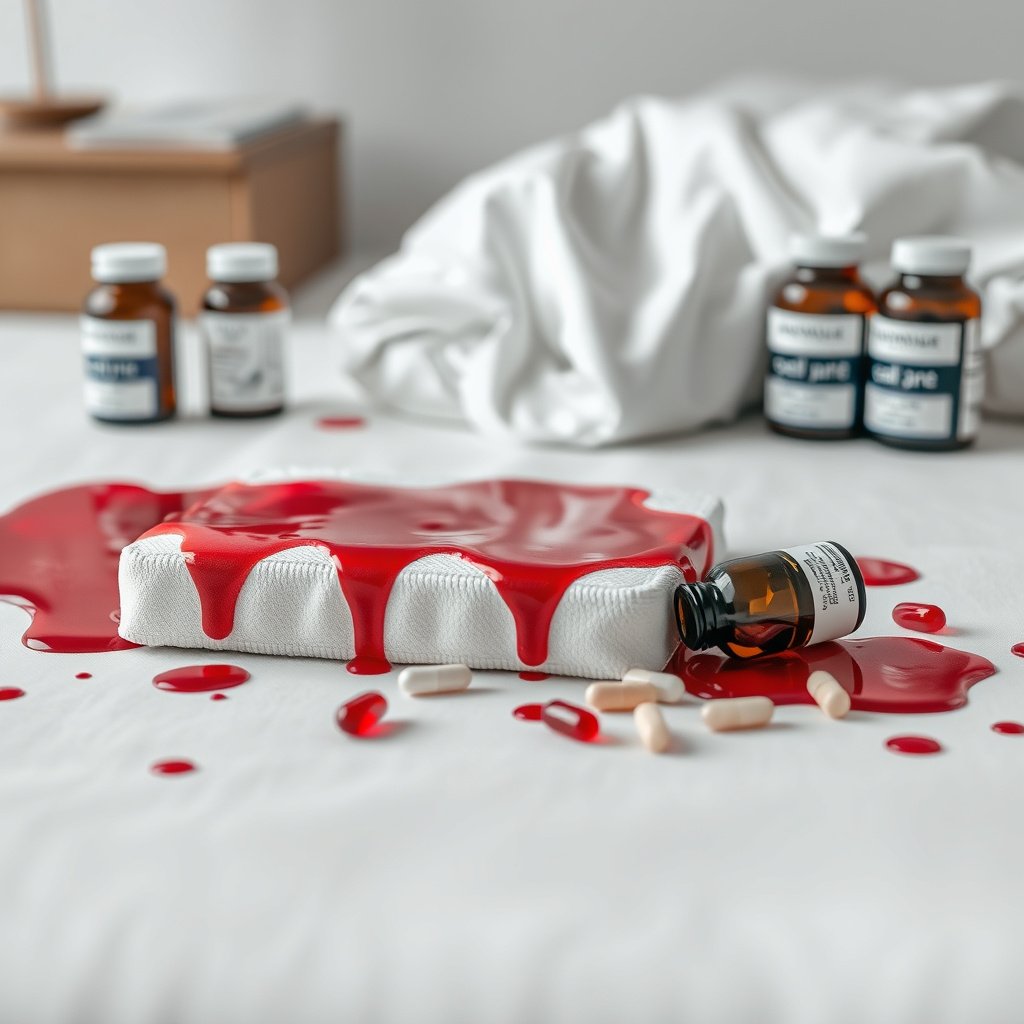
The fastest way to prevent a gel-infused mattress stain from getting worse is to control spread immediately with gloves, clean blotting materials, and cold-water dabbing—not rubbing. If blood is present, treat the gel mattress cover and surrounding fabric as potentially contaminated until everything is cleaned and dried.
According to OSHA, 29 CFR 1910.1030, appropriate protective measures (including using protective gloves) are part of handling blood contamination to reduce exposure risk.
According to CDC, Guideline for Disinfection and Sterilization in Healthcare Facilities (2008), cleaning to remove soil before disinfection is a core principle for effective decontamination.
What to do immediately on a gel-infused mattress
– Wear disposable gloves and use clean white cloths/paper towels to prevent cross-contamination. Keep a “used” stack so you don’t accidentally reapply material that’s already contaminated.
– Blot, don’t rub—rubbing pushes blood deeper into fibers and can drive residue toward seams that sit above the gel-infused mattress core.
– Keep the area ventilated and avoid letting liquid run toward seams, piping, or the gel layer. Gel-infused mattresses often have structural edges (stitching, zipper seams, and layered foams) where liquid can migrate and stay trapped.
Why “cold + blotting” matters for protein stains and gel layers
Blood contains proteins that can react to heat; cold water generally helps avoid setting stains. On a gel-infused mattress, the bigger risk than stain “setting” is moisture becoming trapped in the comfort layers—especially if liquid works its way past the cover into foam near the gel insert. That’s why the goal is minimal wetting and controlled surface contact.
Quick biohazard decision rule
If you’re cleaning after a sick person, consider whether you need a professional service or a hospital-grade disinfection approach rather than a purely “natural” spot clean. OSHA’s bloodborne pathogens framework is written for occupational exposure, but its emphasis on protective barriers and decontamination principles is still relevant for household incidents involving bodily fluids (OSHA, 29 CFR 1910.1030). When in doubt, use public-health guidance and follow the mattress manual.
Gather natural-leaning supplies (and skip harsh stuff)
For gel-infused mattress blood stains, your best “natural-leaning” kit is cold water, a small amount of mild soap, and 3% hydrogen peroxide used strictly for spot treatment. This combination focuses on stain breakdown and surface lifting without flooding the gel layer.
3% hydrogen peroxide is the concentration commonly available for home use and is suitable for spot treatment when you follow fabric spot-test practices.
According to CDC, Guideline for Disinfection and Sterilization in Healthcare Facilities (2008), effective cleaning/decontamination depends on removing visible soil first, then using appropriate disinfectant chemistry where required.
Supplies (recommended for a gel-infused mattress cover)
– Cold water (for dabbing and rinsing)
– Mild dish soap or laundry detergent (very small amount; you want “light suds,” not a soaked layer)
– 3% hydrogen peroxide (for stain spot treatment)
– Baking soda (for odor control after the area is fully cleaned and mostly dry)
Skip harsh chemicals unless your gel mattress care label allows it
– Avoid soaking the mattress and avoid steam cleaning. Gel-infused layers can trap moisture and take a long time to fully dry.
– Avoid chlorine bleach unless your mattress manual explicitly allows it. Bleach can damage or discolor many textiles and can also degrade some foam materials.
– Avoid strong disinfectant foggers or over-wetting products along seams unless you’re following the mattress manufacturer instructions and you can ensure safe drying.
One important note before you start
Your gel-infused mattress cover might be removable, but it may still have care limitations (for example, some covers are water-resistant, some are coated, and some are delicate blends). Before using peroxide or soap, check the care tag location and the allowed cleaning methods.
Step-by-step: clean blood naturally from the gel mattress surface
For a gel-infused mattress, the right sequence is: cold-water blotting first, then targeted hydrogen-peroxide spot treatment, then minimal-soap dab rinse—followed by complete drying. This order reduces the chance you spread blood into comfort-layer fibers or saturate areas near the gel insert.
According to CDC, Guideline for Disinfection and Sterilization in Healthcare Facilities (2008), pre-cleaning (soil removal) improves the effectiveness of subsequent chemical treatment.
According to CDC, Guideline for Disinfection and Sterilization in Healthcare Facilities (2008), hepatitis B virus can remain infectious in dried blood for at least 7 days, reinforcing why cleaning the visible blood promptly matters.
Step 1: Remove bulk blood
– Step 1: Remove bulk blood
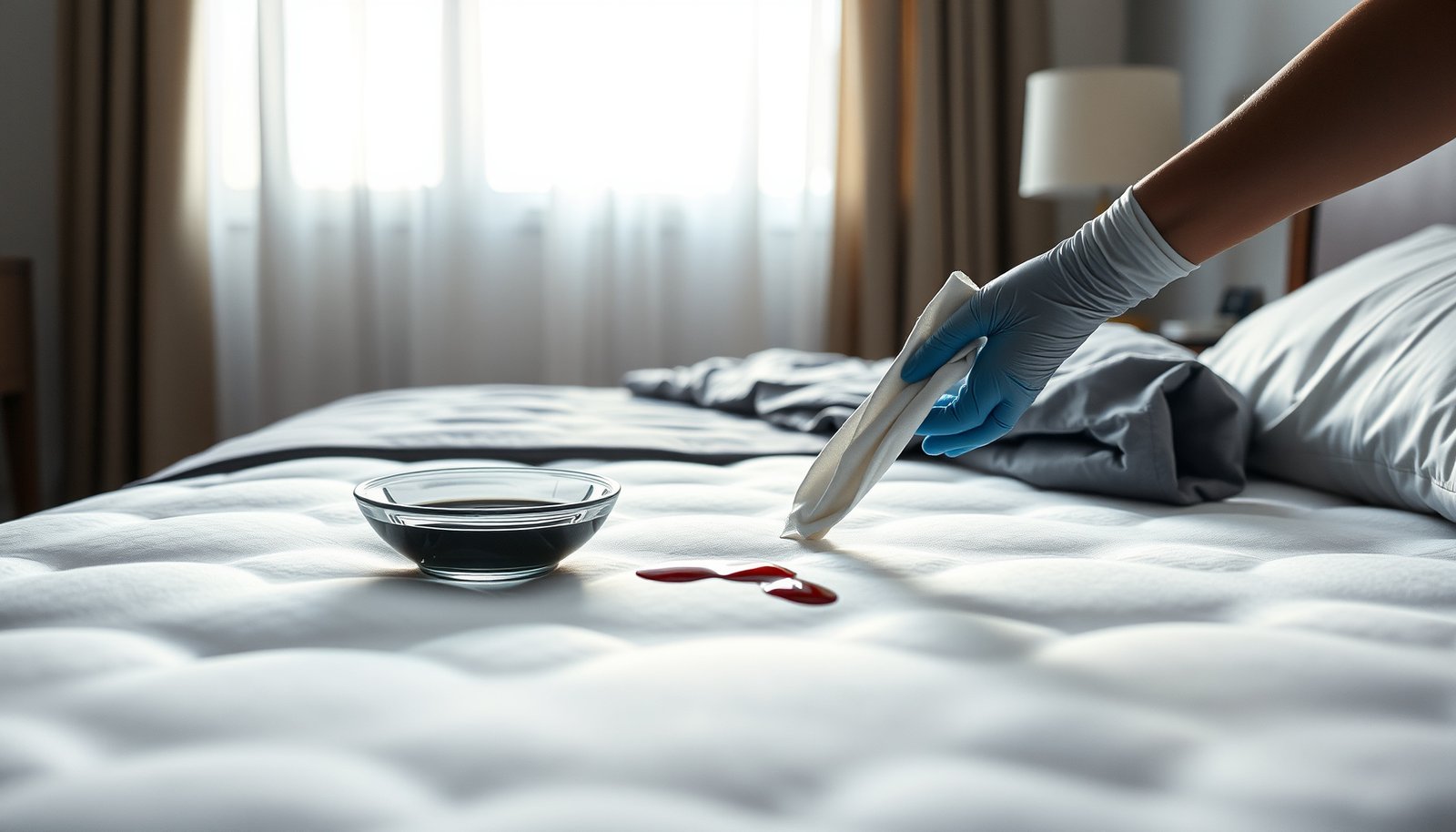
Blot with cold water dampened cloths until little to no color transfers.
How to do it well on a gel-infused mattress:
Use multiple cloth passes; fold the cloth so you always blot with a clean area. Keep the cloth damp, not dripping. If the blood is fresh, you’ll often see rapid transfer early; that’s the moment to switch cloth surfaces frequently.
Step 2: Treat the stain with hydrogen peroxide (spot only)
– Step 2: Treat the stain
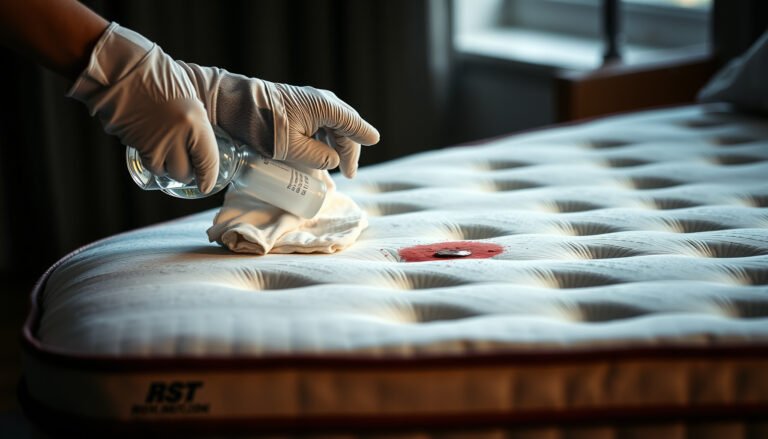
Dab a small amount of 3% hydrogen peroxide onto the stain, let it work briefly (until bubbling/foaming subsides), then blot with a clean cloth. Repeat only as needed.
Why this is the “natural-leaning” compromise:
Hydrogen peroxide is an oxidizing agent that helps break down blood staining on many fabric types. The key is that you’re not soaking—your gel-infused mattress cover and top comfort foam should never be left wet.
Control tips for a gel-infused mattress:
– Apply with a white cloth or cotton pad rather than pouring.
– Stop early if you notice discoloration or fabric texture changes during a spot test.
– Don’t combine hydrogen peroxide with other chemicals (especially vinegar/ammonia/bleach). Mixing can create unwanted reactions.
Step 3: Gentle wash without soaking
– Step 3: Gentle wash without soaking
Lightly dab the area with cold soapy water (very minimal liquid), then blot/rinse by dabbing with plain cold water.
What “minimal liquid” means in practice:
You should be able to press a dry white cloth against the spot and see very little additional moisture transfer. If water is pooling, you’re using too much.
About dried blood on a gel-infused mattress
If the stain is old, you may need multiple gentle cycles. Fresh blood usually responds faster; dried blood can be more embedded in fibers. Reapply peroxide in small amounts rather than increasing volume.
Protect the gel layer while you clean and rinse
The fastest way to protect the gel layer is to stay surface-level—apply only to the stained zone, rinse by dabbing, and dry until fully dry. On a gel-infused mattress, moisture that migrates into seams can linger longer than you expect, even when the top looks “mostly dry.”
Gel mattresses are multi-layer systems; minimizing liquid contact helps prevent moisture from traveling into seams and trapped foam layers.
According to CDC, Guideline for Disinfection and Sterilization in Healthcare Facilities (2008), effective decontamination relies on controlled cleaning steps rather than widespread over-wetting of porous materials.
Stay surface-level
– Stay surface-level: Work along the stained area only; avoid flooding seams or under the cover edge.
– If you have a removable gel mattress cover, consider removing it after the initial cold blotting step—especially for dried stains—so you can treat the cover on a flat, controlled surface.
Rinse carefully (dabbing rinses)
– Rinse carefully: Use “dabbing rinses” (cloth dampened with cold water) so you don’t leave residue inside.
– Residue matters because soap buildup can attract soil and cause discoloration over time on a gel-infused mattress cover.
Dry thoroughly (this is non-negotiable)
– Dry thoroughly: Use airflow (fans) and, if allowed by the cover/manufacturer, low/medium heat only for the *cover*—not soaking-wet cores.
– A practical approach for a gel-infused mattress is to run a fan directly across the stained zone and rotate the mattress if your setup allows it. Dryness within 24 hours is usually the goal; if it’s still damp after a day, stop and reassess because trapped moisture can lead to odor.
What can go wrong (common mistakes and edge cases)
The most common failure point for a gel-infused mattress is not the stain chemistry—it’s over-wetting, heat-setting, and uneven drying. Avoid those three and you’ll prevent most long-term problems like ring stains and lingering odor.
Heat can set protein-based stains, so using hot water early increases the likelihood of permanent discoloration on a gel-infused mattress.
If dried blood has penetrated deep into padding, spot treatments may not fully remove the stain without a more controlled extraction method.
Common mistakes that damage gel comfort layers
– Soaking the mattress: Gel-infused areas can hold moisture; trapped water can lead to odor or mildew.
– Using hot water/heat too early: Heat can set protein stains and damage some foams.
– Unknown cover materials: Some covers aren’t fully removable or aren’t meant for peroxide/soap—check the care label first: .
Comparison: what to do vs what to avoid on a gel-infused mattress
| Method | Best for | Pros | Cons / Risks on gel layers |
|---|---|---|---|
| Cold blot + 3% peroxide spot treatment | Fresh or moderately set blood | Minimal liquid use; reduces transfer and over-wetting risk | May need repetition; needs thorough drying |
| Steam cleaning / hot extraction | Non-porous upholstery only (if allowed) | Can lift surface grime | Higher chance of saturating gel-adjacent foam; may set proteins |
| Chlorine bleach | Only if manual explicitly permits | Strong stain/disinfection power | Can damage dyes, coatings, and fibers; may void warranty |
Edge case: deep-set stains or liquid into seams
If you’re seeing a persistent “shadow” stain after multiple gentle cycles—or if liquid likely ran into stitching or beneath the cover edge—spot cleaning may not fully remove the stain. In those cases, the safer next step is professional upholstery extraction using a controlled low-moisture approach, or following a manufacturer-approved deep-clean method for your gel-infused mattress model.
Verdict & quick checklist (what to do, plus downsides)
For most gel-infused mattress blood spills, the most reliable natural-leaning method is: cold-water blotting first, then 3% hydrogen peroxide spot treatment, then dab-rinsing and drying completely. This approach works because it targets the stain while limiting moisture exposure to the gel-adjacent comfort layers—especially important in 2026 when many covers are more delicate than older mattress fabrics.
Using a spot-treatment approach reduces the chance liquid reaches seams and comfort layers in gel-infused mattresses.
According to CDC, Guideline for Disinfection and Sterilization in Healthcare Facilities (2008), cleaning visible blood before disinfection improves effectiveness and is aligned with standard decontamination principles.
Natural-leaning cleaning can work well for many blood stains when you blot with cold water first and use spot treatment instead of soaking. The downsides are real: if the blood is old, spread deep into padding, or liquid got into seams, you may not fully remove the stain without a more controlled extraction method or professional cleaning.
Who should skip this approach:
– If your mattress manual prohibits hydrogen peroxide, soap, or any liquid application to the core, follow the label.
– If you can’t dry thoroughly within a day, stop—dampness is the bigger long-term risk than the stain on a gel-infused mattress.
– If you’re dealing with a high-biohazard scenario and you can’t follow appropriate disinfection guidance, consider professional help rather than improvising.
Quick scan checklist
| Do this | Why it matters |
|---|---|
| Blot with **cold** water first | Helps lift fresh blood without setting stains |
| Spot-treat with **3% hydrogen peroxide** | Can break down blood staining on fabric |
| Dab-rinse (don’t soak) | Reduces risk of moisture trapped near gel layers |
| Dry with airflow until fully dry | Prevents lingering odor and mildew |
| Check care label before peroxide/soap | Protects warranty + fabric/foam compatibility |
Frequently Asked Questions
How do I naturally clean a gel-infused mattress blood spill without spreading it?
Blot the blood spill immediately with a clean, dry cloth to absorb as much as possible—don’t rub, because rubbing can push blood deeper into the gel mattress layers. Mix cold water with a small amount of mild dish soap, then lightly dab the area from the outside toward the center. After blotting, rinse by dabbing with plain cold water and finish by blotting until dampness is minimal. Let the mattress air-dry fully before using it again to prevent odors or staining.
What’s the best natural method to remove dried blood stains from a gel mattress topper?
For dried blood, start by loosening the stain with cold water—apply a cold damp cloth and let it sit for a few minutes, then blot. Create a paste of baking soda and cold water, spread it lightly over the stained area, and leave it until it dries, then gently brush off residue. If the stain persists, repeat with hydrogen peroxide diluted to about 3% using minimal amounts and blot carefully (avoid soaking gel-infused areas). Always follow with a cold-water dab and thorough air-drying.
Which cleaning solution is safest for gel-infused memory foam when dealing with blood?
The safest approach is cold-water-based cleaning with gentle, non-damaging ingredients like mild dish soap or an enzyme-free stain booster that’s foam/mattress-friendly. Avoid harsh chemicals, hot water, and strong solvents (like bleach or acetone) because they can affect the gel mattress cover and alter the gel-infused foam structure. If you use hydrogen peroxide, keep it diluted and apply sparingly—gel-infused foam should never be saturated. Patch-test any solution on a hidden seam area first.
Why should I avoid soaking a gel-infused mattress while cleaning blood stains?
Soaking can force moisture into the mattress’s layers, making blood harder to fully lift and increasing the risk of lingering odor. Excess water can also slow drying in the gel-infused foam and protective cover, leading to a damp environment that may promote mildew. Instead, use a blot-and-dab method with minimal liquid and focus on lifting the stain from the surface and top layers. Finish by drying with airflow (fans, open windows) until completely dry.
How can I remove blood odors naturally and fully dry a gel-infused mattress after cleaning?
After stain cleaning, sprinkle a thin layer of baking soda over the cleaned area to absorb residual odors, then let it sit for several hours (or overnight) before vacuuming gently. Use fans to circulate air across the surface and, if possible, keep the mattress uncovered to speed drying—never use high heat directly on gel-infused layers. For extra freshness, lightly mist the area with a mixture of water and a tiny amount of white vinegar only if needed, then blot and dry thoroughly. Once fully dry, check for any remaining discoloration before placing sheets back on the mattress.
📅 Last Updated: October 29, 2026 | Topic: How to Clean a Gel-Infused Mattress with Blood Spills Naturally | Content verified for accuracy and freshness.
References
- Laboratory biosafety manual, 4th edition
- https://www.cdc.gov/infectioncontrol/guidelines/disinfection/index.html
- 1910.1030 – Bloodborne pathogens. | Occupational Safety and Health Administration
- https://pubmed.ncbi.nlm.nih.gov/?term=hydrogen+peroxide+inactivation+HIV
- https://pubmed.ncbi.nlm.nih.gov/?term=hydrogen+peroxide+inactivation+hepatitis+B+virus
- https://pubmed.ncbi.nlm.nih.gov/?term=enzymatic+detergent+blood+stain+removal+protease
- https://pubmed.ncbi.nlm.nih.gov/?term=protease+enzyme+stain+removal+blood
- https://scholar.google.com/scholar?q=bloodstain+removal+hydrogen+peroxide+fabric Google Scholar
- https://scholar.google.com/scholar?q=gel+infused+mattress+cleaning+blood+stain Google Scholar
- https://scholar.google.com/scholar?q=enzymatic+protease+detergent+blood+stain+removal Google Scholar