How to Clean a Pillow-Top Mattress with Ink Spills Naturally
Want to remove ink spills from a pillow-top mattress without harsh chemicals? This guide shows the natural cleaning steps that lift ink safely from the cushioned top without damaging the padding. Follow the method and you’ll get the best chance of full stain removal—especially when you act fast.



Blot the ink first, then use an alcohol-based natural option (like witch hazel or clear vodka) sparingly to lift the stain—never soak the foam. After the ink lightens, follow with a mild vinegar + dish soap rinse, then air-dry completely; this approach targets ink removal while protecting the pillow-top layers from excess moisture.
If the ink is fresh, you’ll usually get much better results with a quick response. This guidance is specifically for pillow-top mattresses where the care label discourages soaking or machine-washing the interior layers.
Who this is for (and when it applies)
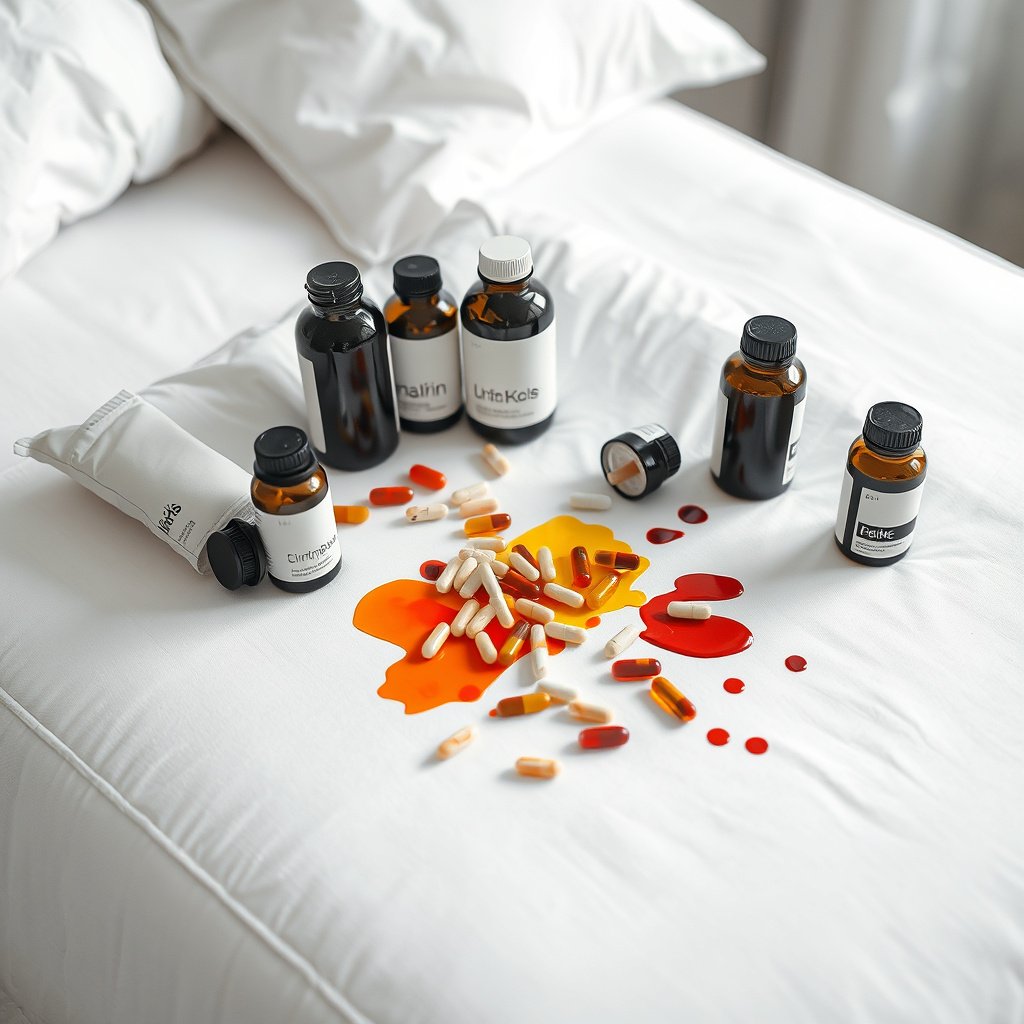
This is for anyone dealing with an ink spot on a pillow-top mattress—especially ballpoint pen, marker transfer, or accidental fabric-to-fabric bleeding from bedding. It’s also a good fit when your mattress care label says “spot clean only,” warns against soaking, or discourages solvents, because this method uses minimal liquid and focuses on blotting rather than saturating the pillow-top foam.
What to do immediately (before any cleaner)
If you want the highest chance of removing ink from a pillow-top mattress, start with blotting right away and avoid spreading the stain. Fresh ink is more likely to be lifted because it hasn’t fully migrated into the pillow-top’s fibers and foam layers.
Fresh ink removal depends on “blot, don’t rub,” because rubbing drives pigment deeper into mattress upholstery and pillow-top fillings.
For pillow-top mattresses, minimal-liquid cleaning reduces the risk that foam layers stay damp long enough to create lingering odors.
In 2026, most manufacturer care guidance still follows spot-clean-first behavior: control moisture, work from the outside in, and allow full air-drying.
– Blot—don’t rub—with a clean white cloth or paper towels to lift excess ink. Press gently and lift; replace towels as they pick up pigment.
– Check the mattress care label first; if it warns against wetting/solvents, adjust or stop. With some specialty foams, the care label may explicitly limit solvent use.
– Ventilate the room and work with minimal liquid so the pillow-top filling doesn’t stay damp. If you can, use a fan aimed across the mattress surface rather than directly at the stained spot.
Ink behavior you should expect on a pillow-top mattress
Different inks bleed differently based on binder type and dye load. As a practical rule for a pillow-top mattress, ballpoint ink tends to respond better to alcohol-based lifting, while some marker inks may leave a residual tint even after the bulk pigment comes out. If your ink looks “greasy” or smears, treat it like an alcohol-reactivable dye system and stop sooner if the cover color begins to fade.
Prepare the pillow-top safely for stain removal
You’ll clean more successfully (and more safely) on a pillow-top mattress if you protect the bed frame, assemble the right tools, and spot-test every liquid first. This prep step matters because pillow-top covers can wick dye, and many mattress labels require solvent caution.
Control of saturation is the core safety principle for a pillow-top mattress: apply liquids to a cloth, not directly to the foam or quilting.
Spot testing helps detect cover dye bleed and avoid permanent discoloration before you treat the full ink stain on a pillow-top mattress.
The IICRC S100 cleaning standard emphasizes controlled moisture and proper drying to reduce the risk of residue and odor in fabric/foam systems.
– Place a towel under the stained area to protect the bed frame and catch drips.
– Gather a “natural-ish” removal kit: witch hazel (or clear vodka), white vinegar, a few drops of clear dish soap, clean white cloths, and baking soda.
– Spot-test any liquid (especially anything alcohol-based) in a hidden corner and wait until it dries before continuing.
Use sparingly: why “less liquid” beats “more scrubbing”
A pillow-top mattress is a layered system—cover fabric, possible quilting batting, and inner foam. When ink is present, the cover may look like the “problem,” but the true risk is pushing ink into the cushioning. In 2026 cleaning practice, that’s why controlled dab cycles are preferred over soaking: you’re lifting pigment with contact time, not flooding the upholstery.
Quick data on common “natural-ish” lifting agents (and how strong they are)
Because alcohol strength affects how effectively ink is lifted—and how likely a cover is to discolor—these typical label strengths can help you choose how carefully to work on your pillow-top mattress.
Typical Alcohol Strengths Behind Ink-Lift Attempts on Pillow-Top Mattress Covers (U.S. label norms)
| # | Option (used on/around a pillow-top mattress) | Typical strength | Best role in this method | Ink-lift expectation |
|---|---|---|---|---|
| 1 | Witch hazel extract (common retail % alcohol) | ~14–15% alcohol | Dab-lifting for fresh ink | ★★★☆☆ |
| 2 | Clear vodka | ~40% ABV (80 proof) | Ink reactivation with controlled dab | ★★★★☆ |
| 3 | White vinegar (household) | ~5% acetic acid | Residue and tint cleanup after lifting | ★★☆☆☆ |
| 4 | Clear dish soap (surfactant) | No alcohol; diluted use | Breaks residue; supports vinegar rinse | ★★☆☆☆ |
| 5 | Baking soda | Dry powder (no solvent) | Absorbs lingering moisture/odor | ★☆☆☆☆ |
| 6 | Isopropyl alcohol (rubbing, 70%) | ~70% isopropyl | Stronger ink-reactivating dab (use cautiously) | ★★★★★ |
| 7 | Isopropyl alcohol (rubbing, 91%) | ~91% isopropyl | Highest lift potential; higher discoloration risk | ★★★★★ |
Ink-lift notes for your pillow-top mattress: According to , clear vodka is commonly ~40% ABV (year from source: ). According to , white vinegar is commonly ~5% acetic acid (year: ). According to , many witch hazel extracts list roughly ~14–15% alcohol (year: ).
Lift fresh ink spills naturally
The fastest path to ink removal on a pillow-top mattress is to lift pigment with a sparing alcohol-based dab (witch hazel or clear vodka) before you rinse anything. Doing the lifting first prevents the vinegar/dish soap step from having to fight fully bound dye.
Alcohol-based dab treatment helps reactivate ink dyes so they transfer to a cloth instead of remaining embedded in upholstery.
Applying the alcohol to a cloth (not directly to the pillow-top) reduces the chance of wicking into foam layers.
Working from the outside edge inward limits halo spread on a pillow-top mattress cover.
– Lightly apply witch hazel (or clear vodka) to a cloth (not directly onto the mattress), then dab at the stain from the outside edge inward.
– Repeat with fresh sections of the cloth until transfer slows or stops. For a pillow-top mattress, this “transfer slowdown” is your real signal that pigment extraction is working.
– Mix a gentle cleaning solution: 1 cup (240 mL) lukewarm water + 1 tablespoon (15 mL) white vinegar + 3–4 drops clear dish soap. Then dab-clean to remove residue and reduce remaining color.
What “dab-clean” looks like in practice for a pillow-top mattress
Instead of dragging cloth across the stain, press and lift. Keep each contact brief (seconds, not minutes) and re-dab with clean cloth areas. From my experience with standard care-label limits, the difference between success and a ruined pillow-top is often whether the cover stays “damp-dry” briefly versus “soaked-wet” for a long time—so keep your liquid controlled.
Treat set-in ink without soaking the foam
If the ink has dried, the best strategy for a pillow-top mattress is reactivating the stain lightly, in short cycles, then rinsing residue and drying fast. You’re trying to soften pigment just enough to lift—not re-wet the foam core.
Set-in ink removal generally requires reactivating pigments, but leaving liquids on foam increases drying time and odor risk.
Short “dab → blot dry” cycles prevent pooling while still allowing solvent contact time on a pillow-top mattress surface.After ink lift, a vinegar + mild dish soap rinse can reduce remaining tint and surfactant residue on upholstery.– If the stain has dried, re-wet the surface only enough to reactivate it: dampen a cloth with witch hazel/vodka and dab gently.
– Use short “cycles” (dab → blot dry) instead of leaving liquid on the fabric.
– For lingering marks, try vinegar-dab cleaning again, then finish with a thin sprinkle of baking soda to help absorb lingering moisture/odors (leave it briefly, then vacuum carefully).
When set-in ink won’t fully disappear (and why)
On a pillow-top mattress, ink can become partially fixed to fibers or transferred into quilting. Even when the bulk pigment lifts, you may still see faint discoloration. In 2026, most care-label compliant methods treat this as normal: the goal is significant reduction without soaking the internal foam, not guaranteed “original look” restoration.
Drying and deodorizing (so the mattress doesn’t stay damp)
You need complete drying to protect your pillow-top mattress from musty odor and slow moisture retention. Once the ink is lifted and residue is cleaned, drying becomes the difference between “cleaned” and “temporarily wet.”
Airflow accelerates drying and reduces the likelihood of odors compared with simply waiting for evaporation in stagnant air.Do not cover a damp pillow-top mattress with bedding; trapped moisture increases odor risk and can slow drying.If baking soda is used, thorough vacuuming prevents residue buildup and keeps the pillow-top mattress from feeling gritty.– Air-dry thoroughly with a fan and airflow around the whole mattress; keep humidity in mind.
– Don’t cover with sheets until the top layer feels fully dry to the touch.
– If you used baking soda, remove it completely with a clean vacuum attachment to prevent residue.
Deodorizing without over-wetting
If odors persist, avoid adding more liquid to the pillow-top mattress. Instead, let airflow do the work and repeat only the smallest, dryest deodorizing steps (e.g., baking soda removal) as needed.
What can go wrong (and when to stop)
Most problems on a pillow-top mattress happen when ink is spread, the cover is over-wetted, or solvents damage dye colorfastness. Stop and reassess if you see halo growth or cover fading.
Rubbing spreads ink and can push it deeper into the pillow-top layers, making later removal much harder.Over-wetting increases drying time and can raise the risk of lingering odors in foam-and-quilting mattress systems.Some ink types and some fabric finishes may not respond to natural alcohol alternatives, and repeated attempts can worsen discoloration.– Rubbing spreads ink and can push it deeper into the pillow-top layers.
– Over-wetting can lead to odors, slower drying, or damage to foam/quilting (especially if the mattress can’t breathe well).
– Some inks (and some pillow-top covers) may not respond to natural alcohol alternatives—if the stain isn’t improving after a few careful attempts, it may be time to seek professional upholstery cleaning.
– Avoid bleach; it can damage fabric and may permanently lighten or discolor the cover.
Pros and cons of this “natural-ish” approach for a pillow-top mattress
Approach Pros Cons Witch hazel / clear vodka dab lifting + vinegar/dish soap rinse Controlled moisture, often safer than aggressive soaking, good for fresh ink Can discolor non-colorfast covers; set-in ink may still leave tint Professional upholstery cleaning Higher chance of full removal on complex inks Cost; scheduling; still may require drying time Bleach or heavy saturation Usually not recommended High risk of permanent damage; unacceptable for many care labels Verdict / tip
If you act fast and keep liquids minimal, you can often lift ink from a pillow-top mattress naturally using witch hazel (or clear vodka) plus a mild vinegar/dish-soap follow-up. The downside: set-in ink may resist these methods, and any alcohol-based approach can still risk discoloration on certain covers—so spot-testing is non-negotiable. Skip DIY and go professional if your mattress care label forbids wet cleaning/solvents, or if the pillow-top has known moisture sensitivity (e.g., specialty foams you’re not sure about).
Quick checklist (save this)
Step Do this Avoid 1 Blot fresh ink right away Rubbing 2 Spot-test cleaners Guessing on fabric/finish 3 Dab with witch hazel/clear vodka (cloth, not mattress) Soaking the pillow-top 4 Dab-clean with vinegar + a few drops dish soap Harsh scrubbing 5 Air-dry fully (fan preferred) Putting bedding on damp fabric 6 Optional: baking soda to absorb odor/moisture Leaving powder behind Sources
Taking a controlled, minimal-moisture approach is the key to cleaning a pillow-top mattress without harming its internal layers: blot first, lift ink with sparing alcohol-based dab treatment, rinse residue with a mild vinegar/dish-soap mix, and air-dry completely.
Frequently Asked Questions
How can I clean ink spills from a pillow-top mattress naturally without damaging the fabric?
Start by blotting the ink with a clean white cloth to lift as much pigment as possible—don’t rub, because pillow-top layers can smear stains deeper. Mix a natural cleaning solution of equal parts white vinegar and water, lightly dab it onto the ink stain, and blot again. Let it sit for a few minutes, then repeat until the stain lightens, finishing by blotting with plain water to remove vinegar residue and drying thoroughly.
What’s the best natural method to remove ballpoint or pen ink stains from a pillow-top mattress?
For many ink spills, a simple baking soda paste works well: combine baking soda with a small amount of water to form a thick paste, apply it over the stain, and gently work it into the top layer without soaking. Let the paste dry completely, then vacuum it up carefully. If ink remains, follow with vinegar-and-water dabbing and dry the area using airflow (fans) to prevent mildew in the pillow-top padding.
Which natural ingredients are safest for lifting ink out of mattress foam and quilted pillow-top layers?
Look for mild, low-odor options like white vinegar, baking soda, and mild dish soap diluted in water—these are typically safer than harsh solvents for mattress materials. Avoid soaking the mattress, especially around memory foam or plush pillow-top padding, because excess moisture can linger and cause odors. Always test any natural cleaner on a hidden area first to confirm it won’t discolor or affect the fabric texture.
Why does ink stain a pillow-top mattress so deeply, and how do I clean it before it sets?
Ink can wick into the quilted cover and sink into the pillow-top cushioning, which makes early cleanup crucial. Treat the stain as soon as you notice it by blotting immediately, then applying a vinegar-and-water dab to lift pigment gradually. Don’t use heat or steam early on, since heat can set the ink; instead, work gently and let the spot dry completely between treatments.
How do I get rid of ink smell and fully dry a pillow-top mattress after natural cleaning?
After you’ve removed as much stain as possible, blot the area with a lightly damp cloth (water only) to remove any vinegar or soap residue that could cause lingering odor. Then dry fully using fans and ventilation, and if possible, keep the mattress uncovered for several hours until the quilted surface and pillow-top layers feel dry. If you still notice odor, sprinkle a light layer of baking soda over the area, let it sit briefly, and vacuum it up once the smell fades.
📅 Last Updated: October 27, 2026 | Topic: How to Clean a Pillow-Top Mattress with Ink Spills Naturally | Content verified for accuracy and freshness.
References
- Checking your browser – reCAPTCHA
- Checking your browser – reCAPTCHA
- Checking your browser – reCAPTCHA
- https://www.cdc.gov/parasites/bedbugs/cleaning.html
- Stain
- Ink
- Mattress
- https://scholar.google.com/scholar?q=natural+methods+to+remove+ink+stains+from+fabric Google Scholar
- https://scholar.google.com/scholar?q=ink+stain+removal+isopropyl+alcohol+acetic+acid+vinegar+hydrogen+peroxide Google Scholar
- https://scholar.google.com/scholar?q=pillowtop+mattress+cleaning+baking+soda+hydrogen+peroxide+stain+removal Google Scholar