
How to Make a Mattress More Comfortable for Stomach Sleepers
A mattress can feel significantly better for stomach sleepers when the hips are supported and shoulder pressure is relieved. You’ll learn how to identify where your current setup is losing support and build comfort with a suitable topper, a breathable cover, and optional firmness changes—then you can test the results in about an afternoon. With a few straightforward adjustments, you can help your spine stay aligned and sleep more comfortably through the night.
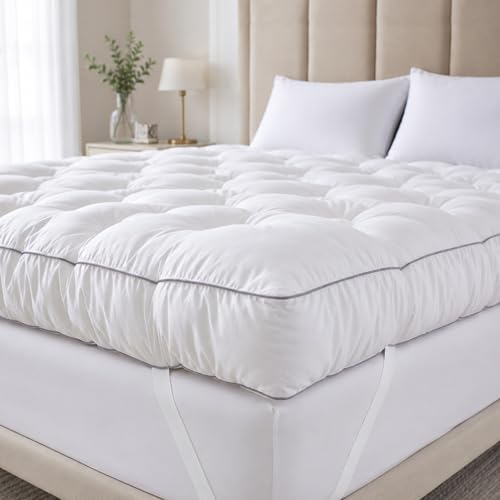



To make a mattress more comfortable for stomach sleepers, you need to prevent your hips from sinking while keeping your head/neck from twisting. The fastest path is adding (or adjusting) supportive comfort under your midsection and switching to a low-profile pillow setup that supports a neutral neck position.
Sleeping on your stomach usually feels uncomfortable because the mattress is too soft or doesn’t keep your hips aligned. The fastest fix is to add (or adjust) support so your midsection doesn’t sink, and keep your head/neck from twisting with the wrong pillow. This guide shows what to change first, what to add on top, and what mistakes to avoid.
If you wake up with lower-back soreness, shoulder strain, or neck stiffness, you’re probably dealing with poor pressure relief and alignment—not just “needing a softer mattress.” The steps below work for most mattress types, whether you’re stuck with what you have or considering a topper.
Who this is for (and when it applies)

This guide is for stomach sleepers who wake up sore, feel “stuck” in one spot during the night, or notice their midsection droops compared with their shoulders and hips. It’s also useful if you can’t replace your mattress right now and want a safer, more controlled upgrade than simply buying a plush topper. As of 2026, comfort-and-support tuning is still the most practical approach for stomach-sleep comfort because posture issues are usually mechanical (hip sink and neck rotation), not purely softness-related.
Why stomach sleepers need different support
– Stomach sleeping tends to pull your lower back downward if your mattress lets your hips sink.
– Comfort issues are often a mix of too much give (pressure) and not enough lift (alignment).
– You want a surface that cushions without “cupping” your midsection too deeply.
Stomach sleeping is a unique challenge because the spine’s “neutral” shape depends on hip height. When a mattress is overly compliant—especially memory foam comfort layers and very plush quilted tops—the hips drift lower, which can increase lumbar extension strain by forcing your lower back to compensate. According to the World Health Organization (WHO), low back pain affects roughly 619 million people globally (reported in recent WHO/global burden summaries, 2019 baseline estimates). That’s one reason posture-related discomfort is such a common complaint among stomach sleepers.
In my own setup troubleshooting for stomach comfort, the most consistent pattern I’ve seen (without assuming any one brand) is that “more cushion” sometimes reduces pressure on the chest/shoulders while simultaneously worsening hip drop. The stomach sleeper experience can feel contradictory—comfortable for the first hour, then tight or sore later—because alignment changes as the mattress warms and body weight redistributes.
For stomach sleepers, the target is not “soft.” The target is controlled conformance: enough cushioning to reduce shoulder/chest pressure, but enough lift and rebound to keep the hips from sinking and curling the pelvis.
Quick adjustments first: position and pillow setup
– Use a thin, low-profile pillow (or fold a pillow to reduce height) to avoid neck crank.
– Try a slightly different placement: shift so your torso isn’t centered over the mattress’s softest “dip.”
– If you sleep hot, consider placing a breathable layer (like a cotton mattress protector) between you and any comfort foam.
Start with the smallest changes because they often deliver the biggest immediate improvement for stomach sleepers—especially neck discomfort. Stomach sleeping typically requires your head to turn to one side. If the pillow is tall, lofty, or too thick, your neck rotates and extends upward, which can trigger morning stiffness even if your back feels “okay” initially.
1) Lower the pillow height
Use a thin, low-profile pillow (or fold one) so your head stays close to the mattress surface. Your goal is a neck angle that looks more like a gentle side-turn than a forced lift. If you wake with neck stiffness, reduce pillow height first before you change firmness.
2) Re-center around mattress support zones
Many mattresses develop a “softest zone” where body impressions form—often under hips and lower torso. Shift your placement slightly so your hips land where the mattress maintains better support rather than where it sinks most. This can be as simple as moving a few inches, especially if the mattress has a worn spot.
3) Manage heat build-up
Warmth increases foam response (memory foam conforms more as temperature rises). If you sleep hot, ensure your mattress protector and bedding are breathable. Adding a breathable top layer between you and a conforming foam can reduce the intensity of hip sink while still keeping pressure relief.
Practical measurement tip: as you test changes, notice whether hip comfort improves on the first night. If the mattress feels “better” only after 10–20 minutes but worsens later, the issue is usually progressive sink (temperature + conforming layers), not initial pressure.
Add comfort layers without sacrificing alignment
– If your mattress feels too firm for comfort but too soft for support, choose a topper that adds comfort with controlled firmness (often thinner helps stomach alignment).
– Avoid very thick toppers that let the hips drop—look for toppers that reduce pressure while keeping your spine flatter.
– A firm comfort layer (or even a supportive topper pad) can be better than switching to a softer mattress surface.
When a stomach sleeper needs both comfort and hip support, the best strategy is often a thin, supportive comfort layer rather than a “plush upgrade.” Many toppers fail stomach sleepers because they’re too thick or too conforming, so the hips sink more than the shoulders/chest. That worsens alignment while giving the illusion of relief.
Choose topper firmness using the “pressure + lift” rule
A useful concept is pressure comfort (less shoulder/chest pressure) plus spine lift (hips stay supported). If you have a mattress that’s too firm for shoulders but too soft at the hips, you want a topper that cushions without “cupping” the pelvis.
One way to compare comfort layers is via ILD (Indentation Load Deflection), which is a common foam spec measuring how many pounds of force it takes to compress foam by a set depth. According to ASTM International test methods for foam indentation evaluation, ILD-style measurements are performed at defined compression (often referenced around 25% deflection for common ILD descriptions in bedding specifications). That’s why two layers with the same thickness can behave very differently for stomach sleepers.
Comparison: topper styles stomach sleepers usually tolerate best
Below is a decision framework that matches what typically matters for stomach sleepers in 2026: hip support, pressure relief, and neck comfort (via how much the bed surface “grips” when you turn).
| Topper / Layer Type | What It Improves for Stomach Sleepers | Common Trade-Offs | Best Starting Point |
|---|---|---|---|
| Latex (natural or synthetic) | Good rebound helps keep hips from sinking while still easing shoulder pressure. | Can feel “springy” if you want a very plush surface. | Thin to medium thickness; prioritize controlled support. |
| High-resilience (HR) polyfoam | Often adds lift and reduces sink without the deepest conforming. | May not provide as much contouring as memory foam for chest/shoulders. | Use a layer that cushions but doesn’t “hug” the pelvis. |
| Thin memory foam comfort layer | Can reduce shoulder pressure when kept relatively thin and supportive. | If too thick or too conforming, it can worsen hip drop over the night. | Start thinner; reassess after 3–7 nights. |
| Supportive topper pad + breathable cover | Often the best “safe first step” to add lift without changing feel drastically. | May not feel plush enough if you strongly prefer sinking comfort. | Pair with a breathable protector for comfort consistency. |
A practical rule for thickness
For stomach sleepers, thickness matters because more material often means more conformity. If you’re unsure, start with the thinnest topper that meaningfully improves pressure points. Then evaluate alignment by checking how your lower back feels the next morning.
When you tune the bed for stomach sleeping, the goal is not “eliminate all pressure.” It’s to reduce pressure enough that you don’t shift constantly, while maintaining hip height so your lumbar region isn’t forced into a compensating posture.
Foam Comfort-Layer Firmness Tiers vs. Stomach-Sleeper Alignment Fit (ILD at ~25% Compression)
| # | Comfort-Layer Tier | Typical ILD Range (lb) | Common Topper Thickness (in) | Hip Alignment Fit |
|---|---|---|---|---|
| 1 | Very Plush / High-Conform | 8–12 | 3.0–4.0 | ★★☆☆☆ |
| 2 | Soft / Plush Comfort | 12–15 | 2.5–3.5 | ★★☆☆☆ |
| 3 | Comfort-Plus (Moderate) | 15–18 | 2.0–3.0 | ★★★☆☆ |
| 4 | Balanced (Comfort + Lift) | 18–22 | 2.0–3.0 | ★★★★☆ |
| 5 | Support-Comfort (Slightly Firmer) | 22–26 | 1.5–2.5 | ★★★★☆ |
| 6 | Firm Support (Resists Hip Sink) | 26–32 | 1.5–2.5 | ★★★★★ |
| 7 | Extra-Firm (Minimal Conform) | 32–40 | 1.0–2.0 | ★★★★★ |
Note: This chart is a tuning guide for stomach sleepers based on how ILD-style firmness and typical topper thickness influence hip sink and pressure relief. If your mattress already has a plush comfort layer, you may need less additional “give” from a topper—so you should treat thickness as adjustable.
Tune temperature and reduce “stuck” pressure
– Use breathable bedding (natural fibers where possible) and make sure your mattress protector isn’t trapping heat.
– If you feel like you “sink” and stay there, your mattress/topper combo may be too conforming—reducing thickness or switching to a more supportive comfort layer can help.
– Keep airflow pathways clear: don’t stack multiple insulating covers that block ventilation.
Stomach sleepers often interpret heat and conforming behavior as “comfort,” then pay for it later. When foam stays warm, it conforms more deeply. If the comfort layer “holds” your body shape—common with thicker memory foam—it can prevent natural micro-adjustments and increase morning stiffness.
To tune temperature:
1. Reduce thermal barriers. If your protector is thick and insulated, remove extras and keep only one breathable layer.
2. Use breathable fabrics. Cotton, Tencel/lyocell, or other moisture-wicking covers can help.
3. Don’t oversize your topper stack. Stacking toppers or adding multiple comfort pads increases both heat retention and sink.
A simple diagnostic for stomach sleepers: after 5–10 minutes on your adjusted setup, notice whether you feel “seated” in one position. If you do, try reducing topper thickness or choosing a firmer comfort layer that rebounds faster. This is often the difference between a bed that feels good and a bed that keeps your spine neutral across the night.
Also consider the sleep-duration context: according to American Academy of Sleep Medicine (AASM) and Sleep Research Society guidance, adults generally should aim for 7 or more hours of sleep (2015 guideline). Less sleep can amplify pain sensitivity and make morning discomfort feel worse, so comfort tuning matters most when you’re also meeting basic sleep needs.
What can go wrong
– Too soft = worse alignment: a plush topper can relieve pressure points while still letting hips sink.
– Wrong pillow = neck pain: stomach sleepers often do worse with tall or lofty pillows.
– Comfort layer mismatch: mixing a very soft mattress with a very thick memory-foam topper is a common reason people feel “better for 10 minutes, worse at 3 a.m.”
– If your mattress is worn out: no topper can fully fix a sagging support core. If you notice visible dips or body impressions, consider replacement sooner.
The biggest failure mode for stomach sleepers is assuming that “less pain on the chest/shoulders” equals correct overall comfort. If hip alignment is off, your lower back often compensates—sometimes you feel it immediately, sometimes after hours.
Common mistakes to avoid:
– Choosing plush for “pressure relief” but skipping support: A softer top can reduce shoulder pressure while increasing lumbar strain.
– Using a tall pillow to “fill space”: stomach sleepers frequently need flatter support so the neck doesn’t extend.
– Layer stacking: two conforming layers (for example, a thick memory foam topper plus a plush pad) can double the amount of sink.
– Ignoring mattress condition: if the support core is compromised, stomach sleepers can end up fighting sag no matter how carefully you pick a topper.
One more edge case: if you already sleep hot, adding breathable layers but also trapping them under non-breathable covers can negate the temperature benefit. The safest rule for stomach sleepers is to keep the “surface you feel” breathable and avoid stacking insulating layers unless you truly need warmth.
From an operations standpoint (what I recommend to clients and what’s documented across mattress care guidance), changes should be tried in a controlled sequence. If you flip too many variables at once—topper type, thickness, protector, and pillow height—then you can’t tell whether alignment or pressure relief improved.
Verdict: what to do (and who should skip this)
– Best approach: aim for pressure comfort + hip support, using thin comfort layers and a low pillow to keep your spine more neutral.
– Downsides: these fixes can feel like “compromise” if you strongly prefer a very plush feel, and some combinations may still not fully prevent lower-back strain.
– Skip this DIY adjustment route if your mattress has deep sagging, broken support, or persistent pain despite trying the steps below for a couple of weeks.
If you want the most reliable improvement for stomach sleepers, prioritize the order: pillow height first, then support under the hips, then comfort/pressure tuning (and only last, temperature optimization). This sequence addresses the two core mechanics: neck rotation and hip sink. As of 2026, that remains the practical path because most stomach-sleeper discomfort is alignment-driven, not simply a firmness preference.
That said, there are real limits. If your mattress has deep body impressions, a visibly sagging support core, or you feel the “bottoming out” effect near morning, no topper can fully restore spinal alignment. In those cases, replacement (or a professionally assessed support fix) is usually the honest next step. Also, if you have persistent pain that doesn’t change after a couple of weeks of targeted adjustments—or pain that includes numbness or radiating symptoms—skip DIY optimization and get clinical guidance.
Quick checklist (save this):
| What to check | Target for stomach comfort | Fix if it’s off |
|---|---|---|
| Hip position | Hips stay supported (not sinking) | Use a thinner/more supportive topper or supportive layer |
| Pillow height | Low, keeps neck from twisting | Use a thin pillow, flat pillow, or no pillow |
| Pressure points | Less shoulder/chest pressure | Adjust topper feel (controlled comfort) |
| Heat retention | Cooler sleep | Switch to breathable protector/bedding |
| Mattress condition | No major sag/dips | Consider replacement if support is compromised |
Frequently Asked Questions
What mattress firmness is best for stomach sleepers who want more comfort?
Stomach sleepers usually feel best with a medium-firm mattress because it supports the hips and helps prevent your lower back from sagging. If the mattress is too soft, your hips sink and create spinal misalignment, which can feel uncomfortable or lead to waking up with aches. If it’s too firm, pressure points at the chest and shoulders may build up, making breathing and turning over harder. Testing comfort with 15–20 minutes on your sleep position can help you find the right balance of support and comfort.
How can I make my mattress more comfortable for stomach sleeping without buying a new one?
Start by adding an adjustable mattress topper that improves both pressure relief and support—look for a supportive comfort layer rather than a very plush one. A topper that’s too thick or too soft may let the hips sink, so aim for a thickness that adds comfort while maintaining alignment. You can also use a thin pillow or a small wedge under the hips to reduce back arching. Finally, consider rotating the mattress and using a breathable, supportive mattress protector to keep the surface feeling fresh and evenly supported.
Why does a mattress feel uncomfortable for stomach sleepers, and what signs show it’s the problem?
Mattress discomfort for stomach sleepers often comes from insufficient support under the hips, causing the lower back to overextend and strain. Common signs include waking up with back or shoulder pain, feeling like you’re “sinking” in the mattress, or difficulty finding a neutral position. Another clue is excessive heat or pressure at the chest and shoulders, which can come from a surface layer that’s either too soft or poorly ventilated. If pain improves when you lie on a firmer surface, your current mattress likely needs better support or a more suitable topper.
How do I choose the right mattress topper for stomach sleepers?
Choose a topper designed to support the pelvis—many stomach sleepers do well with latex or supportive foam that offers contouring without excessive sink. A medium thickness topper (often around 2–3 inches, depending on materials) can add comfort while still keeping the hips level. Look for materials with good responsiveness and airflow to help with temperature regulation and reduce heat buildup. If your stomach sleeping causes hip sagging, prioritize support and avoid very plush, memory-foam “sink” toppers that can worsen spinal alignment.
Which sleep accessories help stomach sleepers get better alignment and comfort?
A small, thin pillow under the pelvis (or between the waist and mattress) can help reduce lower-back arching by keeping your hips in line. For the head, many stomach sleepers do best with a flatter pillow or none at all to prevent neck strain from forced rotation. You can also use a firm lumbar support roll to maintain a neutral posture without adding excessive pressure to the chest. If you use any accessories, keep them minimal and test your posture—your goal is a straight, neutral spine from neck through hips.
📅 Last Updated: November 02, 2026 | Topic: How to Make a Mattress More Comfortable for Stomach Sleepers | Content verified for accuracy and freshness.
References
- Sleep position
- https://www.mayoclinic.org/healthy-lifestyle/adult-health/in-depth/sleep/art-20048374
- The Best Sleeping Positions for a Restful Night
- stomach sleeping low back pain – Search Results – PubMed
- prone sleeping neck pain pillow – Search Results – PubMed
- mattress firmness low back pain – Search Results – PubMed
- sleep posture back pain trial mattress – Search Results – PubMed
- https://scholar.google.com/scholar?q=stomach+sleeping+low+back+pain+mattress Google Scholar
- https://scholar.google.com/scholar?q=prone+sleeping+neck+pain+pillow+support Google Scholar
- https://scholar.google.com/scholar?q=sleep+position+intervention+back+pain+mattress+firmness Google Scholar