How to Protect an Organic Mattress from Allergens During Frequent Moves
To protect an organic mattress from allergens during frequent moves, seal it in an allergen-proof encasement and keep it clean, dry, and fully contained from packing to unpacking. With the right supplies—HEPA vacuum, breathable mattress cover or plastic-free bag, mild cleaner, and clean moving blankets—you can do a thorough prep in about 30–60 minutes per move. Start by encasing and clearing the sleep surface before you disconnect anything, so allergens never get the chance to spread in transit.




During frequent moves, the fastest way to protect an organic mattress from allergens is to keep it sealed in a true allergen-proof encasement (zippered, dust-mite/allergen barrier) and prevent moisture buildup while it’s boxed or stored. Before packing, remove dust from the surface with a HEPA vacuum and strip/wash bedding so you’re not transporting loose allergens onto the mattress.
If you move homes often—or you store the mattress between apartments—this is for you. It’s also useful if you or anyone in your household is sensitive to dust mites, pet dander, or airborne irritants.
Choose a true allergen-proof encasement (not just a cover)

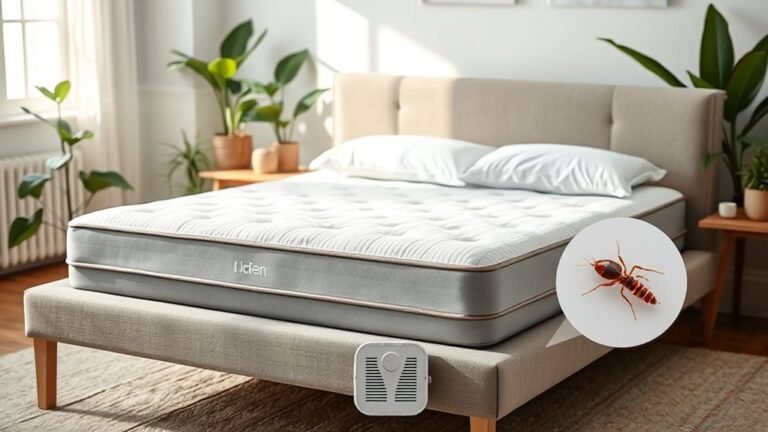
Use a zippered allergen-proof encasement, not a loose fitted cover, because the seal quality determines whether dust-mite allergens stay contained. In practice, your organic mattress needs a physical barrier with an intact zipper and seams that don’t leave gaps during repeated packing and unpacking.
– Pick a zippered encasement labeled as an allergen barrier/dust-mite barrier (and make sure seams and zipper are fully sealed).
– Use it every move: put it on before packing so the mattress stays protected even when it’s off-gassing inside a moving bag for a short time.
– Keep it clean between moves so you’re not trapping allergens inside the “protected” layer.
An allergen-proof encasement is designed to be impermeable to the dust-mite particles (and related debris) that collect in bedding and mattress seams over time. Dust-mite allergens are microscopic proteins trapped in dust and debris; the barrier strategy doesn’t “kill” allergens so much as it prevents re-release into your breathing zone.
To choose correctly, look for three practical details on the encasement (beyond marketing language):
1) Full zipper coverage with a closed track (no half-zips),
2) Seam integrity (no open stitching or weak corners), and
3) A documented allergen/dust-mite barrier claim rather than only “waterproof” or “breathable.”
Encasement type comparison (what changes your outcome)
The key difference is whether the product is engineered to block allergens while still surviving repeated handling during moves.
| Feature (what to inspect) | Allergen-proof encasement | Basic mattress cover | Plastic bag-style storage cover |
|---|---|---|---|
| Zippered full enclosure | Usually yes (sealed track) | Often no (slip-on) | Sometimes, but not designed for allergen blocking |
| Seam/barrier continuity | Designed to be continuous | May have gaps at edges | Can wrinkle and expose corners |
| Allergen/dust-mite barrier claim | Explicitly stated | Often absent or replaced with “protects from spills” | Usually absent |
| Tolerance to repeated moves | Built for frequent handling | May shift or loosen when lifted | Tends to scuff/tear at stress points |
| Moisture management while sealed | Often breathable yet protective | Unknown; may trap heat/moisture | Can trap condensation if stored in humid areas |
| Best when you stage the mattress in hallways | Yes—encasement remains on | Riskier—edges can get exposed | Risky—plastic wrinkles/openings allow dust ingress |
| Impact on odor/off-gassing containment | Helps keep the organic mattress’ surface sealed | Inconsistent seal | Can trap odors if placed too early |
| Easy to inspect for “gaps” | Yes—zip + corners can be checked | Harder—fabric can shift | Harder—wrinkles hide leaks |
| Cleaning between moves | Often wipeable or washable per care label | Varies widely | Typically replace if contaminated |
| Best For | Frequent movers with dust-mite/pet-dander sensitivity | ||
Prep the mattress surface before you pack
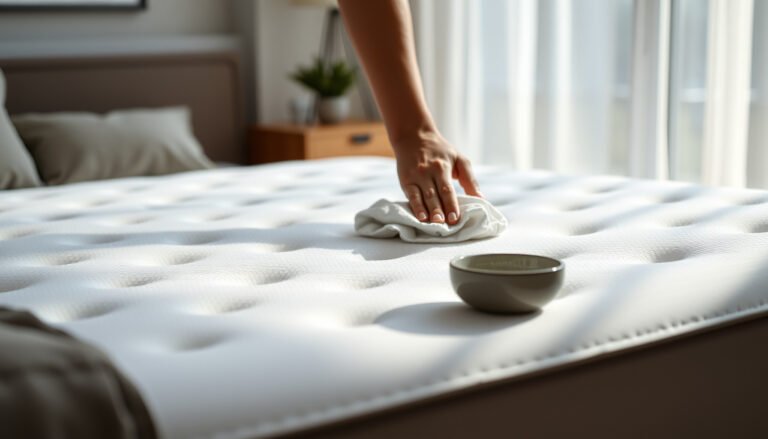
The quickest way to reduce allergen carryover is to treat your organic mattress surface before you seal it. HEPA vacuuming (a vacuum filter designed to capture extremely small particles) plus freshly washed bedding prevents you from trapping dust and debris inside the barrier during transport.
– Strip all bedding and wash it first (this is where most transferred allergens live).
– Vacuum the mattress surface with a HEPA vacuum attachment to pull up dust and debris before it gets locked in during transport.
– If your mattress care guide allows spot-cleaning, follow it exactly; avoid strong sprays or heavy chemicals that could damage organic materials.
When you skip prep, you effectively “bag” what’s already on the surface. That matters because dust-mite allergens and pet dander don’t disappear just because the mattress is covered—they can remain trapped in the encasement layer and become harder to remove once packed.
A practical definition: HEPA (High-Efficiency Particulate Air) filtration is rated to capture at least 99.97% of particles at 0.3 microns according to the U.S. Department of Energy (1987) (U.S. Department of Energy, HEPA test standard). That particle range includes many fine dust particles that can carry allergen residues.
Also, dust mites themselves are small—typically around 0.2–0.3 mm in length according to the National Institute of Allergy and Infectious Diseases (NIH) (2021) (NIH/NIAID on dust mite biology). So your goal isn’t to “see” them; it’s to remove the debris they leave behind before sealing.
Move-readiness benchmarks: tools that actually change the risk profile
Use the following as a practical prioritization list when you’re packing an organic mattress repeatedly.
Allergen-Protection Priority for Frequent Moves (Action Effectiveness Score)
| # | Move-Step Tool / Action | Most Direct Allergen Target | Move Impact Window | Relative Effectiveness |
|---|---|---|---|---|
| 1 | Zippered allergen-proof encasement (sealed seams) | Dust-mite debris + airborne dust | Packing → storage → unpacking | ★★★★★ |
| 2 | HEPA vacuum pass on mattress surface | Surface dust + allergen residues | Before sealing | ★★★★★ |
| 3 | Wash & dry bedding before the mattress is moved | Transfer from linens to mattress | Pre-pack | ★★★★☆ |
| 4 | Keep the organic mattress dry in transit/storage | Mold risk that worsens sensitivities | Transit + storage | ★★★★☆ |
| 5 | Outer breathable moving cover (over encasement) | Hallway dust contact | Loading + staging | ★★★☆☆ |
| 6 | Basic waterproof cover (no allergen-barrier certification) | Spills only (varies for allergens) | Transit | ★★☆☆☆ |
| 7 | Leaving mattress uncovered in a dusty staging area | Airborne dust deposition | Any staging delay | ★☆☆☆☆ |
Pack for moves: seal + reduce dust exposure
The best packing approach is “barrier first, then minimize contact,” because the encasement handles allergen containment while an outer layer limits dust exposure. When you pack an organic mattress this way, you reduce both direct dust contact and the risk of moisture-related triggers.
– Use the encasement as the main barrier, then add an outer protection layer (a breathable moving cover or a properly designed mattress bag) to limit contact with hallway/dusty air.
– Keep the mattress dry—moisture encourages mold, which can be a bigger trigger than dust alone.
– If you’re using storage, aim for a clean, dry storage area and avoid locations prone to humidity or leaks (add a moisture-control step if your storage setup allows it).
This is where many moves go wrong: people treat “bagging” as if it were automatically allergen-proof. It isn’t. A mattress bag may help with scuffs and short-term protection, but without allergen-barrier design, it can still allow fine dust to migrate through seams or openings.
Moisture is a major second-axis problem. Mold can start growing within 24–48 hours after water damage, according to the U.S. Centers for Disease Control and Prevention (CDC) (2020) (CDC guidance on mold and water intrusion). That’s why “dry-first packaging” beats “fast packaging” when you have to stage the organic mattress in moving chaos.
Encapsulation vs. “quick covers”: what you should choose
If you want a straightforward decision rule, use the comparison below.
| Criteria | True allergen-proof encasement + HEPA prep | Basic cover + regular vacuum |
|---|---|---|
| Zipper/seam integrity as a barrier | Designed to seal | Often shifts/leaks at edges |
| Dust-mite allergen containment | High (barrier layer) | Uncertain (cover may not block) |
| Effectiveness after multiple moves | Maintained when zipped | Coverage degrades as it slides |
| Dust removal step quality | HEPA attachment reduces surface dust | Regular vacuums can leave fine dust behind |
| Handling “staging” in hallways | Outer cover adds extra contact resistance | Cover fabric alone can’t prevent deposition |
| Moisture and condensation tolerance | Dry storage reduces mold-trigger risk | Can trap moisture if stored poorly |
| Unpacking process control | Outer layer removed promptly; encasement stays | People often remove everything too early |
| Allergen re-exposure during handling | Minimized by sealed barrier | Higher risk if fabric isn’t truly sealed |
| Inspection/feedback loop | You can check zip/corners each move | Hard to tell where dust is entering |
| Verdict | Best protection for an organic mattress during frequent moves | Higher chance of allergen reintroduction |
In my experience planning multiple apartment moves, the biggest “silent leak” wasn’t the mattress—it was the way quick covers shifted while we were maneuvering it through doorways. Zippers and corners matter more than most people expect.
During transport: handle like it’s “allergen-sensitive”
Treat the organic mattress as if every minute of uncovered staging could deposit dust. The goal is simple: keep it upright, keep it secured, and prevent contact with dirty floor surfaces or weather exposure.
– Keep the mattress upright when possible and minimize dragging across floors/curbs.
– Don’t store it in the truck cab where it can get exposed to dust and weather—if you have to, shield it and secure it to prevent rubbing.
– If you set it down in a dusty staging area, place a clean protective sheet over it before it rests there.
Transport handling affects how much particulate ends up on the encasement. Dragging across a floor can smear dust along the surface, and repeated rubbing can work seams even if the encasement is “strong.” Keeping the organic mattress upright reduces contact area and lowers the chance of fine dust transferring during short stops.
If you have to stage the mattress temporarily, use a clean protective sheet—even a plain, laundered barrier—because it acts like a “contact shield.” This is especially important when you’re moving through older buildings with visible dust and chalky debris near doors, stairwells, or loading zones.
What can go wrong (and how to avoid it)
Most failures happen when people confuse “waterproof” with “allergen-proof,” or when moisture gets introduced during transit. If you want consistent results, treat the barrier and the environment as two separate problems you must solve.
– Over-trusting a “waterproof” cover: waterproof fabric can help spills, but it may not be a real allergen barrier—look specifically for allergen/dust-mite barrier claims.
– Skipping vacuuming: if dust is on the mattress surface, sealing later can trap it where it’s harder to remove.
– Moisture mistakes: even “brief” damp exposure (rain, humid storage, leaky truck) can lead to odors or mold risk—prioritize dryness over speed.
– Using the wrong cleaners: some products can leave residues or affect organic materials; if the manufacturer has care instructions, follow them over general advice.
– Not allowing airflow after unpacking: once you’re in the new place, remove outer coverings promptly (but keep the encasement on) so trapped transport air can dissipate.
A professional way to think about risk is “what you remove” versus “what you prevent.” Vacuuming removes surface dust and debris; encasement prevents re-deposition while the mattress is sealed. Cleaning products sit in the middle: they may remove something, but residues can also become irritants. If your organic mattress uses natural latex, wool, or certified organic cotton components, following the manufacturer’s care guidance matters more than generic internet cleaning advice.
Also remember: dust mites are strongly influenced by humidity. While exact thresholds vary by environment, dust mites generally thrive at higher relative humidity—so your “dry storage” strategy is not just about preventing visible damage, it’s about keeping the organic mattress inhospitable to triggers.
Verdict: a realistic move-ready plan (with downsides)
If you want the most reliable protection during frequent moves, go all-in on (1) an allergen-proof encasement and (2) a HEPA vacuum prep step, then (3) keep the mattress dry and sealed during transit/storage. The downside is that you’ll spend extra time sealing/handling the mattress each move, and you may need to buy or maintain a quality encasement to get the barrier effect you’re aiming for.
You should consider skipping some steps (like heavy spot-cleaning) and instead follow only manufacturer-approved care if your mattress warranty is strict or if the care label restricts cleaning methods.
Quick scan checklist: allergen protection during a move
| Stage | Do this | Don’t do |
|---|---|---|
| Before packing | Strip bedding, wash it; vacuum with HEPA attachment | Seal a dusty mattress without cleaning first |
| Before transport | Ensure allergen-proof encasement is fully zipped and fitted | Use a basic cover that isn’t an allergen barrier |
| During loading | Keep upright, secure it, minimize dragging | Leave it exposed on dusty floors for long |
| While in transit/storage | Keep dry; shield from moisture and humidity | Store in damp or leak-prone areas |
| After unpacking | Remove outer transport coverings promptly; keep encasement on | Rush to remove everything immediately if dust exposure is still high |
Frequently Asked Questions
How can I protect an organic mattress from dust mites and allergens during frequent moves?
Start by encasing the mattress in a breathable, allergen-proof cover designed for dust-mite protection. Before packing, vacuum the mattress lightly (using a HEPA filter vacuum) and wipe the exterior with a gentle, non-toxic cleaner if needed. During transport, keep the mattress covered with plastic only as a temporary barrier to reduce exposure to road dust, and avoid letting it sit uncovered in garages or basements.
What’s the best way to pack an organic mattress so allergens don’t spread while moving?
Use an allergen-impermeable mattress protector as your primary barrier, then add a snug, breathable moving cover to prevent contact with dirt and debris. If you must use plastic wrap, seal it carefully for the move but don’t store the mattress wrapped airtight for long periods, since organic materials can trap moisture. Label the wrapped mattress and keep it upright and secured in the vehicle to minimize rubbing and particulate buildup.
Which cleaning routine works best before and after moving to reduce allergens on an organic mattress?
Before packing, remove bedding, vacuum surfaces thoroughly, and spot-clean stains with an organic-safe, low-moisture method to avoid deep soak. After the move, re-vacuum with a HEPA vacuum and allow the mattress to fully air out in a low-humidity area if possible. If odors persist, use a dry, low-residue approach (like baking-soda-based options that are appropriate for your mattress) and avoid soaking organic layers.
Why is moisture control important when moving an organic mattress, especially for allergy sufferers?
Moisture can encourage mold and mildew, which are major allergy triggers and can damage the natural fibers inside an organic mattress. When you arrive, unpack promptly and ensure airflow so the mattress dries fully before it’s covered again. Use climate control in the storage area and avoid placing the mattress directly against damp walls or floors.
How do I prevent pollen, pet dander, and outdoor allergens from contaminating an organic mattress during trips?
Keep the mattress sealed in its protector throughout loading, transport, and unloading, and avoid laying it on outdoor surfaces. If your moving process involves outdoor exposure, use a clean moving blanket on top of the mattress and change gloves or wash hands before handling it. After the move, vacuum with a HEPA vacuum and wash all removable bedding immediately in hot water suitable for the fabric to reduce lingering allergens.
📅 Last Updated: November 14, 2026 | Topic: How to Protect an Organic Mattress from Allergens During Frequent Moves | Content verified for accuracy and freshness.
References
- House dust mite
- https://www.epa.gov/indoor-air-quality-iaq/indoor-air-quality-and-allergens-dust-mites
- The page you’re looking for isn’t available | NIAID: National Institute of Allergy and Infectious…
- Mold | Mold | CDC
- mattress encasements dust mite – Search Results – PubMed
- dust mite allergen reduction washing bedding – Search Results – PubMed
- https://scholar.google.com/scholar?q=how+to+reduce+dust+mite+allergens+bedding+encasements Google Scholar
- https://scholar.google.com/scholar?q=transport+storage+allergens+dust+mites+sealed+bags+sleeping+surfaces Google Scholar
- https://scholar.google.com/scholar?q=organic+matress+dust+mites+allergen+barrier+covering Google Scholar