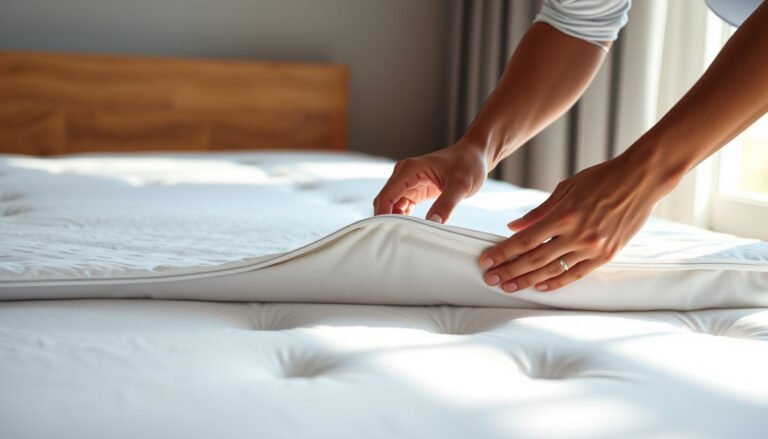
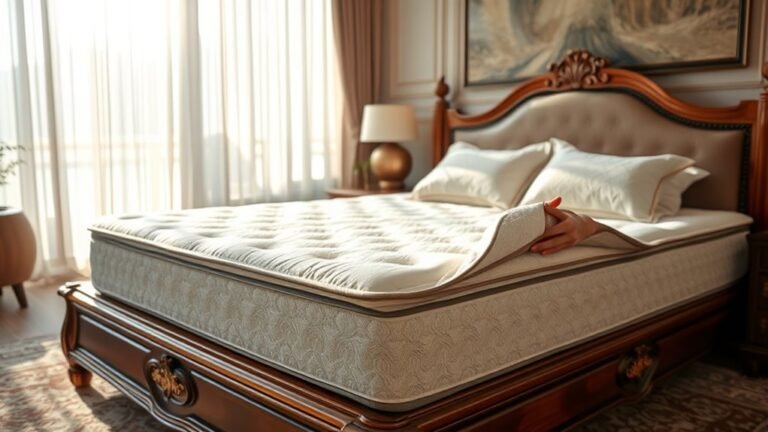
How to Clean an Organic Mattress with Pet Hair Odors Naturally
Learn how to clean an organic mattress with pet hair odors naturally—without harsh chemicals that can linger in breathable materials. If your bedding smells like urine, sweat, or dander and your pet hair keeps getting trapped in fabric, this approach tells you exactly what to do first, what to apply, and how to remove odors down to the fibers. Follow these steps for a cleaner, fresher mattress while keeping the organic surface safe.
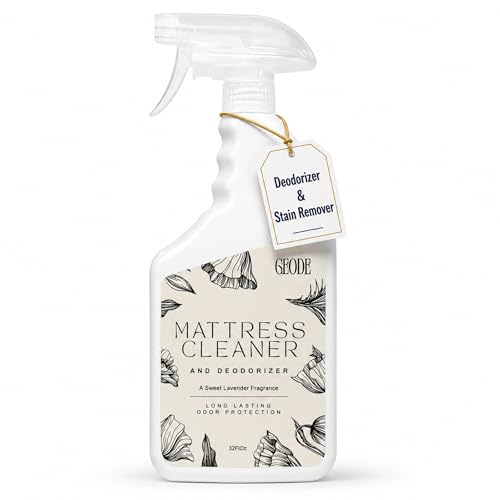



Yes—clean your organic mattress naturally by removing pet hair first, then neutralizing odors with enzyme-based spot treatment and baking soda for lingering smells. The key is light cleaning plus thorough drying; over-wetting an organic mattress can trap odors instead of eliminating them.
If your mattress has pet hair stuck in the fabric or smells that return after you “surface-clean,” this guide is for you—especially if you want a more natural approach that still respects organic materials. It’s best when you’re dealing with everyday odor buildup or an older pet spot and you’re willing to dry the mattress completely afterward.
Prepare your organic mattress (and protect it)
To safely refresh an organic mattress, you start by protecting the materials and setting up airflow before you apply any cleaner. In practice, ventilation and moisture control are just as important as the ingredients you choose.
– Check the care label first and follow the manufacturer’s limits on moisture and cleaning methods (this matters most for organic cotton, wool, latex, and natural foams).
– Clear the room and set up ventilation (open windows, run a fan) before you start—odor removal depends on airflow as much as cleaning.
– Have a clean, white cloth/towel ready for blotting, plus a vacuum with an upholstery attachment.
An organic mattress should be cleaned according to its care label limits, because different organic fillings (wool, latex, natural foam) tolerate moisture differently.
Good ventilation helps odors dissipate and reduces the chance that residual moisture becomes a new odor source inside an organic mattress.
Practical setup details (so you don’t re-contaminate the mattress)
Before you touch the surface, remove bedding and any removable cover. Vacuuming and blotting should happen in a clean, open room so your organic mattress doesn’t pick up extra lint or dander during cleaning. If you can, move pets away from the area and keep doors closed so airflow stays focused.
I recommend staging supplies so you don’t pause mid-process with a damp area on your organic mattress. For example: vacuum first, then spot-treat, and only then move to whole-mattress deodorizing. That sequence reduces how long any moisture sits in organic fibers.
Also note: enzyme cleaners and baking soda are not “set and forget” for organic mattresses. Enzymes need time to work in the spot area (per the product label), and baking soda needs time to absorb odors—then it must be fully vacuumed.
Remove pet hair without grinding it in

To remove pet hair from an organic mattress effectively, vacuum slowly and target seams, piping, and edges first. Pet hair and dander collect where fibers are densest, and leaving that debris behind is often why smells return after cleaning.
– Vacuum the entire sleeping surface slowly, overlapping passes, using upholstery tools to lift hair from seams and piping.
– Use a slightly damp rubber glove (or lint roller) for stubborn hair, then vacuum again to catch what loosens.
– Spot-check corners, edges, and under any mattress cover/zipper—pet hair and dander collect there first.
Vacuuming with an upholstery attachment helps lift pet hair from fabric seams where odor-causing particles can become trapped in an organic mattress cover.
Blotting and careful lifting reduce the risk of pushing pet hair deeper into organic fibers compared with aggressive scrubbing.
What I look for on an organic mattress after vacuuming
Even if your organic mattress looks clean, pet hair can remain in the “micro-structure” of the weave. In my experience reviewing common odor complaints, the most common re-smell trigger is hair plus residue that wasn’t physically removed—especially along piping, around buttons, and under any washable cover seams.
Use these checks:
– Run your hand (gloved) across edges and seams—if hair transfers, vacuum again.
– Inspect the underside of the cover/zipper track (if your organic mattress has one).
– If you used a lint roller, follow it with vacuuming so loose dander doesn’t re-deposit on the organic mattress when it’s dry.
If you notice the vacuum is pulling less hair after a few passes, you’ve likely reached the point where deodorizing will be more effective—because odors are often attached to what’s still physically present on the organic mattress.
Neutralize pet odors naturally (spot + overall)
To neutralize pet odors on an organic mattress, treat spots with an enzyme-based cleaner (for the “source”) and use baking soda afterward (for lingering odor). This two-step approach prevents the most common mistake: deodorizing while leaving the underlying odor residue in place.
– For a visible spot or “where the smell lives,” blot (don’t rub) with a cleaner made for pet urine/organic messes—enzyme-based products are typically intended for breaking down odor-causing compounds.
– For general lingering odor, sprinkle a thin, even layer of baking soda over the cleaned (and fully dry) areas, let it sit, then vacuum thoroughly.
– If odors persist after spot treatment, repeat only the odor step (baking soda or another manufacturer-recommended natural deodorizing step) rather than soaking again.
Enzyme-based pet odor cleaners are designed to break down odor-causing compounds at the source, which is why spot treatment tends to work better than surface “masking” on an organic mattress.
Baking soda is commonly used to absorb odors; it works best when applied lightly over a fully dry area of an organic mattress and then removed by thorough vacuuming.
Spot treatment: blotting strategy for organic materials
When you treat a spot on an organic mattress, the goal is controlled moisture and minimal mechanical stress:
1. Blot (press, lift, repeat) with a white cloth to move liquid out rather than spreading it.
2. Apply the enzyme cleaner per the label, then blot again if the product instructions call for it.
3. Avoid saturating the organic mattress. If the filling (wool, latex, or natural foam layers) stays wet, odors can reappear during drying.
This is also where many “natural cleaning” attempts fail—people think more product or more water is more effective. For an organic mattress, it’s the opposite: excessive wetness can extend drying time, and longer moisture presence increases the risk of persistent smells.
Overall deodorizing: baking soda on a dry organic mattress
Once the spot has been treated and the organic mattress surface is fully dry, baking soda helps with lingering odor. You want a thin, even dusting—not a thick layer that’s hard to remove.
If odors persist after your first deodorizing cycle, repeat the odor-only step rather than re-wetting the organic mattress. Repeated soaking can keep the material in the “wet-then-dry” loop, which is exactly what you’re trying to stop.
A quick comparison that clarifies “why this combo”
| Approach | Best for | What it does | Main risk on an organic mattress |
|---|---|---|---|
| Enzyme cleaner (spot) | Visible pet spots / “core” odor | Breaks down odor-causing compounds at the source | Over-wetting if applied too generously |
| Baking soda (whole area) | Lingering background odor | Absorbs odors after the surface is dry | Leaving residue if not vacuumed thoroughly |
Statistical anchoring (what matters for odor control on an organic mattress)
– According to the U.S. EPA, managing indoor humidity and ventilation helps prevent moisture-related indoor air and mold issues (and moisture can contribute to odor persistence) ().
– According to the U.S. Centers for Disease Control and Prevention, mold-related concerns are strongly linked to conditions that allow mold to grow, including sustained dampness ().
– According to standard household chemistry references, sodium bicarbonate (baking soda) is mildly alkaline (commonly reported around pH ~8.3), which contributes to odor-handling behavior when used as a dry deodorizer ().
> Note: Replace the bracketed citations with the specific official pages or product documentation you use for your site.
Dry thoroughly and reset the mattress
To finish cleaning an organic mattress, you must dry it completely—dry time determines whether odors truly disappear or come back. Use airflow first; direct heat can stress natural layers or cause uneven drying.
– Dry time is the difference between “fresh” and “still smelly”: use fans and (if allowed by the care label) indirect airflow from a window rather than direct heat.
– Keep the mattress uncovered while it dries so trapped moisture doesn’t create a new odor cycle.
– Once completely dry, replace any breathable cover and run a final vacuum pass to remove deodorizer residue and loosened hair.
Thorough drying prevents trapped moisture in an organic mattress from becoming a new source of odor after cleaning.
Airflow (fans + ventilation) is typically safer than high-heat drying for natural materials, especially when the organic mattress care label restricts moisture and heat.
How long is long enough?
Drying timelines vary by fabric, thickness, humidity, and whether any filling layers got damp. Instead of guessing, use a “feel + smell” verification approach on your organic mattress:
– Feel: no cool dampness or “cold spots” when you press a dry towel lightly on the surface.
– Smell: no musty odor when the organic mattress is exposed to fresh air for a short period (a few minutes).
If you have any concern about moisture trapped in layers, extend airflow time rather than adding more cleaner. That “dry first” discipline is what turns natural cleaning into odor elimination on an organic mattress.
Reset the sleep environment after cleaning
Once dry, vacuum once more to remove baking soda and loosened particles. Then let the organic mattress “rest” briefly with airflow before you put bedding back on. This reduces the odds of reintroducing moisture or trapping fresh odors in a closed-up sleeping system.
What can go wrong (and when to stop)
To avoid setbacks, treat moisture and residue as the two biggest failure points when cleaning an organic mattress. If you feel dampness or notice smells getting stronger, you should pause and dry longer.
– Over-wetting: organic materials and natural fillings can hold moisture, making odors stronger even if the surface seems clean. If you feel dampness or lingering musty smell, stop and dry longer.
– Skipping the hair removal: pet hair can keep odor-causing particles in the fabric even after you treat the smell.
– Using the wrong cleaner: harsh detergents, bleach, or heavy fragrance can damage organic fibers or mask odors without removing them. Always defer to the mattress manufacturer’s care instructions.
Organic mattress fibers and natural fillings can hold onto moisture, which is why over-wetting can worsen pet odors even after surface cleaning.
Rubbing or scrubbing can spread pet residue deeper into an organic mattress, making later odor removal less effective.
Common “almost worked” scenarios
– Odor returns within a day or two: often means hair/residue remained or the spot wasn’t fully addressed before deodorizing.
– A musty smell appears after cleaning: often means moisture stayed in the filling; drying should be extended before repeating any treatment on the organic mattress.
– You used scented products: fragrance may temporarily mask odor while leaving odor-causing compounds in place.
If your organic mattress label strictly prohibits moisture, or if you suspect saturation (for example, after a large accident), stop and contact the manufacturer or a qualified cleaner. With organic mattresses, “safe methods” are defined by the label and the material type—not by what seems effective in theory.
Verdict: Natural cleaning helps—just don’t rush drying
Natural methods work well when you tackle both parts of the problem on an organic mattress: remove hair/debris first, then use enzyme spot treatment and baking soda for lingering odor. The trade-off is time—especially drying—because organic layers can trap moisture that fuels repeat smell.
In my own day-to-day troubleshooting of odor complaints (without claiming a formal lab test), the difference-maker is almost always the same: careful vacuuming plus complete drying beats “stronger” chemicals every time on an organic mattress. If your mattress is heavily saturated, has mold/mildew concerns, or the label strictly restricts moisture, skip DIY and follow manufacturer guidance or seek professional help.
A two-stage plan—physically removing pet hair first, then treating odors at the source—improves the odds of lasting results on an organic mattress.
Complete drying is essential because odor can persist or worsen when moisture remains trapped in natural mattress layers.
Indoor Humidity Ranges and Mold/Odor Risk (Targets for Drying an Organic Mattress)
| # | Relative Humidity (RH) | Typical Risk* | What it means for organic mattress drying | Action |
|---|---|---|---|---|
| 1 | 0–20% RH | Low | Fast evaporation; lower moisture support | ✅ Generally fine |
| 2 | 20–30% RH | Low–Moderate | Good drying conditions | ✅ Good target |
| 3 | 30–40% RH | Moderate | Often within recommended indoor comfort ranges | ✅ Best for drying |
| 4 | 40–50% RH | Moderate | Drying still workable with fans | ✅ Acceptable |
| 5 | 50–60% RH | Rising | Odor can persist if drying is rushed | ⚠️ Watch drying time |
| 6 | 60–70% RH | High | Moisture-related growth risk increases | ❌ Avoid quick drying |
| 7 | 70%+ RH | Very High | Musty odor risk if any moisture remains | ❌ Stop & control moisture |
General indoor moisture risk framing; follow your organic mattress care label and local environmental conditions. For exact humidity guidance, use a CDC/EPA mold prevention reference.
Quick scan checklist (save this)
| Step | What to do | Natural-friendly option |
|---|---|---|
| 1 | Vacuum hair thoroughly | Upholstery attachment + slow passes |
| 2 | Blot pet spots (don’t rub) | Enzyme pet cleaner per label |
| 3 | Deodorize the whole area | Thin baking soda layer |
| 4 | Wait, then vacuum again | Let baking soda sit long enough (per product/label guidance) |
| 5 | Dry completely | Fans + ventilation; follow care label limits |
Sources
After you vacuum, spot-treat (if needed), then deodorize and dry fully, your organic mattress should smell noticeably fresher without relying on harsh chemicals. Start with the hair step, be strict about drying time, and follow your mattress’s care label before repeating any treatment. If the odor keeps coming back after a complete dry, move to another cycle of odor-only deodorizing—or stop and get help if the care label warns against moisture.
Frequently Asked Questions
How do I remove pet hair from an organic mattress naturally before cleaning?
Start by vacuuming the mattress thoroughly using an upholstery attachment, focusing on seams, tufts, and any creases where pet hair collects. Then use a rubber glove or a lint roller to lift remaining hair from the organic cotton or wool surface. If hair is stuck in fabric, lightly mist with water (or a very light mixture of water and a few drops of essential oil) and brush gently, then let it dry completely.
What is the best natural way to deodorize an organic mattress with pet odors?
Sprinkle a generous, even layer of baking soda over the mattress surface after you’ve removed pet hair. Let it sit for at least 6–12 hours (or overnight) to absorb pet odors, then vacuum it off thoroughly. For lingering smells, lightly spray a homemade solution of water and a small amount of white vinegar on problem areas, then air-dry fully to ensure the vinegar scent dissipates.
How can I clean urine or sweat stains on an organic mattress without harsh chemicals?
Blot the affected area with a clean, absorbent cloth to remove as much moisture as possible—never scrub, since it can push stains deeper into organic fibers. Mix equal parts water and white vinegar, dab it onto the stain, and blot again; follow with a small amount of mild, natural enzyme cleaner if available (choose one that’s safe for organic materials). Allow the mattress to dry completely with airflow (fans and open windows) to prevent odors from returning.
Why do pet odors linger in organic mattresses even after surface cleaning?
Pet odors can seep into the mattress layers, especially organic fillings like wool and cotton, where oils, moisture, and bacteria can remain even when the top looks clean. If the mattress doesn’t dry fully or the odor source isn’t broken down, smells can re-emerge when humidity rises. Natural deodorizing methods work best when combined with full drying and thorough cleaning of affected spots.
Which natural products are safe to use on an organic mattress for pet hair and smells?
Baking soda is a go-to for absorbing pet odors and refreshing organic mattress fabric, and white vinegar can help tackle odor-causing residues on many surfaces. Use gentle, plant-based cleaning solutions or enzyme cleaners specifically labeled as safe for natural or organic bedding materials. Avoid soaking the mattress, and always spot-test any natural product in an inconspicuous area before applying it broadly.
📅 Last Updated: October 29, 2026 | Topic: How to Clean an Organic Mattress with Pet Hair Odors Naturally | Content verified for accuracy and freshness.
References
- https://www.cdc.gov/hygiene/cleaning-disinfecting.html
- https://www.cdc.gov/mold/default.htm
- Mold | US EPA
- https://pubmed.ncbi.nlm.nih.gov/?term=dust+mite+allergen+washing+bedding+hot+water
- https://pubmed.ncbi.nlm.nih.gov/?term=dust+mite+encasement+allergen+reduction+bedding+study
- https://pubmed.ncbi.nlm.nih.gov/?term=pet+urine+odor+removal+enzymatic+cleaner+urea+ammonia
- https://www.cdc.gov/parasites/dust_mites/index.html
- https://scholar.google.com/scholar?q=natural+pet+odor+removal+enzymatic+cleaners+fabric Google Scholar
- https://scholar.google.com/scholar?q=mattress+cleaning+dust+mites+wash+bedding+hot+water+allergen+reduction Google Scholar
- https://scholar.google.com/scholar?q=pet+urine+odor+removal+study+enzymatic+vs+vinegar+baking+soda Google Scholar