

How to Select a Firm Mattress for Combination Sleepers with Hot Flashes
You’re trying to fall asleep in a dorm room, flipping between your side and back while a warm wave of hot flashes keeps pulling you out of sleep. The right firm mattress can help you stay supported, reduce heat buildup, and manage both combination movement and nighttime temperature changes. In the next few minutes, you’ll learn exactly what firmness, materials, and cooling-friendly features to prioritize for your dorm setup, so you can choose with confidence and start sleeping more steadily.
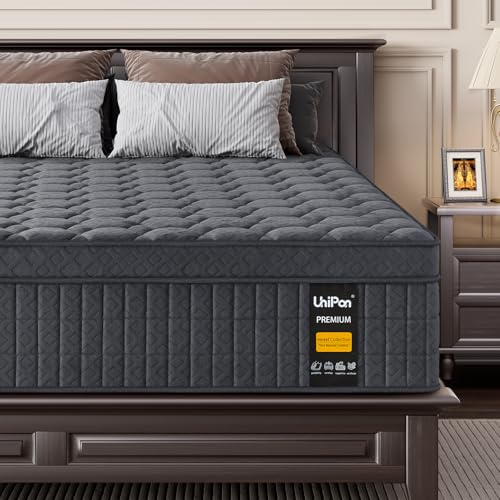



Combination sleepers with hot flashes usually do best with a medium-firm mattress that has strong support for hips and shoulders and good heat management (breathable cover + vented materials like coils or latex). In a dorm, also prioritize the right size/thickness and an easy setup so you can adjust quickly with a topper if needed.
If you sleep on your side and back (or switch during the night), “firm” doesn’t mean hard—your goal is a mattress that stays stable under you while still cushioning pressure points. This guide walks through what to look for, what to avoid, and how to shop smart for dorm life.
This is especially helpful if you’re trying to balance pressure relief (hips/shoulders) with temperature control in a room where airflow and humidity can be unpredictable—something that’s common in dorms, especially during peak heating or late-season humidity.
Match “firm” to your pressure points (hips + shoulders)
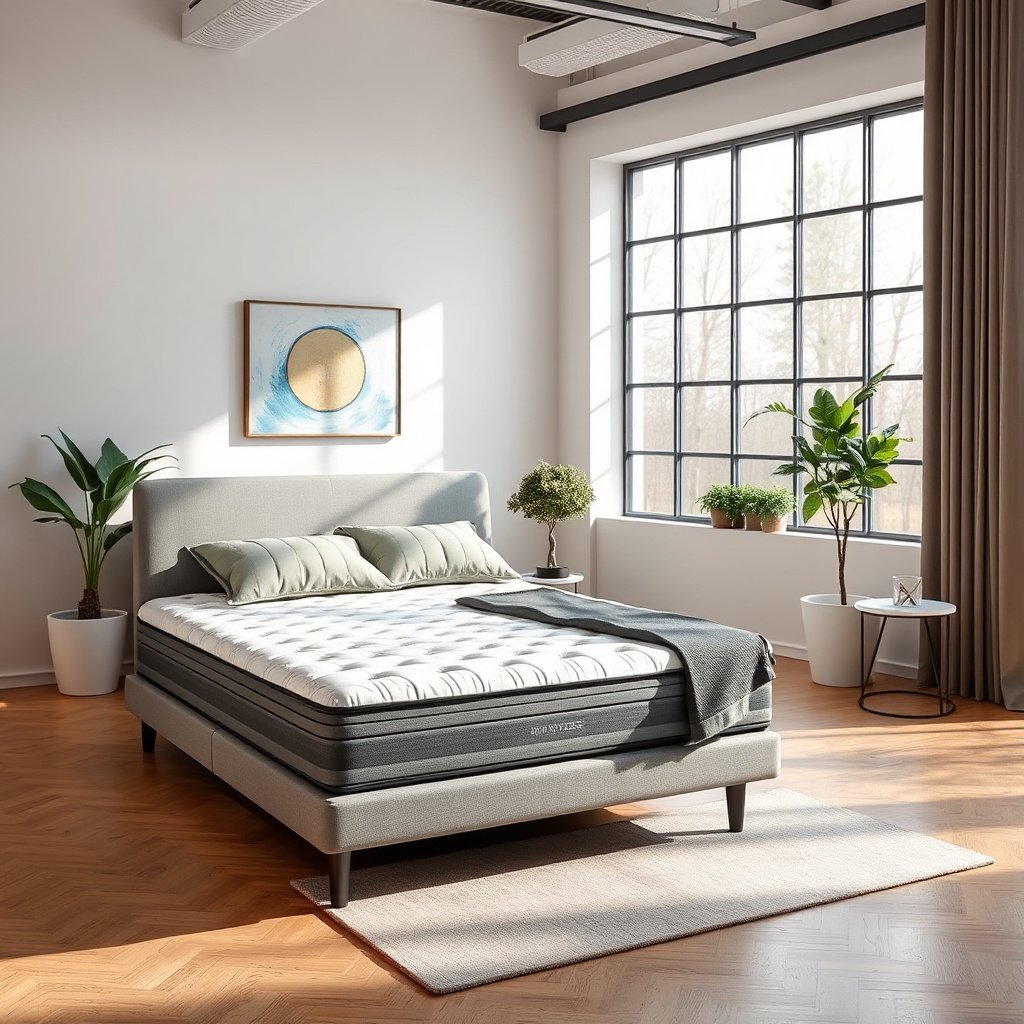
– Look for a medium-firm feel (often described as “supportive” or “balanced”), not a hard plank—side sleeping needs some pressure relief.
– In-store or at-home (if allowed), focus on whether your hips sink too far or whether your shoulders feel compressed when you lie on your side.
– If you’re torn between two firmness levels, choose the one that prevents hip sag while still allowing your shoulder to settle slightly—combination sleepers feel this difference fast.
The best “firm” mattress for hot-flash nights is the one that keeps your body aligned while minimizing localized compression—because pressure and heat reinforce each other. When hips sink too deep, your lower back can angle downward and trigger more tossing and turning; when shoulders feel pinched, you may shift sooner than you’d like, which increases heat retention from body friction and micro-movements.
To ground this in real-world sleep needs: according to the American Academy of Sleep Medicine, adults generally need 7 or more hours of sleep per night to support health (2015), which is exactly why you want fewer mid-night adjustments caused by pressure discomfort (American Academy of Sleep Medicine, 2015). Also, hot flashes are common—according to the North American Menopause Society, about 75% of women experience hot flashes (2015) (North American Menopause Society, 2015)—so mattress stability can be a practical lever for improving how “restful” those nights feel.
Practical in-store checks I recommend for combination sleepers:
– Side-sleep “sink test”: lie on your side for 2–3 minutes. Your hip should feel supported, not like it’s being pushed down into a deep cradle.
– Shoulder “breathe check”: if your shoulder feels like it’s getting trapped (not just cushioned), the mattress may be too firm—or too thin in its comfort layer.
– Back-to-side repeat: transition twice. A good medium-firm mattress should feel *nearly* as supportive on your back as it does on your side, without requiring constant repositioning.
If you can compare two firmness levels, my rule of thumb is simple: pick the one that prevents hip sag first, then confirm the shoulder isn’t overly compressed. If you’re stuck between comfort and support, you can often correct the surface comfort with a topper more safely than you can “fix” a mattress that runs too soft or too stiff for your frame.
Choose support that won’t trap heat
– For hotter nights, vented support systems tend to work better than fully encased, slow-to-breathe foam builds (coils, latex cores, or hybrids with airflow-focused layers).
– Avoid “firm” designs that rely heavily on dense, insulating foam throughout—support can be great, but heat can build, especially in a dorm room.
– When comparing hybrids vs. all-foam, prioritize how the mattress is layered: airflow-friendly transition layers + breathable comfort cover usually beat thick, heat-retaining top layers.
Here’s the direct tradeoff: “firm” often signals denser materials, and density can slow airflow. If you run hot during hot-flash episodes, you want support that’s stable without making heat management secondary. This is why vented systems (pocket coils, latex cores, or hybrid designs with airflow-focused layers) usually outperform all-foam builds for temperature regulation.
A simple temperature anchor: the National Sleep Foundation has recommended a bedroom temperature around 60–67°F (15.6–19.4°C) for sleep comfort (2021 guidance) (National Sleep Foundation, 2021). In dorm life, you can’t always hit that range—but you can choose a mattress that doesn’t “add” warmth on top of your room conditions.
Coils vs. all-foam: what matters for hot flashes
Use this comparison to keep your decision analytical, not purely label-driven:
| Feature | Vented hybrid/coil support | Dense all-foam builds |
|---|---|---|
| Airflow path | More opportunities for air movement through internal structure | Air movement is more limited; heat can accumulate |
| Heat retention risk | Typically lower when comfort cover is breathable | Typically higher if comfort layer is thick/dense |
| Pressure relief control | Often offers balanced cushioning + stable support | May feel “hugging,” but can lead to deeper sinking for some sleepers |
| Best use case | Side/back switching + hot flashes | If you stay cool easily or use a very breathable topper system |
As of 2026, many brands still market “cooling” using foam gimmicks, so I recommend focusing on the construction logic: breathable comfort cover + vented or aerated core. When you see “vented” or “perforated,” confirm that those materials are meaningful in the *support structure*, not just the top panel.
Prioritize cooling features that actually matter for hot flashes
– Choose a breathable top cover (look for descriptions like “cooling,” “breathable,” or “moisture-wicking”) and a design that doesn’t seal heat against your skin.
– If the mattress uses foam, look for details indicating ventilation or open-cell structure (examples of what to search for: “open-cell,” “airflow,” “vented,” “perforated,” or “latex-like” airflow claims).
– Plan for bedding: even the best mattress can feel warm if your dorm sheets and comforter trap heat—use breathable fabrics and lighter layers.
“Cooling” marketing is abundant, but for hot flashes you want cooling that’s structural—not just a surface feel. Your mattress cover and upper layers should allow moisture and heat to escape so your body isn’t reheated every time you settle into a new position.
Look for these practical mattress signals:
– Breathable cover construction: moisture-wicking textiles, knit weaves designed for airflow, or covers that don’t feel plasticky.
– Meaningful ventilation in foam: terms like *open-cell*, *perforated*, *airflow channels*, or *vented* foams. “Cooling” foam without airflow design often behaves like standard foam—warmth can still build.
– Latex or latex-forward comfort: latex is naturally more breathable than many memory foams, and it resists deep compression that can trap heat near your hips.
Then pair the mattress with dorm-appropriate bedding. Hot flashes are driven by rapid changes in temperature regulation, so bedding that traps heat can magnify the discomfort even when the mattress is doing its job.
Two actionable dorm bedding choices:
– Sheets: prioritize breathable weaves such as cotton percale, linen blends, or performance fabrics labeled for moisture transport (not all “cooling” fabrics are equal).
– Comforter strategy: keep a lighter blanket for the “first half” of the night and an optional layer for early morning. That way you can respond quickly during hot-flash surges without fully changing your setup.
As of 2026, dorm rooms still vary widely in humidity and heating schedules, so your best strategy is layering flexibility: breathable mattress + breathable bedding + easy adjustment.
Make position-switching easier with targeted comfort
– Combination sleepers need a mattress that stays supportive when you move: good edge stability and consistent support help you transition between side/back without feeling “stuck.”
– Pressure relief should be “just enough.” If the surface is too firm, you’ll compensate by changing positions more often—often worsening the “hot, restless” cycle.
– Consider whether you need help cushioning your side: a dorm-friendly mattress topper can be a flexible way to fine-tune comfort without buying a whole new mattress.
This is where “medium-firm” becomes practical. For combination sleepers, the goal isn’t just comfort in one position; it’s predictable support across positions. That reduces how often you need to hunt for a better spot—important when hot flashes already disrupt sleep.
Focus on two mechanical qualities:
1. Edge stability: if the edges collapse or you feel unstable while shifting, you’ll move more and generate more warmth. Edge stability is also a proxy for overall structural support.
2. Surface “release”: a mattress should allow you to reposition without feeling like you’re stuck in a deep comfort cradle—especially when you switch from side to back.
Pressure relief also has a “minimum effective dose.” Too much softness can cause hip sinking; too much firmness can concentrate pressure at the shoulder. A breathable comfort layer—often a thin transition foam, latex, or a responsive upholstery layer—can give you that targeted cushioning without trapping heat.
Topper guidance for dorm life:
– If your mattress base is supportive but your side sleeping still feels sharp or compressed, consider a breathable, thinner topper rather than a thick “rebuild.”
– If your topper is too soft or too thick, it can unintentionally recreate hip sag and reduce airflow, pushing you back toward the same discomfort pattern.
As of 2026, the most common dorm failure mode isn’t “the wrong mattress concept”—it’s stacking too many layers that each add slightly more warmth or sink. Keep your topper plan disciplined.
Dorm-shopping checklist (size, setup, and practicality)
– Confirm the dorm-allowed size and dimensions (twin vs. extra-long twin vs. loft/bunk compatibility) before you commit.
– Check thickness and setup requirements: dorm rooms can be tight, and some mattresses require more clearance for rolling/unboxing or airflow.
– Look for easy-care options (removable/washable cover, stain-resistant materials, or clear cleaning instructions). If you can’t manage the cover, heat + sweat issues get harder.
For dorm rooms, practicality is part of sleep quality. When setup is difficult, you delay adjustments—exactly when you need fast iteration after first-week temperature changes and your body’s hot-flash pattern settles.
Use this dorm-first logic:
– Size matters for support: a mattress that’s too short can force awkward leg angles. Awkward posture increases pressure at hips and can intensify restlessness during hot flashes.
– Thickness matters for airflow and storage: thicker mattresses can be fine, but dorm space constraints can lead to tight bed placement against walls—reducing airflow around the mattress.
– Cover management matters for hygiene and comfort: removable covers make it easier to keep the mattress neutral as dorm conditions change.
To help you compare dorm-friendly sizes quickly, here’s a data table you can scan before you shop.
Dorm Mattress Sizes: Dimensions & Sleep Surface Area (US Standard)
| # | Mattress size | Dimensions (in) | Surface area (sq in) | Dorm fit score |
|---|---|---|---|---|
| 1 | Twin | 38 × 75 | 2,850 | Medium |
| 2 | Twin XL | 38 × 80 | 3,040 | Good |
| 3 | Full | 54 × 75 | 4,050 | Often tight |
| 4 | Full XL | 54 × 80 | 4,320 | Room dependent |
| 5 | Queen | 60 × 80 | 4,800 | Less common |
| 6 | King | 76 × 80 | 6,080 | Usually not allowed |
| 7 | Cal King | 72 × 84 | 6,048 | Rare in dorms |
This table doesn’t replace your dorm’s rules, but it helps you reason about footprint and why many dorms default to Twin/Twin XL for space and logistics.
What can go wrong (and how to avoid it)
– Choosing “firm” that’s actually too hard: You may get temporary support but end up with shoulder/hip pressure that makes you toss and turn—often making hot flashes feel worse.
– Over-relying on “cooling” labels: Some products market cooling aggressively but rely on comfort foams that still trap heat. Treat vague cooling claims as a starting point—verify the construction and materials.
– Skipping airflow because it’s “only a dorm”: Dorm mattresses often get used year-round, and airflow is limited by room layout. If ventilation is poor, prioritize breathability and vented materials from the start.
– Topper mismatch: If you add a topper, too-soft can let your hips sink; too-thick can reduce airflow. If you’re unsure, start with a thinner, breathable topper and reassess after a few nights.
The biggest failure mode is interpretation. “Firm” in a showroom can mean “supportive,” but online it can mean “dense,” and those are not the same thing for side sleeping. If your shoulders don’t get a little contouring, you’ll shift more—more shifting equals more heat buildup.
Another common problem: ignoring the full thermal system. Hot flashes don’t care that your mattress brand says “cool.” If your dorm sheets are heavy and your comforter traps heat, you’ll still wake warm. The mattress may be neutral, but the environment isn’t.
How to avoid these mistakes quickly:
– If you feel pressure (not just support), don’t assume the fix is “more firm.” Consider stepping down firmness or adding breathable contouring at the top.
– If you feel warm within the first 10–15 minutes of lying down, don’t wait overnight. Heat retention early often predicts sleep disruption during hot flashes later in the night.
– If you add a topper, keep it breathable and avoid stacking thick layers until you know your baseline response.
Finally, remember that firmness isn’t universal. Body weight distribution, mattress age, and roommate thermostat settings can all shift how a mattress performs. As of 2026, the most reliable approach is a “support-first” base plus a controllable topper plan rather than trying to force one mattress to solve every scenario.
Verdict: what to buy (and who should skip a “firm” approach)
For most combination sleepers with hot flashes, aim for a medium-firm, supportive mattress with breathable construction—often a ventilated hybrid or latex-forward design—so you get stable support when you switch positions *and* less heat buildup during the night.
That said, don’t chase “firm” at all costs:
– Skip very firm mattresses if you tend to wake with shoulder or hip soreness, or if you already move frequently at night.
– Skip heavy all-foam comfort layers if you run hot easily (even if the mattress feels supportive).
– Consider a tuning approach (firm-enough base + optional breathable topper) if your comfort needs change across seasons or roommates’ thermostat preferences.
If you want a simple starting point: choose medium-firm support with ventilation, then refine comfort using a topper only if your shoulders or hips still feel too compressed or unsupported.
Quick scan checklist (save this)
| What to look for | Why it helps combo sleepers + hot flashes | Quick yes/no |
|---|---|---|
| Medium-firm support (not rock-hard) | Prevents hip sag while reducing shoulder pressure | ☐ Yes ☐ No |
| Breathable/vented materials (coils/latex/hybrid) | Helps reduce heat retention | ☐ Yes ☐ No |
| Support when switching positions | Makes side↔back transitions easier | ☐ Yes ☐ No |
| Dorm-friendly size/thickness + easy setup | Fewer hassles, better airflow | ☐ Yes ☐ No |
| Cover that’s washable / easy to manage | Sweat control is easier | ☐ Yes ☐ No |
| Optional breathable topper plan | Lets you fine-tune without replacing the mattress | ☐ Yes ☐ No |
Frequently Asked Questions
What mattress firmness level should combination sleepers choose in a dorm if they get hot flashes?
For combination sleepers with hot flashes, aim for a medium-firm feel so your hips and shoulders don’t sink too much while you still get pressure relief. A “medium” mattress helps keep your spine aligned during side and back sleeping, which can reduce restlessness that worsens temperature. If you’re heavier on your side, consider a slightly softer medium (or targeted comfort layers) to cushion shoulders without trapping heat.
How do I select a dorm mattress that stays cool for hot flashes and still supports both side and back sleeping?
Look for cooling features like breathable covers (cotton, Tencel, or phase-change fabrics), gel or graphite-infused foams, and open-cell foam or latex in the comfort layers. Pair that with supportive materials underneath—such as pocketed coils or high-density supportive foam—to prevent excessive sagging as you switch positions. Also check edge support and motion isolation so you won’t over-adjust and overheat when moving in bed.
Why is pressure relief important for hot-flash nights when you’re a combination sleeper?
Hot flashes often cause you to shift more, so pressure points can become more uncomfortable and keep you from falling back asleep. A good mattress for side and back sleepers should relieve pressure at the shoulders and hips, helping reduce micro-movements that increase body heat. Materials like latex, gel memory foam with higher airflow, or foam with a breathable design can support comfort without creating a “heat sink.”
Which mattress type is best for a dorm room—memory foam, latex, or innerspring—for combination sleepers who run hot?
Innerspring or hybrid mattresses are often a top choice because coil systems promote airflow and reduce heat buildup, which can help during hot flashes. Latex is also a strong option since it’s naturally breathable and tends to respond quickly as you change positions, supporting combination sleepers. Memory foam can work if it’s specifically designed for cooling (gel/infused and ventilated layers), but many traditional heat-trapping foams can make hot flashes feel more intense.
Best features to look for when choosing a mattress that won’t get too warm in a dorm?
Prioritize breathability: a cooling mattress cover, ventilated foam, and/or pocketed coils can help your body release heat more efficiently. Choose a medium to medium-firm firmness level for stable support while you switch between side and back sleeping, and verify you have adequate motion control to minimize frequent repositioning. Finally, consider trial periods and return policies so you can test comfort and temperature in your actual dorm environment.
📅 Last Updated: November 14, 2026 | Topic: How to Select a Firm Mattress for Combination Sleepers with Hot Flashes in a Dorm | Content verified for accuracy and freshness.
References
- hot flashes sleep disturbance night sweats – Search Results – PubMed
- mattress firmness pressure relief side sleeping back pain – Search Results – PubMed
- https://www.womenshealth.gov/menopause/your-body-and-changes/hot-flashes
- https://www.nia.nih.gov/health/hot-flashes-and-night-sweats
- https://www.mayoclinic.org/diseases-conditions/hot-flashes/symptoms-causes/syc-20352681
- https://www.cdc.gov/aging/healthysleep/index.html
- Hot flash
- https://scholar.google.com/scholar?q=hot+flashes+sleep+disturbance+night+sweats+thermal+comfort+mattress Google Scholar
- https://scholar.google.com/scholar?q=mattress+firmness+side+sleeping+pressure+relief+back+pain+randomized+trial Google Scholar
- https://scholar.google.com/scholar?q=menopause+hot+flashes+sleep+hygiene+behavioral+interventions Google Scholar





One Comment