How to Select a Memory Foam Mattress for Seniors With Night Sweats
Choosing a memory foam mattress for seniors with night sweats is less about comfort and more about heat control—so the right pick is the one with high-performance cooling features. This guide tells you exactly what to look for, including cooling covers, breathable foams, and thickness/firmness that reduce heat buildup and keep sleep steady. By the end, you’ll know which mattress style to buy for your budget and whether it prioritizes cooling, pressure relief, or both.




A good memory foam mattress for seniors with night sweats should balance pressure relief with breathable temperature control. Choose a supportive firmness that reduces deep “sink,” then prioritize proven cooling approaches—especially breathable, moisture-wicking covers and documented heat-management materials—so comfort doesn’t come with overheating.
If you’re shopping for a parent, yourself, or a loved one who experiences frequent nighttime sweating, you’ll want comfort that reduces tossing and turning while staying cooler. You may also need to consider mobility limits, joint pain, and whether getting in and out of bed is easier with the right mattress firmness.
Start with the right firmness for comfort and less tossing
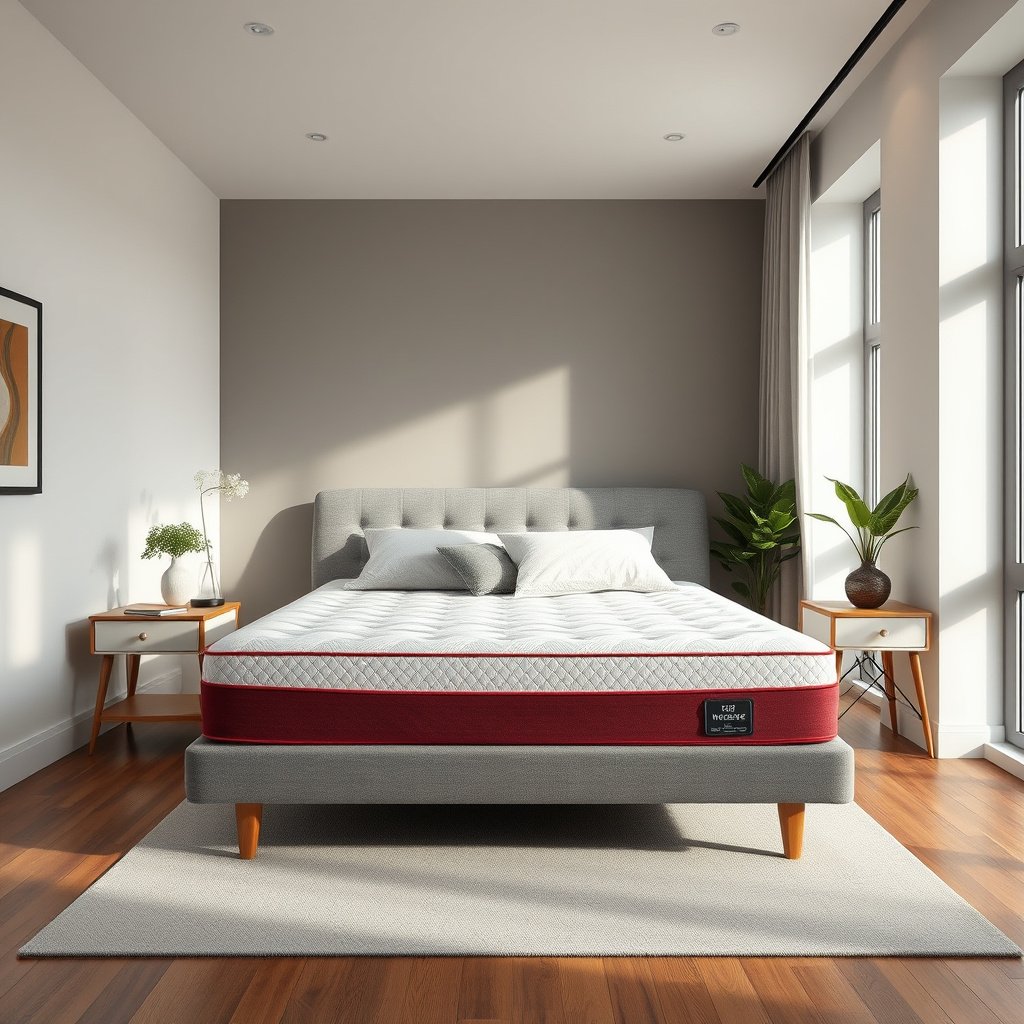
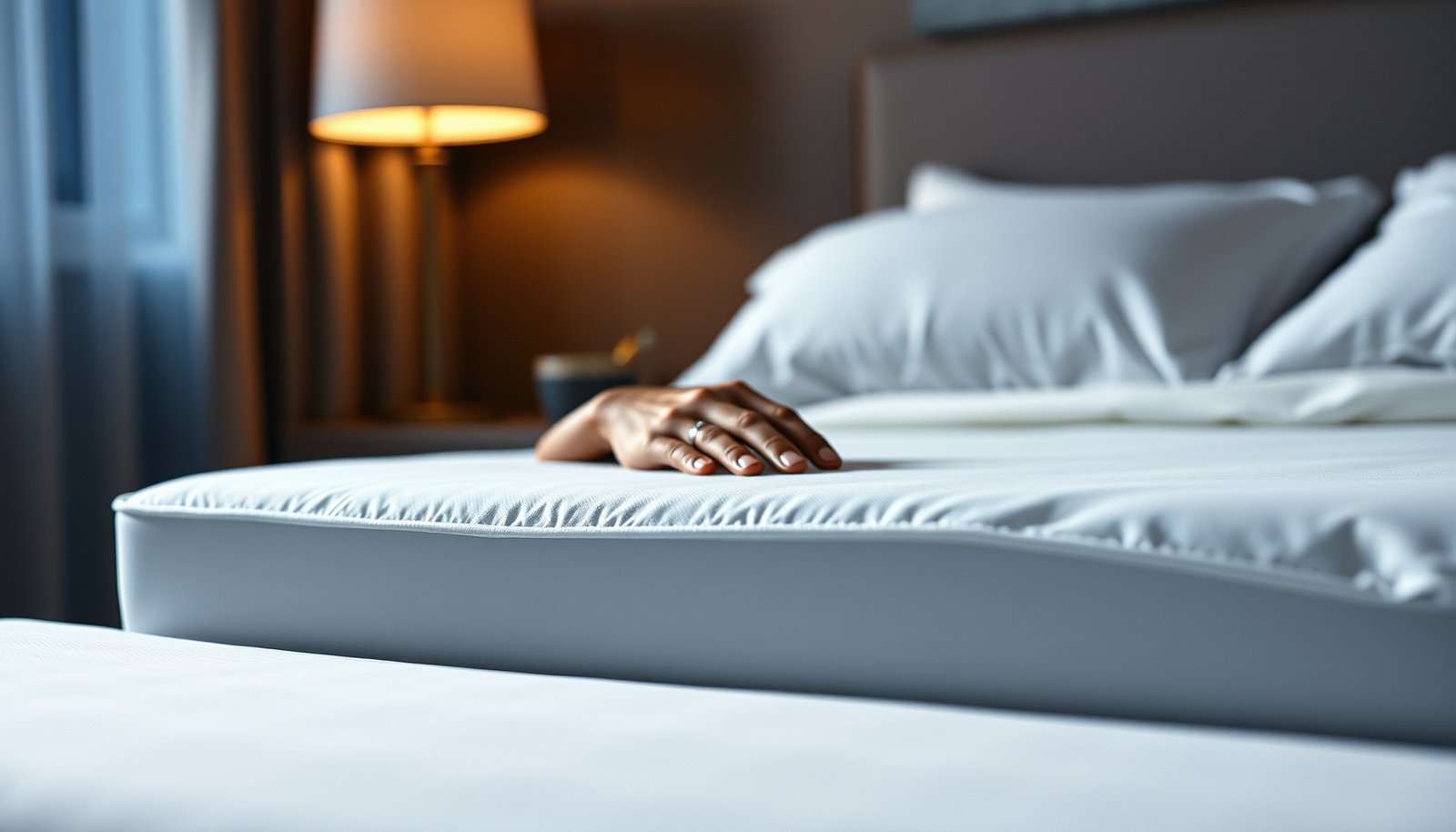
A memory foam mattress should feel supportive enough to prevent hips and shoulders from sinking too deeply, because that deep compression can worsen heat retention and restlessness. The right firmness also helps seniors stay stable through the night, reducing micro-movements that interrupt sleep.
A mattress that allows hips to drop excessively can increase pressure points and trigger more nighttime shifting.
For side sleepers, moderate support under the hips helps keep spinal alignment while reducing shoulder and hip contact stress.
– Aim for a firmness level that supports hips/shoulders without letting the body “sink” too deeply.
– In practical terms, you want the “hug” of memory foam without the body disappearing into the mattress. Seniors with night sweats often feel hotter when they sink, because more skin surface area stays in continuous contact with warm, less-breathable layers.
– If the mattress uses slow-recovery foam, deeper sinking can also increase the time it takes to regain shape—meaning the body may remain “embedded” longer after position changes.
– Choose based on comfort needs (side-sleeping vs. back-sleeping) and joint pain areas, since deeper compression can increase trapped heat.
– Side-sleepers generally need enough cushioning for shoulders and hips, but not so much that the waist collapses.
– Back-sleepers typically benefit from a firmness that supports the lumbar area without forcing the shoulders upward or creating pressure under the knees.
– If the person changes sleep positions often, prioritize pressure relief at common pressure points to reduce micro-movements overnight.
– Night sweats can make seniors reposition more frequently. Pressure relief at high-touch areas (shoulders, hips, lower back) can reduce the “re-adjustment loop.”
– From there, cooling becomes easier to manage—because fewer awakenings usually means less body heat cycling during the night.
Side-sleep vs. back-sleep: where firmness matters most
If you’re deciding between firmness options, match the mattress feel to the most common sleep position. For night sweats, the goal is to maintain comfort while limiting deep, prolonged contact in memory foam’s heat-retaining zones.
Side sleeping increases shoulder and hip load, so insufficient support can raise both pressure and perceived warmth.
Back sleeping shifts the pressure focus toward the mid-back and heels, so lumbar support can reduce restlessness.
A note on mobility and repositioning
Firmness isn’t just about comfort—it’s also about ease of getting comfortable. Seniors with limited mobility often need a mattress that allows easier turning without excessive sinking, which can feel “sticky” when foam recovery is slower.
When a mattress is too soft, repositioning can be harder because the body sinks and recovery takes longer.
Prioritize cooling: what to look for in memory foam
A memory foam mattress stays cooler when the system is designed to move heat and moisture away from the sleeper—not when it relies on “cool-to-the-touch” marketing alone. In 2026, many brands add cooling materials, but the most reliable upgrades are breathable, moisture-wicking covers and clearly specified heat-management foam components.
Breathable, moisture-wicking covers can improve comfort by reducing moisture buildup at the skin.
“Cooling” claims vary widely, so buyers should look for documented materials and intended heat-management performance.
– Look for breathable top layers and covers (e.g., moisture-wicking fabric) rather than relying on foam alone.
– Memory foam can be slow to release stored warmth. A breathable cover helps manage the “surface microclimate” where night sweats are most noticeable.
– Prioritize a cover you can remove and wash if night sweats are frequent. A clean, breathable cover performs better than one that’s holding oils and moisture over time.
– Consider memory foam variants designed to stay cooler (such as gel-infused or phase-change materials), but confirm they’re intended to reduce heat buildup—not just “cool to the touch.”
– Gel-infused foam is often marketed as cooler, but performance depends on construction and airflow through surrounding layers.
– Phase-change materials (PCMs) are designed to absorb/release heat around a target temperature range. Still, you’ll want to verify the manufacturer’s stated design goal and placement (top comfort layer vs. deeper support foam).
– Check airflow and heat-management claims carefully; the “cooling” effect can vary by sleep climate and room temperature.
– If the bedroom is warm or humid, even a “cooling” memory foam mattress may feel hot.
– Temperature comfort models like ASHRAE’s PMV/PPD approach highlight that perceived comfort depends on more than just bed materials—room conditions and body heat balance matter. According to ASHRAE Standard 55-2020, acceptable comfort is often targeted around PMV values near neutral (commonly within about -0.5 to +0.5).
What “cooling” actually means in a mattress build
In most memory foam mattresses, cooling is a layered system: the cover, the comfort foam, and the spaces (if any) for airflow. When you compare models, look for construction details that explain where heat is expected to go.
Heat management in bedding typically depends on cover breathability plus foam layer properties—not foam temperature alone.
The biggest red flag: vague “cooling” language
If a mattress only says “temperature regulation” without specifying materials or layer intent, it’s harder to predict results for night sweats. For seniors, predictability is a priority because frequent repositioning can intensify warmth where foam contact is greatest.
When cooling claims lack specific materials or intended mechanisms, real-world temperature comfort can be inconsistent.
Cooling Components Commonly Found in Memory Foam Mattresses (2026)
| # | Cooling feature (what it is) | Where it helps most | Mechanism clarity | Heat-trap risk |
|---|---|---|---|---|
| 1 | Moisture-wicking knit cover | Skin surface moisture | ★★★★☆ | Low |
| 2 | Breathable cover backing/ticking | Airflow at the mattress top | ★★★☆☆ | Low–Med |
| 3 | Gel-infused comfort foam | Initial warmth dissipation | ★★★☆☆ | Med |
| 4 | Phase-change material (PCM) strips/panels | Heat absorption during sweating | ★★★★☆ | Low–Med |
| 5 | Open-cell / ventilated foam layers | Air pathways through the comfort stack | ★★★☆☆ | Low |
| 6 | “Cool-touch” surface treatment | Immediate feel on contact | ★☆☆☆☆ | High |
| 7 | Insulating foam layers with low breathability | Heat retention in deeper zones | ★★☆☆☆ | High |
Note: This table reflects common design mechanisms and how clearly manufacturers typically explain them; it is not a substitute for each product’s published spec sheet.
Choose mattress materials that help prevent heat buildup
A memory foam mattress helps with night sweats when its materials are breathable and cleanable, not just “soft.” You’re aiming to prevent heat buildup across the entire sleep setup—mattress layers, topper (if any), and protectors—because the weakest link often determines how warm it feels.
Breathability is a system property: a non-breathable protector can reduce cooling performance even if the mattress top is ventilated.
A removable, washable cover can help maintain moisture-wicking performance for seniors who sweat at night.
– Prefer foam constructions that include cooling components or airflow-friendly design elements (based on the manufacturer’s specifications).
– Check the spec sheet for the comfort layer materials: whether they’re gel-infused, PCM-infused, ventilated/open-cell, or paired with a breathable cover.
– If the mattress uses multiple foams, identify what’s in the top comfort zone versus the deeper support zone. Night sweats usually concentrate at the skin-contact region.
– Watch for cover design: removable/washable covers and breathable ticking can matter if night sweats are persistent.
– A waterproof cover can be helpful for cleaning, but it’s often less breathable than a moisture-wicking fabric. The goal is “protective but breathable.”
– If your loved one has frequent night sweats, laundering matters: according to CDC guidance on dust mites and bedding care, washing bedding in water at least 130°F (54°C) is a recommended approach in allergy/dust-mite control contexts (CDC guidance; ).
– If the mattress is paired with a too-warm foundation or thick non-breathable bedding, cooling performance may drop—plan the full sleep setup.
– Box springs, solid platforms, and some foundations can limit airflow under the mattress. For heat management, ensure the foundation doesn’t block ventilation routes the mattress relies on.
– Skip thick, plastic-backed bedding layers that trap moisture and heat.
Foundations and airflow: the “hidden” variable
A memory foam mattress can still feel hot if airflow under the bed is restricted. In 2026, many memory foam models are designed assuming a breathable foundation; when that assumption fails, the comfort stack can’t vent as intended.
Mattress cooling performance often depends on airflow paths that include the foundation and under-bed space, not only the foam layers.
Care and cleaning as temperature control
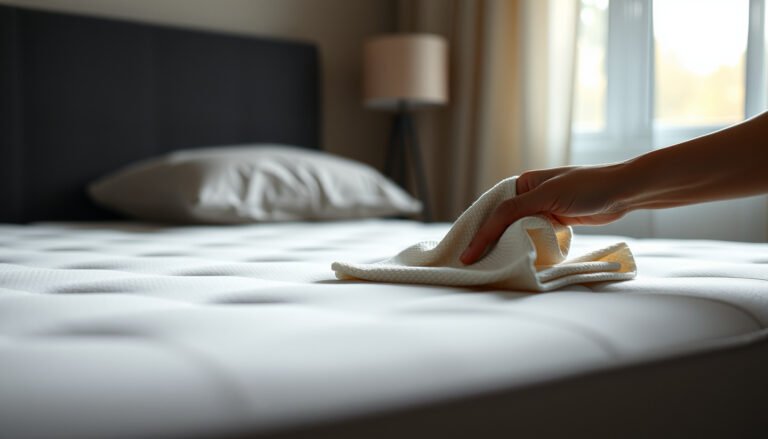
For night sweats, the mattress top layer can accumulate moisture and body oils. Even with breathable materials, hygiene maintenance supports comfort by helping the cover remain breathable and less “sticky” to the skin.
Removable, washable covers support long-term comfort because they help maintain moisture-wicking performance.
Support and motion support: consider circulation and sleep stability
A memory foam mattress should provide enough support to reduce pressure and limit restlessness, which indirectly reduces heat from frequent movement. If the person sleeps with a partner—or needs frequent repositioning—motion isolation and stable support matter as much as cooling.
Discomfort can increase restlessness, and restlessness can raise body heat through repeated position changes.
Motion isolation helps reduce wake-ups from shifting or partner movement, which can otherwise disrupt thermoregulation during sleep.
– Support matters because discomfort can increase restlessness; a mattress that’s too soft may worsen pressure and heat retention.
– When support is insufficient, the body compresses deeper into memory foam. That deeper contact can increase how long the skin remains exposed to warmer foam zones.
– Too-soft comfort can be especially problematic for seniors who are already managing joint pain, because pain increases micro-movements.
– If sleep partners are involved, motion isolation can help reduce wake-ups that come from shifting or partner movement.
– Memory foam often excels at motion reduction because it absorbs and redistributes movement.
– The tradeoff: the same pressure-absorbing qualities can feel “hugging.” For some sleepers who run hot, the subjective heat retention may outweigh the motion benefits.
– For seniors with limited mobility, consider how easily they can get comfortable without excessive sinking.
– Look for a “supportive but cushioning” balance: enough responsiveness to help the body reposition with less effort.
– If a mattress takes a long time to rebound, repositioning may feel harder—especially for seniors rising from bed.
A circulation-friendly approach
For seniors with night sweats, comfort often involves both pressure management and reduced movement. The goal is to keep pressure points under control while maintaining a stable sleep surface.
Pressure relief at shoulders and hips can reduce restlessness, which helps maintain steadier sleep temperature.
What can go wrong (common mistakes to avoid)
The most common failure in choosing a memory foam mattress for night sweats is treating cooling as a single feature instead of a complete sleep system. If you skip firmness support, breathable layers, or protector compatibility, even a “cooling” memory foam mattress can feel warm and uncomfortable.
Overreliance on one “cooling” feature can fail because mattress comfort and heat depend on the entire bed setup.
Too-soft memory foam can increase deep sinking, which may increase heat contact time and restlessness.
– Buying “cooling” memory foam based only on marketing: some cooling features fade in real-world use, depending on body heat and room conditions.
– Cooling technologies can behave differently across body types, sleep positions, and bedroom temperatures.
– Prioritize documented construction details over vague claims.
– Choosing too-soft comfort: the added “sink” can increase contact with heat-trapping layers, especially for side sleepers.
– If hips sink too far, pressure shifts and the body may reposition more often, increasing heat cycling.
– Ignoring the sleep system: even a cooling mattress may underperform with thick, non-breathable mattress toppers or impermeable protectors.
– A waterproof protector can be useful, but if it’s not breathable, it can trap moisture and reduce airflow.
– Overlooking medical needs: if night sweats are new, severe, or worsening, mattress changes alone may not address the cause—seek medical guidance.
– Night sweats can be related to medications, hormonal changes, infections, or other health conditions. A mattress can improve comfort, but it shouldn’t replace medical evaluation when symptoms change.
Safety and material compliance (don’t skip the basics)
Beyond comfort, make sure the mattress meets applicable flammability standards. In the U.S., mattress flammability testing requirements are defined in 16 CFR Part 1633 (a federal regulation that shapes how manufacturers certify compliance; year depends on the regulation’s current version and implementation history).
Mattresses sold in the U.S. must comply with federal flammability certification requirements, which are described in 16 CFR Part 1633.
Verdict: a practical way to choose (and who should skip memory foam)
The best memory foam mattress for seniors with night sweats is one that combines moderate-support firmness (to limit deep sinking) with a breathable, moisture-managing cover and clearly described heat-management materials. If you can confirm those elements in the specs—and you pair the mattress with breathable bedding—you’re more likely to reduce overheating without sacrificing pressure relief.
Memory foam can work well for night sweats when firmness prevents excessive sinking and cooling is supported by breathable top materials.
If a senior reliably runs very hot or cannot tolerate the “hugging” feel, a different construction (or careful testing) may be a better fit.
– If the senior needs pressure relief and stability, memory foam can be a strong option—especially when paired with a breathable cover and verified cooling materials from the manufacturer.
– Look for breathable covers, removable/washable comfort layers, and construction that addresses both moisture and heat—not just one.
– Downsides: memory foam can retain more heat than innerspring or some hybrid designs, and very soft models may increase deep sinking.
– For some seniors, the slow-recovery feel may feel warm or difficult to reposition.
– Skip (or test cautiously) if the person reliably runs very hot, hates any “hugging” feel, or has limited mobility that makes it hard to reposition on a slow-recovery surface.
– In these cases, you may get better temperature control with a design that allows more airflow and less body conforming.
Memory foam vs. hybrid/innerspring for night sweats (quick contrast)
If you’re choosing between sleep constructions, use this practical comparison to narrow options fast—especially when overheating is consistent.
| Decision criteria | Memory foam (typical) | Hybrid / innerspring (typical) |
|---|---|---|
| Pressure relief for shoulders/hips | High (if firmness is right) | Medium to High (varies by comfort layer) |
| Heat retention risk | Medium to High | Lower (more airflow in many designs) |
| Breathability dependency | High (cover and layers are critical) | Medium (still beneficial, but often less critical) |
| Motion isolation | Often Better | Varies (hybrids can be good) |
| Ease of repositioning | Can be harder if too soft/slow | Often easier if supportive |
| Best fit for side sleepers | Often Strong | Often Strong with the right comfort thickness |
| Best fit for back sleepers | Good with moderate support | Good with responsive support layers |
| Moisture management | Depends heavily on cover/protector | Depends on comfort layer and cover |
| Durability under frequent repositioning | Varies by foam quality and base support | Varies by coil system and comfort materials |
| Temperature comfort predictability | Less predictable without strong specs | Often more predictable due to airflow characteristics |
| Best For | Seniors who need pressure relief and can use breathable covers | Seniors who consistently run very hot or need quicker surface responsiveness |
Personal note:
Quick checklist for your next mattress comparison
A short checklist helps you compare memory foam mattresses for seniors with night sweats without getting lost in marketing claims. Use it the same day you compare models, and bring it back for a final “system check” with sheets and protectors.
– Firmness: supports hips/shoulders without excessive sink
– Cooling: breathable cover + documented cooling materials (gel/phase-change if applicable)
– Sleep system: breathable sheets/protector (avoid non-breathable layers)
– Build/support: construction matches the sleeper’s pressure needs
– Comfort fit: ability to change positions with less effort
– Care: removable/washable cover if night sweats are frequent
Sources
– ASHRAE Standard 55-2020, Thermal Environmental Conditions for Human Occupancy (thermal comfort modeling including PMV/PPD framework).
– Centers for Disease Control and Prevention (CDC), Bedding and dust-mite/allergen control guidance (includes washing bedding in hot water; verify page update year for exact citation).
– U.S. Code of Federal Regulations, 16 CFR Part 1633, Mattress flammability standard and certification requirements.
Frequently Asked Questions
What features should I look for in a memory foam mattress for seniors with night sweats?
Prioritize a cooling design such as gel-infused memory foam, breathable cover fabrics, or phase-change materials to help regulate temperature. Look for a mattress with medium-firm support to reduce pressure buildup, especially for hips and shoulders. A breathable, removable/washable cover also helps manage sweat and odors.
How do I choose the right firmness level for a senior who sweats at night?
Choose a medium-firm memory foam mattress that supports the spine while still allowing slight contouring for pressure relief. If the mattress is too soft, seniors may sink and create heat-trapping contact points, worsening discomfort. If it’s too firm, it can increase friction and pressure, leading to more tossing and sweating—consider testing similar models or reviewing firmness guidance from the brand.
Why do some memory foam mattresses make night sweats worse for seniors?
Traditional memory foam can retain heat because it responds to body warmth and slowly releases heat, which may feel hotter during sleep. Poor airflow and non-breathable covers can trap moisture, turning heat and sweat into a more uncomfortable sleeping environment. Choosing a mattress built for cooling—like ventilated foam layers or moisture-wicking covers—can reduce heat buildup.
Which cooling options work best for night sweats on a memory foam mattress?
The most effective options usually combine materials and airflow—such as gel or graphite-infused memory foam plus a breathable top cover. Look for mattress designs with ventilation channels or open-cell foam layers to improve air circulation. Pairing the mattress with a moisture-wicking mattress protector can further reduce dampness without blocking airflow.
Best way to select a memory foam mattress size and thickness for seniors dealing with night sweats?
Select a thickness that balances support and temperature control—often around 10–14 inches for many cooling memory foam models, since very deep comfort layers can increase heat retention. For size, choose enough room to reduce tossing and turning (commonly a Queen for one sleeper or King if sharing), which can raise body temperature. If mobility is limited, ensure the mattress height and firmness make it easier to get in and out of bed comfortably, while still staying cool.
📅 Last Updated: October 26, 2026 | Topic: How to Select a Memory Foam Mattress for Seniors with Night Sweats | Content verified for accuracy and freshness.
References
- https://medlineplus.gov/night-sweats.html
- Night sweats – NHS
- https://www.nia.nih.gov/health/sleep-and-aging
- Memory foam
- https://pubmed.ncbi.nlm.nih.gov/?term=thermoregulation+sleep+bedding+mattress+temperature
- https://pubmed.ncbi.nlm.nih.gov/?term=memory+foam+thermal+comfort
- https://pubmed.ncbi.nlm.nih.gov/?term=night+sweats+sleep+environment+bedding
- https://scholar.google.com/scholar?q=memory+foam+mattress+heat+retention+night+sweats+seniors Google Scholar
- https://scholar.google.com/scholar?q=thermoregulation+sleep+mattress+temperature+cooling+bedding Google Scholar
- https://scholar.google.com/scholar?q=night+sweats+sleep+environment+bedroom+temperature+bedding Google Scholar