How to Select a Plush Mattress for Snoring Back Sleepers, Tiny Home
By the end, you’ll be able to choose a plush mattress that keeps a back sleeper’s airway clear, reduces snoring triggers, and still fits the tight footprint of a tiny home. You will learn how to match firmness and support to your body, evaluate plush comfort without sinking, and confirm motion and airflow considerations for small spaces. The process takes about 20–30 minutes of focused comparison, and you’ll know exactly what to check before you buy.


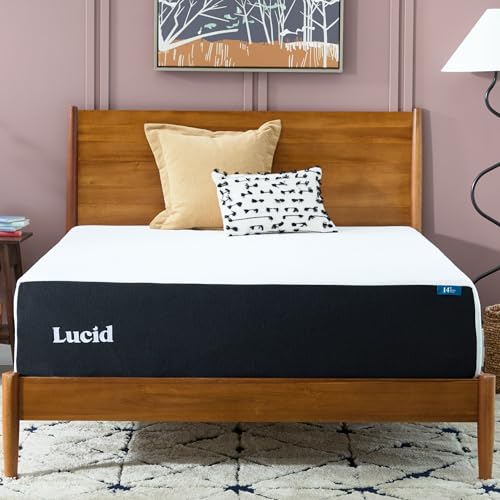

If you snores as a back sleeper in a tiny home, the safest “plush” choice is one that gives cushioning on top but stays supportive underneath—so your hips don’t sink and your airway doesn’t get mechanically compressed. Prioritize “plush on top, supportive underneath,” plus breathable materials and a setup that keeps your head/neck angle stable through the night.
Who this is for (and why tiny homes change the choice)

– Back sleepers who want a plush surface but still need strong lumbar support to avoid sinking.
– Snorers whose sleep quality depends on staying aligned (plus staying cool) in limited space.
– People dealing with tighter mattress/frame clearances, slimmer bedding, and faster heat buildup in small rooms.
Tiny homes change mattress selection because you feel every millimeter of comfort layer softness more quickly. Less room also means less natural air exchange and faster heat buildup, which can make nighttime breathing feel harder—even if you don’t notice it while falling asleep. For snoring back sleepers, the goal isn’t “softest plush possible.” It’s stable alignment: shoulder/upper-back comfort without hip sag, and temperature control that helps your nose and throat stay less reactive.
A key medical anchor: obstructive sleep apnea (OSA) severity is commonly classified by the apnea-hypopnea index (AHI)—mild 5–14.9 events/hour, moderate 15–29.9, severe ≥30—in the American Academy of Sleep Medicine (AASM) framework. AASM, 2012 If you suspect you’re dealing with more than occasional snoring, mattress changes can help comfort, but they don’t replace clinical evaluation.
US Standard Mattress Sizes Commonly Used in Compact Homes (Surface Area Comparison)
| # | Size | Dimensions (in) | Approx. Area (sq ft) | Setup Footprint Advantage |
|---|---|---|---|---|
| 1 | Twin | 38 × 75 | 19.79 | Best for narrow loft frames |
| 2 | Twin XL | 38 × 80 | 21.11 | Longer support for taller back sleepers |
| 3 | Full | 54 × 75 | 28.13 | More shoulder space without going bulky |
| 4 | Queen | 60 × 80 | 33.33 | Common “best balance” in small spaces |
| 5 | King | 76 × 80 | 42.22 | Room for back-sleeper “micro-adjustments” |
| 6 | California King | 72 × 84 | 42.00 | Longer length for neck/shoulder alignment |
| 7 | Split King (2× Twin XL) | 38 × 80 each | 42.22 | Useful when partners need different firmness |
Choose plush that still supports your spine (not just your shoulders)
Plush can work for snoring back sleepers, but only if the comfort layer cushions the upper body while the support layers prevent hip sink. In practice, that means your mattress should feel “forgiving” at shoulders and upper back without letting your pelvis collapse.
How to feel the difference: pressure relief without midsection drop
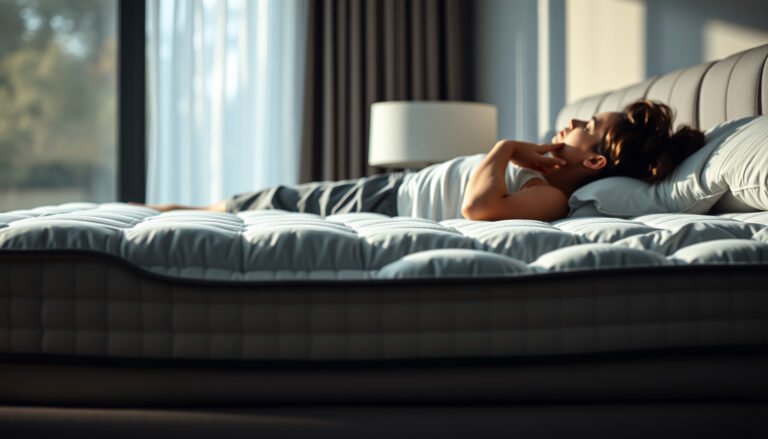
Start with a simple back-sleeper test on your mattress in-store (or during an early trial at home): lie on your back, relax your shoulders, and notice whether your hips settle noticeably lower than your ribcage. If they do, you’re likely buying plush that offloads your lumbar area instead of supporting it.
A good plush profile usually follows this pattern:
– Comfort layer: cushions shoulders and upper back (pressure relief).
– Transition/support layers: keep your pelvis aligned so your lumbar spine stays neutral (spinal support).
Check firmness more than thickness
A thicker comfort layer isn’t automatically better for snoring. “Plush” can be achieved with a moderate comfort thickness paired with a firmer transition layer that resists deep contouring. If you’re choosing between two mattresses, let firmness and layering details outweigh overall height.
In tiny homes, thickness also changes how your mattress interacts with:
– bed frame height (head/neck geometry via pillow placement),
– limited headboard clearance,
– airflow (taller beds can create more trapped warmth under the fitted sheet area).
Use layered build details to match your back-sleep needs
If the manufacturer lists a multi-layer construction (comfort foam type + transition layer + support core), use it like a blueprint, not a marketing story. Look for:
– a plush top designed for pressure relief,
– transition layers meant to “slow down” your sink,
– a support base intended to stabilize the pelvis.
Pick materials that won’t trap heat (heat can worsen snoring)
Breathable materials and airflow-friendly construction often make snoring feel less aggravated, because your airway tissues respond more comfortably in cooler conditions. In a tiny home, heat buildup accelerates, so mattress heat retention can become a snoring trigger even if your room temperature seems “fine” at bedtime.
Look for breathable covers and airflow-friendly comfort layers
Search for covers described as breathable knit, moisture-wicking, or engineered airflow fabric—and confirm whether the cover is removable/washable. Heat is not only about temperature; it’s also about moisture management. When sweat and humidity rise, nasal airflow can feel more restricted, which can intensify snoring mechanics.
Pay attention to how you “settle”
Snoring back sleepers often notice a change after they relax into the mattress—head and neck position can shift slightly as the body finds equilibrium. If your mattress encourages deeper contouring, it may gradually alter your head/neck angle and throat opening during the night.
Validate temperature control claims with specs, not slogans
When you run warm, look for concrete indicators rather than vague “cooling” language. Examples include:
– engineered airflow channels (if disclosed),
– heat-spreading designs (if measurable),
– test-backed certifications (when provided).
If the brand only says “stays cool,” treat it as a weak signal. For current shopping (2025–2026), it helps to ask for the comfort-layer materials used on top and whether they’re designed for breathable airflow versus slow-recovery contouring.
Use setup details that help back sleepers breathe easier
The right plush mattress won’t perform if your setup forces your airway into a less favorable angle. Setup variables—mattress height, platform rigidity, pillow thickness, and topper softness—can change whether your back-sleep alignment stays stable through the night.
Mattress height and platform stability
If your mattress is too soft and too low relative to your frame, your shoulders may stay cushioned while your pelvis slides downward. That can subtly tilt the spine, and even a small change can influence comfort around the neck and throat.
Also consider slat spacing and platform support. A supportive platform helps prevent unintended sagging patterns that mimic “too-plush” comfort behavior.
Keep bedding simple (avoid “stacking softness”)
For snoring back sleepers, toppers are a double-edged sword. A thick, ultra-soft topper can “add sink,” even if the underlying mattress is supportive. If you want plush, aim to:
– reduce the number of soft layers on top,
– choose a topper that doesn’t noticeably change how your pelvis sits on your back.
A practical approach is to treat toppers like a test, not a permanent solution—try, evaluate your alignment, then commit only if your back position stays consistent.
Confirm compatibility with your frame
Tiny homes often have:
– tighter clearances at the head and sides,
– slimmer bedding options,
– less tolerance for inconsistent bed-platform support.
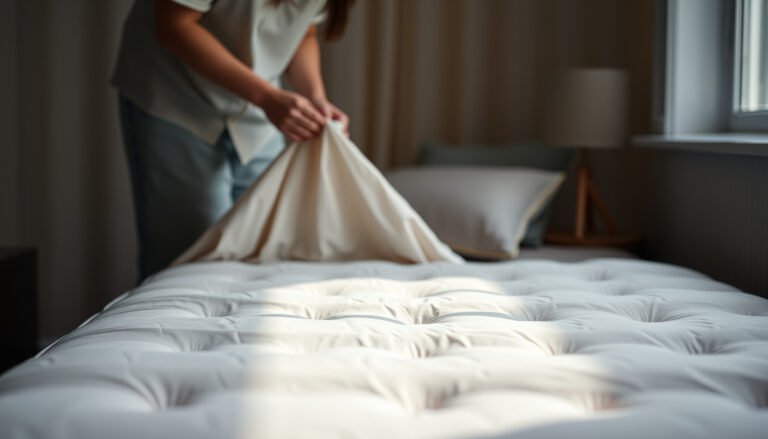
Before you finalize, confirm that the mattress matches the frame’s requirements (slat spacing, center support needs, ventilation gaps if the manufacturer calls for them). If you ignore this, you can end up with the “plush on top” sensation—but without the support layer working as designed.
What can go wrong (common mistakes with plush mattresses)
Plush mattresses fail snoring back sleepers most often when they trade support for comfort too early in the body—especially at the hips and midsection. The result can be increased spinal strain and altered airway mechanics when you settle into the mattress.
Buying plush without checking support
If your hips sink, your lumbar area can lose alignment and your neck may end up compensating. That compensation often shows up as increased mouth breathing or a “straw-like” feeling in the throat during the night, which can worsen snoring patterns.
Also watch for comfort “break-in drift.” Many plush-top mattresses soften over time. What feels aligned for the first few nights can become less supportive after months.
Adding a topper that’s softer than the mattress
Topppers can be useful when they add targeted pressure relief, but they can also move your body deeper into the comfort layers and reduce spinal support. If you add a topper, reassess hip sink immediately—don’t assume it will “stay the same.”
Ignoring ventilation in a tiny home
In a small room, trapped heat can make breathing feel more difficult at night. If you already run warm, a plush mattress that holds heat can compound snoring discomfort. That’s why breathable covers and airflow-friendly comfort layers matter just as much as firmness for back sleepers.
Verdict: the safest way to choose for snoring back sleepers (and when to skip plush)
Plush can be the right choice for snoring back sleepers in a tiny home—but only when the design delivers “plush on top, supportive underneath,” maintaining hip alignment and a stable head/neck angle. Choose a layered mattress with real support layers, breathable materials, and a trial period that lets you verify alignment over several nights.
Downsides are real: plush comfort layers can soften over time, and once the support layer is undermined, your hips may sink again. That means you should plan for periodic reassessment—especially if you notice renewed snoring or morning back stiffness.
Skip plush-first experimentation if you wake with significant breathing difficulty, frequent choking/gasping, or you suspect a medical sleep issue. For example, sleep apnea risk screening often uses tools like STOP-Bang, which assigns higher risk as the score increases—0–2 low, 3–4 intermediate, 5–8 high—based on items including snoring, tiredness, observed apnea, high blood pressure, BMI, age, neck circumference, and gender. Chung et al., 2008 If your pattern points beyond simple mattress discomfort, a clinician should guide next steps.
Quick scan checklist (save this for shopping)
| What to check | What “good” looks like for back sleeping + snoring |
|---|---|
| Hip support | Hips stay supported; minimal deep sink when you lie on your back |
| Plush comfort layer | Cushions shoulders/upper back without collapsing your midsection |
| Cooling/airflow | Breathable cover + construction that limits heat buildup |
| Bed setup | Frame support is solid; bedding/toppers don’t add extra sink |
| Trial info | Manufacturer trial/return policy is clear before you commit |
Frequently Asked Questions
What mattress firmness is best for back sleepers who snore in a tiny home?
Back sleepers typically do best with a medium-firm plush mattress that supports the lumbar spine while still cushioning pressure points. If you snore, avoid overly soft “sinking” mattresses because they can let your hips drop and compress your airways during sleep. Look for a plush top layer paired with stronger core support (often pocket coils or high-density foam) to maintain spinal alignment for quieter, more comfortable sleep in a small space.
How do I choose a plush mattress for snoring while living in a tiny home with limited space?
Prioritize a supportive construction that can fit your bed frame or platform without sagging—many tiny homes use lofted beds or narrow bases that amplify poor support. Use motion-friendly materials (like pocket coils or supportive foam) to reduce bed shifts that can worsen snoring by changing your sleep position. Also check thickness and shipping/placement requirements so your mattress stays properly aired and doesn’t develop odors that can affect indoor comfort in tight living spaces.
Why does a too-soft plush mattress make snoring worse for back sleepers?
When a plush mattress is too soft, your hips can sink below your shoulders, throwing off spinal alignment and encouraging airway narrowing. That position can increase throat vibration and snoring, especially on back sleep where the tongue and soft palate may shift. Choosing a plush mattress with a supportive base helps keep your spine neutral, reducing nighttime positional changes that can intensify snoring.
Which mattress features should I look for to stay supported on my back and reduce snoring?
Look for lumbar support, responsive cushioning, and a plush surface that doesn’t “bottom out.” Pocketed coils or layered high-density foam are often better for maintaining alignment than all-foam comfort layers that soften too quickly. A mattress with good edge support can also help you stay centered on a smaller bed, and proper temperature control (cooling covers or breathable foams) can improve comfort and reduce sleep interruptions that contribute to snoring.
What’s the best way to test a plush mattress for back-sleepers with snoring before committing in a tiny home?
When possible, lie in your back-sleeping position for at least 10–15 minutes and check whether your lower back feels supported without your hips sinking. Use a quick “alignment check”: if you can feel pressure in the lower back or notice you slide into the mattress, the plush comfort layer may be too thick or soft. Finally, rely on a sleep trial, keep your mattress on a properly supportive platform, and pair it with breathable bedding—these practical steps are crucial in tiny home setups where sleep position and airflow are tightly affected.
📅 Last Updated: November 14, 2026 | Topic: How to Select a Plush Mattress for Back Sleepers with Snoring in a Tiny Home | Content verified for accuracy and freshness.
References
- https://www.cdc.gov/sleep/about_sleep/sleep_apnea.html
- Sleep Apnea – What Is Sleep Apnea? | NHLBI, NIH
- Migraine with aura – Symptoms and causes – Mayo Clinic
- Sleep apnea
- positional therapy obstructive sleep apnea sleep position back sleep – Search Results – PubMed
- head elevation snoring sleep apnea – Search Results – PubMed
- mattress firmness pressure relief sleep quality spinal alignment – Search Results – PubMed
- https://scholar.google.com/scholar?q=snoring+obstructive+sleep+apnea+sleep+position+back+sleep Google Scholar
- https://scholar.google.com/scholar?q=mattress+firmness+pressure+relief+back+sleepers+sleep+quality Google Scholar
- https://scholar.google.com/scholar?q=head+elevation+snoring+positional+therapy+obstructive+sleep+apnea Google Scholar