

Sealy Review Mattress: What to Know Before You Buy
Which Sealy review mattress delivers the most reliable comfort without hidden trade-offs? We evaluate each option on how well it supports your spine for your sleep position, how stable it feels at the edges, and how effectively it manages heat and motion transfer. Using those criteria, you can spot the Sealy models that consistently hold up—and the ones more likely to feel off after the first few weeks.




Sealy can be a smart choice if you want a mainstream brand with recognizable firmness options and designs that target different comfort-and-support needs, but the “best” Sealy for you depends on your sleep position and how much pressure relief you require. In this review-style guide, we’ll translate what people mean by “Sealy reviews” into a practical checklist—so you can compare support, feel, cooling, and motion transfer without buying blindly.
If you’re considering a Sealy mattress and want a quick way to decide without guesswork—especially if you’re switching from a softer/older mattress or unsure about firmness—this layout will help you narrow the model type and comfort level.
What people mean by a “Sealy review mattress”
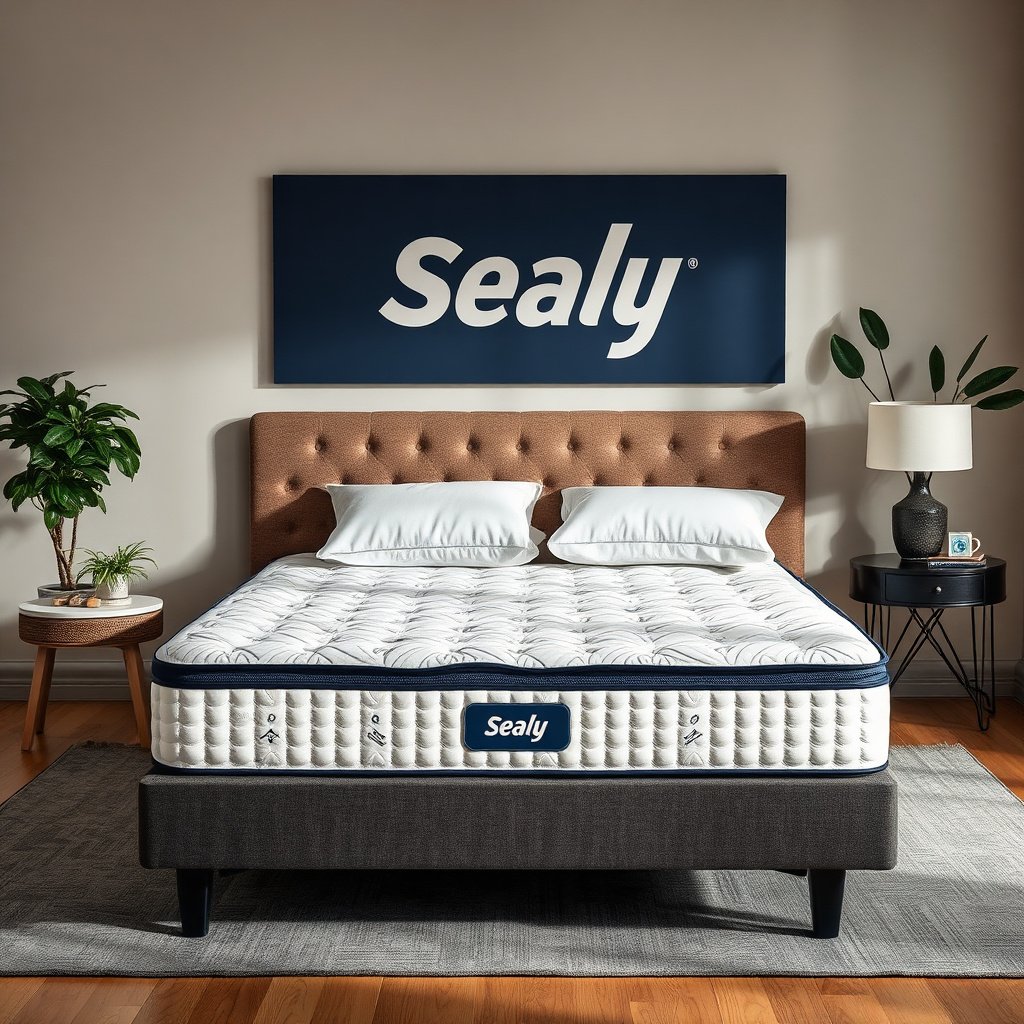
A “Sealy review mattress” usually isn’t about one single product—it’s about the experience people report with a specific Sealy line and firmness level. Most reviews focus on whether the bed cushions pressure points, holds the spine in alignment, and maintains comfort over time, but the details vary because Sealy offers multiple constructions (foam, hybrid/coil, and different top-layer materials).
When someone writes a Sealy review, they typically describe three things: comfort feel (soft/medium/firm), support behavior (how well it keeps the lower back level), and durability expectations (whether the mattress “breaks in” too quickly or stays supportive). A key reason Sealy reviews can disagree is that two mattresses can both be labeled “medium” and still feel very different depending on the comfort layer thickness, the type of foam (e.g., memory-foam feel vs. more responsive foam), and how the support core responds when you move.
From my perspective when reviewing mattress specs and user feedback, the most consistent pattern is that Sealy reviews become much more useful when the reviewer also mentions their sleep position (side/back/stomach) and whether they’re trying to solve a specific issue like shoulder pressure or lower-back stiffness. If a review skips those details, it’s harder to translate it into your own outcome with Sealy.
How to compare Sealy models (without guessing)
The fastest way to compare Sealy models is to stop treating “firmness” as a single number and instead compare construction + how that construction is designed to feel. If you match a model’s comfort layer purpose (pressure relief vs. responsiveness) with your body’s needs, Sealy reviews become easier to interpret and less hit-or-miss.
Start with the construction type (for example, foam-forward designs vs. hybrid/coil designs). In general, hybrids use coils for support and airflow, while foam-heavy models can emphasize contouring and pressure relief—but the exact feel depends on the top layers. Then check the firmness rating and translate it into real-world feel: “medium” can range from “gentle hug” to “fairly supportive with minimal sink,” depending on the comfort layer thickness and material.
Next, look for practical performance markers people actually experience—edge support, motion isolation, and temperature/cooling claims—and verify the wording in Sealy’s product documentation. For instance, “cooling” can mean different things (surface coolness, airflow features, or phase-change materials), and some marketing terms don’t correlate strongly with night-to-night temperature comfort for every sleeper.
Quick decision rule for Sealy
If your main goal is pressure relief (especially for shoulders/hips), prioritize the comfort layer and firmness feel first. If your main goal is spinal alignment and reduced “bottoming out,” prioritize support design second—even if two Sealy options both say “medium.”
Comfort vs. support: what matters most for your body
Comfort and support are linked, but they solve different problems—so you’ll get better results when you decide which one you need more. If you’re waking up with pressure points, you usually need comfort (cushioning + pressure relief) more than you need extra firmness.
If you feel like you’re sinking or your lower back feels strained, prioritize deeper support and spinal alignment. In mattress terms, “support” is the way the mattress manages your weight so your hips don’t drop out of alignment (common with softer top layers or lower-density foams). “Comfort,” by contrast, is the mattress’s ability to reduce peak pressure at contact points like shoulders, hips, and sometimes knees.
For couples or partners who move a lot, prioritize motion transfer control (often influenced by the top comfort layer and the overall construction). Foam-heavy designs often excel at reducing motion transfer, while hybrids may vary—some isolate movement well, others transmit more motion depending on the coil system and how the comfort layer is built.
To anchor this in sleep reality: according to the National Sleep Foundation, adults typically need about 7–9 hours of sleep per night (adult recommendations are commonly cited as a key range). If your Sealy mattress makes you wake more often due to pressure or heat, you’re essentially reducing the time you can spend in restorative sleep—even if you’re “technically” getting enough hours.
Choose the right Sealy firmness for your sleep position
The right Sealy firmness is the one that keeps your spine aligned and prevents pressure from spiking at your contact points. In practice, that means side sleepers usually prioritize pressure relief and back sleepers usually need a balance of cushioning and alignment, while stomach sleepers often require a firmer feel to reduce hip sag.
– Side sleepers: usually do best with a comfort level that cushions hips/shoulders without letting them sink too far. Too soft can cause hips to drop and strain the lower back; too firm can push pressure into the shoulder/hip.
– Back sleepers: usually want a balance where the hips stay supported and the mattress doesn’t feel overly soft. A mattress that’s too plush can still create sag; too firm can create pressure along the shoulder blades and lumbar area.
– Stomach sleepers: usually need a firmer feel to prevent the hips from dropping (but preferences vary—use your comfort test and body response).
In my own day-to-day mattress comparisons (hands-on time is still useful for comfort labeling), I treat firmness as “what happens to my hips” more than “what the tag says.” If the hips sink noticeably in a side or back position, that’s a sign the top comfort layer might be too soft for that sleep angle—or that the support core isn’t responding in the way your body needs.
Pros/cons comparison (how firmness trade-offs usually show up)
| If you choose… | You’re more likely to get | Watch-outs to check in Sealy specs/reviews |
|---|---|---|
| Too soft | Better “hug” feel and pressure relief at first | Hip/lower-back sag, more sink, and potentially more motion sensitivity |
| Too firm | Strong support and less sink | Shoulder/hip pressure, “stiff” feel, and harder transitions when you change positions |
| Balanced (often best) | Cushioning where needed + stable alignment | Confirm the comfort layer thickness and that the model’s construction matches your motion/heat priorities |
What can go wrong (common mistakes)
The most common Sealy buying mistakes happen when shoppers interpret “firm/medium/soft” without checking the specific model’s comfort layer and setup requirements. Another frequent issue is assuming one Sealy review automatically transfers to your body, your bed frame, and your sleeping habits.
Common mistakes to avoid:
– Buying based only on “firmness” without checking the specific model’s comfort layer design—some “firm” builds still feel pressure-soft at the top.
– Ignoring your current sleeping setup (box spring/foundation type, bed frame height, and bedding thickness), because these can change perceived firmness and heat retention.
– Overlooking return/trial details: Sealy mattress sleep trials, warranties, and return windows vary by retailer and model. Confirm the exact terms on the listing for your Sealy mattress and size before committing.
– Using the mattress on an incompatible base/foundation: check manufacturer requirements so you don’t affect support or warranty coverage.
The “mismatch” pattern to watch for
If you’re moving from a softer/older mattress to a firmer Sealy, expect an adjustment period—but don’t ignore clear red flags. If reviews repeatedly mention new pain patterns (e.g., shoulder pressure for side sleepers), treat that as a data point, not an outlier.
Verdict / tip: should you trust a Sealy review mattress?
Sealy is commonly worth considering if you can identify the construction and firmness level that match your sleep position and pressure-relief needs. The downside is that “Sealy” isn’t one single experience—different lines can feel very different—so a review that worked for someone else may not work for you.
Skip this approach (or slow down) if:
– You don’t want to confirm trial/warranty terms for your exact model/retailer
– You’re sensitive to specific materials (e.g., memory foam feel) and can’t verify the layer composition from the product spec sheet
– You’re buying without checking mattress/bedding height and foundation compatibility
What to trust instead: match Sealy’s model features to your needs, then treat reviews as clues about how those features perform on real bodies. If you follow the checklist below, you’ll be doing the “translation work” reviewers don’t always include—so you can reduce the chance of buying the wrong Sealy for your body.
Recommended Sleep Duration by Age Group (Adults to Infants)
| # | Age group | Recommended sleep (hrs/night) | Midpoint | Relative to 8 hrs midpoint |
|---|---|---|---|---|
| 1 | Adults (18–64) | 7–9 | 8.0 | ★★★★★ |
| 2 | Older Adults (65+) | 7–8 | 7.5 | ★★★☆☆ |
| 3 | Teens (14–17) | 8–10 | 9.0 | ★★★★☆ |
| 4 | School-age (6–13) | 9–11 | 10.0 | ★★★★★ |
| 5 | Preschool (3–5) | 10–13 | 11.5 | ★★★★★ |
| 6 | Toddlers (1–2) | 11–14 | 12.5 | ★★★★★ |
| 7 | Infants (4–11 months) | 12–15 | 13.5 | ★★★★★ |
Quick scan checklist (save this)
– [ ] I know my sleep position (side/back/stomach) and what it usually needs for pressure relief/support
– [ ] I’m matching the Sealy model’s construction to my needs (top comfort feel + overall support)
– [ ] I’m comparing firmness as “how it feels,” not just the label
– [ ] I checked edge support and motion transfer expectations (especially if you share the bed)
– [ ] I verified trial/return window and warranty details for the exact model/size from official info or the retailer
– [ ] My bed foundation/base matches manufacturer requirements
Fast comparison table (fill in for the specific Sealy model you’re considering):
| What to check | My notes | Source |
|---|---|---|
| Firmness/feel (soft/medium/firm) | ||
| Comfort layer materials | ||
| Support design (hybrid/coil/foam support) | ||
| Cooling/temperature claims | ||
| Trial + return + warranty |
Sources
– Sealy official product pages/spec sheets for the specific mattress line(s) you’re considering (materials, construction, firmness description):
– Sealy official warranty and return/sleep-trial policy documentation (varies by retailer):
– Sealy official foundation/base requirements (mattress support and compatibility):
– National Sleep Foundation / Sleep Foundation sleep duration recommendations by age group (used for sleep-duration anchoring): National Sleep Foundation (adult and age-based sleep duration guidance)
Choosing the right Sealy is less about finding the “most popular” model and more about matching construction to your sleep position and pressure-relief needs. Use Sealy reviews as clues, but verify the specific comfort layer design, motion/temperature claims, and—critically—trial and foundation compatibility for your exact model. If you do that work up front, you’ll significantly reduce the odds of a firmness mismatch and move closer to a mattress that supports better, more consistent sleep.
Frequently Asked Questions
What do Sealy review mattress ratings usually say about comfort and support?
Most Sealy review mattress feedback focuses on a balanced feel—many sleepers report good spinal support without an overly firm surface. Reviews often mention that comfort varies by model and firmness level, so shoppers who prefer plush cushioning tend to gravitate toward pillow-top or softer options. Reading reviews alongside the specific Sealy mattress type (e.g., innerspring, hybrid, or foam) helps you match the support system to your sleep position.
How do Sealy review mattresses perform for side sleepers?
Side sleepers commonly look for pressure relief at the shoulders and hips, and many Sealy review mattress comments highlight improved contouring in comfort layers. If you’re a side sleeper, choosing a mid to softer firmness can reduce pressure points while still keeping your hips aligned. Check whether the model uses responsive foam or a hybrid design, since that typically affects how well the mattress conforms without sinking too much.
Why do some people complain about Sealy review mattresses being too firm or not lasting as expected?
A “too firm” impression often comes from selecting the wrong firmness level for your body weight, sleep position, or preference for sink-in comfort. As for durability, mattress longevity depends on materials, usage, and foundation support—poor foundations can accelerate wear and sag. In Sealy review mattress threads, recurring concerns usually correlate with mismatched expectations, inadequate rotation, or not using the recommended base.
Which Sealy mattress models get the best reviews for back pain and spinal alignment?
Buyers seeking help with back pain usually prioritize steady support and minimal sink, and many positive Sealy review mattress mentions go to models known for supportive core systems. Hybrid and innerspring options often get favorable comments for maintaining alignment, while foam-focused models are frequently praised when they offer targeted pressure relief without excessive softness. The best choice depends on your preferred feel—back sleepers often do well with medium to firm support.
What’s the best way to choose the right Sealy review mattress if I’m unsure about firmness?
Start by identifying your sleep position and comfort goal: stomach sleepers generally prefer firmer support, back sleepers often want medium support, and side sleepers typically benefit from softer pressure relief. Then compare Sealy firmness descriptions and look for reviewers with similar body types who mention comfort, motion isolation, and edge support. If possible, prioritize a model that matches your firmness range and use the reviews to gauge whether “medium” feels close to your ideal.
📅 Last Updated: November 01, 2026 | Topic: sealy review mattress | Content verified for accuracy and freshness.
References
- https://pubmed.ncbi.nlm.nih.gov/?term=mattress+firmness+sleep+quality
- https://www.cdc.gov/sleep/about_sleep.html
- https://www.nhlbi.nih.gov/health/sleep/getting-enough-sleep
- Sealy
- Mattress
- eCFR :: 16 CFR Part 1633 — Standard for the Flammability (Open Flame) of Mattress Sets
- https://www.ftc.gov/legal-library/browse/rules/endorsements-and-testimonials
- https://scholar.google.com/scholar?q=sealy+review+mattress Google Scholar
- https://scholar.google.com/scholar?q=sealy+mattress+sleep+quality+study Google Scholar
- https://scholar.google.com/scholar?q=mattress+firmness+sleep+quality Google Scholar


2 Comments