
How to Choose a Cotton Mattress for Kids with Night Terrors
If your child wakes up distressed during night terrors and you suspect their bed comfort is part of it, that can feel exhausting and unfair. Night terrors often flare when kids overheat, sink too much, or struggle with airflow and support that matches their growing bodies. You can choose a cotton mattress that stays breathable and appropriately supportive, and the practical way to narrow your options is below.
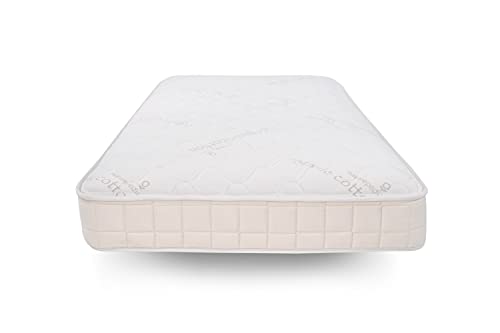


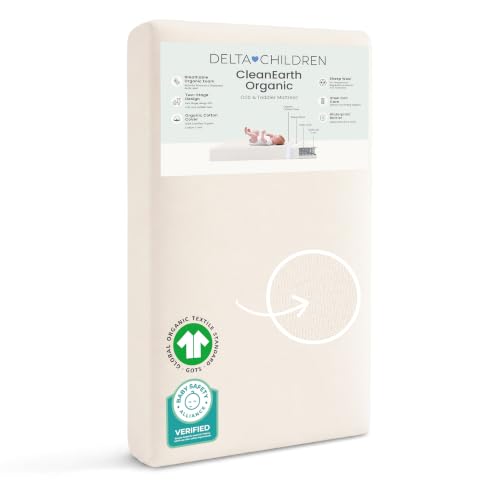
If your kid has night terrors, choose a cotton mattress that supports safer, more comfortable sleep—especially one that’s breathable, easy to keep clean, and sized properly for their body and bedding. Look for breathable cotton (ideally with good airflow), a firm enough feel for stability, and covers that you can remove or clean without hassle. In this guide, you’ll learn what to prioritize so the mattress helps reduce heat and discomfort triggers that can worsen restless nights.
This is for parents and caregivers shopping for a kid’s cotton mattress where night terrors (sudden screaming/terrified behavior during sleep) are part of the picture. It’s also useful if you’re trying to improve sleep comfort while you monitor patterns and talk with your pediatrician if needed.
Focus on breathable cotton and airflow
A breathable cotton mattress can make a real difference because night terrors often cluster in the first hours of sleep and can be intensified by overheating. The goal is to help your child stay at a comfortable surface temperature so they aren’t more restless than usual.
Night terrors are also closely tied to non-REM sleep timing. According to the Cleveland Clinic, night terrors commonly occur in the first few hours after sleep begins, often within about 1–3 hours of falling asleep. And because bedroom temperature matters for sleep quality, the National Sleep Foundation has reported an ideal range around 60–67°F (15.6–19.4°C).
– Choose cotton materials that are described as breathable or moisture-wicking to help reduce overheating.
Look for wording like “breathable cotton,” “moisture-wicking,” or “airflow-focused weave,” and prioritize covers that are designed to move moisture away from the body rather than holding it against skin.
– Prefer designs that don’t trap heat (for example, breathable cover/cover fabric and breathable construction notes from the manufacturer).
In 2026, many kid mattresses marketed as “cooling” rely on special foams or gels, but for cotton mattresses, the breathability cues should come from the cover fabric and internal airflow pathways (for example, ventilated quilting or an engineered cotton batting layout).
Practical tip: if your child tends to sweat at night, cotton’s comfort can help, but you’ll still want a breathable bedding setup (light sheets, no heavy blankets near the bed surface).
Pick the right firmness for stability during sleep
A cotton mattress should feel supportive rather than sinky, because stable support can reduce the amount of repositioning your child does during restless nights. When a mattress is too soft, kids may roll and “search” for a more comfortable spot—movement that can overlap with night-terror timing.
Night terrors affect a meaningful number of children, which is why comfort optimization is worth doing. According to the Cleveland Clinic, night terrors affect about 1%–6% of children. A firmer-but-still-comfortable cotton mattress can’t prevent episodes on its own, but it can reduce triggers linked to discomfort.
– Aim for a supportive, “not too soft” feel so your child isn’t sinking excessively, which can lead to tossing and turning.
For many kids, you’re targeting a surface that lets them lie flat and centered rather than “folding” under hips or shoulders. If the mattress top layer is extremely plush, it may create uneven pressure points.
– Follow the brand’s firmness guidance for kids and keep in mind that “comfort” may matter less during night terrors than stable support.
You’re not choosing for long, luxurious lounging only—you’re choosing for stability during sleep transitions. If the manufacturer classifies firmness (e.g., “firm,” “medium-firm,” or a kid-specific scale), treat that as the main reference point.
To make this easier to compare, here’s a quick contrast of cotton mattresses versus a common alternative:
| Criteria | Cotton Mattress | Memory-Foam Mattress |
|---|---|---|
| Surface response | Often steadier if the quilting/batting is not overly thick | Sinks more to match the body contour |
| Heat behavior | Breathability depends heavily on cover weave and airflow design | Can retain warmth because of the foam’s conforming structure |
| Night-terror overlap | Less “searching” movement when support is firm enough | More repositioning possible in some kids due to sinking |
| Ease of cleaning | Often cleaner if cover is removable and washable | Usually more limited to spot cleaning because foam layers can be harder to wash |
| Odor and moisture | Moisture management depends on cotton treatment/venting | More likely to hold onto moisture/odors if not dried well |
| Support consistency | Can be consistent with the right internal layers | May feel softer as it conforms over time |
| Weight distribution | Stable distribution when comfort layer thickness is controlled | Concentrates pressure relief at points, which can be comforting—or overly soft |
| Care label clarity | Removable cover often comes with straightforward laundry instructions | Care is frequently limited and more technical |
| Budget predictability | You’re paying for materials and coverage that you can keep hygienic | May require more protective layers to keep clean |
| Overall fit for night terrors | Best when firm support + breathable cotton reduces discomfort triggers | Can help some kids, but warmth and sinking may worsen restlessness |
| Verdict | Often the more predictable choice for breathable comfort + stable support | Consider only if the foam model has proven cool behavior and supportive feel |
Choose washable, kid-friendly covers and layers
A cotton mattress helps most when you can keep it clean without turning bedtime into a maintenance project. For night terrors, hygiene is not just about allergies—clean bedding can reduce odors, skin irritation, and the “scratchy fabric” discomfort that can worsen sleep disruptions.
Spills, saliva, and accidents happen, so the cover design becomes part of the mattress’s real-world performance. In 2026, the most parent-friendly models are the ones with removable covers and clear laundry directions—especially for kids’ cotton mattresses.
– Look for removable covers, machine-washable fabrics, or clear spot-clean instructions—because spills and accidents happen.
When the cover comes off easily, you can wash frequently without damaging materials or losing effectiveness. If “spot clean only” is the entire instruction set, you may have fewer safe options after night-time incidents.
– Check what’s inside the mattress and whether layers are designed to stay hygienic (e.g., dust-mite resistance claims should be clearly stated, not vague).
If the brand mentions dust-mite resistance, confirm whether it’s an actual treated layer, a barrier design, or a certification—unclear claims tend to be marketing-heavy and maintenance-light.
Here’s a parseable way to compare cotton mattress cleaning features quickly:
| Feature checklist | What it should enable |
|---|---|
| Removable top cover | Wash after weekly sheets changes (and after accidents when needed) |
| Machine-wash instructions | A documented temperature and cycle range |
| Drying guidance | Air-dry vs low-heat dryer direction so the cotton doesn’t degrade |
| Water-resistant protector option | Barrier layer for accidents while keeping the cotton breathe-focused |
| No “wash the whole mattress” requirement | Cleanable layers rather than impossible full-mattress washing |
| Odor management cues | Material statements like moisture control or antimicrobial treatment (with specifics) |
| Allergy-related documentation | Specific language, not generic “hypoallergenic” |
| Fast reassembly | Zippers and cover construction that don’t invite “twist and bunch” problems |
| Stitching durability | Quilting that holds layers in place through repeated wash cycles |
| Compatible mattress protector | Breathable protector recommendation that doesn’t trap heat |
| Best For | Families who need frequent, realistic cleaning—especially when night terrors and restless movement increase laundry pressure |
Match the mattress to your child’s size and bedding setup
A properly sized cotton mattress reduces slack that can bunch, shift, or interfere with sleep positioning. For night terrors, small comfort disruptions can matter more than usual because episodes involve sudden, intense arousal during sleep.
– Use the correct kid mattress size (crib/toddler vs. twin vs. other) so there’s no excess slack that can bunch around the bed.
Extra space encourages fitted sheets to lift, which can create uneven pressure points or wake-related discomfort.
– Keep bedding simple and avoid loose items near the sleeping area; night terrors can include sudden movement.
Even though night terrors are not the same as sleep apnea or seizures, minimizing hazards and distractions around the bed is a sensible safety step.
To make sizing decisions easier, here’s an objective surface-area comparison of common mattress dimensions (useful for understanding how much “extra room” you eliminate with the right fit):
Common Mattress Sizes Used With Kids’ Cotton Mattresses (Standard Dimensions)
| # | Mattress size (category) | Standard dimensions (in) | Typical bedding stage | Surface area vs Twin |
|---|---|---|---|---|
| 1 | Mini crib | 24 × 38 | Infant sleep environments | -68% |
| 2 | Full-size crib | 28 × 52 | Infant/early toddler | -49% |
| 3 | Toddler | 28 × 52 | Transition beds | -49% |
| 4 | Twin | 38 × 75 | School-age bedrooms | 0% |
| 5 | Twin XL | 38 × 80 | Tall kids, longer frames | +7% |
| 6 | Full | 54 × 75 | Older kids/guests | +42% |
| 7 | Queen | 60 × 80 | Not typically for kids’ beds | +68% |
What can go wrong (and when to pause)
A cotton mattress can support safer sleep comfort, but there are common mistakes that can undermine the benefits—especially if firmness or cleaning needs are overlooked. If your child’s night terrors are frequent or intense, mattress comfort should be part of a bigger plan, not the entire plan.
– Buying “soft and plush” thinking it’s better: too-soft support can increase restlessness for some kids.
If your child sinks deeply or you see the hips resting significantly lower than the shoulders, the mattress may be too yielding for night-terror-prone sleepers.
– Overlooking cleaning requirements: if the cover isn’t truly removable or easy to clean, hygiene can suffer over time.
In practice, a “nice-to-have” cover zipper becomes essential when accidents happen. Make sure you can wash and dry it according to the label.
– Assuming a mattress alone will stop night terrors: mattresses can improve comfort, but night terrors often have many causes.
Stress, irregular sleep schedules, fever, certain medications, and underlying sleep disorders can all contribute. A cotton mattress helps with heat and comfort triggers, not with the underlying causes.
– Skipping medical advice when needed: if night terrors are frequent, severe, or paired with concerning symptoms, consult your pediatrician or a qualified sleep clinician.
Verdict: a cotton mattress is a smart comfort-first choice (with limits)
A cotton mattress is a smart comfort-first choice for kids with night terrors because breathable fabrics and easier hygiene support steadier sleep. Here’s why: cotton mattress covers can reduce heat buildup when the weave and airflow design are truly breathable, and stable support helps minimize unnecessary shifting.
That said, a cotton mattress won’t “cure” night terrors. Some kids still experience episodes even with excellent mattress comfort, because night terrors are often influenced by sleep stage patterns and broader health factors. In other words, the best approach in 2026 is to treat a cotton mattress as a practical comfort layer—then pair it with consistent bedtime routines and pediatric guidance when symptoms warrant it.
For families who should skip this approach as a standalone solution: if your child’s night terrors are dangerous (injury risk), extremely frequent, or accompanied by symptoms that suggest another sleep or medical issue, start with your pediatrician first and use the mattress update as supportive care afterward.
Quick checklist before you buy
– Breathability: cotton cover described as breathable (or moisture-friendly)
– Support: firm enough to reduce excessive sinking
– Cleaning: removable and washable cover or clear spot-clean method
– Fit: correct size with no dangerous gaps or bunching
– Safety: minimal bedding near the sleeping area
Frequently Asked Questions
What cotton mattress features should I look for for a child who has night terrors?
Choose a cotton mattress with breathable, hypoallergenic layers to help your child stay comfortable and reduce overheating during sleep. Look for a supportive core that prevents sinking and promotes proper spinal alignment, since poor alignment can worsen restlessness. A removable, washable cotton cover is also helpful for managing allergens and keeping the sleep environment clean.
How can I choose the right firmness level of a cotton mattress for kids with night terrors?
In general, opt for a medium-firm feel that provides support without being overly hard, which can increase tossing and discomfort. If your child is small or tends to sleep on their side, a slightly cushioned top made with cotton batting can improve pressure relief while still maintaining support. For the best fit, test comfort in-store if possible and observe whether your child wakes less frequently after switching mattresses.
Why does mattress breathability matter for children experiencing night terrors?
Night terrors can be triggered or intensified by sleep disruption, and overheating is a common cause of disrupted sleep. Cotton naturally helps regulate temperature and wick moisture, which can make it easier for your child to fall asleep and stay asleep longer. When the sleep environment is cooler and more comfortable, your child may experience fewer episodes caused by environmental factors.
Which mattress size is best for a growing child prone to night terrors?
A proper size can reduce nighttime restlessness—so choose a mattress that fits your child’s current bed frame and provides enough space to move comfortably. Many families prefer going up a size (such as transitioning to a bigger twin or full as appropriate) if your child frequently kicks off blankets or shifts positions. Ample space helps your child settle without feeling cramped, which can support more consistent sleep.
What is the best way to maintain a cotton mattress for kids so it stays sleep-friendly?
Use a breathable, washable cotton mattress protector to keep allergens like dust and pet dander down, especially if your child has sensitivities. Vacuum the surface regularly and air out the mattress periodically to prevent moisture buildup that can affect sleep quality. Follow the care instructions for the cotton cover and replace protective layers when they lose effectiveness, helping maintain a clean, comfortable sleep environment that may reduce night-time disruptions.
📅 Last Updated: November 14, 2026 | Topic: How to Choose a Cotton Mattress for Kids with Night Terrors | Content verified for accuracy and freshness.
References
- Night terror
- Night terrors and nightmares – NHS
- https://www.mayoclinic.org/diseases-conditions/night-terrors/symptoms-causes/syc-20376984
- night terrors children management – Search Results – PubMed
- childhood parasomnias sleep hygiene treatment – Search Results – PubMed
- https://www.epa.gov/allergy/dust-mites
- eCFR :: 16 CFR Part 1633 — Standard for the Flammability (Open Flame) of Mattress Sets
- https://scholar.google.com/scholar?q=child+night+terrors+management+sleep+hygiene Google Scholar
- https://scholar.google.com/scholar?q=parasomnias+children+night+terrors+nonpharmacologic+treatment Google Scholar
- https://scholar.google.com/scholar?q=mattress+bedding+children+dust+mites+allergens+sleep Google Scholar



3 Comments