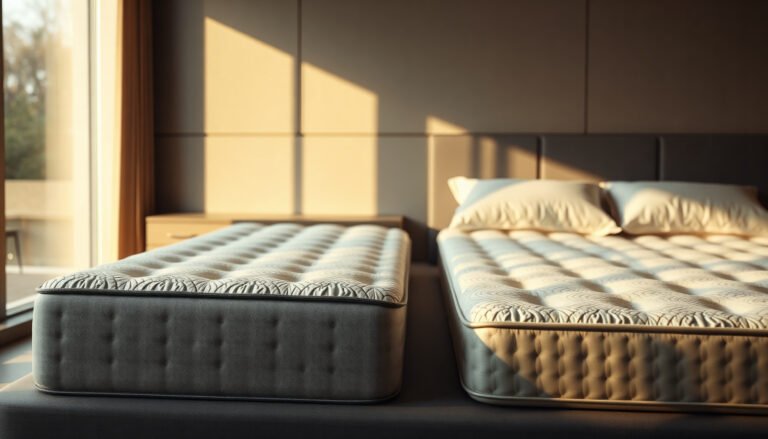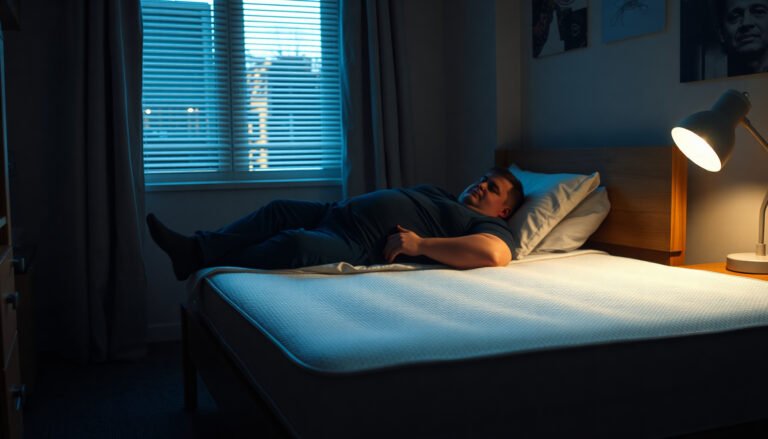
How to Choose a California King Mattress for Back Sleepers: Key Factors
Choosing the right California king mattress for back sleeping can feel daunting because comfort hinges on subtle support details that affect your spine all night. In the next few minutes, you can learn exactly what to look for—proper firmness, pressure relief, and supportive materials—so you can narrow options with confidence. You will also know what measurements and sleep-position needs to check before you buy, with a process that is straightforward rather than overwhelming.




If you’re a back sleeper, the best California king mattress is the one that supports your lumbar spine without letting your hips sink or your shoulders feel pressure. Start by targeting a medium-firm feel with strong lower-back support, then confirm the fit with a simple neutral-spine check in your normal sleeping position.
If you’re shopping for a larger bed—or replacing an older mattress—this matters because back-sleep comfort is less about “soft vs. firm” overall and more about whether the comfort layer cushions your shoulders while the support core keeps your pelvis aligned. As of 2026, more buyers are prioritizing spinal alignment features like zoning, responsive materials, and adjustable foundations, so it’s easy to get overwhelmed. This guide narrows that decision to the key factors that typically make or break back-sleeper comfort on a California king mattress.
Start with back-sleeper support: keep your lumbar area supported
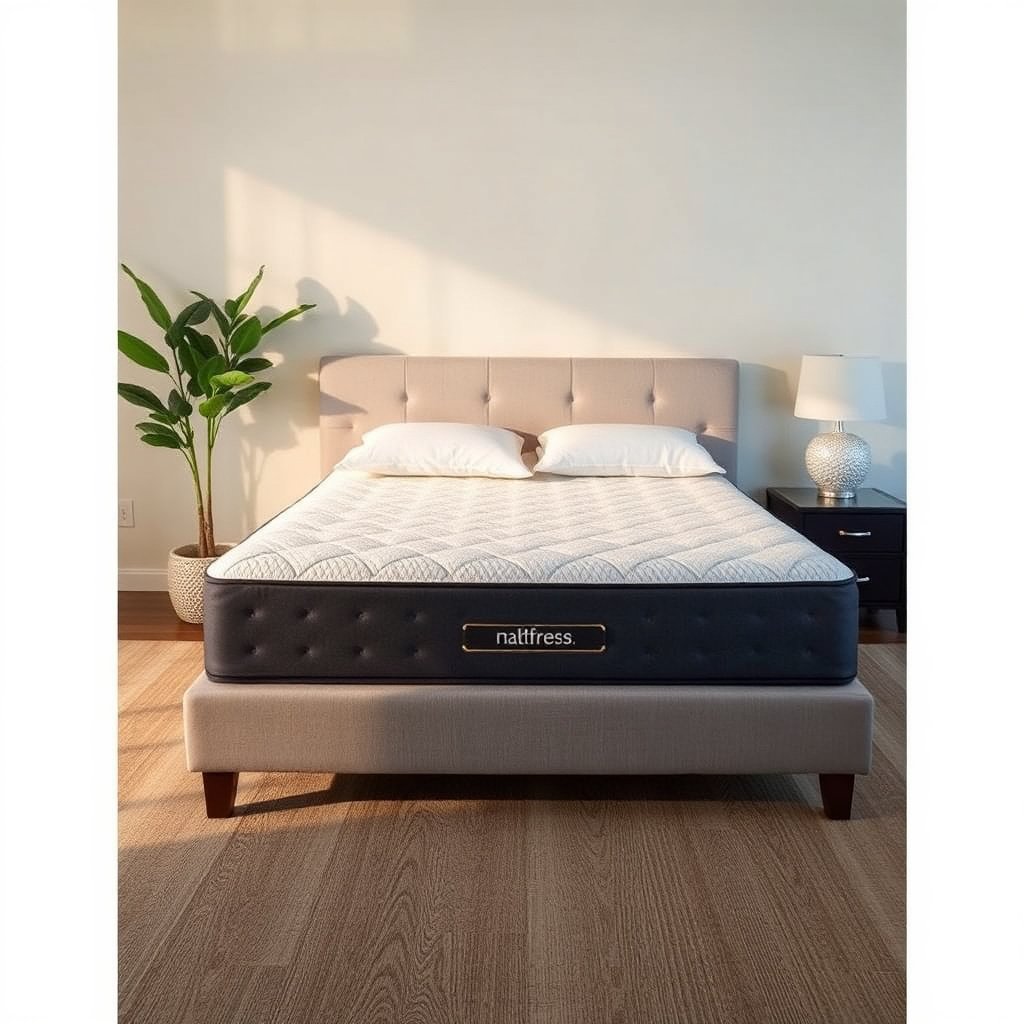
A supportive California king mattress for back sleepers should hold your lower back up while preventing excessive hip drop. That balance is what reduces strain and helps you stay in a neutral spine position.
– Look for a mattress that holds your lower back up (not one that lets your hips sink too far). In back sleeping, the pelvis is the “hinge” that determines whether your lumbar curve stays natural. If your hips sink more than your upper back, your spine tends to bend into a less comfortable posture.
– Choose a medium-firm overall feel so your spine can stay relatively neutral in a back-sleep position. “Medium-firm” is a starting range, not a rule—your body weight, height, and mattress construction (comfort layer thickness and support core) ultimately decide the real feel on a California king mattress.
– Prioritize pressure relief where your body contacts the mattress—especially along shoulders and upper back—so you don’t feel “hot spots” or pinching. Back sleepers often notice pressure not at the low back (where support is the goal) but near the shoulder blades and upper ribs, where insufficient cushioning can feel like hard contact.
Pick the right comfort layer (so softness doesn’t ruin alignment)
The comfort layer should cushion your shoulders and upper back without letting your hips sink out of alignment. On a California king mattress for back sleepers, comfort layers are where many “too-soft” failures happen.
– Memory foam comfort layers can contour your shape, but if they’re too soft, your hips may sink and throw off alignment. Contouring is helpful only when it “matches” your body—your pelvis should land in a supported position, not sink deeper than the rest of your torso.
– Latex comfort layers often balance responsiveness with pressure relief; the goal is still neutral alignment, not “sink and stay.” Latex tends to feel more buoyant than many foams, which can help back sleepers maintain lumbar support while still cushioning shoulders.
– Hybrid designs (springs/coil support with a comfort layer on top) can help keep support more consistent across the bed—useful if you notice alignment drifting on very plush surfaces. With hybrids, the coil/support system can reduce how much your midsection collapses compared with all-foam builds—especially if you share the bed or change positions during the night.
Memory foam vs. latex vs. hybrid: what usually matters for back sleeping
| Material approach (common in California king mattresses) | Pros for back sleepers | Cons / watch-outs |
|---|---|---|
| Memory foam comfort layer | Good pressure relief at shoulders; motion can be reduced if foam is dense enough. | If the foam is too soft or too thick, hips sink and lumbar alignment can suffer. |
| Latex comfort layer | Responsive cushioning that often helps keep pelvis alignment stable while reducing shoulder pressure. | May feel firmer or bouncier than you expect; comfort varies by foam type and blend. |
| Hybrid (coils + comfort layer) | Support can feel steadier across the bed; easier to maintain alignment for many back sleepers. | If comfort layers are plush without enough support, you can still get hip drop on a California king mattress. |
From my perspective, the most reliable way to prevent “softness ruining alignment” is to read the mattress construction details (comfort layer type/thickness plus support core) and then validate them with the at-home checks in the next section. If you’d like a hands-on checklist for store testing, .
Confirm the “neutral spine” fit with simple at-home checks
A California king mattress for back sleepers should feel supportive under your lumbar spine while your shoulders experience comfortable cushioning. The fastest way to verify this is to test neutral alignment in your normal back-sleep position.
– Lie in your normal back-sleep position for a few minutes and pay attention to your lower back: it should feel supported, not compressed. Look for a “held up” sensation under the waist rather than a flat, forced contact.
– If you feel your hips dropping or you need to tense your core to stay comfortable, the mattress may be too soft for you. That core tension is a strong signal your spine is being pulled out of alignment.
– If you feel hard pressure under your shoulders or a “standoff” feel at the chest/neck area, the surface may be too firm or lack enough comfort cushioning. Pressure near the shoulder blades can make it harder to relax into a stable position.
For a practical benchmark while shopping, remember that a California king provides more head-to-toe length than a standard king, which can change how your torso settles. According to , a California king mattress measures 72 in × 84 in (). In comparison, a standard king is 76 in × 80 in, so the pressure and posture profile can differ even when both feel “medium-firm” on first contact. According to , king is 76 in × 80 in ().
Get the California king details right (size, room flow, and movement)
The best-feeling mattress can still fail if the California king doesn’t fit your space or your routine. Choose a configuration that makes getting in/out easy and (if relevant) limits partner disturbance.
– Make sure the California king size fits your space and that you have access around the bed for getting in/out comfortably—especially if you share the room. A California king is 72 in wide × 84 in long, so tight rooms can make you compromise your movement and sleep setup.
– Consider whether you need strong edge support (if you sit on the edge while putting on clothes or getting ready). Weak edges can cause you to sink or feel unstable, which can lead to changes in posture before and after sleep.
– If you share the bed, check motion isolation needs: some materials reduce partner disturbance better than others, which can matter for back sleepers who wake easily. Foam-based systems can reduce motion in many builds, while some hybrid feels can transfer more movement depending on coil design and top layer thickness.
Choosing the “right size family” before you narrow to California king
Common U.S. Mattress Sizes & Back-Sleeper Space Advantage (By Surface Area)
| # | Mattress size | Dimensions (in) | Surface area (sq ft) | Back-sleeper space score |
|---|---|---|---|---|
| 1 | California king | 72 × 84 | 42.00 | ★★★★★ |
| 2 | King | 76 × 80 | 42.22 | ★★★★☆ |
| 3 | Olympic queen | 66 × 80 | 36.67 | ★★★★☆ |
| 4 | Queen | 60 × 80 | 33.33 | ★★★☆☆ |
| 5 | Full | 54 × 75 | 28.13 | ★★☆☆☆ |
| 6 | Twin XL | 38 × 80 | 21.11 | ★☆☆☆☆ |
| 7 | Twin | 38 × 75 | 19.79 | ★☆☆☆☆ |
This sizing context matters for back sleepers because a California king mattress can reduce the need to “fight for space,” which otherwise encourages small nighttime adjustments that can affect lumbar comfort.
What can go wrong when choosing for back sleeping
Back-sleeper mistakes typically happen when a mattress is chosen for comfort alone rather than lumbar support plus pressure relief together. Here are the most common pitfalls to avoid on a California king mattress for back sleepers.
– Buying “soft for comfort” without checking hip support: Softness that contours too deeply often leads to lower-back strain because your pelvis rotates and your lumbar curve flattens or compresses.
– Overcorrecting with “firm for alignment”: Very firm tops can reduce comfort and create pressure points, especially around shoulders. You may feel better in your low back but still wake from upper-body discomfort.
– Ignoring how your body weights the mattress: Two back sleepers can both “sleep on their back,” but one may need more cushioning under shoulders while the other needs more support under hips—especially in a California king mattress where the comfort layer thickness and zoning determine how the body load is distributed.
– Choosing based on reviews alone: Reviews describe one person’s interaction with one mattress model and one body type. Trial/return policies matter because the same California king mattress can feel right for one shopper and wrong for another.
Also note a real-world limitation: if you change your pillow height or sleep posture when you switch mattresses, you can misattribute the cause of improved or worsening comfort. If you’re addressing back discomfort, change one variable at a time when possible.
Verdict / tip + quick checklist and FAQ
If you want the simplest path, start with a medium-firm California king mattress designed to support your spine in a back-sleep position, then verify it with the neutral-spine checks above. The downside is that you may still need to exchange for a different comfort-layer feel if the surface is slightly too plush (hip drop) or slightly too firm (shoulder pressure).
Also skip this “medium-firm starting point” approach if you have a clinician-directed sleep plan (for example, specific medical comfort/support requirements) and haven’t cleared mattress changes with them. In those cases, your care plan should drive comfort/support targets more than general guidance.
Quick checklist (scan/save)
| What to check | What “good” looks like for back sleeping |
|---|---|
| Lower-back support | Feels supported; hips don’t sag |
| Shoulder/upper back comfort | No pressure points or pinching |
| Overall feel | Medium-firm is a strong starting range |
| Edge support | Stable enough for getting in/out (if needed) |
| Motion disturbance | Less partner wake-ups (if you share) |
| Exchange/return option | You can adjust if the feel isn’t right |
Frequently Asked Questions
What firmness level is best for a California king mattress for back sleepers?
Most back sleepers do best with a medium-firm mattress because it supports the natural curve of the lower back without letting the hips sink too far. If you’re lighter, you may prefer a medium option for comfort while still getting adequate lumbar support. If you’re heavier or wake up with back stiffness, try medium-firm to firm and look for strong edge support and stable zoning.
How do I choose the right mattress thickness for back sleeping in a California king?
Mattress height affects feel and support, so choose thickness based on your comfort preferences and sleep setup. Thicker beds (often with deeper comfort layers) can add cushioning, but they may also reduce “pushback” if the support core isn’t firm enough. For back sleepers, aim for a balance where the comfort layer contours without collapsing—especially around the lumbar area. If you use a low-profile bed frame or already have a supportive foundation, a standard thickness can be more efficient than an overly tall mattress.
Which mattress materials provide the best lumbar support for back sleepers?
Look for materials that combine pressure relief with consistent support, such as high-density foam, latex, or hybrid designs with a supportive coil core. Memory foam can work well if it’s not too soft and has a supportive base that prevents hip sag, while latex often offers buoyant support and easier repositioning. Hybrid mattresses are popular for back sleepers because coils help maintain spinal alignment while comfort layers reduce pressure at the shoulders and mid-back. Prioritize lumbar-focused support and a mattress that keeps your pelvis level, rather than letting it tilt downward.
Why does motion isolation matter when choosing a California king mattress for back sleepers?
If you share a bed, motion isolation helps you stay asleep when your partner moves, which is especially important because back sleepers are sensitive to changes in comfort and alignment. Foam and many hybrid mattresses with quality comfort layers can absorb movement better than traditional innerspring-only models. Check for features like responsive top layers that don’t “transfer” every shift across the bed. Good motion isolation can also reduce the frequency of waking and repositioning, which supports better spinal alignment overnight.
Best California king mattress type for back sleepers who also sleep hot?
For hot sleepers, a hybrid mattress or latex mattress is often a strong choice because airflow through coils or latex can help regulate temperature. Memory foam can be comfortable for back alignment, but you’ll want cooling features such as gel-infused layers, breathable covers, or open-cell foam to reduce heat retention. Consider mattress toppers only if they don’t compromise lumbar support—an overly soft topper can cause hip sink and back discomfort. Also check the cover fabric and whether the mattress has breathable construction, since cooling performance directly impacts how well you maintain comfortable back-sleep alignment.
📅 Last Updated: November 02, 2026 | Topic: How to Choose a California King Mattress for Back Sleepers | Content verified for accuracy and freshness.
References
- California King
- https://www.mayoclinic.org/healthy-lifestyle/adult-health/in-depth/mattress/art-20045525
- How To Choose a Mattress for Better Sleep
- low back pain mattress firmness – Search Results – PubMed
- https://www.ncbi.nlm.nih.gov/pmc/?term=low+back+pain+mattress+firmness
- https://www.niams.nih.gov/health-topics/low-back-pain
- https://medlineplus.gov/lowbackpain.html
- https://scholar.google.com/scholar?q=back+sleepers+best+mattress+firmness Google Scholar
- https://scholar.google.com/scholar?q=low+back+pain+randomized+trial+mattress+firmness Google Scholar
- https://scholar.google.com/scholar?q=mattress+pressure+distribution+sleep+posture Google Scholar