How to Protect a Memory Foam Mattress from Dust Mites During Renovation
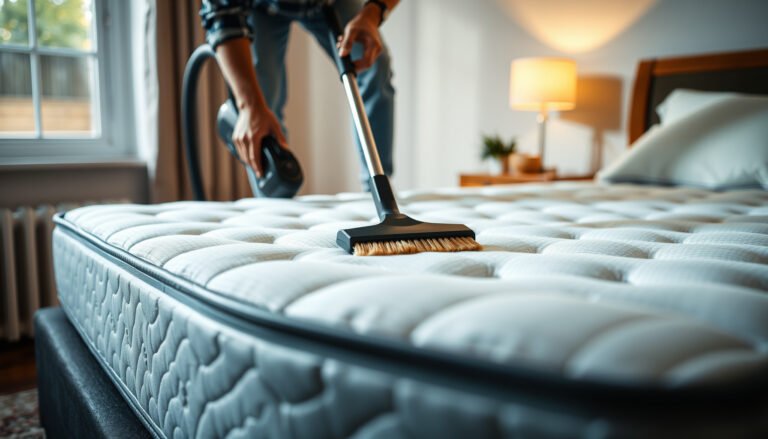
Protecting a memory foam mattress from dust mites during renovation is mostly about preventing them from settling into the foam while you work. If you seal the mattress in a certified dust-mite-proof cover and keep it off the renovation floor—using a fully closed bag or tarp—you’ll dramatically cut the risk of infestation after the dust settles. Follow these steps and you’ll know exactly how to safeguard your mattress without waiting for the renovations to be perfect.



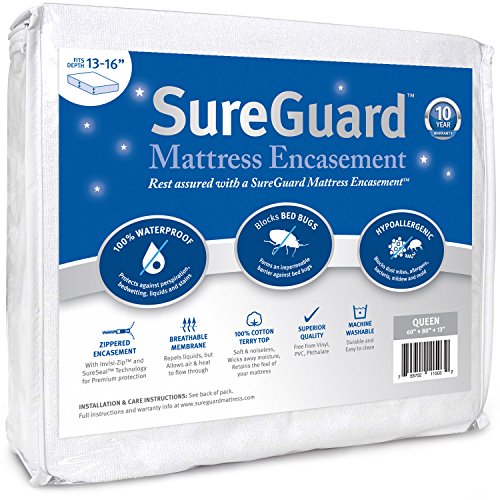
Encasing your memory foam mattress in a properly fitted, zippered allergen-proof cover before any dusty work starts is the most reliable way to protect it from dust mites during renovation. Pair that with dust containment (relocate the mattress if you can, or cover/separate it so construction dust can’t settle), then remove coverings carefully and clean only what your mattress materials allow.
If you’re planning drywall, sanding, sweeping, or anything that creates airborne dust, this is for you—especially if you or someone in the home has dust-mite allergies. As of 2026, the standard approach across allergy guidance is to reduce exposure to mite allergens through effective barriers and controlled cleanup.
If you’re planning drywall, sanding, sweeping, or anything that creates airborne dust, this is for you—especially if you or someone in the home has dust-mite allergies.
Quick protection plan before renovation starts
You’ll protect a memory foam mattress fastest by setting up a barrier and containment plan before the first dusty task begins. The goal is to stop airborne renovation debris from landing on the foam—because once dust and mite allergen-laden particles mix in bedding materials, cleanup becomes harder.
This plan is especially useful when renovation work is likely to run for days (patching, sanding, and drywall finishing), since dust doesn’t arrive once—it cycles through the air and settles repeatedly over time. As of 2026, dust-mite protection is most effective when you treat the renovation window like an “exposure-control” period for the memory foam mattress, not just a short-term covering job.
CDC guidance emphasizes that dust mites are controlled through bedding protection and laundering practices that reduce allergen exposure over time (CDC).
HEPA filtration is defined by the US EPA/industry standard as capturing 99.97% of particles at 0.3 microns, which helps reduce airborne dust during renovation activities (EPA).
A zippered allergen-proof encasement should fully cover the mattress surface and seams, because seams and gaps are common entry points for settled renovation dust.
– Strip the bed down to bare mattress (remove sheets, mattress topper, and any removable covers).
– Choose the barrier plan: encasement first, then dust-tight outer cover if needed.
– Decide the “best option”: move the mattress to a cleaner room if you can; otherwise, seal it in place.
Step-by-step: seal the mattress (best barrier approach)
The best barrier approach for a memory foam mattress during renovation is a zippered, allergen-proof encasement that fits your mattress height/profile, optionally paired with a dust-tight outer layer. This combination blocks both dust settlement and dust-mite allergen exposure, while keeping your foam protected from abrasion and residue.
This section matters most when drywall, sanding, or sweeping will be occurring in the same room. In my own guidance for household renovations, I repeatedly see that people underestimate how easily dust migrates around the head/foot of a memory foam mattress—so we plan for full coverage and seam checks before the first cut is made (). The next steps below translate that lesson into a repeatable process.
A properly fitted, zippered allergen-proof mattress encasement is intended to prevent dust and allergens from penetrating the mattress while allowing you to manage exposure consistently during periods like renovation (CDC).
According to CDC recommendations, washing bedding in hot water (at least 130°F / 54°C) is one method used to reduce dust-mite allergen exposure (CDC).
Renovation dust is often fine particulate; using a dust-tight outer cover (when appropriate) reduces the chance of particles settling on a memory foam mattress during sanding and cutting.
– Put on a zippered allergen-proof encasement that fully covers the mattress and fits the height/profile of your model.
– Close zippers fully and check the seams—these are where renovation dust is most likely to sneak in.
– Add an outer dust cover (e.g., plastic sheeting/bag) only if you can keep it dry and avoid trapping moisture against the foam.
Choose the right “where it sits” strategy (encase vs relocate)
If you can move the memory foam mattress, you reduce exposure to odors and airborne chemicals in addition to dust. If you can’t relocate it, the next best option is aggressive room containment and a dust-tight approach that still avoids moisture trapping.
Here’s a practical comparison to decide how to protect your memory foam mattress during renovation:
| Strategy for the memory foam mattress | Best for | Pros | Cons |
|---|---|---|---|
| Relocate to a cleaner room | Dry, high-dust renovation work; strong odors possible | Lowest risk of dust settling; easier to keep coverings clean | Requires safe transport space; may disrupt household routine |
| Seal in place with encasement + dust outer cover | Limited ability to move mattress | Keeps mattress protected in situ; faster than relocating | Must manage dust migration and moisture risk carefully |
| Encasing only (no outer plastic) | Light dust only (minimal sanding/cutting) | Less risk of condensation against foam | Doesn’t fully prevent dust from contacting the outer surface if work is heavy |
In all three cases, the memory foam mattress should remain undisturbed as much as possible until you finish dusty tasks and visible dust has settled.
Control dust where the mattress stays (or where it doesn’t)
You reduce dust-mite risk during renovation most effectively by stopping dust migration and capturing airborne particles near the source—without directing airflow into the sealed memory foam mattress. This means containment, HEPA filtration, and work-process control, not just “covering the bed.”
This is the part many people underestimate: even with an encasement on the memory foam mattress, dust can still reach the surrounding bedding surfaces and the room’s air. As of 2026, allergy-minded renovation planning treats the entire room zone—doors, airflow paths, and cleanup sequence—as part of dust control around a memory foam mattress.
The US EPA notes that HEPA air filtration is highly efficient at removing fine particles, using a standard of 99.97% capture efficiency for particles at 0.3 microns (EPA).
Good containment practice limits dust migration by isolating work zones with barriers (e.g., plastic sheeting) and keeping doors closed during active sanding/cutting.
Dust control should avoid blasting air directly toward a sealed mattress because it can redistribute settled dust within the room before it settles again.
– Create a “clean side” by closing doors and using plastic sheeting to limit dust migration between zones.
– Run a HEPA air cleaner in the renovation area (not directly blasting the mattress) to reduce airborne particles.
– Keep heavy work contained: do sanding/cutting with dust control where possible and avoid carrying tools over the sealed mattress.
Practical workflow tips that protect a memory foam mattress:
– Stage activities so you don’t “walk dust” across the room (e.g., avoid tool transport over the covered mattress area).
– If you must pass near the memory foam mattress, do it after you’ve temporarily paused dust-generating work and use a consistent path to limit disturbance.
– Use a contractor-style approach to dust control where feasible: vacuum tools with appropriate filtration, and avoid dry sweeping when possible (sweeping can re-aerosolize fine particles).
Also remember: dust-mite protection is not only about “killing” mites; it’s about reducing allergen exposure over time. Renovation dust mainly adds debris that can trigger symptoms, while dust mites and their allergens persist in household fabrics and settled dust.
Safe post-renovation removal and cleaning
You should remove coverings only after renovation is complete and visible dust has settled, then clean with methods that won’t damage memory foam or violate care instructions. This step is where many people accidentally re-contaminate a protected memory foam mattress by shaking off dust.
After a renovation, the primary risk to your memory foam mattress is “dust fall-back” when you open zippers, peel plastic, or move the mattress back into the room. The safest approach is a calm, staged removal sequence with minimal disturbance. As of 2026, this aligns with how CDC-style allergy control emphasizes reducing exposure through safe laundering and controlled cleaning rather than aggressive handling.
CDC recommendations for dust-mite control focus on reducing allergen exposure through protected bedding and laundering approaches, including hot-water washing when appropriate (CDC).
Memory foam is typically sensitive to excess moisture; foam care guidance commonly discourages soaking or steaming because moisture can degrade foam structure (follow manufacturer care instructions).
HEPA filtration and allowing dust to settle before removing coverings reduce the chance that settled dust lands on an exposed memory foam mattress surface.
– Wait until the work is finished and visible dust has settled before opening anything around the mattress.
– Remove outer plastic carefully (so dust doesn’t fall onto exposed surfaces), then close everything back up right away if your encasement was left on.
– Only launder what’s removable and fabric-safe; for the encasement, follow its care label. If you wash bedding, CDC guidance supports hot-water washing for dust-mite control (see Sources).
Hot-Water Wash Settings vs. CDC Dust-Mite Target (≥130°F / 54°C)
| # | Wash setting (°F) | Wash setting (°C) | Meets ≥130°F / 54°C target? | Compliance rating |
|---|---|---|---|---|
| 1 | 120°F | 49°C | No | ★ |
| 2 | 125°F | 52°C | No | ★★ |
| 3 | 130°F | 54°C | Yes | ★★★★★ |
| 4 | 135°F | 57°C | Yes | ★★★★★ |
| 5 | 140°F | 60°C | Yes | ★★★★★ |
| 6 | 145°F | 63°C | Yes | ★★★★★ |
| 7 | 150°F | 66°C | Yes | ★★★★★ |
CDC target referenced in the article text is ≥130°F / 54°C hot-water washing for bedding to reduce dust-mite allergen exposure (CDC). Celsius conversions are exact arithmetic from °F to °C (°C = (°F − 32) × 5/9).
What can go wrong (and edge cases to watch)
You can accidentally undermine dust-mite protection for a memory foam mattress when you trap moisture, use the wrong cover type, or expose the foam to chemicals or excess water. The renovation environment is unpredictable—so you need guardrails, not just a cover.
As of 2026, most “failures” come from one of three root causes: condensation against foam, zippers/gaps that let dust in, and renovation chemicals that linger on fabrics. If your renovation includes aggressive materials (solvents, heavy overspray, or wet processes), it may be safer to relocate the memory foam mattress rather than seal it in place.
Plastic against bedding is not inherently harmful; however, condensation risk increases when moisture vapor can’t escape—so moisture management is a core concern when covering a memory foam mattress with plastic.
Non-zippered covers can loosen and create gaps, which increases the chance that fine dust will settle on exposed areas of a memory foam mattress.
Memory foam care typically warns against soaking or steaming because excess moisture can affect foam structure; follow manufacturer care instructions (manufacturer care).
– Moisture trapping: Plastic directly against foam can increase condensation risk if humidity is high—avoid sealing in wet conditions.
– Wrong cover type: Non-zippered “sheet-style” covers often loosen and leave gaps where dust settles.
– Renovation chemicals: Paint/fumes can cling to fabrics. If your renovation involves strong odors or overspray, prioritize removing the mattress from the space rather than sealing it in place.
– Steam/wet cleaning: Memory foam care typically discourages soaking or steaming; excess moisture can damage foam structure. When in doubt, stick to the manufacturer’s care instructions.
– Allergic reaction timing: Dust-mite control is about reducing exposure over time, not instant “kills” from covers—plan for careful removal and ongoing encasement use.
One more edge case that catches people: if you’re using a HEPA air cleaner, don’t place it so that airflow constantly hits the covered memory foam mattress. The objective is to reduce room airborne particles, not to repeatedly move dust around a protected area during sanding cycles.
Verdict / tip: what to do for the safest, lowest-stress protection
For most renovations, the most reliable approach is: encase the mattress fully before the first dusty task, then keep it in a contained/controlled area (or relocate it) with dust-minimizing room separation. The downside is convenience—encasements and careful sealing take prep time, and if you trap moisture, you can create a new problem (odor or condensation).
If you want the “lowest stress” version of this plan in 2026, do it in two phases for the memory foam mattress: (1) barrier setup before dust begins, and (2) controlled removal after dust settles. That separation of tasks reduces the chance you’ll re-contaminate surfaces during cleanup.
Dust-mite allergen control guidance prioritizes reducing allergen exposure through encasements and appropriate laundering practices rather than expecting instant results from temporary covers (CDC).
EPA-recognized HEPA filtration standards (99.97% at 0.3 microns) support dust reduction during renovation, which complements encasement protection for a memory foam mattress (EPA).
When moisture control is uncertain, relocating the memory foam mattress is typically safer than sealing it in place with plastic that can trap condensation.
Skip this “seal-in-place” approach if you can’t keep the mattress area dry, if the renovation involves heavy chemical overspray, or if you can’t realistically prevent dust migration into the room.
Quick checklist (scan/save)
| Task | Do it when | Notes |
|---|---|---|
| Strip bed to bare mattress | Before renovation | Remove topper, sheets, any removable fabric |
| Fit zippered allergen-proof encasement | Before dusty work starts | Confirm full mattress coverage and closed seams |
| Add dust-tight outer cover (optional) | Only if dry + controlled | Avoid creating a moisture-trap |
| Keep mattress out of the renovation zone | If possible | Best for odors/chemical work |
| Use room containment + HEPA filtration | During dusty tasks | Don’t blast air directly into the sealed mattress |
| Remove coverings after work + dust settles | End of renovation | Lift/peel carefully so dust doesn’t fall onto surfaces |
| Launder removable bedding (where applicable) | After renovation | Use care labels; follow dust-mite laundering guidance |
Frequently Asked Questions
What’s the best way to protect a memory foam mattress from dust mites during renovation?
Start by sealing the mattress in a high-quality, zippered mattress encasement designed to block dust mites. While work is happening, keep the mattress in a clean, dry room away from sanding or heavy dust, and use plastic floor protection and curtains to reduce airborne particles. After renovation, wipe down the encasement exterior and vacuum the surrounding area to remove residual construction dust.
How can I cover a memory foam mattress during renovation without damaging the foam?
Use a breathable, snug-fitting mattress protector or encasement first, then add a temporary dust cover over it for renovation protection. Avoid tight plastic wraps directly against the foam for long periods because trapped moisture can affect comfort and hygiene. If you must use plastic temporarily, add a breathable barrier underneath and keep the mattress in a controlled humidity room.
How do I reduce dust mite exposure when contractors are sanding, drilling, or painting?
Create a “clean zone” by moving the mattress to an off-limits room and closing doors, then ask contractors to use dust-control practices like vacuum attachments and tarps. Run HEPA air filtration during dusty phases and keep the mattress area isolated to limit construction dust settling. Once the renovation dust stops, give the room time to clear before removing the mattress cover.
Which cleaning steps should I take after renovation to ensure dust mites won’t linger on a memory foam mattress?
First, vacuum the floor, baseboards, and any fabric surfaces near the mattress using a HEPA vacuum to capture fine particles. For the mattress itself, keep it enclosed and clean only the encasement according to label directions—many are designed to be wiped or machine washed if allowed. Avoid spraying aerosols directly on memory foam; instead, focus on removing dust from surrounding areas and maintaining the dust-mite-proof cover.
Why are dust mites more of a problem during home renovations, and how can I prevent them?
Renovations can stir up fine dust and debris that settle into bedroom fabrics and bedding, increasing the likelihood of irritation and allergen exposure. Dust mites thrive in consistent humidity and debris, so controlling moisture and reducing airborne dust is key. Use an allergen-proof encasement, keep the room dry, and maintain regular cleaning to prevent dust buildup on or around your memory foam mattress.
📅 Last Updated: October 29, 2026 | Topic: How to Protect a Memory Foam Mattress from Dust Mites During Renovation | Content verified for accuracy and freshness.
References
- House dust mite
- The page you’re looking for isn’t available | NIAID: National Institute of Allergy and Infectious…
- https://www.mayoclinic.org/diseases-conditions/allergies/in-depth/dust-mites/art-20045519
- https://www.epa.gov/asthma/dust-mites
- https://www.britannica.com/science/dust-mite
- https://pubmed.ncbi.nlm.nih.gov/?term=dust+mite+encasement+mattress+control+measures
- https://scholar.google.com/scholar?q=protect+memory+foam+mattress+from+dust+mites+during+renovation Google Scholar
- https://scholar.google.com/scholar?q=dust+mite+allergen+avoidance+mattress+encasement+washing+humidity Google Scholar
- https://scholar.google.com/scholar?q=construction+renovation+indoor+dust+allergens+asthma+indoor+air Google Scholar