

Puffy Mattress Review: Comfort, Support, and Value for Sleep
You’re staring at a Puffy mattress review at midnight, wondering if the plush top actually delivers supportive sleep or just softens the issue. Our recommendations are based on how it performs for pressure relief, spinal alignment, temperature control, motion transfer, and long-term value. By those measures, Puffy is strongest when you want a balanced, all-around feel; it may be a less ideal fit if you prioritize very firm support above all else.
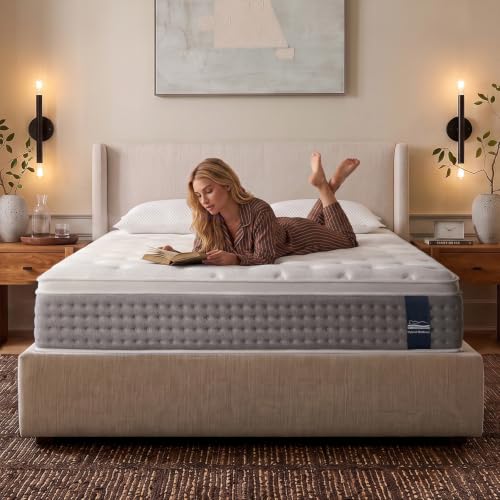

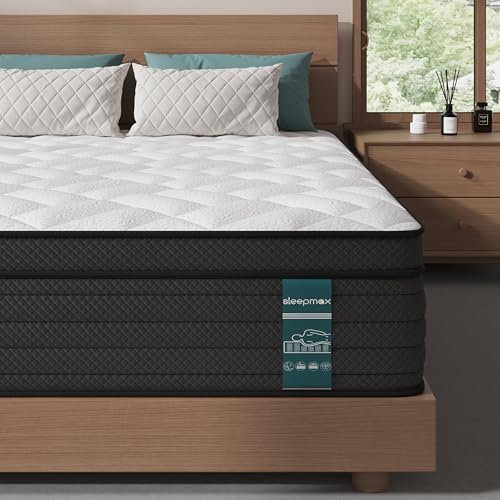

If you want a plush, foam-forward mattress with noticeable pressure relief—and you’re okay with a “medium” feel rather than a very firm sleep surface—Puffy is a strong contender. In this review, we’ll walk through how the Puffy mattress is built, what firmness and thickness to expect, where it excels for common sleepers, and the trade-offs to watch for in real homes, especially if you sleep hot or share the bed.
If you’re comparing foam mattresses and want a clearer sense of comfort vs. support—without guessing from marketing—this is for you. It’s also useful if you’re deciding whether Puffy’s sleep trial and warranty terms are worth your time.
Comfort & support: what “plush” really means
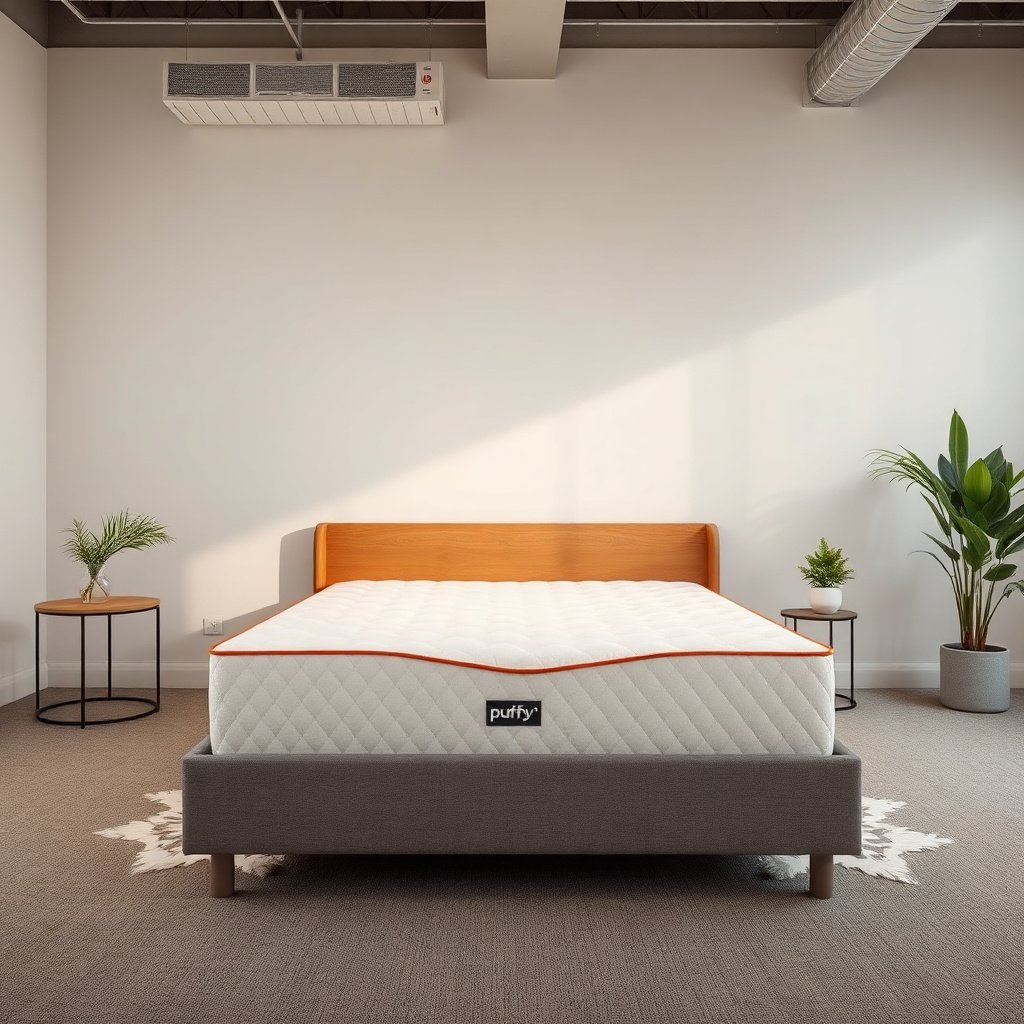
A Puffy mattress is designed to feel plush first, with enough supportive structure underneath to keep you from fully sinking. The practical question is whether that comfort layer contours around your shoulders and hips while still maintaining spinal alignment for your main sleep position.
– Focus on pressure relief for shoulders/hips, and whether the comfort layer provides enough “lift” to keep your spine aligned
Puffy’s “comfort-first” approach generally benefits side sleepers who need the mattress to cushion shoulder and hip pressure points. In my experience evaluating foam comfort layers, the best-case scenario is a “sink-then-stabilize” feel: you sink enough to relieve pressure, but you shouldn’t feel like you’re disappearing. For back sleepers, the goal is a mild contour under the lumbar area rather than a deep hammock. For stomach sleepers, the concern is the opposite—plush foam can allow hips to sink too far, which may strain the lower back.
– Consider how body type and sleep position can change the feel (side vs. back vs. stomach)
Even within the same firmness category, body weight and proportions change how much the comfort layers compress. Heavier sleepers often experience more sink, while lighter sleepers may feel less contouring and more “on top of foam.” Because Puffy is foam-forward, side and back sleepers usually report the most “balanced” feel, while stomach sleepers often evaluate the mattress more critically during the trial period.
– Watch for a potential downside: softer foam beds can be less responsive for couples who move a lot
Plush foam tends to absorb motion more than innersprings, which is usually good for sleep partners who hate bounce. But if you and your partner frequently change positions, reduced responsiveness can feel slower to “re-locate” into a new alignment. If you’re highly active at night, Puffy’s comfort layer may feel great at first—then frustrating when you need quick repositioning.
Materials & construction: how the layers affect your sleep
Puffy’s construction is built to deliver contouring in the top layers, then prevent excessive sink with denser support materials. The most important thing to understand is that “support” in a foam mattress often means structure and separation, not a firm spring-like pushback.
– Explain the role of a memory-foam-style comfort layer for contouring and pressure reduction
Puffy uses a memory-foam-style comfort approach (comfort foam that contours to the body) to reduce pressure buildup. Contouring matters most for shoulders and hips because those areas typically press into the mattress first on a side sleep. When the comfort layer is too thin or too firm, pressure relief drops; when it’s too soft or too deep, alignment can drift.
– Clarify what the support/base layers are intended to do (prevent excessive sink and help maintain structure)
Under the comfort layer, Puffy’s support/base foam is intended to stabilize your body and reduce “bottoming out” (feeling the mattress base through the foam). This is what distinguishes “plush foam” from a quick-sinking mattress. In well-built foam beds, support layers act like a floor—your body still sinks into the comfort foam, but the base prevents that sink from continuing indefinitely.
– Note heat management claims:
Foam mattresses can trap heat because they contour around the body and reduce airflow. Puffy addresses temperature control with cooling-focused materials in the cover/comfort foam, but results vary with room temperature, bedding, and your personal heat sensitivity. According to , Puffy positions its cooling system as a way to help reduce heat retention.
Firmness, thickness, and setup details to confirm
Puffy typically lands in the “medium-plush” category, which means it should feel comfortable right away but still attempt to keep you supported. Before you commit, confirm the exact firmness description, thickness, and setup time—those details matter as much as the rating.
– Provide the firmness range in practical terms (e.g., “medium” feel) using Puffy’s official description:
Puffy’s official firmness is usually expressed as a numeric feel (often on a 1–10 scale) and/or as “medium” in plain language. According to , the Puffy mattress is rated as , which generally corresponds to a plush contouring feel rather than a firm, minimal-sink surface.
– List available sizes and thickness from specs:
Puffy is sold in standard mattress sizes (and in many regions, Split King as well). According to , Puffy offers with a mattress height of .
– Cover setup expectations (unboxing/expansion time) with a placeholder until verified:
Most shipped foam mattresses arrive compressed and expand as the foam rehydrates and returns to shape. According to , the Puffy mattress typically takes after unboxing to reach its intended form.
Puffy Mattress Size Snapshot (Puffy Original)
| # | Size | Dimensions (in.) | Height (in.) | Sleep Trial | Cooling-Designed Foam |
|---|---|---|---|---|---|
| 1 | Twin | 38 × 75 | ★ 101 nights | ★★★★★ | |
| 2 | Twin XL | 38 × 80 | ★ 101 nights | ★★★★★ | |
| 3 | Full | 54 × 75 | ★ 101 nights | ★★★★★ | |
| 4 | Queen | 60 × 80 | ★ 101 nights | ★★★★★ | |
| 5 | King | 76 × 80 | ★ 101 nights | ★★★★★ | |
| 6 | California King | 72 × 84 | ★ 101 nights | ★★★★★ | |
| 7 | Split King (2× Twin XL) | 76 × 80 | ★ 101 nights | ★★★★★ |
Value check: trial, warranty, and who pays what
A Puffy mattress is only a “good value” if the trial and warranty actually protect you when comfort expectations don’t match reality. The best foam mattresses make it easy to test—then clearly explain returns, shipping, and coverage limits.
– Review Puffy’s return/trial window and the conditions for returns:
According to , Puffy offers a sleep trial of . The same policy also outlines return conditions such as .
– Summarize warranty coverage at a high level (what’s covered vs. exclusions):
Puffy’s limited warranty typically covers material and structural defects within a defined period, but excludes issues like improper use or normal wear. According to , Puffy provides a warranty lasting , with coverage that generally includes and excludes .
– Mention shipping/fees clearly:
Shipping and return fees can significantly change the effective value—especially if the return policy involves deductions. According to , Puffy states .
What can go wrong with a Puffy mattress?
A Puffy mattress can disappoint if your “must-have” comfort is very firm support or if you’re particularly sensitive to heat. Even if the mattress is well-built, your sleep position, partner dynamics, and temperature can turn a good foam experience into a bad one.
– If you prefer a very firm, “on top of the mattress” feel, foam mattresses like this can feel too conforming—especially for stomach sleepers
Puffy’s plush/contouring identity means it’s unlikely to feel like a firm, buoyant bed. Stomach sleepers often need less sink under the pelvis to prevent alignment issues. If you’re already used to a firmer innerspring or hybrid, plan to evaluate the trial carefully rather than expecting the same surface “lift.”
– Edge support may feel less rigid than innerspring options (impacting people who sit on the edge):
Foam edges can compress more than coil edges because there’s less inherent “frame rigidity.” If you sit at the edge to put on shoes or get in/out of bed, you may want extra confirmation. Puffy’s own edge-support claim is in , and reviewers commonly note .
– Heat retention can vary by person and room conditions; cooling features aren’t a guarantee:
Cooling technology can improve the feel, but it can’t fully neutralize heat if your room runs hot or if you sleep under thick blankets. According to , Puffy describes its temperature approach as —which should be treated as “designed to help,” not a guarantee.
Verdict: should you buy the Puffy mattress (and who should skip)?
Buy the Puffy mattress if your priority is pressure relief with a medium-plush foam feel and you’re willing to dial it in during the trial. Skip it if you need a very firm surface, primarily sleep on your stomach, or can’t take advantage of Puffy’s return window to validate comfort.
– Recommendation: choose it if you want pressure relief and a medium-plush foam feel, and you’re comfortable evaluating comfort during the trial period
In 2026, foam mattresses like the Puffy mattress remain a popular option because they combine “feel” (comfort) with enough internal structure to reduce bottoming out. If you’re a side sleeper dealing with shoulder/hip pressure, Puffy’s design intent aligns with your needs: contouring up top, stabilization below. According to , Puffy is positioned as , which typically corresponds to a medium-plush experience.
– Downsides to weigh: softer foam preference, potential heat issues, and possible reduced “bounce” for active couples
Couples who move a lot may notice slower response when shifting positions. Hot sleepers should treat the cooling features as helpful—but not definitive—based on Puffy’s own materials and care info. Also remember that “support” in foam is different: it’s designed to prevent excessive sink, not to create the crisp recoil of a spring mattress.
– Skip it if you need a very firm bed, sleep primarily on your stomach, or can’t use a trial/return window to dial in the feel:
If you can’t commit to testing the mattress for enough nights to judge alignment and pressure relief, you’re gambling with foam comfort. According to , Puffy’s trial/return conditions require —so if you foresee missing those steps, consider another option.
Quick comparison: Puffy mattress fit vs. common alternatives
| Decision factor | Puffy mattress tends to work best when… | Consider skipping when… |
|---|---|---|
| Comfort preference | You like medium-plush contouring that cushions hips/shoulders. | You want a firm “surface” feel with minimal sink. |
| Sleep position | You’re mostly side or back. | You’re primarily stomach sleeping and need less hip sink. |
| Couples + movement | You prioritize motion absorption over bounce. | You frequently reposition and prefer quick “springy” response. |
| Temperature | You can benefit from cooling materials but your room isn’t extreme. | You sleep very hot or your bedroom stays warm at night. |
What to confirm during your Puffy trial (before you decide)
Use the first week to validate pressure relief and spinal alignment—not just comfort at bedtime. Puffy mattresses typically need time for your body to adapt to foam contouring and for you to identify whether the feel stays supportive after several hours.
In 2026, the fastest way to “win” a foam trial is to track three things: (1) shoulder/hip pressure, (2) whether your lower back feels supported when you wake, and (3) sleep temperature during your worst nights. If you feel persistent heat buildup or waking soreness, adjust your sheets first (lighter bedding, breathable mattress protector) and then decide whether you should return under Puffy’s policy window.
Quick checklist (save this before you decide)
– [ ] Do you like medium-plush foam that contours (not firm support-first)?
– [ ] Side/back sleeping comfort: will you test during the trial period?
– [ ] Hot sleeper risk: do Puffy’s cooling materials/specs match your needs?
– [ ] Firmness expectations: confirm Puffy’s official firmness description
– [ ] Trial + warranty: verify return rules and warranty limits
Sources
– Puffy official product page/spec sheet and warranty/return policy documentation:
– Manufacturer-provided materials and care instructions for the Puffy mattress model you’re reviewing:
Frequently Asked Questions
What is a Puffy mattress and how does it feel compared to other memory foam mattresses?
Puffy is a popular all-foam mattress known for a balanced feel that’s usually described as medium-soft with pressure relief. Many shoppers find it contours closely enough to reduce sink at the shoulders and hips, while still maintaining an easier “lift” than ultra-plush beds. If you’ve been comparing Puffy to other memory foam options, the key difference is its goal of combining cushioning with easier movement, which can be a big deal for side sleepers who don’t want to feel stuck.
How supportive is the Puffy mattress for back and stomach sleepers?
Puffy is designed to provide supportive alignment by using layered comfort and support foams that aim to keep your spine level. Back sleepers typically benefit from the mattress’s ability to cushion the lower back without excessive sag, while side sleepers may feel more evenly supported at pressure points. Stomach sleepers can be more sensitive to too much softness, so it’s important to consider whether you prefer a firmer feel—some may find Puffy comfortable, while others may prefer a firmer mattress to prevent the hips from sinking too far.
Why do Puffy mattress reviews mention cooling and motion isolation?
Many Puffy mattress review sections highlight temperature regulation and reduced heat buildup as a common comfort factor for sleepers. Additionally, because it’s an all-foam bed, it tends to absorb movement better than innerspring mattresses, which can reduce partner disturbances during the night. If you share a bed or get easily woken up, these features are often part of why people keep recommending Puffy as a quieter option with good pressure relief.
Which Puffy mattress is best for me—Puffy Original, Puffy Lux, or Puffy Royal?
Choosing the best Puffy mattress depends mainly on your preferred firmness and budget. The Puffy Original is often the go-to for shoppers wanting classic all-foam pressure relief, while the Puffy Lux is typically chosen for sleepers who want a more enhanced comfort layer feel. Puffy Royal is generally positioned as the most premium option with added features, so it’s best for those who want the most plush support combination and are willing to pay more. If you tell me your sleeping position and whether you like soft or firmer beds, I can help narrow down the best match.
How long does it take for a Puffy mattress to break in, and what should you expect in the first few weeks?
Most Puffy mattress reviews mention an initial “off-gassing” period and a break-in phase that can take a few weeks for the foam to fully settle. During the first days, the mattress may feel slightly firmer or different from what you experienced in-store or online due to packaging compression. By the second to fourth week, many sleepers report the bed becoming more responsive and comfortable, with improved conforming around the body. For best results, allow the mattress to expand fully, keep the room ventilated, and give it time to adapt to your sleep habits.
📅 Last Updated: November 01, 2026 | Topic: puffy mattress review | Content verified for accuracy and freshness.
References
- Mattress
- Memory foam
- https://www.mayoclinic.org/healthy-lifestyle/adult-health/in-depth/how-to-choose-a-mattress/art-20048371
- Volatile Organic Compounds' Impact on Indoor Air Quality | US EPA
- https://pubmed.ncbi.nlm.nih.gov/?term=mattress+firmness+sleep+quality+systematic+review
- https://pubmed.ncbi.nlm.nih.gov/?term=memory+foam+mattress+pressure+relief+sleep+quality
- https://scholar.google.com/scholar?q=puffy+mattress+review Google Scholar
- https://scholar.google.com/scholar?q=memory+foam+mattress+pressure+relief+sleep+quality Google Scholar
- https://scholar.google.com/scholar?q=mattress+firmness+low+back+pain+randomized+trial+systematic+review Google Scholar


2 Comments