How to Protect Organic Mattress from Dust Mites in Small Apartment
Want to protect an organic mattress from dust mites in a small apartment without giving up comfort? This guide delivers a clear playbook—what to do daily and what to buy once—to cut dust-mite exposure fast, even in tight spaces. You’ll learn the highest-impact steps, from sealing protection to laundry and humidity control, so you can breathe easier tonight.



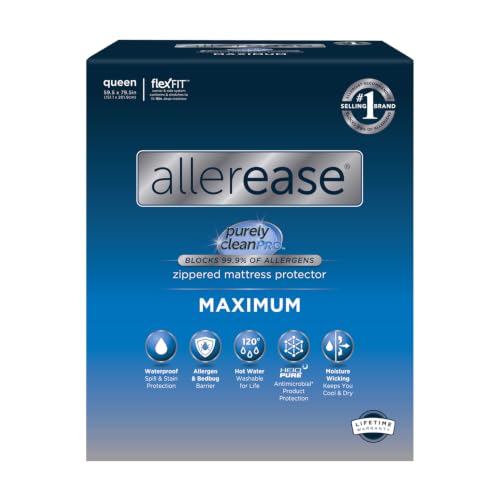
To protect an organic mattress from dust mites in a small apartment, use a fully zippered dust-mite encasement and keep bedding clean with regular hot-water washing. In tight spaces, also control moisture and vacuum frequently so dust doesn’t build up on bedding, floors, and nearby surfaces. This guide walks through the practical steps that reduce dust mites without damaging your mattress.
If you’re dealing with seasonal allergies, itchy eyes, or suspected dust-mite exposure—and you don’t have much room to “store extra bedding elsewhere”—this plan is for you. It’s especially useful when you want protection that fits small-apartment routines.
Use a fully zippered dust-mite encasement for organic mattresses

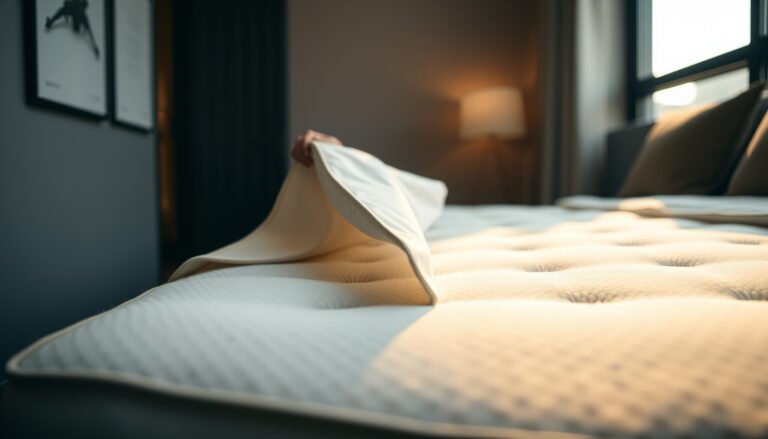
A fully zippered dust-mite encasement is the fastest way to reduce direct exposure because it seals the mattress where dust mites concentrate. For organic mattresses, the material itself doesn’t prevent allergens—your protection comes from a true allergen-barrier cover with a reliable seal.
A fully zippered allergen-barrier encasement is designed to block dust-mite allergens from escaping the mattress surface into the breathing zone.
Organic fabric construction does not inherently stop dust mites; dust-mite control is mainly about sealing and environmental conditions.
– Choose an encasement made to block allergens (typically an “allergen barrier” with a sealed, zippered design) and verify it’s compatible with your mattress size.
– Cover both mattress top and sides (some covers only protect the top, which leaves gaps dust mites can still access).
– Follow the encasement’s care instructions so you don’t compromise material integrity or breathability.
What “fully protected” should look like in a small bedroom
In small apartments, the bed often sits closer to walls, baseboards, and window sills. That means tiny gaps matter more, because you have fewer airflow pathways and more nearby surfaces that can shed dust. When you install a dust-mite encasement, prioritize:
– Correct height (pillow-top vs. standard): If the cover is slightly short, the zipper can shift and leave a seam exposed.
– Zipper alignment: A zipper that rides under the bed frame can open microscopically over time.
– Sealed bottom edges: Mattress covers that stop at the side panels (or have loose elastics) can allow dust to collect at the base.
Practical install tip (that prevents “almost sealed” failures)
After installing, press along the perimeter corners and run your hand along the seam line on all four sides. If you feel any raised gaps or repeated zipper “bumps” during normal bed movement, fix the fit now. In my experience with small, high-traffic bedrooms, fit issues show up fast because the bed gets bumped during cleaning and moving laundry in tight layouts—so early adjustment saves weeks of inconsistent protection.
Reduce humidity (dust mites thrive when air stays damp)
Humidity control is the environmental lever that makes dust-mite prevention work consistently in a small apartment. When indoor air stays too damp, dust mites survive longer and produce more allergen.
According to the U.S. EPA, controlling indoor humidity—commonly targeting below 50% relative humidity (RH)—helps reduce dust-mite growth.
According to the U.S. CDC, moisture control supports dust-mite prevention because dust mites need humid conditions to thrive.
– Aim to keep indoor relative humidity at a level recommended by an official source (common guidance targets below 50% RH).
– Use a dehumidifier or improve ventilation if your small apartment runs humid—especially around bedroom corners, closets, and windows.
– If you see condensation, damp bedding, or musty smells, address moisture first; encasements alone won’t fix that.
Why 50% RH is a big deal (and how to act on it)
In apartments, moisture often accumulates where air circulation is weak: behind curtains, inside closets, and along exterior walls. Dust mites respond to that pattern. So instead of treating humidity as a whole-home concept, you manage it where the bed environment actually lives.
What to do next:
1. Measure first: Use a small hygrometer in/near the bedroom to confirm the real RH, not just what your building feels like.
2. Treat sources of moisture: If your bedroom has a window that sweats in winter or a closet with recurring dampness, ventilation changes often work better than relying only on “bedding fixes.”
3. Dehumidifier placement: Run it where it can influence the air around the bed area—commonly near the bedroom entry or the path of airflow between the closet and room.
Quick comparison: humidity problems you can fix vs. ones you must investigate
If humidity is high consistently, you may be dealing with a ventilation or building envelope issue, not a lifestyle issue.
– Usually fixable: window condensation, closet moisture, drying clothes in the apartment, poor airflow behind furniture.
– Often needs investigation: persistent damp smell with no obvious source, visible mold in walls/ceiling, leaks, or chronic condensation where no daily activity explains it.
Cut down dust where it settles—especially around the bed
Reducing settled dust lowers the allergen reservoir that later ends up on bedding. In small apartments, this matters because dust has fewer “places to go,” so the bed area becomes a high-impact zone for cleaning.
Vacuuming with a HEPA-filter vacuum reduces airborne particles by trapping fine allergens instead of redistributing them.
Dry dusting can re-circulate particles; using a damp cloth for hard surfaces can capture dust rather than spread it.
– Vacuum regularly using a method appropriate for dust/allergens (for example, a vacuum with a HEPA filter where available) and focus on bedroom floors, baseboards, and the area around the mattress.
– Keep “dust collectors” near the bed under control: minimize clutter, avoid heavy fabric drapes close to the sleeping area, and consider reducing piled items on chairs.
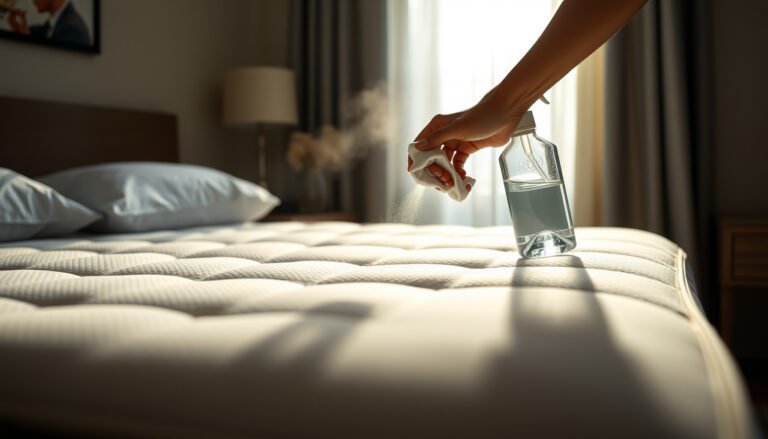
– Wipe hard surfaces with a damp cloth (dry dusting can re-circulate particles).
Clean the bed zone like a contamination map
Think in “drop zones.” Dust falls from:
– bedding edges and mattress seams,
– clothing and laundry,
– baseboards and airflow paths,
– curtains and fabric surfaces near the bed.
For a small bedroom, your cleaning sequence should be:
1. Start high to low (curtains/shelves last, floor first if you’re wiping—choose one consistent routine to avoid double work).
2. Work from the bed outward so you don’t drag dust back into the sleeping zone.
3. Use damp wiping on hard surfaces near the bed frame and nightstands.
Pros/cons: what dust reduction can and can’t do
Dust control helps, but it works best as part of a system with encasements and washing.
| Approach | Pros for dust mites | Limits in a small apartment |
|---|---|---|
| HEPA vacuum + damp wipe | Reduces fine particles on floors and nearby surfaces | Doesn’t seal the mattress; allergens still exist inside unless encased |
| Clutter reduction | Cuts dust sources that re-seed bedding | Requires ongoing maintenance; storage habits can drift |
| Fabric management (curtains/throws) | Less fabric = less dust capture | May need compromises for privacy/lighting |
Wash bedding on a schedule that breaks the cycle
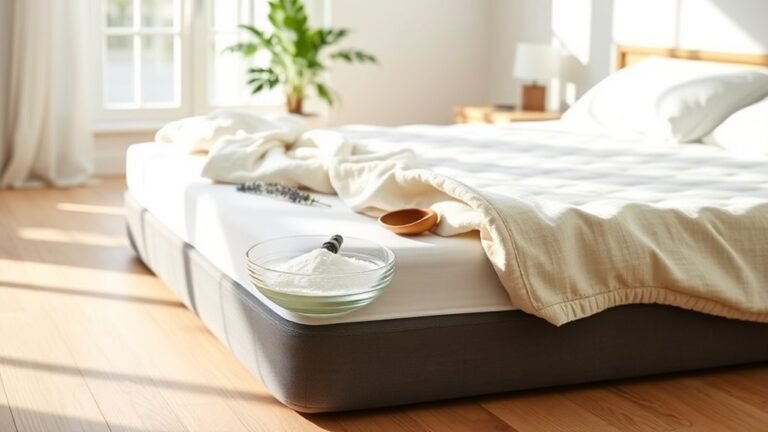
Hot-water washing disrupts dust-mite survival and reduces allergen buildup on linens. For most bedding fabrics, the goal is to wash in the hottest safe water and dry fully.
According to U.S. CDC allergy guidance, washing bedding in hot water—commonly cited as at least 130°F (54°C)—helps kill dust mites.
According to dust-mite prevention guidance from major health organizations, incomplete drying can leave moisture that worsens odor and allergen persistence.
– Wash sheets, pillowcases, and duvet covers regularly using your care-label guidance for the bedding materials.
– Use the hottest water temperature allowed for your linens (if hot-water temperature is specified by a source, use it; otherwise follow manufacturer labels).
Use at least 130°F (54°C) when fabric care labels allow.
– Dry completely on high heat if the fabric allows, because incomplete drying can leave moisture that encourages odor and uneven cleanliness.
What “regular” should mean when space is tight
In a small apartment, the key isn’t only washing—it’s ensuring your clean items actually stay clean between washes. Without extra storage space, bedding can get re-exposed to room dust.
A workable routine is:
– Wash weekly for sheets and pillowcases (and duvet covers as your routine allows).
– Keep extra linens in sealed plastic or tightly covered containers so they don’t become a dust reservoir.
Moisture & Bedding Thresholds Used for Dust-Mite Prevention (US Guidance)
| # | Control target | Recommended limit | Equivalent / condition | Effectiveness |
|---|---|---|---|---|
| 1 | Bedroom humidity | Below 50% RH | Prevents dust-mite thriving conditions | ★★★★★ |
| 2 | Comfortable indoor humidity band | 30–50% RH | Supports moisture control | ★★★★☆ |
| 3 | Wash water temperature | ≥ 130°F | ≥ 54°C (when fabric allows) | ★★★★★ |
| 4 | Bedding wash frequency | Weekly | Sheets & pillowcases baseline | ★★★★☆ |
| 5 | Drying | Tumble dry hot | Finish drying completely | ★★★★☆ |
| 6 | Mattress cover type | Fully zippered | All sides sealed, allergen barrier | ★★★★★ |
| 7 | Nearby dust sources | Limit fabric clutter | Reduce piled textiles near bed | ★★★☆☆ |
Set up your bedroom to limit re-contamination in tight spaces
A dust-mite prevention routine fails when “almost clean” items get re-exposed immediately after washing. In a small apartment, the fix is layout and storage discipline: keep clean bedding away from dust reservoirs and ensure airflow around the bed.
Keeping bedding and linens in sealed storage reduces re-exposure to settled dust in bedrooms with limited space.
Dust mites benefit from humid, sheltered micro-environments, so controlling airflow around closets and bed edges supports prevention.
– Place the bed so there’s airflow around it and avoid stuffing bedding, boxes, or laundry piles right next to the mattress.
– Rotate bedding so you’re not reusing “almost clean” items repeatedly in a small room.
– If you store items in the bedroom, store them in sealed containers rather than open bins that collect dust.
Layout moves that matter most in small apartments
You don’t need a full renovation. Focus on these high-leverage adjustments:
– Distance from walls: If the bed is pressed into a wall, air movement and drying time for bedding and humidity control become less reliable.
– Curtains and heavy textiles: If curtains hang close to the mattress, they can act like an allergen collector.
– Laundry workflow: If laundry piles sit near the bed, allergens can migrate to clean linens while you work.
Rotate bedding with intention
Rotation isn’t about “more laundry”—it’s about reducing the number of times bedding gets exposed between washes. If you have a duvet that’s used daily, consider:
– keeping it encased (cover layer),
– washing the cover on your schedule,
– and not letting it become a dust-catching surface during the week.
What can go wrong (and how to adjust)
Most dust-mite setbacks come from small gaps—either in encasement fit or in moisture and cleaning consistency. The adjustment is to diagnose which failure mode you’re seeing and correct it fast.
Even a high-quality encasement can fail if sizing is incorrect or seams shift, creating gaps that allow allergen exposure.
Encasements reduce exposure, but they don’t eliminate dust-mite conditions created by high indoor humidity.
– Gaps in coverage: If the encasement doesn’t fully fit your mattress height or shifts during the night, dust can enter along seams or edges.
– Moisture ignored: If humidity stays high, dust mites can keep thriving even with good encasements—fixing dampness is often the missing step.
– Over-cleaning that damages materials: Some organic mattresses and toppers have specific care limits; always follow the mattress label to avoid premature wear.
Three troubleshooting checks you can do this week
1. Check the zipper line: Look for creases that suggest the zipper isn’t fully pulling closed.
2. Confirm moisture reality: Use a hygrometer rather than guessing.
3. Verify linen care compliance: Confirm your linens still tolerate washing and drying at the recommended hot settings.
Practical verdict: do this, but know the limits
The most reliable strategy in a small apartment is a sealed, fully zippered dust-mite encasement paired with hot-water bedding washing and active humidity control. This combination reduces exposure at the source (mattress) and in the environment (moisture and settled dust), which is exactly where dust mites “win.”
Dust-mite prevention guidance commonly emphasizes sealing the mattress and using hot-water laundry to reduce allergens where people breathe.
For best results, environmental controls (especially humidity) should run alongside bedding hygiene rather than replacing it.
Pros and cons (so you can choose realistically)
| What you gain | What to watch |
|---|---|
| Lower dust-mite allergen exposure because the mattress surface is sealed. | Fit matters: a slightly wrong size or shifted zipper can leave gaps. |
| Hot-water washing reduces allergens on frequently contacted linens. | Bedding may wear faster if care-label limits aren’t followed. |
| Humidity control targets dust-mite survival conditions instead of only cleaning the results. | Dehumidifiers and monitoring add a small ongoing maintenance task. |
– If you can encase the mattress properly and keep up with washing, this is one of the most reliable approaches for a small apartment.
– Downsides: encasements can make the bed feel warmer or slightly different, and they require correct sizing and regular checking so zippers stay sealed.
– Skip (or slow down and ask a professional) if you can’t maintain moisture control or you have ongoing severe symptoms—dust-mite steps can help, but they aren’t a substitute for medical advice.
Quick checklist (save this)
| Task | What to do | How often |
|---|---|---|
| Mattress encasement | Fully zippered, correct size, covers top + sides | Once, then check fit |
| Humidity control | Keep bedroom moisture at a target recommended by a source | Ongoing (monitor) |
| Bedding wash | Wash allowed fabrics in the hottest safe water; dry fully | Weekly |
| Bedroom dust control | Vacuum + damp wipe; reduce dust near bed | Regularly |
| Apartment setup | Reduce nearby fabric clutter and store items sealed | Ongoing |
Frequently Asked Questions
What is the best way to protect an organic mattress from dust mites in a small apartment?
Use an allergen-proof encasement designed to block dust mites and reduce exposure to allergens. Pair it with regular hot laundering of bedding and keep the mattress area clean and dry, since humidity can worsen mite activity. In a small apartment, prioritize consistent ventilation and avoid clutter around the bed to limit dust buildup.
How do I choose a dust mite mattress protector that won’t damage my organic mattress?
Look for a tightly woven, zippered allergen-proof mattress encasement that’s breathable and fits securely to reduce gaps where dust mites can enter. If your organic mattress uses natural fibers like cotton or wool, choose protectors labeled as non-toxic and safe for sensitive skin, ideally without harsh chemical finishes. Check that the encasement is machine-washable so you can keep the protector hygienic without harming the mattress materials.
How can I reduce dust mites in a small apartment without having space for deep cleaning?
Wash all bedding weekly (or at least every 1–2 weeks) in hot water and dry on high heat when possible, focusing on sheets, pillowcases, and mattress protectors. Use a HEPA vacuum on the mattress seams, bed frame, and nearby floor areas regularly, and keep pets off the bed if you have them. For small spaces, use a dehumidifier or aim for indoor humidity around 30–50% to discourage dust mites.
Why does humidity matter for dust mites, and what humidity target should I aim for?
Dust mites thrive in warm, humid environments, so controlling moisture is one of the most effective strategies for mattress protection. Aim for indoor relative humidity between 30–50% to make conditions less favorable for dust mite survival. In apartments, running a dehumidifier or using ventilation after showering and cooking can significantly improve air moisture levels around the bed.
Which cleaning routine works best for maintaining an organic mattress while preventing dust mite buildup?
Start with consistent bedding care: wash sheets and pillowcases weekly, and keep a dust-mite-proof encasement on the mattress year-round. Vacuum the mattress surface and bed area with a HEPA vacuum every few weeks, focusing on seams, edges, and any fabric folds. Avoid spraying fragrances or harsh chemicals directly on organic materials; instead, use gentle spot cleaning only when needed and keep the room well-aired to reduce dust accumulation.
📅 Last Updated: October 29, 2026 | Topic: How to Protect an Organic Mattress from Dust Mites in a Small Apartment | Content verified for accuracy and freshness.
References
- House dust mite
- https://www.cdc.gov/parasites/dustmites/
- https://www.epa.gov/asthma/asthma-triggers-dust-mites
- https://www.mayoclinic.org/diseases-conditions/allergies/symptoms-causes/syc-20352190
- https://pubmed.ncbi.nlm.nih.gov/?term=dust+mite+mattress+encasement
- https://scholar.google.com/scholar?q=dust+mite+mattress+encasement+protective+cover+washing+temperature Google Scholar
- https://scholar.google.com/scholar?q=house+dust+mite+control+humidity+small+apartment Google Scholar
- https://scholar.google.com/scholar?q=dust+mite+allergen+avoidance+bedroom+interventions+mattress+encasing Google Scholar