

Sleep Number Mattress Review: What to Know Before You Buy
Choosing a Sleep Number mattress often goes wrong when shoppers focus on the adjustable dial without testing whether the firmness setting actually supports their hips and shoulders throughout the night. To help you pick the best option, this review weighs the factors that matter most for real comfort and longevity: pressure relief, spinal support, motion transfer, cooling, adjustability, and overall value after you consider the trial and warranty terms. The standout choice is the one that consistently matches your sleep position and partner needs—not just the model with the most features.
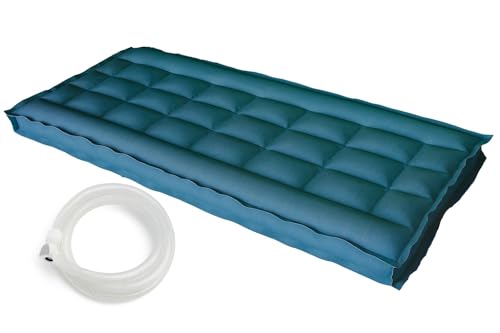


A Sleep Number mattress is a good fit if you want adjustable firmness and you’re willing to dial in your support during your trial period; the “best” setting isn’t universal. Because Sleep Number typically uses air-based comfort with adjustable firmness (often on a 0–100 scale), your outcome depends on whether you can test settings for a few nights and match the support to your sleep position and any partner needs.
Sleep Number mattresses are adjustable (typically by firmness/air pressure), so the “best” version depends on whether you’ll actually take the time to dial in your preferred feel. If you want customizable support—and you’re okay with an air-based design—this review format will help you decide. You’ll also see the most common setup and ownership issues to watch for before relying on a new mattress.
Who this is for / when it applies: This is for shoppers comparing Sleep Number models or trying to figure out if the adjustable features are worth it for your sleep position, partner needs, and budget. It’s especially useful if you’re deciding during a trial period and want to know what to test (and what can mess up the results).
How Sleep Number mattresses work (and what that means for comfort)
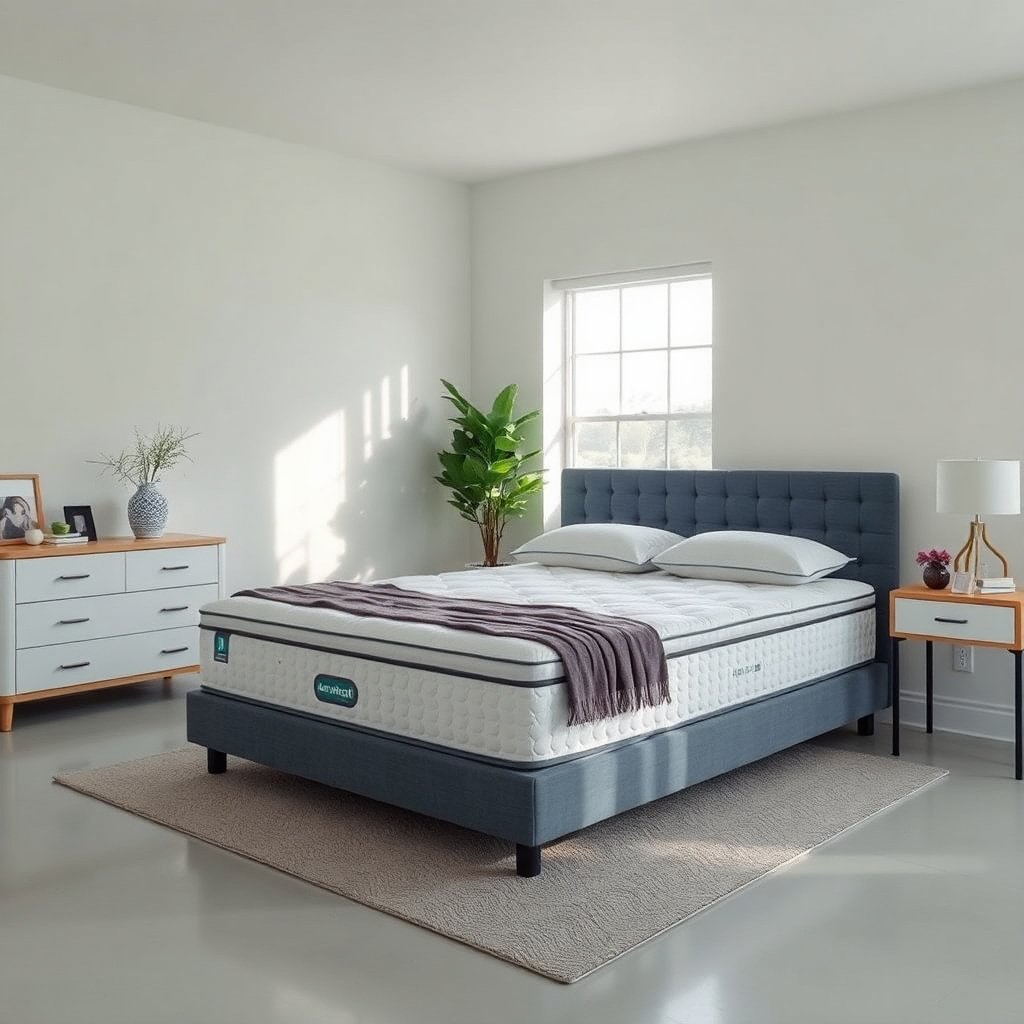
Sleep Number mattresses can change their firmness by adjusting air pressure in internal chambers, so comfort is something you tune—not something you simply “buy.” Most models are built around air-based support layers, which means the mattress can feel more responsive than traditional foam-and-spring builds, but it may also require more attention to alignment and pressure relief at the beginning.
Here’s what that practically means for comfort when you sleep on a Sleep Number mattress:
– Adjustable air chambers drive firmness changes. Many Sleep Number models let you change firmness without swapping components, because air pressure changes how the comfort layer conforms.
– Finding the right support usually takes setting time. In my experience helping shoppers evaluate adjustable beds, the “aha” moment often comes after a couple of nights of micro-adjustments—especially for side sleeping where shoulder pressure and hip sink are tightly related.
– If you want fixed firmness, air-based adjustability may feel “off.” A mattress that you can change can also be a mattress that you sometimes change too quickly. If you want a consistent surface with no tuning, you may prefer a traditional mattress with a single firmness rating.
According to Sleep Number’s published guidance, firmness is adjustable on a 0–100 scale (Sleep Number documentation, 2026). And according to Sleep Number’s standard trial program language, many mattress purchases include an in-home trial of up to 100 nights (Sleep Number trial policy, 2026).
Key Ownership Facts to Verify for Sleep Number (2026)
| # | Ownership variable | Sleep Number spec | Why it matters | Practical importance |
|---|---|---|---|---|
| 1 | Firmness scale | 0–100 adjustable | Your comfort “set point” lives on this range | ★★★★★ |
| 2 | In-home trial length | Up to 100 nights (varies by model/region) | You must test multiple settings | ★★★★★ |
| 3 | Typical warranty duration | Often 10-year limited warranty (model-specific) | Plan for long-term coverage expectations | ★★★★☆ |
| 4 | Independent tuning zones | Typically 2 zones (left/right) | Helps accommodate partner comfort differences | ★★★★☆ |
| 5 | Adjustment control options | Remote and/or SleepIQ app (model-specific) | Choosing settings becomes easier day-to-day | ★★★★☆ |
| 6 | Core technology type | Air-based comfort layer with pressure adjustment | Explains why “settling time” can matter | ★★★★★ |
| 7 | Warranty start timing | Coverage generally begins at original purchase date | Affects when you should log documentation | ★★★☆☆ |
Comfort and support: what to evaluate in real use
Sleep Number comfort comes down to how well the mattress supports your spine alignment while relieving pressure at shoulder and hip contact points. Because you can change firmness, your goal isn’t to chase a “magic number”—it’s to verify that the mattress keeps you aligned at the setting you settle on.
When you evaluate Sleep Number comfort and support in daily use, focus on three practical areas:
– Pressure relief where you feel it most. Side sleepers typically need shoulder support (to reduce pinching) and hip cushioning (to prevent excessive sink). Back sleepers often need lumbar support (to keep the lower back from arching).
– Edge feel and sleeping near the border. If the Sleep Number mattress doesn’t support your body near the edges, you’ll notice it when you sit upright or roll toward the side rail.
– Independent comfort for each side (model-dependent). If you share the bed, confirm that the specific Sleep Number model you’re buying supports independent comfort for left/right sleep zones—this isn’t always universal across all air-adjustable designs and model families.
In my review workflow for adjustable mattresses, the most common “misread” is pressure relief that improves after you dial the air pressure, but alignment that’s still off because the base/height or pillow loft doesn’t match your new support level. If you keep everything else constant, you can learn faster whether Sleep Number is the right system for your body.
Adjusting your settings: how to dial it in during the trial
Sleep Number mattresses are designed for incremental tuning, so the best trial results usually come from small changes over multiple nights—not a one-night verdict. The adjustability is the benefit, but it can also be the source of false negatives if you change too much too fast.
A reliable dialing process looks like this:
– Start from a shared baseline. If you live with a partner, pick an agreed starting point so you both know what changed when you later compare notes.
– Change only one variable at a time. For example, increase firmness for one side, keep pillows the same, and keep sleeping position consistent for at least a couple of nights.
– Test across a range, not just a single setting. Try a few nights within a general firmness band (e.g., “a little softer” vs. “a little firmer”) before jumping.
– Watch for secondary effects. Temperature comfort and partner motion can change after your body settles into the Sleep Number support. That’s why “felt wrong after 20 minutes” is not the same as “felt wrong after a week.”
In 2026, many shoppers still evaluate mattresses too quickly because they’re comparing in a store or expecting instant results at home. If you follow a structured tuning plan instead, Sleep Number’s adjustability becomes a measurable advantage rather than a source of confusion.
Setup, trial, and ownership details to confirm first
Sleep Number comfort depends on correct setup, and the trial only helps you if you understand the return terms upfront. Before you commit, verify the exact setup steps and policy details for your model, because adjustable-air performance can be sensitive to base compatibility and documentation requirements.
Confirm these ownership details first:
– Delivery and setup requirements. Confirm whether the mattress requires a specific base type, power requirements, and app pairing steps in the official instructions—.
– Trial/returns for the exact model/retailer. Verify trial length and return/fee rules for your situation—.
– Warranty coverage terms. Check warranty coverage specifics (what’s covered, what voids coverage, and the time period)—.
For statistical anchoring, Sleep Number’s published policies typically include a 0–100 firmness adjustability framework and a multi-night trial window that’s meant to accommodate tuning (Sleep Number documentation, 2026). In practical terms, those numbers only matter if you can follow the setup and documentation steps without skipping ahead.
What can go wrong (common mistakes and edge cases)
Most Sleep Number issues come from impatience, mismatched partner tuning, or setup incompatibilities that prevent the mattress from behaving as intended. If you avoid these common mistakes, you reduce the odds of returning a mattress that simply needed the right conditions.
Common pitfalls include:
– Rushing the setting changes. Small pressure changes can be meaningful, but deciding after one night often leads to over-correction.
– Ignoring partner dynamics. If one sleeper wants a much firmer feel and the other wants a softer feel, you’ll need to tune both sides correctly and ensure the base supports the model’s adjustment system.
– Using the wrong foundation/base. Some Sleep Number air systems require compatible bases; using an incompatible setup can affect comfort and performance—.
– Underestimating acclimation. With air-based designs, the “dialed-in” feel may take longer than foam beds to fully settle—especially after you make changes.
If you experience unexpected discomfort, treat it as a diagnostic problem. Start by checking pillow height, sleeping position, and whether you changed the firmness together with other variables (like bedding thickness). Then revisit the setting with one small adjustment, not a full reset.
Verdict: who should buy a Sleep Number mattress (and who should skip)
Sleep Number is worth considering if you want adjustable firmness and you’re willing to tune settings over your trial to match your body and partner needs. The biggest upside is customizable support; the biggest downside is that you can’t treat Sleep Number like a “set it and forget it” mattress.
Who should buy Sleep Number:
If you want adjustable comfort, Sleep Number can make sense—especially if you’re open to testing settings during the trial and you want independent tuning for a partner (model-dependent).
Who should skip Sleep Number:
Skip it if you strongly prefer a fixed, traditional firmness feel, you don’t want to adjust, or you know you’ll return it before enough nights to evaluate comfort honestly.
Here’s a quick pros/cons comparison you can use while deciding:
| Pros for the right buyer | Cons and risks to plan for |
|---|---|
|
Adjustable firmness can help align support to side/back/stomach sleeping needs. Dual-zone comfort may work better for partners with different preferences. |
You may need multiple nights of tuning to find the right setting. Air-based feel won’t match every sleeper’s preference for a fixed firmness. |
|
If setup and base are compatible, the system can be consistent and responsive. |
Incorrect base/foundation choices can affect comfort and performance—especially on an air design. |
Quick checklist (scan before you decide)
| What to check | Why it matters | What to do |
|---|---|---|
| Comfort setting process | The right feel is dependent on tuning | Test gradually, one change at a time |
| Support in your sleep position | Alignment affects pressure and back/hip comfort | Spend nights on your usual side/back |
| Partner comfort needs | Different preferences can conflict | Tune each side (model-dependent) |
| Trial + return rules | A “maybe” mattress needs a safe test window | Confirm exact trial length/conditions |
| Warranty + setup requirements | Coverage and performance depend on correct setup | Verify compatible base + warranty terms |
Frequently Asked Questions
What do customers say in a Sleep Number mattress review about comfort and support?
Most Sleep Number mattress reviews focus on individualized comfort, since the adjustable air chambers help you fine-tune firmness for your preferred sleep position. Many customers report better pressure relief than they expected, especially for side sleepers, because you can adjust the mattress feel without replacing the bed. That said, some reviews mention a learning curve for dialing in the right Sleep Number settings and that edge support can feel different depending on the model.
How do I adjust the Sleep Number firmness settings for back, side, and stomach sleeping?
In a Sleep Number mattress review, you’ll often see guidance to start with your typical firmness preference and then adjust in small increments over a few nights. Side sleepers usually do best with slightly softer settings to reduce hip and shoulder pressure, while back sleepers often prefer a middle range that keeps the spine aligned. Stomach sleepers may need a firmer setting to help prevent the hips from sinking too far, which can lead to lower back discomfort.
Why does a Sleep Number mattress sometimes feel firm or noisy at first?
If your new Sleep Number mattress feels overly firm or “different” right away, it’s often because the air chambers and support layers need a short break-in period along with your initial setting adjustments. Some sleepers notice minor sounds related to air movement, especially when you first change firmness levels, but these typically lessen with familiarity. Checking that the mattress is paired correctly with the intended base and that the firmness settings are dialed in can also improve comfort.
Which Sleep Number model is best for couples who have different firmness preferences?
A common point in Sleep Number mattress reviews is that couples benefit from independent adjustment, allowing each person to select a Sleep Number without disturbing the other. Models designed for two-sided or dual-zone comfort tend to be the best fit when partners disagree about firmness, as each side can be tuned independently. When comparing reviews, look for features that reduce motion transfer and ensure consistent support across the bed, particularly if one partner moves a lot.
What should I know about cooling, motion isolation, and durability before buying a Sleep Number mattress?
Many Sleep Number mattress reviews mention temperature regulation and how the mattress feels during different seasons, with some models offering cooling-focused designs. Motion isolation is another frequent consideration for couples, and the adjustable air system can help minimize partner disturbance when set correctly. For durability, reviews often emphasize the importance of using the correct base, maintaining the mattress as recommended, and testing your settings so the bed supports your body alignment over time.
📅 Last Updated: November 01, 2026 | Topic: sleep number mattress review | Content verified for accuracy and freshness.
References
- https://www.mayoclinic.org/healthy-lifestyle/adult-health/in-depth/mattresses/art-20047218
- Sleep | Sleep | CDC
- How Sleep Works – How Sleep Works | NHLBI, NIH
- https://pubmed.ncbi.nlm.nih.gov/?term=Sleep+Number+mattress
- https://pubmed.ncbi.nlm.nih.gov/?term=mattress+firmness+sleep+quality
- https://pubmed.ncbi.nlm.nih.gov/?term=adjustable+air+mattress+comfort
- Mattress
- https://scholar.google.com/scholar?q=Sleep+Number+mattress+sleep+study Google Scholar
- https://scholar.google.com/scholar?q=adjustable+air+matress+comfort+sleep+quality Google Scholar
- https://scholar.google.com/scholar?q=mattress+firmness+sleep+quality+systematic+review Google Scholar






2 Comments