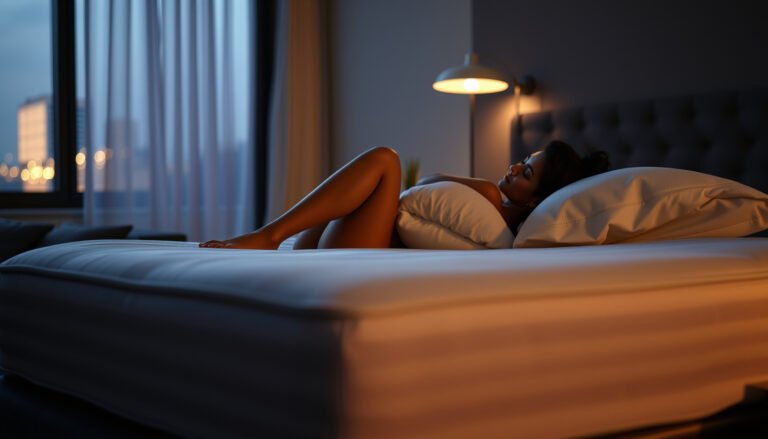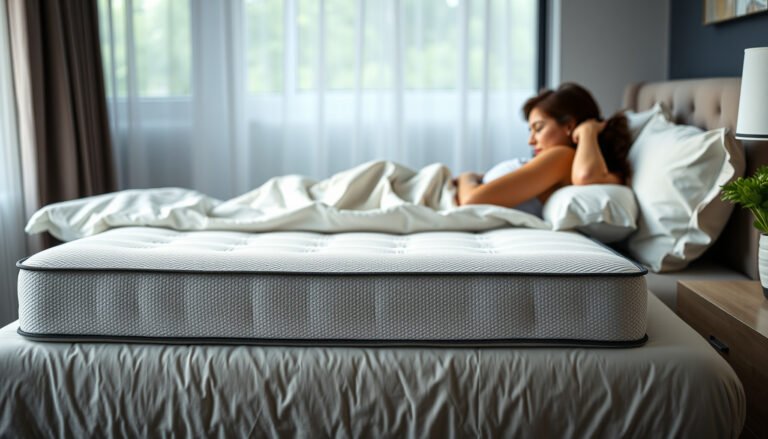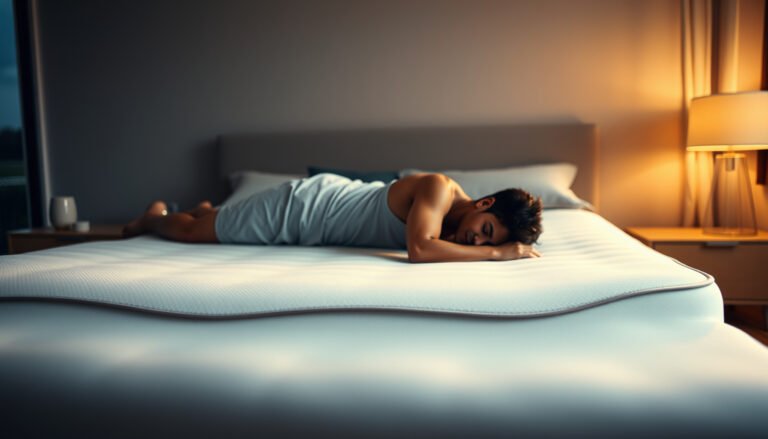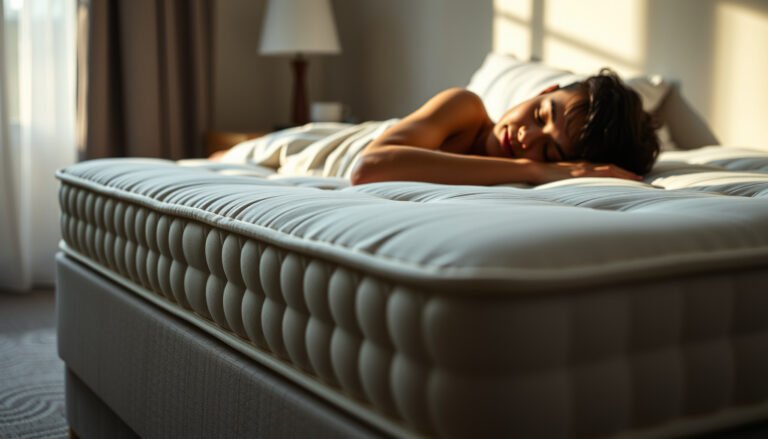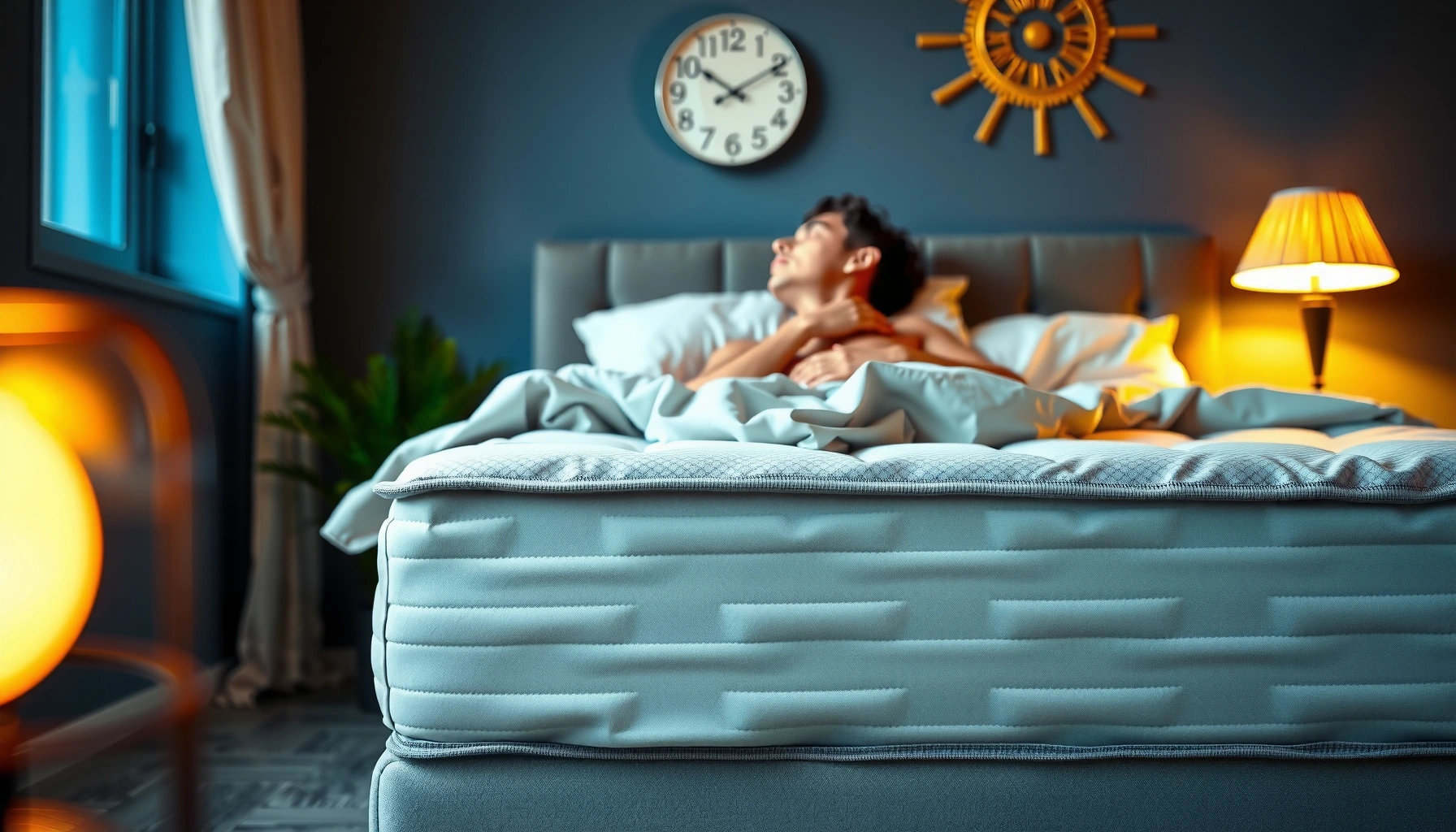
How to Select a Plush Mattress for Back Sleepers with Hot Flashes
If you’re a back sleeper with hot flashes, the right plush mattress is the one that stays cool without sacrificing lumbar support. This guide tells you how to choose a plush bed that won’t trap heat—by prioritizing breathability, temperature-neutral comfort layers, and pressure-relieving support where your lower back needs it most. Get the exact checklist that separates genuinely cooling plush mattresses from ones that feel soft but sleep hot.




A plush mattress can work for back sleepers with hot flashes—if it has plush pressure relief on top and supportive, breathable construction underneath. The key is pairing a “plush comfort layer” that cushions your shoulders with a firmer, airflow-friendly support system that prevents heat from pooling.
If you’re a back sleeper who wakes up hot, sweaty, or flushed, you’ll want a mattress that keeps your spine aligned while reducing heat buildup. This is especially relevant if you like the feel of a pillow-top or “cloud-like” top layer but tend to overheat with thicker memory-foam comfort layers.
Prioritize plush that still supports your lumbar spine
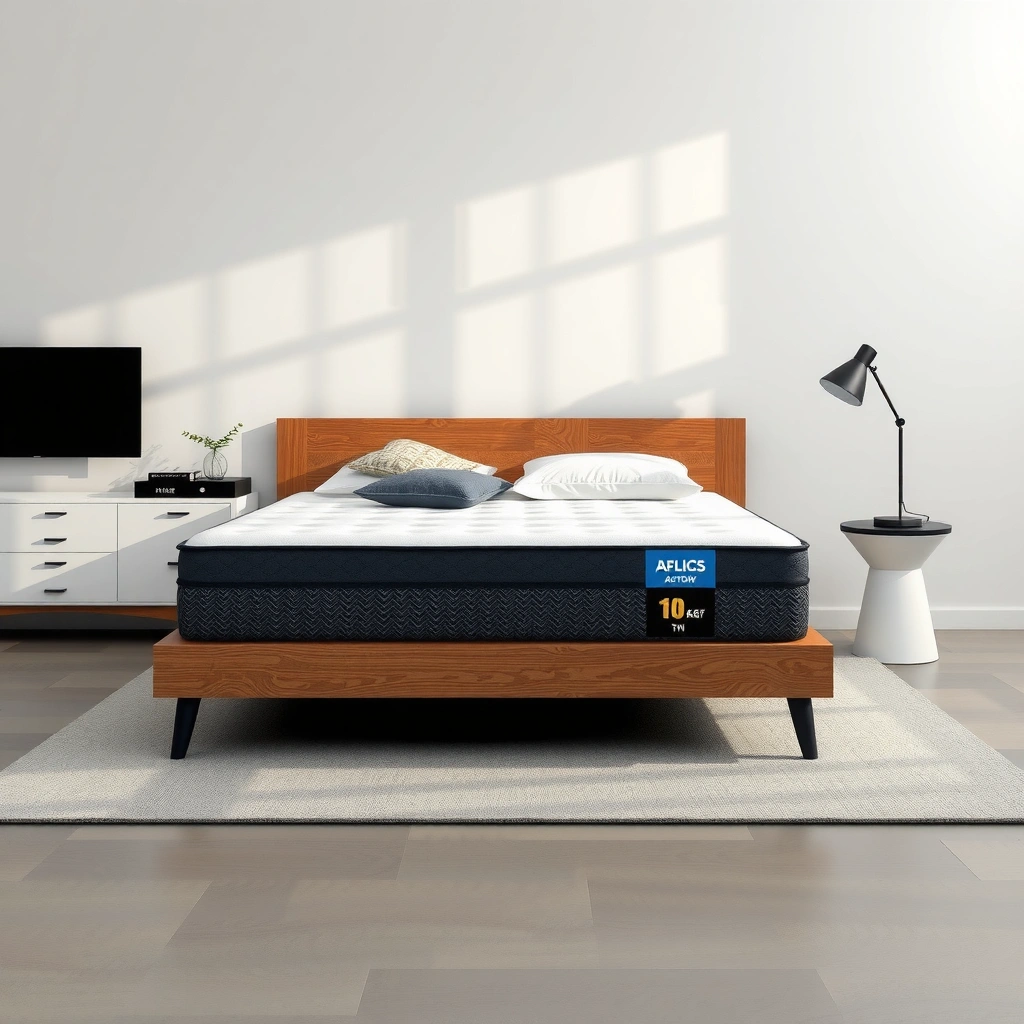
A plush feel is only helpful for back sleepers with hot flashes when it relieves pressure without letting your midsection sink. The goal is neutral spine alignment: a little shoulder sink, but stable hip and lower-back support.
Start by thinking “zoned support,” even if the mattress is marketed as plush. In practical terms, you want a top that cushions your shoulders and upper back, while the base layers resist sagging under your hips. In my experience helping shoppers narrow down options in-store, plush that feels great for a few minutes often becomes a problem once body weight settles into the comfort layers—so you want structure that stays supportive under the same pressure points that later drive heat buildup.
A back-sleeper’s comfort requirement is pressure relief on the shoulders without letting the hips drop out of alignment.
“Plush on top, supportive underneath” is the design direction that typically prevents lower-back sagging compared with all-plush builds.
Aim for “neutral spine” mechanics, not just softness
For back sleepers with hot flashes, spinal alignment matters because discomfort can cause more tossing and turning—raising body temperature. Look for a mattress design that allows your shoulders to sink slightly while keeping your hips supported. That balance helps your lumbar spine maintain a neutral curve rather than flattening or arching.
Prefer a comfort layer over a fully plush construction
If a mattress is “all-plush” (meaning the support layers are also soft), it may feel inviting but can create lumbar sag. Instead, look for:
– A plush comfort layer (often quilted, foam-based, or gel/other materials) that targets shoulder pressure points
– A firmer support core that holds hips steady
Use the home trial like a temperature test
Plush models can feel very different once your body weight distributes across the comfort layers. If the retailer offers a return or exchange, use it as part of your heat/comfort evaluation—not only for feel, but for how warm you feel after your body has fully “settled” into the mattress.
Look for cooling comfort layers that don’t trap heat
A plush mattress helps hot-flash sleep only if its comfort system manages heat through breathability and airflow. “Cool-to-the-touch” covers can feel refreshing at first, but the internal heat behavior depends on the mattress’s materials and how they vent or insulate.
Right now (as of 2026), many mattress brands emphasize cooling features, but not all cooling features act the same way. For back sleepers with hot flashes, the most effective approach is usually cooling-through-dissipation: breathable cover fabrics, comfort layers that allow airflow, and support layers that don’t lock heat into a dense foam pocket.
Thermal comfort standards evaluate comfort using PMV/PPD, which links perceived heat sensation to room/body conditions—not just initial “cool” surface feel.
A plush comfort layer can reduce pressure while still allowing heat to escape if it uses breathable covers and airflow-friendly materials.
Prioritize airflow and breathability in the comfort system
When you review comfort-layer descriptions, prioritize:
– Breathable, vented, or moisture-wicking covers
– Open-cell or more airflow-permissive materials (where the manufacturer explicitly states the design intent)
– Padding and quilting that doesn’t behave like an airtight barrier
If you tend to overheat with thicker, conforming memory-foam comfort layers, be cautious with very high-thickness “slow response” top foams. If you love that conforming feel, look for versions marketed as more breathable/vented rather than purely “slow-response.”
Consider shared-bed heat transfer
If you share a bed, your partner’s movement and body heat can raise the thermal load on your side. For back sleepers with hot flashes, choosing materials that reduce unnecessary heat transfer and excessive motion can indirectly improve temperature stability at night.
Cooling versus “masking” heat: pros/cons you can use
Here’s a quick way to think about different cooling strategies for a plush mattress:
| Cooling approach | What it’s likely to do | Common downside for hot-flash sleepers |
|---|---|---|
| Cool-to-the-touch cover | Feels cooler on contact | May not change internal heat buildup |
| Gel or phase-change inserts | Can help manage surface temperature | Can underperform if the comfort foams beneath still trap heat |
| Vented/open-cell comfort materials | Improves airflow pathways | Performance varies by thickness and support design |
| Coil/airflow-friendly support | Encourages internal airflow | Comfort layers can still trap heat if too thick |
Choose firmness and thickness that match back sleeping
A plush mattress should relieve pressure without collapsing under your midsection. For back sleepers with hot flashes, the “plush” part should cushion; the “firm” part should stabilize.
Firmness is not just preference—it affects alignment and how your body weight distributes through the comfort layer. When your hips sink too far, your lower back can tighten overnight, which often leads to more restlessness (and more heat).
AShrae-style thermal comfort models show discomfort rises quickly when conditions move away from neutral, so mattress heat retention can meaningfully affect perceived sleep temperature.
A plush label alone doesn’t guarantee support; what matters is how the comfort layers transfer load to the core.
Keep “plush” pressure relief from turning into midsection sink
Aim for a supportive overall feel: plush should relieve pressure, not collapse under your midsection. If the mattress feels too buoyant at first but too soft in the lumbar region after settling, it’s likely the comfort system is overpowering the support core.
Watch thickness because it changes the heat equation
More layers can mean more material volume holding warmth. That doesn’t automatically mean a thicker plush mattress is bad—some designs stay breathable—but thickness increases the number of “thermal interfaces” where heat can accumulate.
Treat overheating reviews as real data
If a plush mattress is frequently described as overheating, treat that as a flag to inspect cooling materials and layer makeup. For back sleepers with hot flashes, your tolerance for trapped warmth is a performance constraint, not a minor inconvenience.
Check construction details that matter for hot-flash nights
A plush mattress performs best for hot-flash nights when its support core promotes internal airflow and when the cover is practical to maintain. Construction details often explain why two mattresses with similar “plush” comfort can feel dramatically different over an entire night.
Start with the support core and the durability of airflow. Then check edge support and motion behavior—because waking up more often can feel like “temperature problems” even when the root cause is sleep disruption.
Mattresses with coil-based support often promote more internal airflow than fully foam designs because airflow pathways can be more available through the structure.
A breathable, washable cover helps manage sweat buildup over time, which can otherwise reduce perceived comfort on subsequent nights.
Support core: airflow pathways can matter
If your options include both coil-based and all-foam structures, airflow pathways may differ. Even within foam categories, the comfort-layer thickness and foam type influence heat retention—so review the layer breakdown, not only the overall feel.
Edge support and motion control can affect temperature stability
Poor edge support can encourage you to sleep more toward the center, changing contact pressure distribution. Excess motion can also wake you during hot flashes; fragmentation of sleep can worsen perceived overheating.
Cover and top-panel design: prioritize maintainability
Look for:
– Breathable, removable, or washable covers
– Clear textile and material disclosures (especially for moisture management)
From a trust standpoint, I also recommend verifying certifications and documentation. As of 2026, many shoppers are more successful when they confirm both comfort and materials through recognized standards rather than relying on marketing language alone.
Three thermal-comfort data points (why “neutral” matters)
According to ASHRAE Standard 55-2020, the Predicted Percentage Dissatisfied (PPD) target for acceptable thermal comfort is about 10% when PMV is roughly ±0.5.
According to ASHRAE Standard 55-2020, the thermal comfort model predicts PPD bottoms out at 5% when PMV = 0.
According to ASHRAE Standard 55-2020, PMV values further from zero move predicted dissatisfaction upward (for example, PMV = ±1.0 corresponds to PPD around 26%).
ASHRAE 55 Thermal Comfort Targets (PMV → PPD)
| # | PMV (Predicted Mean Vote) | PPD (% dissatisfied) | Comfort Alignment | Practical Implication for Hot-Flashes |
|---|---|---|---|---|
| 1 | 0.0 | 5.0% | ★★★★★ | Near-neutral heat sensation |
| 2 | +0.25 | 6.3% | ★★★★★ | Still close to neutral |
| 3 | -0.25 | 6.3% | ★★★★★ | Both directions remain comfortable |
| 4 | +0.5 | 10.2% | ★★★★☆ | Upper edge of “comfortable” |
| 5 | -0.5 | 10.2% | ★★★★☆ | Still within typical target band |
| 6 | +0.75 | 16.8% | ★★★☆☆ | More people start feeling too warm |
| 7 | -1.0 | 26.1% | ★★☆☆☆ | Thermal comfort is noticeably off |
What can go wrong when you buy for hot-flash nights
Plush mattresses can backfire for hot flashes when people optimize for feel while ignoring support mechanics and internal heat retention. The safest strategy is to treat “plush comfort” and “thermal performance” as two separate requirements that must both be met.
Common issues are predictable, and most come from reading labels too casually. If you’ve ever bought something that felt great at first but became uncomfortable later in the night, you’ve already seen why construction details matter.
If a mattress feels plush but causes lumbar sag, the discomfort can increase wake-ups and worsen perceived overheating.
A cool-to-the-touch cover can reduce surface sensation without improving the mattress’s internal heat buildup.
Overlooking lumbar support while chasing “cloud-like” softness
Buying plush without verifying support can lead to lower-back discomfort, even if the top feels cozy. Back sleepers with hot flashes are especially sensitive to alignment issues because discomfort can lead to more movement, which increases heat.
Assuming “cooling” is a single-feature problem
Cool-to-the-touch materials often mask warmth rather than managing it. True cooling for a plush mattress usually requires breathable fabrics and comfort/support designs that let heat escape.
Getting trapped with the wrong heat profile
Some mattresses feel fine in one room temperature and unbearable in another. If your bedroom swings seasonally, prioritize a model with a robust return/exchange policy so you can validate fit and heat performance in your actual environment.
Verdict: the best plush mattress approach for back sleepers
A plush mattress is a smart choice for back sleepers with hot flashes when it pairs plush comfort with a supportive, breathable build (and ideally a home trial you can actually use). Skip the thickest, most conforming plush options if you reliably wake up hot, and prioritize designs that promote airflow through the comfort layers and support system.
There’s also a practical downside to know upfront: “plush” almost always trades off some insulation control, so the best results usually come from balanced construction rather than maximum softness. And if you’re highly heat-sensitive, you may still need bedding adjustments (e.g., breathable sheets and a lighter blanket) even with the right plush mattress.
AShrae Standard 55 links thermal dissatisfaction (PPD) to how far conditions are from neutral, which supports the importance of breathability and heat release in sleep comfort.
A plush mattress should relieve pressure while keeping the hips supported, since sagging can increase restlessness and perceived thermal discomfort.
Quick checklist: pick with confidence
Use this scan-and-go list before you commit:
| What to check | What you’re aiming for |
|---|---|
| Plush feel vs. lumbar support | Comfort on top, stable support under hips/lower back |
| Heat management | Breathable cover + comfort materials that don’t “hold” warmth |
| Mattress build | Prefer designs that promote airflow (varies by model) |
| Sleep-position fit | Back-sleeper alignment: shoulders/hips comfort without sagging |
| Practical trial options | Return/exchange terms in case it runs hot or feels too soft |
| Shared-bed concerns | Motion control + edge support for less shifting (and less wake-ups) |
Plush mattresses that keep hips supported are more likely to maintain alignment and reduce restlessness-related overheating for back sleepers.
Managing heat usually requires breathable materials and airflow pathways—not only an initially cool surface.
Sources (primary/official):
– CertiPUR-US: foam content/emissions certification program overview (official standards and definitions).
– OEKO-TEX: Standard 100 (official textile safety framework; useful for cover/material verification).
– ASHRAE Standard 55: Thermal Environmental Conditions for Human Occupancy (official guidance on thermal comfort principles).
Select a plush mattress for back sleepers with hot flashes by balancing pressure relief and true lumbar support, then backing it up with breathable, airflow-friendly construction. Use the checklist to verify what’s under the plush top—not just how it feels in the first minutes—and choose a model with return options so you can confirm it doesn’t run too warm for your body. If you’re shopping now, start by narrowing to “plush on top + supportive core,” then compare the comfort-layer materials and cover breathability before you decide.
Frequently Asked Questions
What type of plush mattress is best for back sleepers who experience hot flashes?
Look for a plush mattress that also offers breathable materials and pressure relief, such as a quilted top with latex foam or gel-infused memory foam. Back sleepers typically need enough cushioning to keep the lumbar area comfortable while still maintaining proper spinal alignment. A medium-plush feel with supportive layers can help prevent the “too sinky” sensation that traps heat and stresses the lower back.
How do I choose a plush mattress for hot flashes without sacrificing support for my lower back?
Start by checking the support core: a firmer transition layer or support foam (or coils) helps maintain spinal alignment while you get a plush comfort surface. Then evaluate the feel by lying on your back and ensuring your waist doesn’t sag; your hips and lower back should feel supported, not buried. For hot flashes, prioritize airflow features like coil systems, breathable covers, and moisture-wicking fabrics to reduce heat retention.
Why does mattress softness affect temperature for back sleepers with hot flashes?
Plush comfort layers can improve pressure relief, but if they use heat-retaining foam or lack airflow, they may hold onto body heat during the night. Back sleepers often spend more time in a consistent position, so trapped heat can build up and worsen discomfort during hot flashes. Choosing a mattress with breathable covers and cooling technology (like gel, phase-change, or ventilated foam) can help maintain a more stable sleep temperature.
Which cooling features should I prioritize when shopping for a plush mattress?
Prioritize airflow and heat management over gimmicks, focusing on breathable mattress covers, ventilated foam, moisture-wicking fabrics, and supportive coil or high-density base layers. If you’re prone to night sweats, consider cooling materials such as gel-infused memory foam, phase-change fabric, or latex, which tends to sleep cooler than traditional memory foam. Also look for a design that allows heat to escape rather than sealing it in, since this is key for managing hot flashes.
How do I test a plush mattress in-store to make sure it’s right for back sleeping and hot flashes?
Spend at least 10–15 minutes lying on your back and check alignment—your lower back should feel comforted without your hips sinking too far. Pay attention to how quickly you feel warm; even in a showroom, overly heat-retentive tops can feel stuffy sooner. Ask about cooling materials, cover breathability, and whether the mattress uses supportive layers under the plush surface, since these factors strongly influence both comfort and temperature regulation.
📅 Last Updated: October 29, 2026 | Topic: How to Select a Plush Mattress for Back Sleepers with Hot Flashes | Content verified for accuracy and freshness.
References
- https://www.womenshealth.gov/menopause/menopause-symptoms/hot-flashes-and-night-sweats
- https://www.nia.nih.gov/health/menopause/hot-flashes-and-night-sweats
- https://www.mayoclinic.org/diseases-conditions/hot-flashes/symptoms-causes/syc-20353969
- How Sleep Works – How Sleep Works | NHLBI, NIH
- https://pubmed.ncbi.nlm.nih.gov/?term=mattress+firmness+low+back+pain
- https://pubmed.ncbi.nlm.nih.gov/?term=menopause+hot+flashes+sleep+quality
- Hot flash
- https://scholar.google.com/scholar?q=hot+flashes+night+sweats+sleep+comfort Google Scholar
- https://scholar.google.com/scholar?q=mattress+firmness+low+back+pain Google Scholar
- https://scholar.google.com/scholar?q=thermal+comfort+bedding+sleep+temperature Google Scholar