
How to Select a Plush Mattress for Combination Sleepers with Asthma (RV)
You’re parked in your RV, ready to sleep, but the moment you add softness you start noticing asthma triggers like lingering odors or dust. The good news is you can choose a plush RV mattress that supports your shifting sleep positions while minimizing irritants, and you can do it in about an hour of careful comparison. You’ll need to focus on low-emission materials, breathable covers, and firmness support that prevents sink and air-holding.



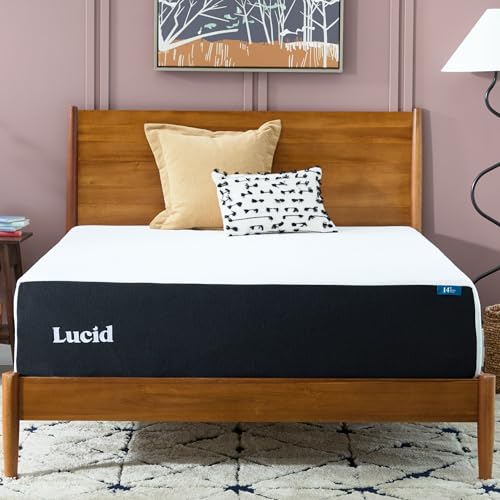
Choose an RV mattress that stays genuinely “plush” for comfort—without adding asthma-triggering odors, harsh materials, or moisture-trapping design flaws. For combination sleepers, the winning strategy is plush pressure relief on top plus a supportive base that limits deep sink and constant repositioning, then an RV-appropriate plan to reduce off-gassing and control humidity.
If you sleep in multiple positions (side/back/stomach) and you or a partner has asthma—especially in an RV where air circulation is harder—this is for you. It’s most relevant if you react to strong odors, dust, or certain foams, and you want comfort without worsening symptoms.
Match plush comfort to combination-sleeper support
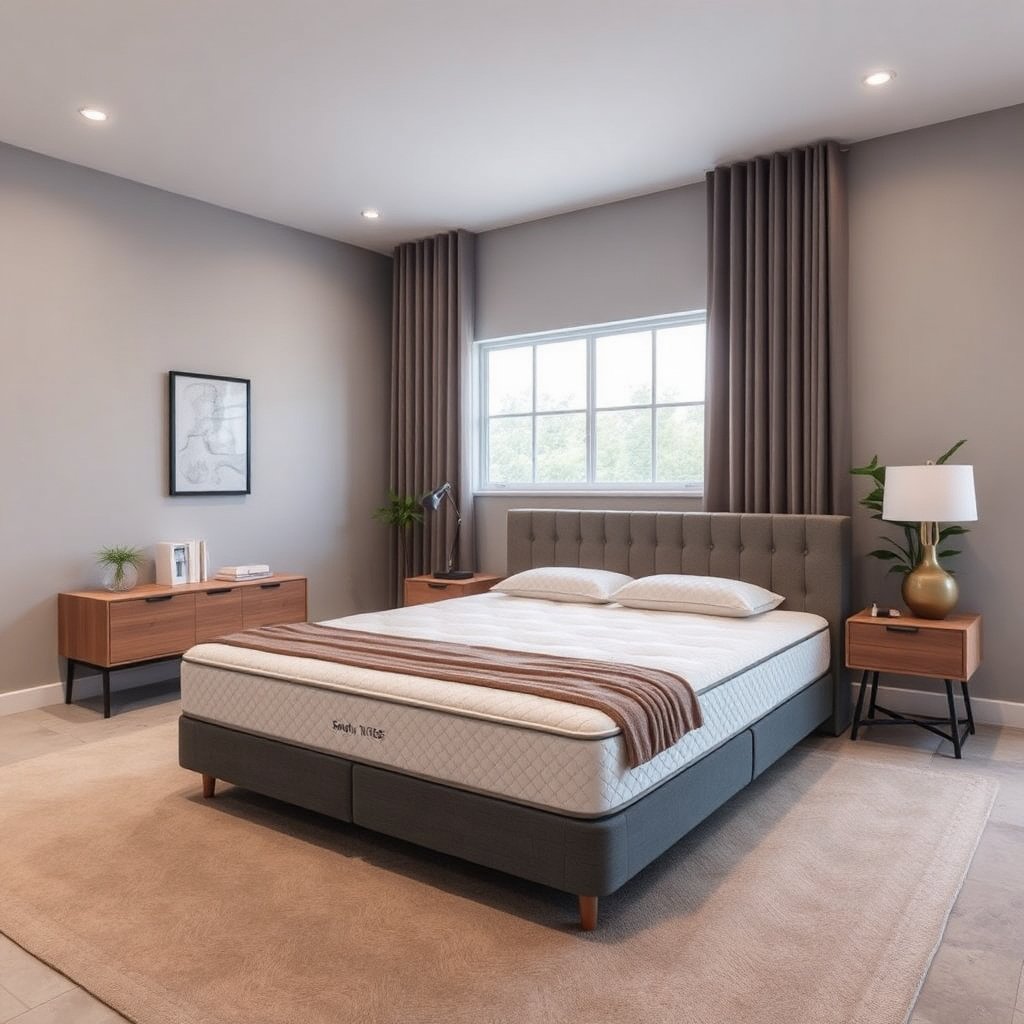
A plush RV mattress is most asthma-friendly when it prevents you from sinking too far during position changes. The goal for combination sleepers is simple: cushion the pressure points (shoulders/hips) in side sleeping, but keep your spine supported enough in back (and stomach, when you tolerate it) to reduce micro-movements all night.
Build comfort where you need it (hips/shoulders), not everywhere
When you switch from side to back, the mattress should “give” under your pressure points while maintaining stable alignment. Look for a plush top layer described as pillow-top, foam comfort layer, or quilted/stitched plush—paired with a denser support core below it. In my own RV setup work, I’ve found that mattresses that feel plush only at the very surface (thin comfort quilting over a firm base) often outperform very soft, slow-recovery beds for combination sleepers with asthma—because they reduce that “stuck-and-reposition” loop that can wake you and make symptoms feel worse.
To verify this at the product page or spec sheet:
– Read the construction notes: “plush top” + “support core,” “layered comfort,” or “zoned support.”
– Watch for indicators of deep sink: terms like “very soft,” “plush sink,” “slow-moving,” or “cloud-like” with minimal support detail.
Use zoning/layering to reduce sink during position changes
Combination sleepers benefit from designs that distribute weight rather than compressing uniformly. If a mattress offers zoning (for example, firmer zones for hips or edges), it can help keep shoulders and hips aligned when you roll. If zoning isn’t explicit, layered construction can still achieve a similar effect: a comfort layer that cushions, then a transition layer that slows compression, then a supportive base that resists collapse.
Here’s a quick comparison of mattress comfort approaches for side/back switching:
| Construction choice | What it usually feels like for combo sleepers | Asthma-friendly upside | Possible downside |
|---|---|---|---|
| Plush top + supportive base (layered) | Cushioned on top; less deep sink overall | Fewer nighttime readjustments (less airway irritation from poor sleep) | You may prefer a slightly softer top if you’re very pressure-sensitive |
| Ultra-plush/very soft (minimal support info) | Faster collapse; deeper “body impression” | Comfort at first contact | Higher risk of frequent repositioning and trapped heat/moisture if materials are less breathable |
| Support-forward “medium-plush” | Gentle cushioning with quicker recovery | Often easier to vent/maintain in RVs (less musty risk from trapped warmth) | Some side sleepers may feel it’s not plush enough without the right topper/cover |
Prioritize asthma-friendly materials (and how they’re built)
Plush comfort is only helpful if the materials don’t worsen asthma through odor, irritants, or trapped humidity. For RV sleepers, prioritize low-emission building blocks and breathable textiles, and avoid “mystery” ingredient claims that make it hard to predict odor and indoor air impact.
Look for low-emission foam and transparent certifications
Foam can be fine for many asthma sufferers, but the difference is in emissions control and testing transparency. Favor mattresses that clearly state foam type and testing standards. CertiPUR-US is commonly referenced for polyurethane foam and emphasizes low emissions and restricted content. For mattress decisions, the practical filter is this: if the brand lists specific, recognized standards and doesn’t hide material composition, you’re less likely to get surprise odors in a confined RV.
Also be cautious with:
– “Unknown” adhesives, unspecified fillers, or generic “pet-safe”/“eco-friendly” marketing with no emissions documentation.
– Heavy scent masking (which can mask odor initially but still irritate once the scent fades).
Choose covers that breathe and manage moisture
Breathable ticking or knit covers can reduce heat retention. In an RV, that matters because higher surface warmth can increase perceived stuffiness and make it harder to manage humidity. A mattress cover that’s designed for airflow also supports faster drying after routine ventilation.
If you’re sensitive to scent, your decision isn’t just “what material”—it’s “what happens after unboxing.” Plan for controlled off-gassing in a ventilated RV area before sleeping. As a general indoor-air anchor, the U.S. Environmental Protection Agency notes that indoor air can be more polluted than outdoor air, often reported as about 2–5 times higher depending on conditions (EPA, indoor air pollution overview). That’s why you should treat new mattress odor management as part of your asthma routine—not an afterthought.
Reduce triggers with cover, filtration, and cleaning setup
The simplest way to cut asthma triggers is to create a controllable barrier between you and irritants, then keep the sleep area clean with the right tools. In an RV, where fabrics can hold onto moisture and dust travels more easily with airflow changes, barrier design and cleaning cadence matter more than many people expect.
Use an asthma-friendly encasement to reduce dust/irritant exposure
A breathable mattress encasement can help manage dust and irritants. The key is choosing one that’s:
– Specifically designed as a breathable encasement (not a fully impermeable wrap that traps heat),
– Washable or wipeable per the manufacturer instructions, and
– Appropriate for your mattress thickness (so it fits correctly and doesn’t pull fabric into bunching seams).
Control bedding irritants without overcomplicating laundry
Keep bedding simple and washable. Hypoallergenic sheets and covers you can wash frequently reduce exposure to dust accumulation. If you already follow an asthma action plan that includes detergent guidance, follow it—because some people react to fragrances or certain additives.
For routine cleaning:
– Wash bedding on a schedule you can keep during trips.
– Vacuum around the bed area regularly, ideally with a vacuum that includes HEPA filtration.
– Consider that HEPA filtration is designed to capture extremely fine particles; for example, HEPA filters are commonly rated to capture at least 99.97% of particles at 0.3 microns (U.S. Department of Energy/HEPA performance standard widely cited in filtration guidance).
Think RV-first: fit, airflow, moisture, and travel durability
In an RV, the “best plush mattress” is the one that fits cleanly and stays dry between trips. Even a great asthma-friendly mattress can underperform if the platform traps moisture, vents are blocked, or the bed shifts during travel.
Measure for platform fit—plush usually means thicker
Plush RV mattresses can be thicker than standard comfort options, which can affect:
– Door clearance when you bring the mattress inside,
– Fit on the bed frame (especially on curved or slatted platforms), and
– Drawer clearance or storage access if your RV design is tight.
Use exact measurements of your RV sleeping platform and any relevant clearance points before you purchase. If you’re between sizes, prioritize the fit that lets you maintain consistent airflow under and around the mattress.
Build an airflow and drying routine you can actually follow
Air circulation is harder in an RV, and that’s where moisture control becomes asthma-relevant. According to the U.S. Environmental Protection Agency, maintaining indoor relative humidity between 30% and 50% helps reduce the risk of mold growth (EPA guidance on indoor humidity/mold prevention). In real RV terms, that translates to:
– Venting during warmer, drier parts of the day when possible,
– Using fans where appropriate (without blasting dust into the bed area), and
– Avoiding storage conditions where the mattress can sit in a damp or “still air” state.
Choose construction that resists travel-induced layer shifting
Travel vibrations can gradually loosen adhesives and allow layers to shift, which changes comfort distribution. For combination sleepers, that can cause the exact problem you’re trying to avoid: uneven sink that forces more position changes and disrupts sleep continuity. Look for mattresses that describe stable multi-layer construction and strong internal bonding methods, and treat layer integrity as a long-term comfort feature—not just a first-night feel.
What can go wrong (common mistakes for asthma + RV comfort)
Plush mattresses can still trigger symptoms if you choose softness without adequate support, skip airing-out, or ignore RV humidity control. The most common failures are predictable—and you can avoid them with a tighter decision process.
Common mistake: choosing plush without checking sink depth
Buying purely for “plush” can lead to deep sink that collapses your shoulders/hips when you roll. That increases repositioning, which can fragment sleep and make asthma feel more disruptive. If you notice you’re forced to readjust multiple times in the first few nights at home, that pattern will likely repeat in an RV where airflow is less consistent.
Common mistake: ignoring off-gassing/odor sensitivity
New mattresses can release odors even when materials are low-emission. If you react to strong scents, you need extra time to air out in a ventilated RV setup before sleeping. The “odor fades in 24 hours” claim is not universal—some people remain sensitive longer, and RV conditions can slow the process.
Common mistake: skipping ventilation and moisture control
Humidity and trapped warmth can increase musty smells and irritant buildup. Since dust mites often thrive in higher humidity environments, controlling moisture is asthma-relevant—not just comfort-related. For example, the American Academy of Allergy, Asthma & Immunology notes dust mites thrive in areas with relative humidity above about 50% (AAAAI dust mite overview/conditions). In RV life, that’s a practical reminder to treat ventilation as part of asthma management.
Verdict: what to pick—and who should skip plush RV beds
The best plush RV mattress for combination sleepers with asthma is one that pairs a truly plush top (pressure relief) with a supportive base (reduced deep sink), uses breathable, low-emission materials, and is paired with an encasement plus an RV ventilation/drying routine. Downsides exist: plush designs that are too soft can trap heat, reduce recovery speed, and increase sink—so “plush” should not mean “barely supported.”
Skip ultra-plush options if you already know you:
– Sink deeply and wake often from body “locking” or slow recovery,
– React strongly to new-material odors before they have fully aired out, or
– Struggle to keep the mattress dry between trips (humidity control is harder than it sounds in small spaces).
If your asthma is severely triggered by scents or new materials, consider a “medium-plush” target and build the comfort with a breathable topper/cover strategy—then give extra time for off-gassing before you sleep.
Quick decision rule (fast and practical)
– If side pressure relief is your main need: choose plush top + supportive core.
– If you switch to back/stomach and sink: choose stronger support under a modest plush layer.
– If odor sensitivity is your main need: choose documented low-emission materials + encasement + extended ventilated airing time.
Most Common RV Mattress Sizes by Sleep Surface Area (Sq Ft)
| # | RV Mattress Size | Dimensions (in) | Sleep Surface (sq ft) | Best For (Space) |
|---|---|---|---|---|
| 1 | RV Super Single | 36 × 75 | 18.75 | Tighter RV bays |
| 2 | RV Twin | 39 × 75 | 20.31 | Single sleeper comfort |
| 3 | RV Twin XL | 38 × 80 | 21.11 | Longer legs/sleep |
| 4 | RV Full | 54 × 75 | 28.13 | Roomier single |
| 5 | RV Short Queen | 60 × 75 | 31.25 | Better side/back space |
| 6 | RV Queen | 60 × 80 | 33.33 | Most balanced RV comfort |
| 7 | RV King | 76 × 80 | 42.22 | Maximum combo-sleeper space |
Quick checklist (scan/save)
| What to check | Why it matters for asthma + comfort | What to look for |
|---|---|---|
| Plush + support balance | Prevents sinking while you switch positions | Plush comfort layer + supportive base |
| Low-emission materials | Reduces odor/irritant risk | Reputable foam certifications; clear material info |
| Breathability | Helps limit heat/moisture buildup | Breathable cover/fabrics; airflow-friendly design |
| RV ventilation plan | Odors and humidity are harder to manage | Venting routine before and after trips |
| Dust/irritant control | Keeps bedding area cleaner | Breathable mattress encasement + washing routine |
FAQ
– How long should I air out a new plush RV mattress before using it?
Follow the manufacturer’s guidance on odor/off-gassing; if you’re scent-sensitive, allow extra ventilated time in your RV setup.
– Will a mattress encasement make the bed hotter in an RV?
It can, depending on the encasement material—choose breathable, asthma-friendly options and monitor temperature/humidity.
– Are memory-foam plush beds always bad for asthma?
Not automatically—some sleepers do fine with low-emission foams, but sensitivity to odor varies. Prioritize clear materials, low-emission claims/certifications, and proper airing-out.
– What mattress feel is best for combination sleepers in an RV?
Usually “medium-plush” or “plush with strong support,” so you can switch positions without deep sinking.
A plush mattress for an asthma-friendly RV setup should be comfort-first for your side/back shifting—but not so soft that you sink and constantly readjust. Filter for breathable, low-emission materials, plan for odor/moisture control, and use a dust/irritant barrier plus a simple cleaning routine. If you’re unsure, start with a medium-plush comfort target and take the airing-out + ventilation steps seriously before you commit to nightly sleep.
Frequently Asked Questions
How do combination sleepers with asthma choose the right plush mattress thickness for an RV?
For combination sleepers, plush thickness affects how easily you can change positions without getting “stuck” in the bed. In an RV, aim for a plush comfort layer that cushions pressure points while still allowing you to shift weight—often achieved with a medium-thickness comfort zone rather than an overly deep sink. Also consider whether you use an RV bed topper or mattress pad, since added height can increase heat retention and airflow restriction, which may worsen asthma symptoms.
Which materials in a plush mattress are best for RV sleepers with asthma?
Look for mattresses with asthma-friendly materials like CertiPUR-US®-certified foam (low VOCs) or naturally breathable comfort layers such as latex or wool. These options can help reduce odor and chemical off-gassing that may trigger asthma. Avoid highly fragranced products, and consider removable, washable covers with breathable fabric to minimize dust accumulation and trapped allergens in your RV sleeping space.
What features should I prioritize when selecting a plush mattress for side-and-stomach combination sleepers in an RV?
Side sleepers typically need plush pressure relief at the shoulders and hips, while stomach sleepers need better support to prevent the midsection from sagging. Choose a mattress that blends plush comfort with responsive support so your spine stays aligned when you switch positions. A zoned support design or a slightly firmer base layer can help you get the cushioning you want without sacrificing posture, which is especially important in a compact RV setup.
Why does off-gassing matter when you buy a plush mattress for asthma in a small RV?
In an RV, limited ventilation can cause smells from new mattress materials to linger longer, and irritants may aggravate asthma. Give the mattress adequate time to air out before using it, and keep windows/vents open when possible during initial setup. You can also use a low-odor protective cover to reduce exposure to dust and residues, while keeping the room airflow optimized to help maintain asthma-friendly air quality.
How should I maintain an RV plush mattress to reduce allergens that trigger asthma?
Use an allergen-resistant mattress protector and regularly wash bedding in hot water when your RV trip schedule allows. Vacuum the mattress surface and seams with a HEPA filter if the protector is not fully sealed, and keep humidity in check with proper ventilation or a dehumidifier—both can reduce dust mites and mold risk. Finally, if you camp in dusty environments, prioritize quick bedding changes and frequent cleaning of the RV bedroom area to prevent allergens from building up around your plush mattress.
📅 Last Updated: November 25, 2026 | Topic: How to Select a Plush Mattress for Combination Sleepers with Asthma in an RV | Content verified for accuracy and freshness.
References
- House dust mite
- https://www.mayoclinic.org/diseases-conditions/allergies/in-depth/dust-mite-allergy/art-20044297
- https://www.mayoclinic.org/healthy-lifestyle/adult-health/in-depth/mattress-buying/art-20045537
- https://www.epa.gov/mold/mold-and-mildew
- Air Cleaners and Air Filters in the Home | US EPA
- https://www.cdc.gov/mold/default.htm
- dust mite encasement mattress asthma – Search Results – PubMed
- https://scholar.google.com/scholar?q=combination+sleepers+mattress+firmness+side+back+pressure+relief Google Scholar
- https://scholar.google.com/scholar?q=asthma+dust+mite+encasement+mattress+bedding Google Scholar
- https://scholar.google.com/scholar?q=RV+indoor+air+quality+mold+asthma+humidity+ventilation Google Scholar